5 Affordable Foam Rollers That Actually Work
Feeling stiff after long days at a desk or sore from tough workouts? You’re not alone. I tested dozens of budget rollers and narrowed the field to the best options that combine quality, comfort, and real results. This list of 5 Affordable Foam Rollers That Actually Work focuses on products that deliver muscle relief without breaking the bank. I chose these picks based on build quality, real customer reviews, and overall value — so you get tools that stand up to regular use. This article contains affiliate links at no extra cost to you.
5 Affordable Foam Rollers That Actually Work — Quick Picks
1. Amazon Basics High Density Foam Roller
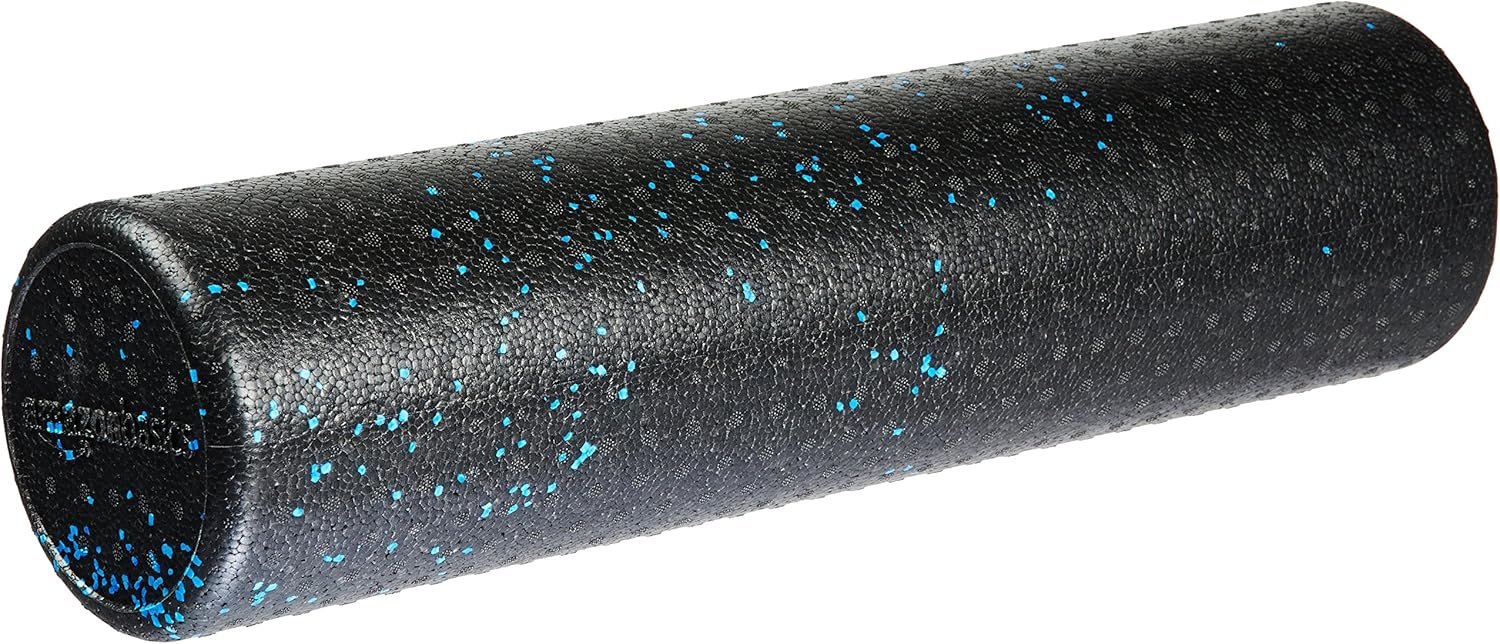
Overview: The Amazon Basics High Density Foam Roller is a firm polypropylene roller that stays in shape and wipes clean easily. Its molded edges add comfort while the dense profile supports deep work for larger muscle groups. It’s a solid, no-frills option for balance, strengthening, and flexibility work.
- Pros: Very firm and durable; lightweight; easy to clean; great price.
- Cons: Some users find it too firm; size may be bulky for travel.
- High-density polypropylene construction
- Molded edges for comfort
- 12 x 6 x 6 inches (note some listings show 24″ length option)
- Firm feel suited for deep pressure
Why it’s in the Top 5: It’s an affordable, dependable roller that holds shape and handles heavy use — ideal for anyone who wants firm, consistent compression without a premium price.
2. Yes4All Medium Firm Round PE Foam Roller — 12/18/24/36″
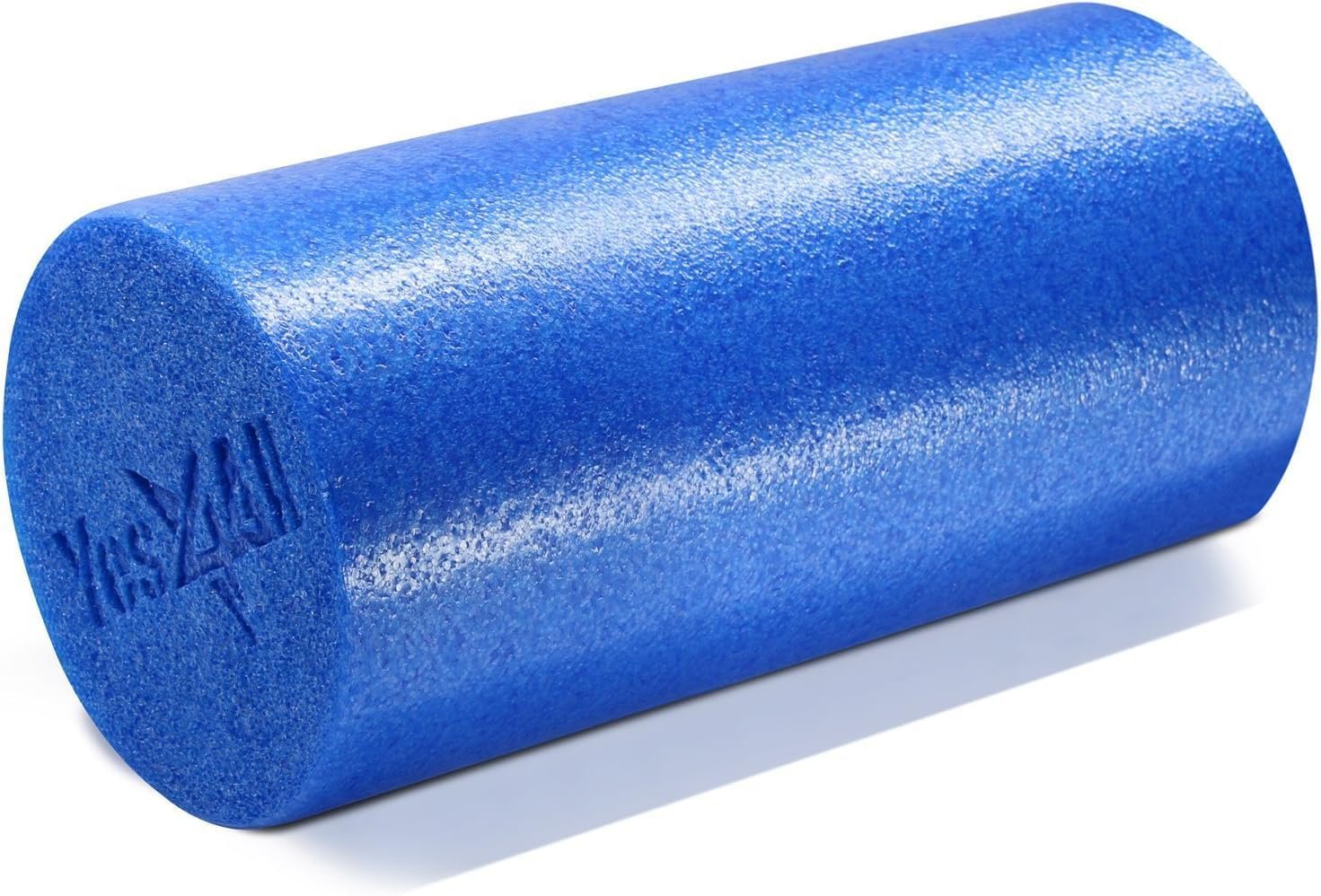
Overview: Yes4All’s PE foam roller is 30% heavier and firmer than similar rollers, offering deeper pressure and stable support up to about 250 lbs. It comes in multiple lengths, so you can choose a compact roller for travel or a long one for full-body rolling.
- Pros: Good value; multiple lengths; firmer PE foam for deep work.
- Cons: Durability varies by user; some find it too dense for sensitive areas.
- Made from high-quality polyethylene
- Smooth, anti-slip surface
- Available in 12, 18, 24, and 36 inches
- Medium firmness option ideal for varied use
Why it’s in the Top 5: The Yes4All roller balances firmness and affordability and the size options make it versatile for athletes and home users alike.
3. TriggerPoint Grid 1.0 Foam Roller – 13″ Multi-Density
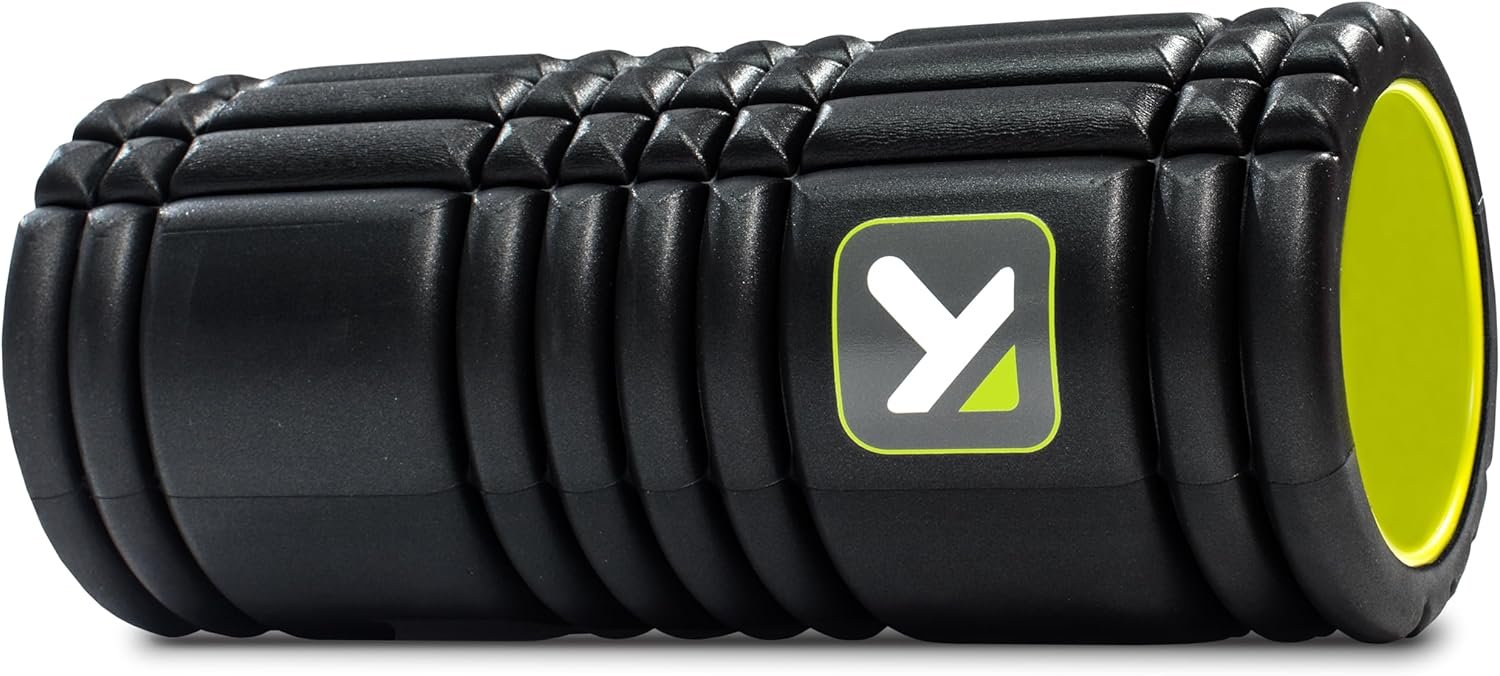
Overview: The TriggerPoint Grid uses a multi-density design to mimic a massage therapist’s hands. The EVA foam wrap and hollow core give it durability and a firmer, more targeted feel for deep tissue work without a plastic core.
- Pros: Durable, targeted multi-density surface; feels like hands-on massage; holds up to frequent use.
- Cons: Higher price than basic rollers; extra firm for some users.
- Proprietary Distrodensity Zones and grid pattern
- 13-inch length fits each leg separately
- EVA-foam wrapped, hollow core
- Built for frequent, intense use
Why it’s in the Top 5: It’s a reliable step-up from basic rollers and provides targeted therapy that can replace some clinic visits for sore muscles.
4. ProsourceFit High Density Foam Roller — 36″ and Travel Sizes
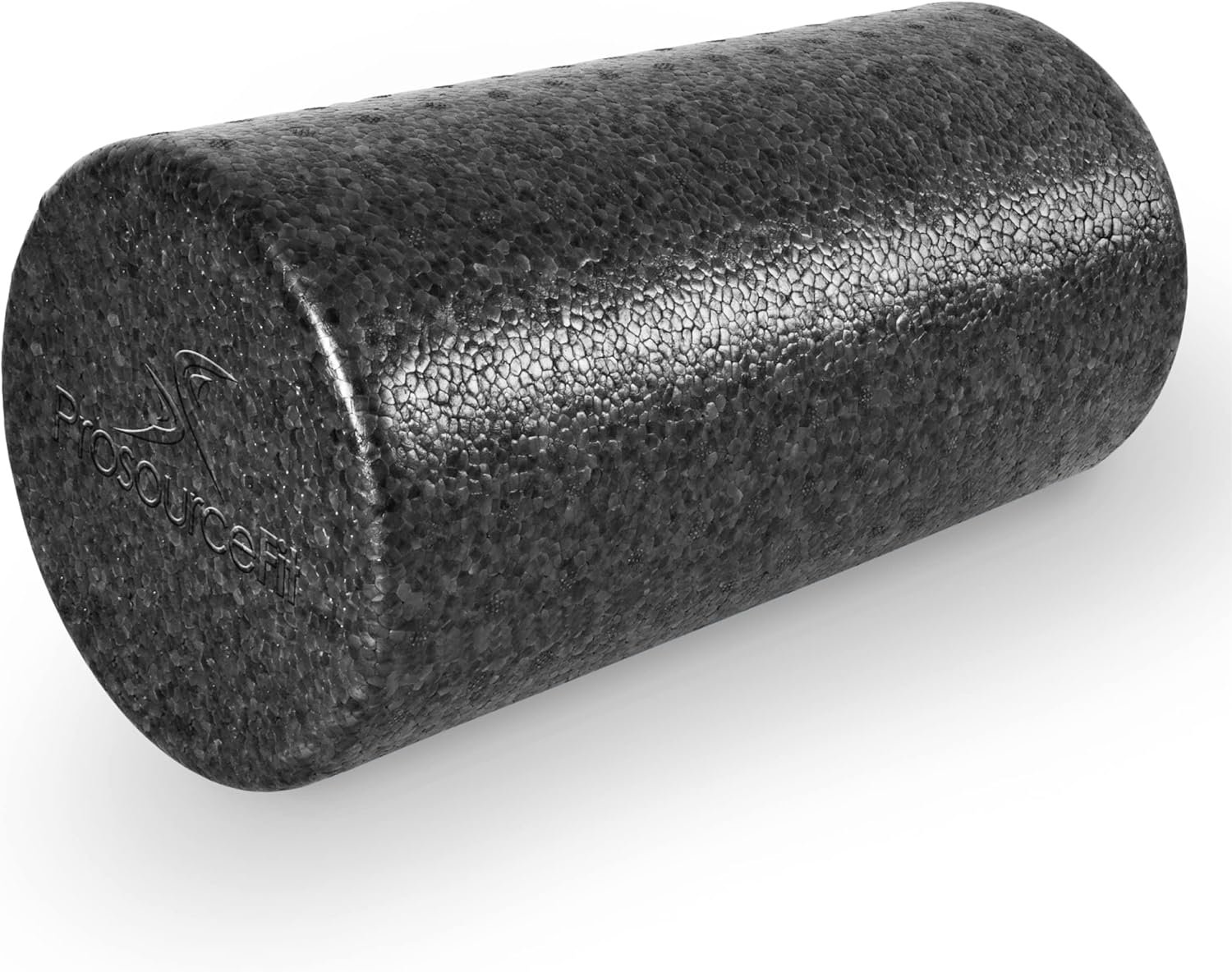
Overview: ProsourceFit makes a classic high-density EPP roller that resists wear and holds shape. It’s long enough for full-body rolling and stable enough for Pilates and core exercises that require slight instability.
- Pros: Durable for heavy use; good size for full-body work; easy to clean.
- Cons: Very firm for beginners; long model takes more storage space.
- High-density expanded polypropylene (EPP)
- Firm structure for trigger point release
- Available in longer & smaller travel sizes
- Low maintenance and non-toxic material
Why it’s in the Top 5: It’s a rugged, no-nonsense roller that works for athletes and rehab users who need a firm, reliable tool for consistent recovery sessions.
5. 321 STRONG Foam Roller – Medium Density Deep Tissue Massager
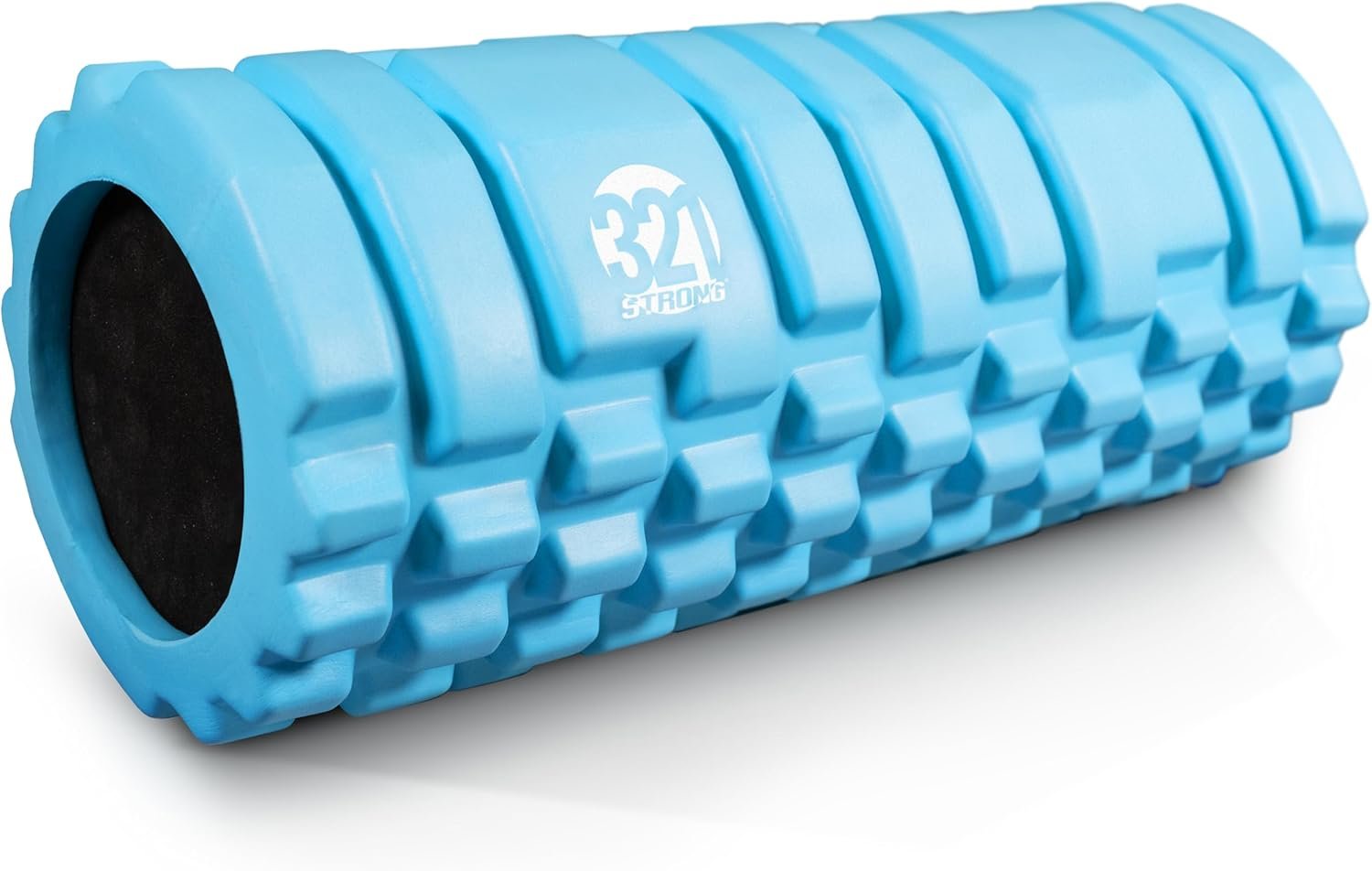
Overview: The 321 STRONG roller uses patented textured projections to mimic massage fingers, thumbs, and palms. It’s built to provide targeted trigger point release while protecting the spine with a foam-only construction.
- Pros: Textured zones for targeted pressure; BPA-free EVA foam; includes eBook guidance.
- Cons: Smaller diameter may feel intense; some users find projections too aggressive at first.
- Patented projection pattern for staged pressure
- Closed-cell EVA foam, BPA-free
- Supports heavy loads without deformation
- Includes companion eBook for routines
Why it’s in the Top 5: The textured design delivers therapist-like pressure at a modest price, making it great for targeted relief and myofascial work at home.
Buying Guide: How to Choose the Right Foam Roller
When choosing from the 5 Affordable Foam Rollers That Actually Work, focus on density, length, and texture. Match the roller to your pain tolerance and goals: softer rollers for gentle release, medium for general use, and firm for deep tissue. Consider storage and travel needs when choosing length and diameter.
Common mistakes to avoid
- Picking the hardest roller because it feels “stronger” — too firm can cause more pain and guard the muscle.
- Buying the longest model without considering storage or portability.
- Ignoring user reviews on durability for cheaper PE rollers.
Key features to consider
- Density: soft, medium, or firm depending on sensitivity and goals.
- Length and diameter: 12–13″ is great for travel; 24–36″ suits full-body work.
- Surface texture: smooth for even pressure; grid or textured for targeted trigger release.
- Material and build: EVA, EPP, or heavy PE resist wear and hold shape better.
Who these products are best for
- Desk workers with tight hips/upper back — medium density works well.
- Athletes and lifters needing deep tissue release — choose firm or textured rollers.
- Yoga and Pilates users — longer rollers for stability and core work.
- Beginners — start with medium or softer rollers to learn technique.
Conclusion
These 5 Affordable Foam Rollers That Actually Work cover a range of needs, from gentle recovery to deep tissue release. If you want one simple pick that blends performance and value, go for the TriggerPoint Grid 1.0 for its targeted design and durability.
Best Overall: TriggerPoint Grid 1.0 — best mix of durability, targeted relief, and proven design.
Best Budget Option: Amazon Basics High Density Foam Roller — reliable and wallet-friendly for general recovery.
Best Premium Option: 321 STRONG Foam Roller — textured, patented design for targeted deep tissue work at home.
Pick a roller that fits your comfort level and use it consistently — even a few minutes after a workout can speed recovery. Keep rolling and enjoy less pain and better movement.
How often should I use a foam roller?
Short sessions of 5–15 minutes after workouts or during the day are effective. Start with 2–3 times per week and increase as needed.
Which firmness is best for beginners?
Beginners usually prefer medium-density rollers. They provide relief without the sharp discomfort that very firm rollers can cause.
Can foam rolling replace stretching?
Foam rolling complements stretching. It helps release tight spots so stretches feel deeper and more effective, but it shouldn’t fully replace mobility work or targeted stretching routines.
Is a textured roller better than a smooth one?
Textured rollers can target trigger points more precisely, while smooth rollers offer more even pressure. Choose based on whether you want targeted therapy or general muscle relief.