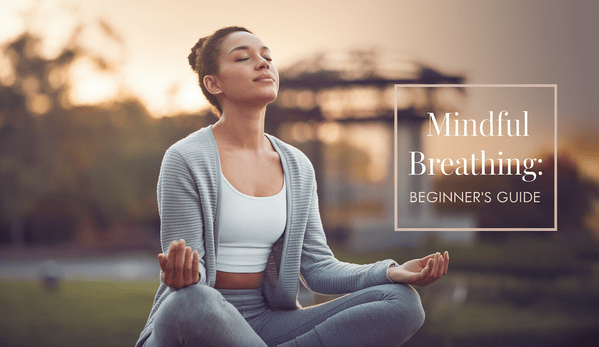

Mindful Breathing: Beginner’s Guide
Mindful breathing is a simple, powerful way to calm your nervous system, sharpen focus, and reduce stress. Whether you have five minutes or twenty, this guide will walk you through what mindful breathing is, why it works, and how to start a consistent practice today.

What is mindful breathing?
Mindful breathing is paying gentle, non-judgmental attention to the breath. It’s not about forcing your breath or achieving a special state — it’s about noticing the inhale and exhale. With regular practice, mindful breathing helps you respond to stress with awareness instead of reacting on autopilot.
Why mindful breathing works
Breathing connects the body and mind. When you slow and deepen your breath, your nervous system shifts from a fight-or-flight state toward relaxation. Scientific and clinical resources show measurable benefits:
- Less stress: Mindful breathing reduces physiological signs of stress and helps you feel calmer.
- Improved focus: Returning attention to the breath trains sustained attention and clarity.
- Better mood: Regular practice can reduce rumination and support emotional balance.
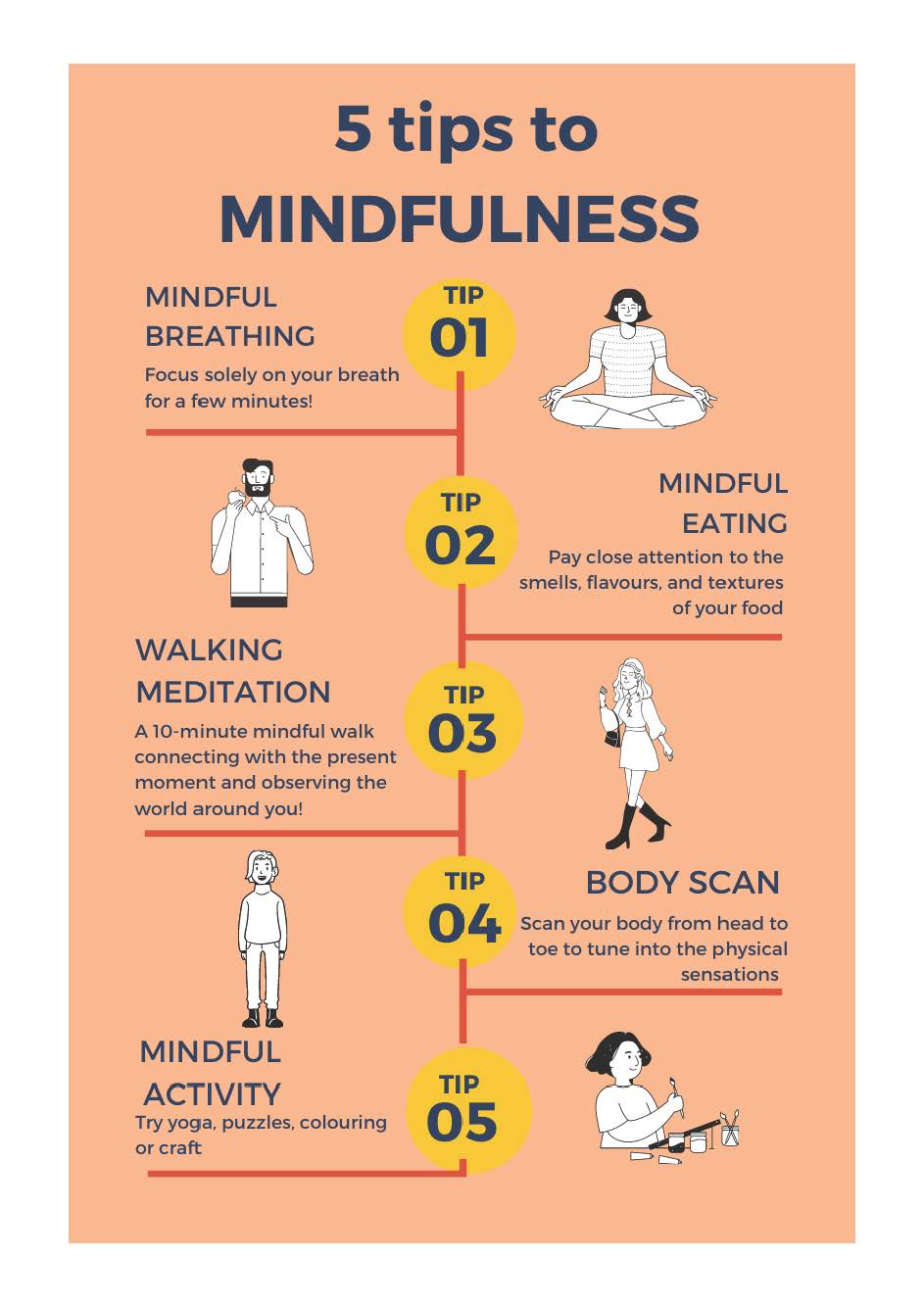
How to start: a simple mindful breathing practice
Use this beginner-friendly practice to get started. The key is consistency and kindness to yourself.
Step-by-step 5-minute practice
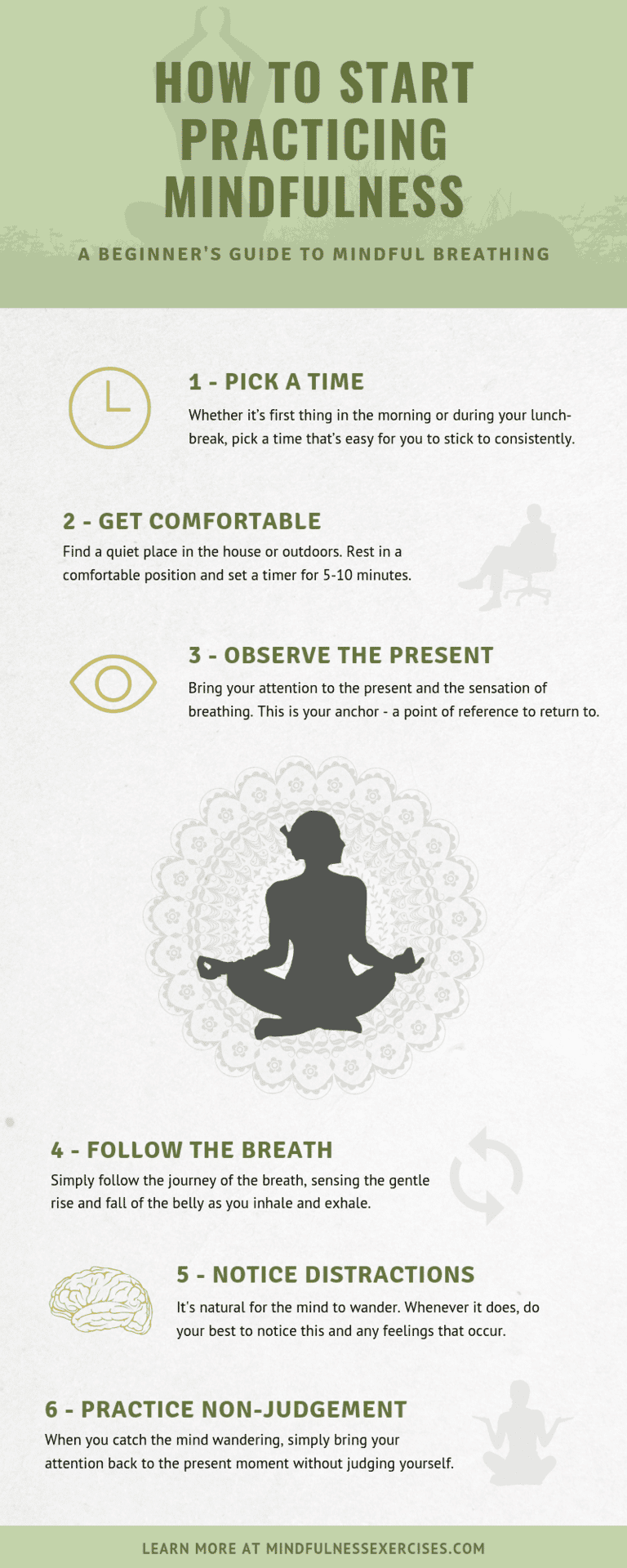
- Find a quiet spot and sit comfortably with a straight back.
- Close your eyes if it feels safe, or soften your gaze.
- Take a few natural breaths to settle in.
- Bring attention to the breath at the nostrils, chest, or belly — whichever feels easiest to notice.
- Inhale gently and exhale naturally. If your mind wanders, simply notice and bring it back to the breath. No criticism.
- After five minutes, widen your attention and open your eyes. Notice how you feel.
Tip: Start with 3–5 minutes daily. Gradually increase to 10–20 minutes as you feel comfortable.
Quick practices for busy days
No time for a long sit? Try these bite-size mindful breathing exercises:
- Box breath: Inhale 4, hold 4, exhale 4, hold 4 — repeat 3–5 times. Great for immediate calm.
- 3-breath reset: Take three deep, slow breaths and bring your attention to the present.
- Breath while walking: Match steps to inhales/exhales for a moving practice.
Common questions and what science says
Many organizations offer reliable guidance on starting mindfulness and breathing practices. For easy guided meditations and beginner tools, see Mindful.org — their Meditation 101 page includes short breathing meditations and a 5-minute practice.
The Mayo Clinic explains how breathing methods and guided imagery can relax body and mind. The UK’s NHS guide includes a step-by-step video and transcript to help beginners learn breath meditation. Practical scripts and clinical tools are available from the VA (Mindful Breathing script) and UPMC (Mindful breathing PDF), which describe how breath awareness can reduce stress and boost resilience.
Tips to stay consistent
Consistency beats intensity. Use these practical habits to make mindful breathing a regular part of your day:
- Set a daily alarm or link practice to an existing habit (after brushing teeth, before morning coffee).
- Keep sessions short and achievable — 3–5 minutes daily is better than one long session per week.
- Use guided tracks if your mind wanders a lot. Short guided breathing meditations can help maintain focus.
- Be kind to yourself — noticing distraction is the practice, not a failure.
When mindful breathing might be challenging
Some people find breath-focused practice uncomfortable, especially if they have trauma or anxiety. If breath attention feels activating, try these alternatives:
- Focus on sensations in the hands or feet first.
- Use an external anchor like a sound (a bell or gentle music).
- Practice with a trained teacher or therapist who can offer guidance.
Resources to learn more
Want step-by-step guidance and tools? Start with the links above and consider the following:
- Mindful.org’s beginner meditations for short guided breathing practices.
- Mayo Clinic and NHS pages for evidence-based instructions and tips.
- Clinical scripts from the VA and UPMC PDFs for structured training and group use.
Video guide: follow along
Try this short guided breathing video to practice with a coach. Use it to anchor a daily habit or a quick reset during a stressful moment.
Common mistakes and how to avoid them
Beginners often expect immediate calm or try to control every breath. Here’s what to watch for:
- Trying to force the breath: Keep it natural and gentle.
- Judging wandering thoughts: Gently return attention each time; this is the skill.
- Skipping consistency: Small daily practice is more effective than sporadic long sessions.
How mindful breathing fits into daily life
Mindful breathing isn’t only for formal sitting. Use it when:
- You wake up and want a calm start.
- You feel stressed at work — take a two-minute breath break.
- Preparing for sleep — use slow, long exhalations to help relax.
Remember: mindful breathing is a skill you train like a muscle. The more you practice, the more you’ll access calm and clarity in everyday moments.
FAQ
How long should a beginner practice mindful breathing each day?
Start with 3–5 minutes daily. Once it feels comfortable, increase to 10–20 minutes. Short, consistent practice is more effective than occasional long sessions.
Can mindful breathing help with anxiety?
Yes. Mindful breathing can lower physiological arousal and create space between feeling anxious and reacting. If you have severe anxiety, work with a mental health professional for tailored support.
What if I can’t focus on my breath?
It’s normal for the mind to wander. When it happens, gently bring attention back to the breath without judgment. Using guided audio or a shorter practice can help build focus.
Are there medical sources that support mindful breathing?
Yes. Trusted resources like the Mayo Clinic, NHS, and clinical guides from the VA and UPMC provide evidence-based instructions and scripts for mindful breathing.
Next steps
If you enjoyed this introduction, explore more guided practices and beginner-friendly articles on zenpulsehub.com. Try a daily 5-minute habit for two weeks and notice the difference.
Ready to start? Take three mindful breaths now and come back for more guides at zenpulsehub