
10 Daily Habits to Reduce Stress Naturally
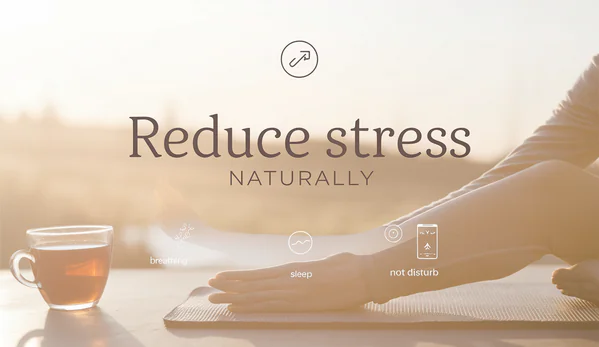
10 Daily Habits to Reduce Stress Naturally can transform busy days into calmer ones. Start small: consistent, simple routines lower tension and help you feel more in control. Below you’ll find practical, research-backed habits you can add to your day right away.
Why build daily habits to reduce stress?
Stress is part of life, but chronic stress wears down your mood, sleep, and health. Building daily habits to reduce stress naturally makes calm a default, not an occasional luxury. Small actions every day create long-term resilience.
10 Daily Habits to Reduce Stress Naturally
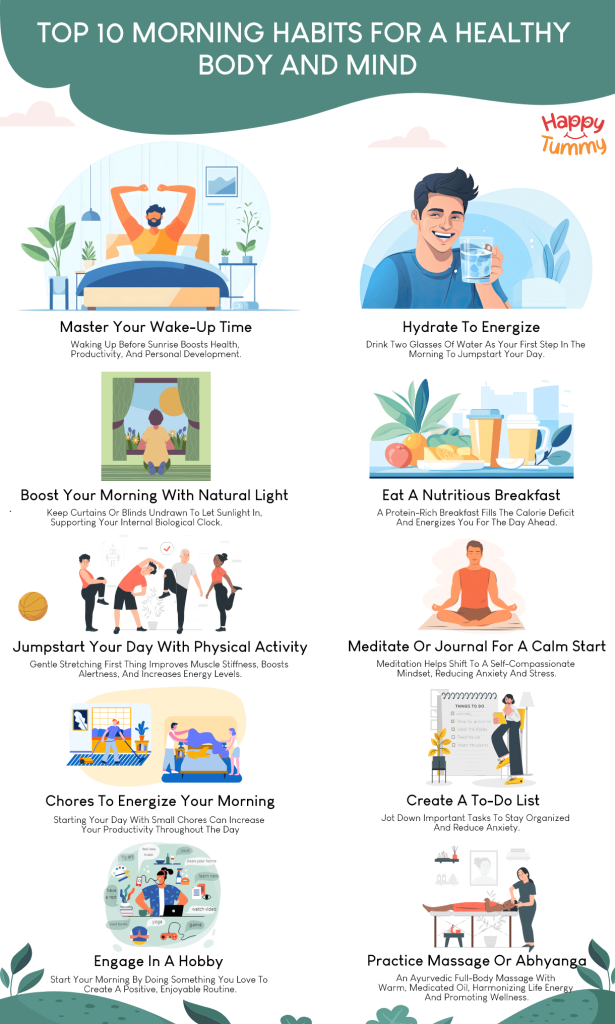
Below are ten easy, natural habits. Try adding one at a time and notice how your stress shifts. These practices are practical for people aged 20–45 juggling work, relationships, and life goals.
1. Move your body (even briefly)
Exercise resolves the physical stress reaction. A short walk, light yoga, or a 10-minute home circuit releases endorphins and eases tension. As the University of Nebraska extension notes, even small amounts of activity can boost mood and reduce stress.
- Daily goal: 10–30 minutes of movement.
- Try brisk walking, stretching, or quick bodyweight moves.
2. Start with a calming morning routine
A simple morning routine sets the tone. Include hydration, a brief stretch, and a 3–5 minute breathing practice. A predictable start reduces morning anxiety and improves focus.
- Drink a glass of water when you wake.
- Do 3 minutes of deep belly breathing: inhale 4 counts, hold 2, exhale 6.
3. Practice breathwork or short meditation
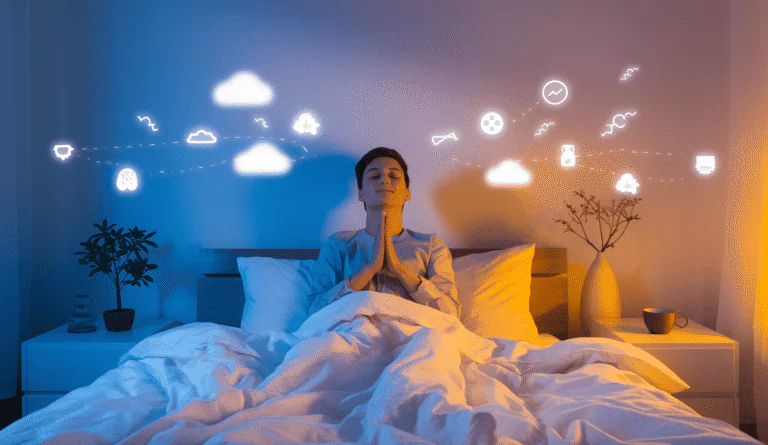
Conscious breathing helps switch off the body’s fight-or-flight response. Five minutes of mindful breathing or a guided meditation mid-day or before bed can dramatically reduce stress.
Tip: Try box breathing (4-4-4-4) or the 4-7-8 method for immediate calm.

4. Limit stimulants and unhealthy quick fixes
Avoid relying on alcohol, nicotine, or excess caffeine to cope. These may feel helpful short-term but worsen anxiety later. The NHS advises steering clear of unhealthy habits and building healthier coping tools instead. (NHS tips to reduce stress.)
5. Use digital boundaries
Constant news and social media can keep adrenaline high. Set specific times to check devices, turn off non-essential notifications, and create a 30–60 minute tech-free window before bed.
- Put your phone in another room while you eat or rest.
- Try a short digital detox on weekends.
6. Eat simple, nourishing meals
Blood sugar swings and poor nutrition amplify stress. Choose balanced meals with protein, healthy fats, fiber, and vegetables. Small changes—like a protein-rich breakfast—stabilize mood and energy.
7. Prioritize sleep
Good sleep is non-negotiable for stress management. Aim for consistent bed and wake times, and create a relaxing pre-sleep routine that excludes screens.
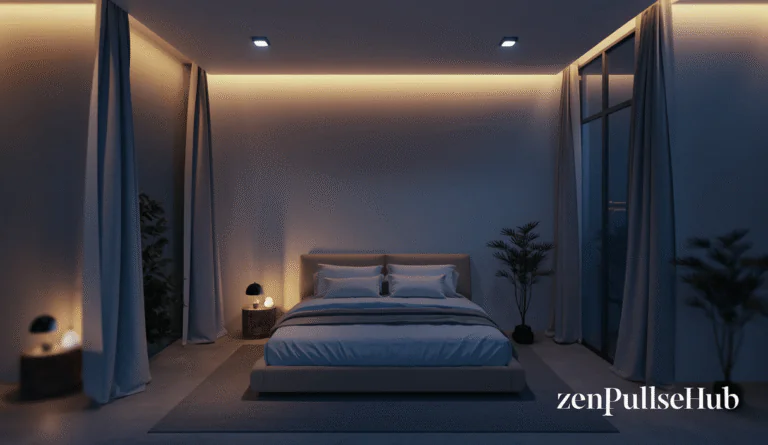
- Keep the bedroom cool and dark.
- Wind down with reading, stretching, or breathing exercises.
8. Practice quick mental resets
When stress spikes, use short mental tools: name five things you can see, take three slow breaths, or step outside for a minute. These resets interrupt worry loops and bring you back to the present.
9. Connect to others
Talking with a friend, family member, or colleague reduces isolation and reframes stress. Even a brief, supportive conversation can lower stress hormones and improve mood.
10. End the day with reflection and gratitude
Before bed, jot down three wins or things you’re grateful for. This habit shifts focus from stressors to what went well and helps quiet the mind for sleep.

How to build these habits without overwhelm
Start with one habit for two weeks, then layer another. Consistency beats intensity—small actions every day compound into big changes. Use reminders, habit trackers, or partner with a friend for accountability.
Quick morning routine example
- Wake, drink water (1 glass)
- 2–3 minutes of breathing
- 5–10 minutes of movement
- Healthy breakfast with protein
Short guided tool
Use short guided practices when stress is high. Below is a video you can follow anytime you need a reset.
YouTube: Guided Stress-Reduction Practice
Evidence and next steps
Research supports that daily movement, breathwork, and sleep improvements reduce physiological stress reactions and improve mood. For more on simple daily changes and how exercise reduces stress hormones, see this overview from the University of Nebraska extension: 10 Daily Habits to Reduce Stress.
5 practical tips to keep going
- Be realistic: pick actions you can repeat most days.
- Track progress: use a checklist or app.
- Pair habits: add a new habit to an existing routine (habit stacking).
- Forgive slip-ups: missed days don’t erase progress.
- Adjust: scale intensity to what fits your life now.
Final notes
When you focus on daily habits to reduce stress naturally, you’re investing in steady improvement rather than quick fixes. These small routines build a foundation of calm that supports your work, relationships, and wellbeing.
Start today: choose one habit and try it for a week. Notice how your stress level shifts and build from there.
How quickly will these habits reduce my stress?
Some habits—like breathing exercises and a short walk—can reduce stress within minutes. Larger benefits from routines like better sleep or regular exercise typically appear over weeks. Consistency matters most.
Can I combine multiple habits at once?
Yes, but avoid overloading. Start by adding one habit for two weeks, then layer another. Habit stacking (linking a new habit to an existing one) helps hold new routines in place.
What if I feel too anxious to try these steps?
Begin with very small actions: one minute of breathing, a one-minute walk, or writing one positive sentence. Small, doable steps reduce the barrier to starting and build confidence.
Where can I find reliable guidance on stress and coping?
Trusted sources include health services like the NHS, which offers practical tips on avoiding unhealthy coping mechanisms, and university extension resources that summarize research on movement and mood. See the NHS guide here: Tips to reduce stress.
Ready for more? Explore additional guides and tools on ZenPulseHub to keep building calm, clarity, and confidence.