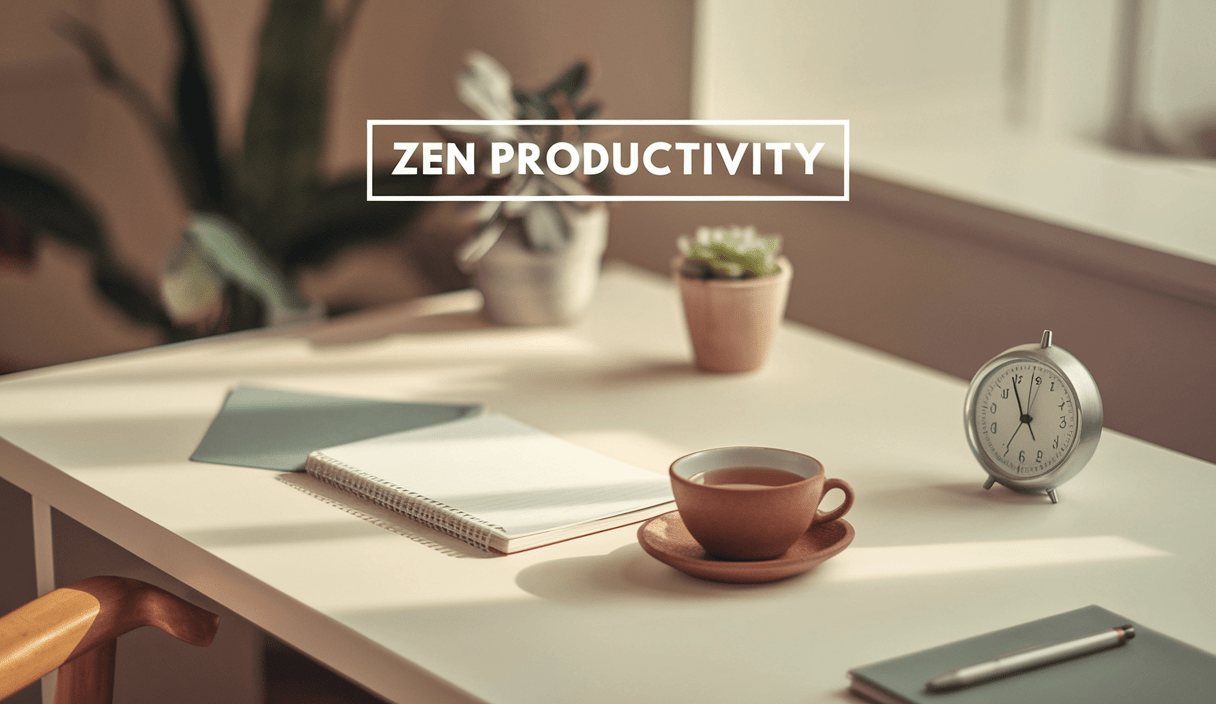

Zen Productivity: Simple Daily Habits
Meta: Build calm, focused routines that help you get more done without stress.
If you want a calm, efficient day, Zen Productivity is an approach that blends simple routines, focused work, and mindful breaks. This post gives friendly, practical steps you can use right away — no complicated tools or long theory. Read on for actionable tips, quick routines, and habit examples you can start today.
Why Zen Productivity works
Zen Productivity focuses on simplicity and attention. Rather than chasing endless tasks, it helps you choose a few meaningful actions and do them well. This prevents burnout and raises the quality of your output.
What you gain
- Clarity: Clear priorities make decisions easier.
- Focus: Short, deep work sessions reduce distractions.
- Energy: Balanced breaks keep you refreshed.
Core principles of Zen Productivity
Here are the guiding ideas to use every day. Think of them as small rules you can apply now:
- Simplify: Limit your daily to-do list to 3–5 meaningful tasks.
- Batch: Group similar tasks to avoid context switching.
- Focus: Use short, timed work sessions (25–50 minutes).
- Pause: Take mindful breaks to reset attention.
- Reflect: End the day with a quick review to learn and prepare.
How to build a Zen Productivity morning routine
A calm morning sets the tone. This simple routine takes 20–45 minutes and primes your mind for a focused day.
5-step morning routine
- Hydrate & breathe: Drink a glass of water and do 2 minutes of deep breaths.
- Light movement: Stretch or take a brisk 5–10 minute walk.
- Set top 3 tasks: Write the three most important things for the day.
- Quick review: Scan your calendar and remove non-essential items.
- Start with a win: Do one small, meaningful task to build momentum.
Practical focus techniques
Use these methods during work to keep attention steady and reduce anxiety about unfinished tasks.
Pomodoro (short focus bursts)
Work for 25 minutes, then rest 5 minutes. After four cycles, take a longer 15–30 minute break. This rhythm supports sustained focus without exhaustion.
Single-tasking with a timer
When a task is deep or creative, set a 45–50 minute timer and remove distractions: phone on Do Not Disturb, browser tabs closed, and notifications off. Single-tasking improves both speed and quality.
Design your workspace for calm
Your environment matters. A tidy, intentional workspace reduces friction and helps you stay present.
- Declutter: Keep only what you need on your desk.
- Lighting: Use natural light when possible or a warm desk lamp.
- Greenery: A small plant can lower stress and boost focus.
- Tools: Use one task list, one calendar, and one note app to avoid scattering tasks.
Micro-habits for daily resilience
Small habits compound. Pick just a few to keep your energy steady throughout the week.
- 2-minute pause: When overwhelmed, step away and breathe for two minutes.
- Single inbox check: Check email only 2–3 times daily and process messages immediately.
- Movement break: Stand or stretch every hour for 60 seconds.
- Evening 10-minute review: Note wins and plan the top three tasks for tomorrow.
How to manage distractions gently
Distractions are normal. The goal is to respond to them with kindness, not frustration.
- Use a distraction list: Keep a small note where you jot down incoming thoughts. This frees your mind to return to the task.
- Block noisy tabs: Mute distracting websites and turn off non-essential notifications.
- Set boundaries: Let teammates or housemates know your focused hours so interruptions are minimized.
Easy weekly cadence for steady progress
Weekly structure helps you balance urgent work and long-term goals. Try this light cadence:
- Monday: Pick your priorities and plan the week.
- Midweek: Review progress and adjust focus.
- Friday: Reflect on wins and lessons; prepare three priorities for next week.
Tools and rituals that support Zen Productivity
Tools are just helpers. Choose a few that feel natural and keep rituals simple.
- Task list: A simple app or paper planner for top 3 tasks.
- Timer: Use a simple timer app or a physical kitchen timer.
- Journal: 3-minute morning or evening notes to clear your mind.
Common pitfalls and how to avoid them
Even with good intentions, some patterns can derail progress. Here’s how to catch them early.
Overplanning
Problem: Long, detailed lists that never end. Fix: Limit your daily list to 3 items and focus on completing them.
Perfectionism
Problem: Delaying work to make it perfect. Fix: Set time limits and aim for progress, not perfection.
Ignoring breaks
Problem: Burning out from constant work. Fix: Schedule short, mindful breaks and treat them as productive parts of your day.
Realistic examples for different days
Use these sample plans to see how Zen Productivity fits into real life.
Busy workday
- Morning: Top 3 tasks, 25-minute focus, 5-minute break.
- Midday: 30-minute walk and lunch away from the desk.
- Afternoon: Two 45-minute focus sessions, light admin tasks afterward.
Creative day
- Morning: Short ritual to clear mind, one long 90-minute deep work block.
- Afternoon: Low-pressure tasks and a reflective 10-minute journal.
Measuring progress without stress
Track outcomes, not hours. A few gentle metrics help you stay honest and motivated.
- Top tasks completed: How many of the daily top 3 were done?
- Deep work minutes: Total focused time per day.
- Energy level: Quick daily note (1–5) on how you felt.
Watch this quick guide
Below is a short, calming video that walks through a simple Zen Productivity routine. Use it as a template to create your own daily flow.
Frequently asked questions
How long until I see results?
Small changes often show benefits in 1–2 weeks. Focus on consistency and simple wins rather than instant transformation.
Do I need special tools?
No. Most people succeed with a pen-and-paper list, a simple timer, and a short daily review. Use digital tools only if they simplify your routine.
What if I get interrupted often?
Set clear communication with others about your focus blocks, keep a distraction list for passing thoughts, and use short, repeatable focus sessions to rebuild momentum after interruptions.
Is this just time management?
Zen Productivity blends time management with mindful habits. It’s about improving attention, energy, and calm — not just schedules.
Putting it all together
Start small. Pick one morning ritual and one focus technique. Track your top three tasks daily and add one micro-habit. Over weeks, these adjustments build a calm, effective routine that fits your life.
Remember: Zen Productivity is not about doing more—it’s about doing what matters with presence and ease. Try one change this week and notice how you feel.