
Air Quality: How It Impacts Your Health
Air Quality affects every breath you take — and your health more than you might think. In this post we’ll explain how air pollution impacts short- and long-term health, who is most at risk, and practical steps you can take to protect yourself and the people you care about.
What we mean by “air quality”
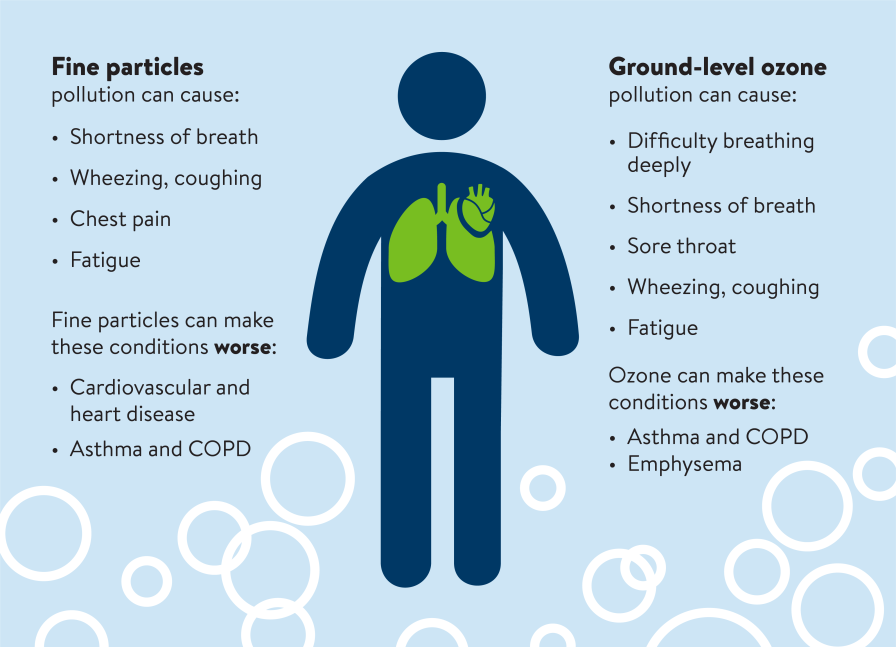
In simple terms, air quality describes how clean or polluted the air is. It is measured by the presence and concentration of pollutants such as particulate matter (PM2.5 and PM10), ozone (O3), nitrogen dioxide (NO2), sulfur dioxide (SO2), and carbon monoxide (CO). Good air quality means fewer harmful particles and gases in the air you breathe.
Common air pollutants and where they come from
Pollutants come from many sources — traffic, industry, wildfires, household heating, and even some types of cooking. Here are the most important ones to know:
- Particulate matter (PM): Tiny particles from combustion, dust, and smoke. PM2.5 can penetrate deep into the lungs.
- Ozone (O3): A reactive gas formed when sunlight reacts with vehicle and industrial emissions; it irritates the lungs.
- Nitrogen dioxide (NO2): Primarily from vehicles and power plants; linked to asthma and reduced lung function.
- Sulfur dioxide (SO2): Emitted by burning fossil fuels that contain sulfur; can worsen respiratory disease.
- Carbon monoxide (CO): From incomplete combustion — reduces oxygen delivery in the body.
How air quality affects your health
Exposure to poor air quality can cause immediate symptoms and contribute to long-term disease. The impact depends on pollutant type, concentration, exposure length, and your personal health.
Short-term (acute) effects
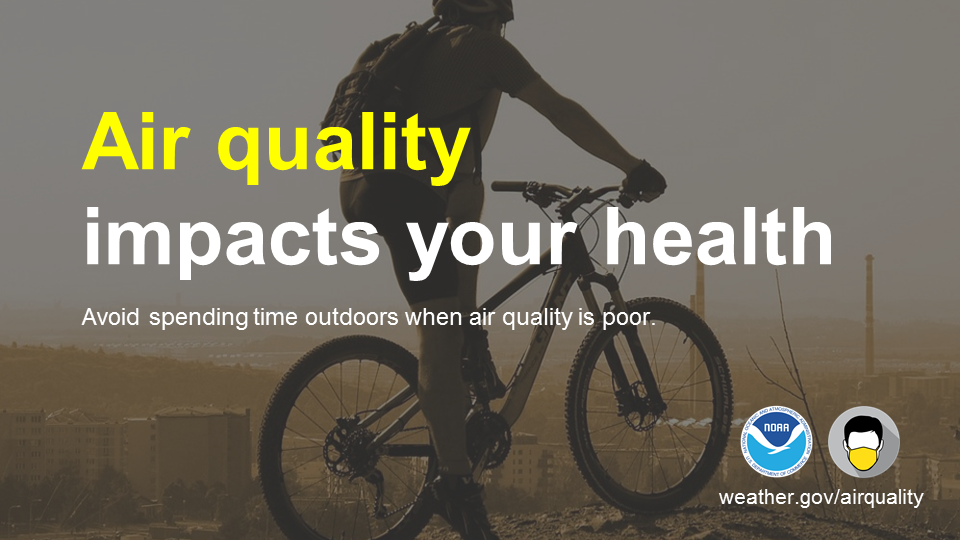
Short-term exposure to polluted air can cause:
- Eye, nose, and throat irritation
- Coughing, wheezing, and shortness of breath
- Chest tightness and increased asthma attacks
- Headaches, dizziness, or fatigue
These symptoms are often reversible if exposure drops and symptoms are treated early. The EPA provides summaries of decades of research that link pollutants like ozone and PM to increased lung and heart disease — helpful context when deciding how to reduce risk: EPA research on health effects.
Long-term (chronic) effects
Repeated or long-term exposure can lead to more serious outcomes, including:
- Chronic respiratory diseases (e.g., chronic bronchitis, reduced lung function)
- Cardiovascular disease and increased risk of heart attacks
- Stroke and higher overall mortality
- Worsened development in children and pregnancy complications
Global and national health agencies describe these risks in detail: the World Health Organization highlights that air pollution is a risk for all-cause mortality and specific diseases, and the National Institute of Environmental Health Sciences explains links to oxidative stress, inflammation, and chronic conditions: NIEHS on air pollution.

Who is most vulnerable?
While everyone breathes air, some people are at higher risk from poor air quality:
- Children and infants — lungs are still developing.
- Older adults — more likely to have heart and lung disease.
- People with asthma, COPD, or cardiovascular disease.
- Pregnant people — exposure can affect fetal development.
- Outdoor workers — increased exposure during high pollution days.
Indoor vs outdoor air: both matter
Many people assume indoor air is always safer, but indoor pollution can be significant. Cooking without ventilation, tobacco smoke, chemical cleaners, mold, pets, and poor ventilation all affect indoor air quality. Use exhaust fans, maintain HVAC filters, and avoid indoor smoking to reduce risks.
How to know the air quality where you live
Local air quality monitoring and indexes make it easier to know when to limit exposure. The Air Quality Index (AQI) translates pollutant data into simple categories like Good, Moderate, Unhealthy, and Very Unhealthy.
Tools like AirNow offer daily AQI forecasts and health guidance. If you experience symptoms — coughing, throat irritation, or chest tightness — during high AQI days, take protective steps immediately. The Minnesota Pollution Control Agency also explains how exposure can enter the bloodstream and cause coughing or other symptoms: air quality and health.
Practical steps to protect your health
Improving personal exposure is often the fastest way to reduce health effects. Try these practical steps:
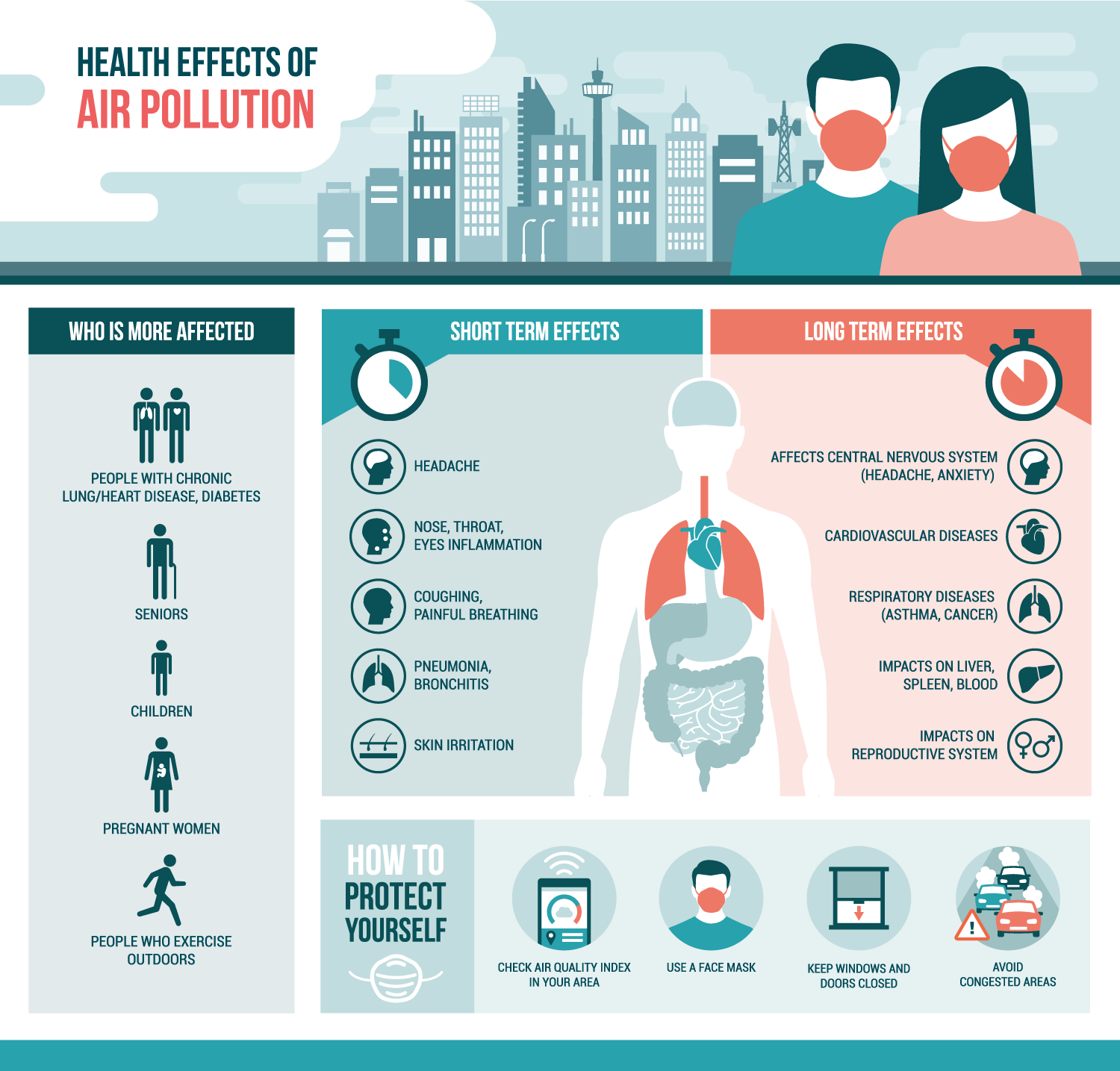
- Check the AQI daily: Limit outdoor exercise on high-pollution days.
- Use air cleaners: HEPA filters can reduce indoor particles.
- Ventilate when safe: Open windows when outdoor air is good; use exhaust fans when cooking.
- Avoid smoking indoors: Secondhand smoke greatly increases indoor pollution.
- Choose low-pollution travel: Walk or bike in less trafficked routes if possible; avoid heavy traffic corridors during peak times.
- Protect vulnerable people: Keep windows closed during wildfires or heavy pollution and follow medical advice for people with asthma or heart disease.

When to see a doctor
If you or a family member have persistent coughing, wheezing, chest pain, sudden shortness of breath, or severe asthma attacks, seek medical care. For ongoing concerns about pollution-related symptoms, your healthcare provider can help you manage risk and adjust treatment plans.
Community and policy solutions
Individual action helps, but lasting improvements require community and policy changes: cleaner transportation, stronger industrial controls, urban planning that reduces exposure, and climate action to reduce wildfire frequency. Agencies like the EPA summarize research showing how pollution ties to lung and heart disease and why regulation matters: EPA air research.
Understanding the evidence
Researchers have linked air pollution to disease through biological pathways like inflammation and oxidative stress. The National Institute of Environmental Health Sciences explains that exposure can provoke inflammation in cells and may lay the foundation for chronic disease: NIEHS overview.
Watch: How pollution affects your body
For a clear visual summary, watch this short explainer:
Tips for specific situations
During wildfire smoke
Wildfire smoke can spike PM2.5 to very dangerous levels. Stay indoors, run a HEPA air purifier, keep windows and doors closed, and avoid heavy physical activity. Follow local health advisories closely.
On high-ozone days
Ozone forms on hot, sunny days. Limit outdoor exercise in the afternoon and evening when ozone levels peak. Plan outdoor workouts for early morning when ozone is lower.
For parents and caregivers
Keep children with asthma on their prescribed medications, reduce outdoor play when AQI is poor, and improve ventilation at home. Schools and daycare facilities should follow local air quality guidance for outdoor activities.
Where to find reliable air quality information
Use official monitoring and health sites for clear guidance:
- AirNow — daily AQI and health tips.
- Minnesota Pollution Control Agency — explains exposure pathways and health effects.
- World Health Organization — global health impacts.
- EPA — decades of research on lungs and heart disease.
- NIEHS — biology behind pollution-related disease.
Key takeaways
- Air Quality matters: It influences both immediate symptoms and long-term health.
- Act on information: Check AQI, limit exposure on poor-air days, and protect vulnerable people.
- Combine personal and policy action: Use home measures and support community efforts for cleaner air.
For quick guidance on symptoms and protective steps, the AirNow resource lists common symptoms from particle exposure like eye irritation, coughing, phlegm, chest tightness, and shortness of breath: AirNow health guidance.
Learn more and stay involved
Understanding how air quality impacts your health helps you make safer choices every day. Track local AQI, take practical steps at home, and join community efforts for cleaner air.
Want more guides like this? Explore additional health and wellness guides on zenpulsehub.com and start making small changes that add up to healthier breathing.
Frequently Asked Questions
What is the easiest way to check air quality in my area?
Use official tools like AirNow or local environmental agency websites for daily AQI updates and health advice.
Can indoor air be more polluted than outdoor air?
Yes. Indoor sources such as tobacco smoke, cooking, mold, and poor ventilation can raise indoor pollutant levels. Proper ventilation and HEPA filtration help reduce indoor pollution.
How can I protect children during high pollution days?
Keep kids indoors during high-AQI periods, use air purifiers, avoid strenuous outdoor activity, and follow asthma action plans if applicable.
Are masks helpful against air pollution?
Well-fitting N95 or equivalent respirators can reduce inhalation of fine particles (PM2.5). Surgical or cloth masks are less effective for fine particle filtration.