
How to Use Data for Personal Growth
How to Use Data for Personal Growth starts with a single habit: paying attention. If you want steady improvement—at work, in fitness, or in daily routines—data gives you a clear map. This guide shows practical, friendly steps to collect, interpret, and act on your personal data so growth becomes predictable and repeatable.

Why personal data matters
People talk about big data and dashboards, but personal data is simpler and more actionable. Your steps, sleep, task completion rate, mood notes, study hours, or code commits are all signals. When you learn to read those signals, you discover patterns: what helps you focus, when you procrastinate, and which habits produce results.
What counts as personal data?
- Quantitative: step counts, hours slept, calories, time spent on tasks.
- Qualitative: journal entries, mood tags, notes after meetings.
- Contextual: calendar events, locations, deadlines.
How to Use Data for Personal Growth: a step-by-step plan
Follow this simple framework to turn raw information into meaningful change.
1. Define a clear goal
First, pick one measurable outcome. Examples: “increase weekly focused work hours by 30%” or “sleep 7+ hours 5 nights a week.” A clear target makes data useful.
2. Choose your signals
Select 2–4 metrics that reflect progress toward your goal. Don’t overload yourself—less is more. If you want to build muscle, track gym sessions, average load, and protein intake. For career growth, track time on learning, new responsibilities, and feedback scores.
3. Capture data consistently
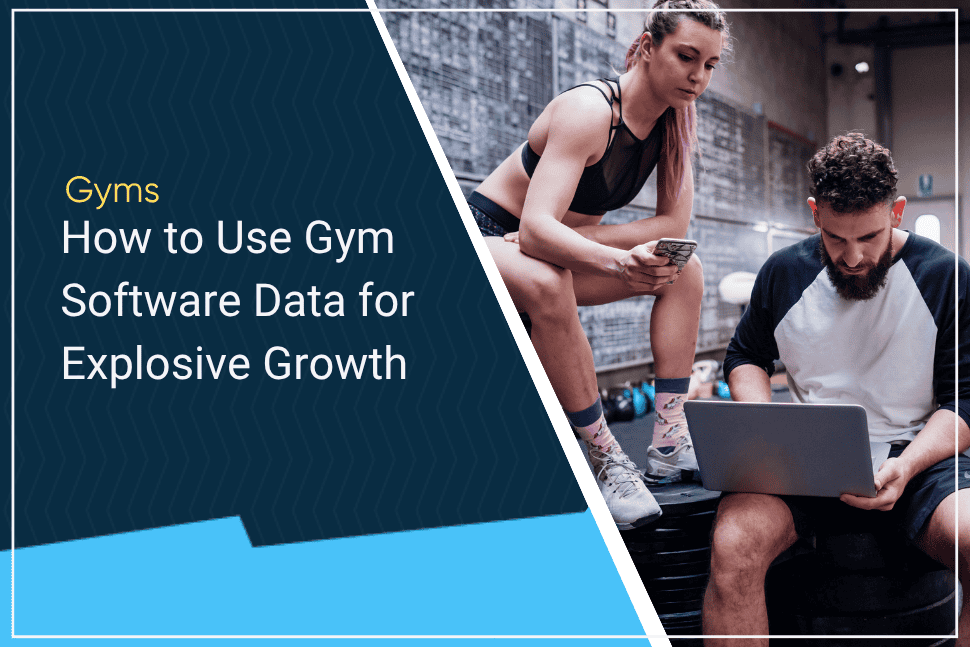
Make tracking automatic when possible. Use a phone app for steps or sleep, a simple spreadsheet for learning hours, or habit trackers for routines. The more automatic, the more reliable your dataset will be.
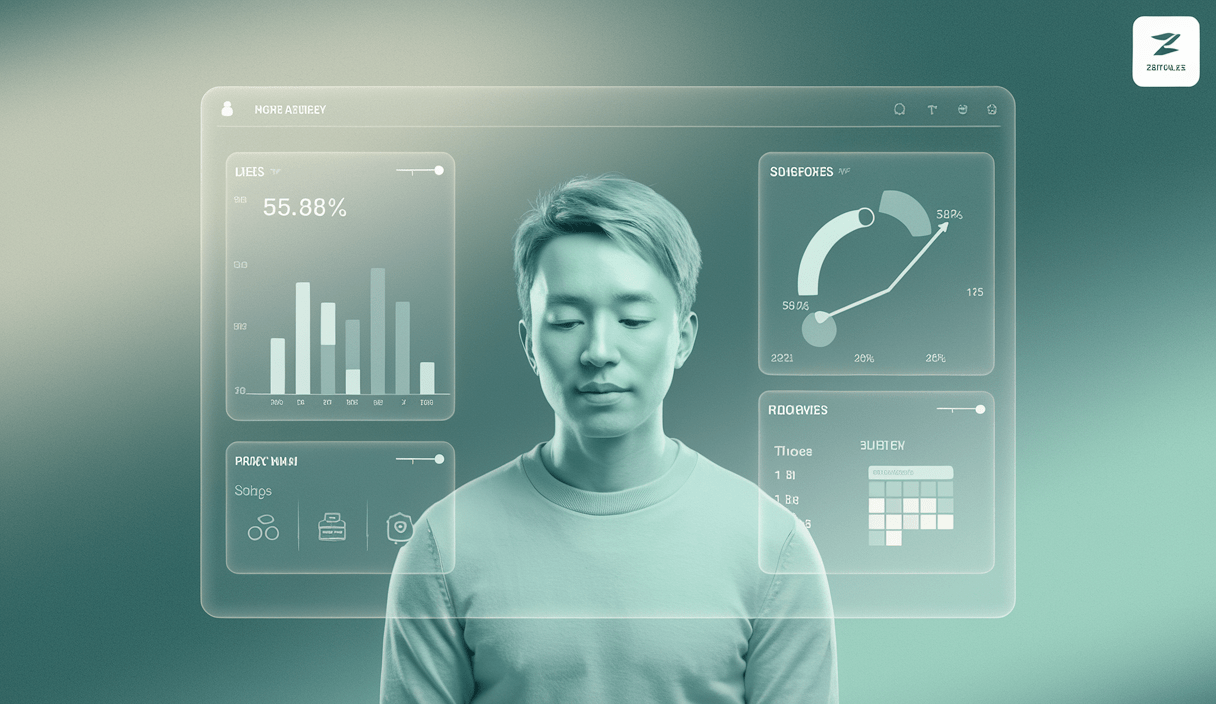
4. Visualize trends
Weekly charts reveal what daily numbers hide. Plot moving averages and simple charts to spot improvements or plateaus. Visualization turns noise into signals.
5. Run tiny experiments
Change one variable, measure two weeks, and compare. For example, try 25-minute focus blocks vs. 50-minute blocks, or swap evening screens for a reading ritual. Use the data to decide which habit to keep.
6. Review and adapt
Schedule a weekly check-in. Ask: What improved? What didn’t? Which barriers appear repeatedly? Create an action plan for the next week and iterate.
Practical tools and sources
Tools help you collect and analyze without friction. Use the right tool for the signal you need.
- Fitness: wearable stats (steps, HRV, sleep) and nutrition logs.
- Productivity: time trackers, task completion rates, calendar heatmaps.
- Learning & career: course completion, coding commits, feedback notes.
For a structured approach to workplace development using data, People360 has a great post on using data to foster career growth and match employees with mentors. Their examples highlight how data helps identify skills gaps and create personalized plans — a good read for managers and individuals alike: People360: How to use data to foster personal growth and career development.
Quick examples: applying the method
Example A — Getting fitter
Goal: Run a 10K in under 50 minutes in three months.
- Track: weekly mileage, interval pace, sleep, and soreness notes.
- Experiment: add one interval session per week and compare pace improvements over four weeks.
- Adjust: increase recovery if sleep drops or soreness accumulates.
Example B — Career skill growth
Goal: Move into a senior role within 12 months.
- Track: time spent learning new frameworks, feedback from peers, responsibilities taken.
- Use mentors: match skills gaps with mentor advice and measure improvement. See People360 for ideas on mentorship and matching using data.
- Iterate: prioritize projects that give stretch responsibilities with measurable outcomes.

Common pitfalls and how to avoid them
Using personal data is powerful, but there are traps. Watch for these.
- Too many metrics: Focus on the few that actually move the needle.
- Analysis paralysis: Data should inform action, not replace it.
- Bands of normal variation: Week-to-week swings are normal—use averages and trends.
- Privacy overshare: Be selective about what you store online and read privacy policies for apps you use. Campus and organizational programs often publish how they use data—see this example from a leadership center for how institutions handle personal data: Lake Forest Gates Center for Leadership and Personal Growth.
Data-driven habits that really stick
The trick is to combine small wins with reliable tracking. Here are habits that help data deliver growth:
- Daily micro-logs: 30 seconds to note one win and one block to improve.
- Weekly review: a 15–30 minute session to view charts and plan experiments.
- Public accountability: share goals with a friend or mentor and log progress.
If you want a practical example of using underused personal data—like workouts, sleep, and nutrition—to build muscle and optimize routines, check out this series on Medium that walks through using your own data to grow: Data Science for Personal Growth — build muscle with your data (Feb 4, 2024).

Ethics, privacy, and healthy distance
Tracking is empowering but carries responsibility. Be mindful of what you collect and where you store it. If you use third-party services, read privacy statements and limit sensitive data. There’s a growing conversation about responsible data use in SaaS and personal tools—consider what you share and why.
Learn more resources
Books and curated lists can speed your learning. For recommended personal-growth books and summaries, DivByZero provides a helpful list that pairs behavior change with reading: DivByZero: Personal growth books.
Embedded video: Practical tips
How to use personal data to grow (video)
Measuring impact: what success looks like
Success is a steady nudge toward your target. Use these signs to know you’re on the right track:
- Metrics move in the desired direction for >4 weeks.
- You feel less reactive and more deliberate in your routines.
- Small experiments yield clear winners you can keep.
Scientific backing
Behavioral science shows that measurement increases the chance of behavior change. Classic research methods guide how to compare groups and interpret results—techniques like t-tests and clear significance thresholds help when you advance from basic tracking to formal experiments. For a deeper read on study analysis and statistical standards, the National Center for Biotechnology Information offers foundational research methods guidance: Research methods & statistical basics.
Final checklist to get started today
- Write one specific growth goal now.
- Pick 2–4 metrics that reflect that goal.
- Choose tools and automate data capture where possible.
- Set a weekly review on your calendar.
- Run one two-week experiment and measure the result.
How to Use Data for Personal Growth isn’t about obsession. It’s about curiosity and consistent action. Keep tracking, keep experimenting, and let small wins compound.
Next steps: try a two-week experiment and log one change. You’ll learn more in 14 days than from months of guesswork.
Want more guides like this? Explore additional posts and practical toolkits at zenpulsehub.com to keep your momentum going.
Frequently Asked Questions
How quickly will tracking show results?
Expect to see trends within 2–6 weeks. Short experiments (1–2 weeks) reveal immediate effects, but consistent gains are clearer over monthly trends.
What is the minimum data I should collect?
Start with 2–4 metrics tied to your goal. Too many metrics dilute focus. Keep it simple: one outcome metric and 1–3 process metrics.
Is privacy a big concern for personal tracking?
Yes. Use local storage or trusted apps, read privacy policies, and avoid sharing sensitive logs publicly. For organizational programs, review their privacy statements like the Lake Forest example above.
Can data help with career advancement?
Absolutely. Tracking learning hours, feedback trends, and responsibilities can identify skill gaps. Tools and processes used by companies—such as the People360 approach—help turn that data into development plans and mentor matches.