
Aromatherapy Affects Mood and Focus
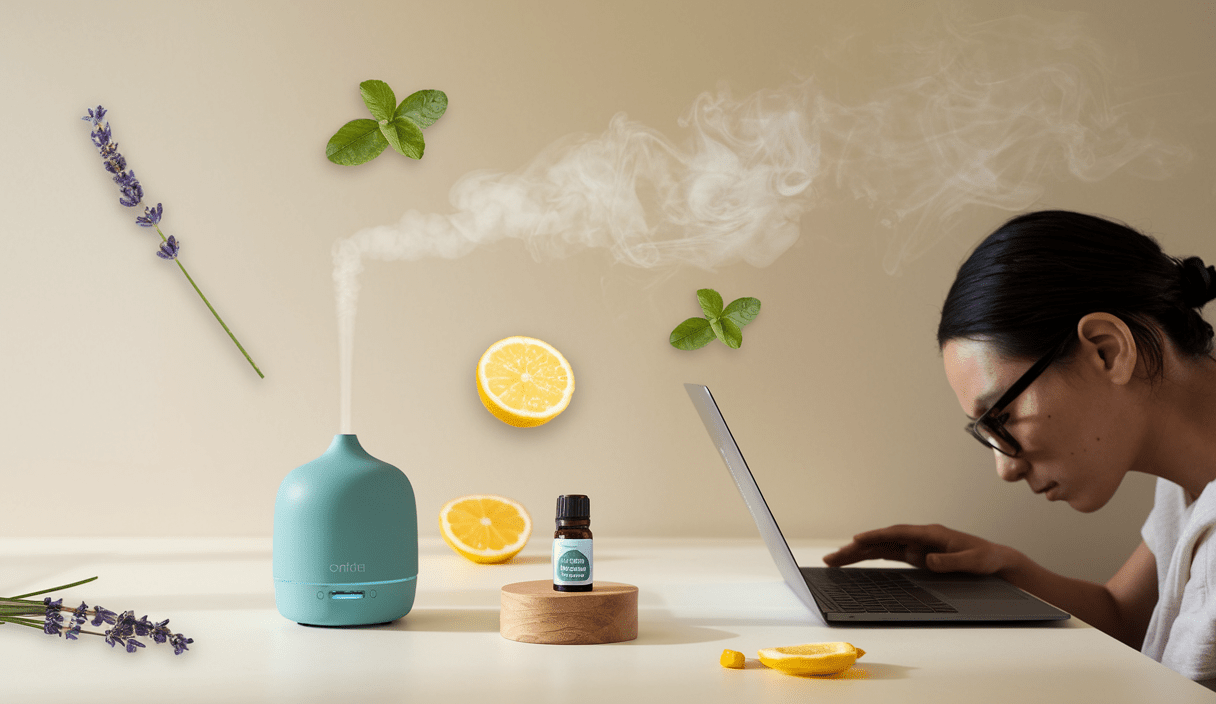
Aromatherapy Affects Mood and Focus more than many people realize. When you inhale a scent, tiny molecules travel to brain regions that shape emotion, attention, and memory. This guide explains how aromatherapy can lift mood, sharpen focus, and become a simple tool in your daily wellness kit.
Aromatherapy Affects Mood and Focus: The Basics
Scent is a fast and direct line into the brain. When odor molecules hit receptors in the nose, signals travel to the olfactory bulb and then to areas like the amygdala and hippocampus. These regions control emotion and memory. In short, a smell can trigger a calm feeling or a burst of energy in seconds.
Why scents feel powerful
There are three simple reasons scents influence how you feel:
- Direct brain access: Smell pathways connect to emotion centers quickly.
- Learned associations: A fragrance can recall a pleasant memory.
- Physiological effects: Some oils change heart rate or alertness.
How scent travels to your brain
When you inhale essential oil molecules, they bind to receptors in the nose. From there, signals move to the olfactory bulb and spread to brain areas that govern mood and attention. Research shows these signals can change brainwave patterns and even improve math performance and alertness in short-term tests (see linked studies below).
One mechanism being studied is the vagus nerve. Recent reviews suggest the vagus nerve may relay scent information to brain regions involved in mood, motivation, and arousal — helping explain why certain smells can feel uplifting or calming (Wiley review on vagus nerve and essential oils).
What the science says
Controlled studies and reviews have found that aromatherapy can influence mood and cognitive functions. A review of essential oil effects on the central nervous system notes mental health benefits and calls for more research into mechanisms and dosing (PMC review on essential oils and CNS).
Other research shows aromatherapy can change EEG patterns related to alertness and improve short-term task performance. For example, low concentrations of certain odors were linked to improved attention and math task performance (PMC study on odors, EEG, and behavior).
Takeaway from the evidence
- Aromatherapy often improves mood and perceived relaxation.
- Some scents can heighten alertness and focus for short periods.
- Effects vary by person, concentration, and context.
Best essential oils for mood and focus
Different oils have different reputations. Below are commonly used oils and how people use them.
- Lavender: Calming, good for stress, and sleep support.
- Rosemary: Often used to increase alertness and memory.
- Lemon & Citrus: Uplifting, improves mood and energy.
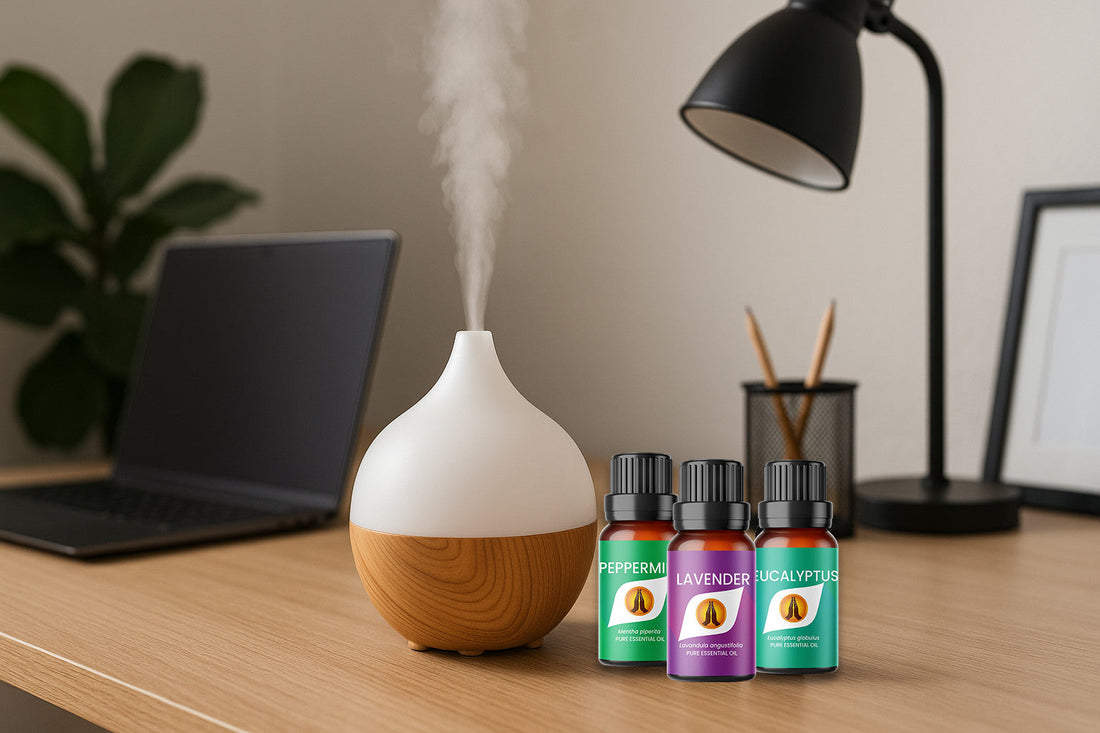
- Peppermint: Stimulating, helps with attention and focus.
- Ginseng blends: Used for vitality — see ideas for use below (source: Instagram share on ginseng blends).
For a practical list of mood-boosting oils and how people use them day-to-day, Everyday Health provides a straightforward guide that explains the basic theory of scent molecules traveling through the olfactory system (Everyday Health: Mood-boosting essential oils).
How to use aromatherapy to boost focus
Here are simple, safe ways to use scent to sharpen attention without overwhelming your senses.
- Diffuser bursts: Run a diffuser for 15–30 minutes during a focused work session.
- Personal inhaler: Use a small inhaler or roller near your wrist or nose for quick inhalations.
- Room spray: A light spray before studying can freshen the air and cue alertness.
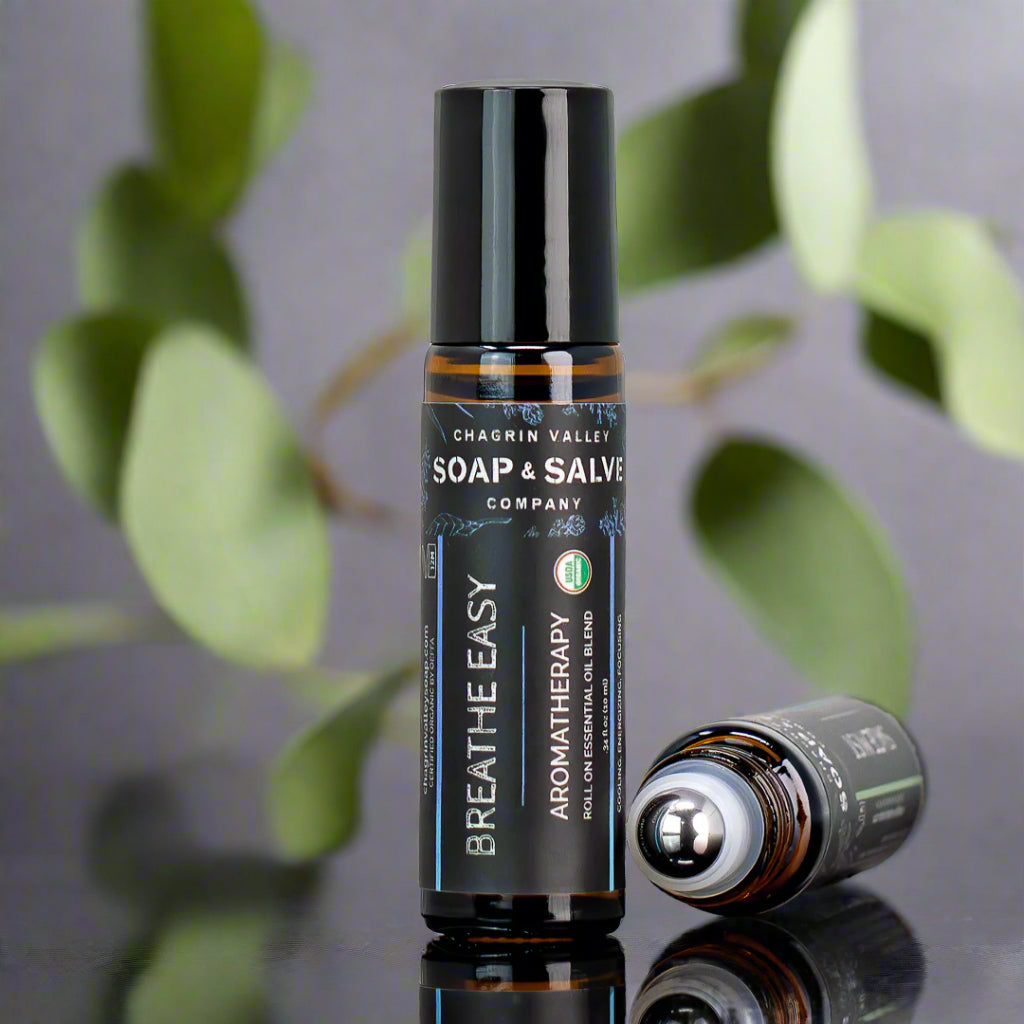
- Nasal or stick inhalers: Products like a citrus nasal diffuser or essential oil roll-on can be kept at your desk for short boosts (see product examples below).
Quick routine to try
Follow this 30-minute routine to test how scent affects your focus:
- Pick a stimulating oil (peppermint or rosemary).
- Diffuse for 10–15 minutes before starting a 25-minute focused work block.
- Take two slow, mindful breaths of the scent at the start of the block.
- If attention dips, take another 1–2 minute scent break.
Safety, dilution, and etiquette
Aromatherapy is generally safe, but there are a few important rules. Always dilute essential oils for skin use and test for sensitivity. Use low concentrations in shared spaces, as diffusion can affect others differently. Johns Hopkins Medicine has a practical overview on aromatherapy and notes when to be cautious (Johns Hopkins Medicine: Aromatherapy basics and safety).
Quick safety checklist:
- Dilute oils for topical use (carrier oil at 1–3% for most adults).
- Use short diffusion intervals and ventilate the room.
- Avoid strong diffusion around pregnant people, infants, or pets without vet/doctor advice.
- Stop use if you feel dizzy, nauseous, or have breathing trouble.

Products and practical picks
Not sure where to start? Try these approachable formats:
- Diffusers — Great for home offices and common rooms.
- Roll-ons — Portable and pre-diluted for skin application.
- Nasal diffusers — Targeted smell with little room impact.
- Inhaler sticks — Good for quick, focused inhalations during study.
Remember: diffusion in a public area or household with multiple members can affect people differently. Keep communication open and choose mild, non-intrusive scents when sharing airspace (study noting diffusion effects and EEG findings).
Real-world tips for lasting benefit
To get reliable results from aromatherapy, be consistent and pay attention to context.
- Use the same scent for similar tasks: This builds a mental cue so the scent triggers a focused state.
- Keep sessions short: 10–30 minutes avoids desensitization.
- Combine with habit tools: Pair scent with music, a to-do list, or the Pomodoro method.
Mechanisms: why smells can change mood
Scientists point to olfactory pathways, learned memory links, and even vagus nerve signaling as ways scent can change mood and focus. Detailed reviews explain how essential oil molecules may affect brain chemistry and mental health markers (PMC review on essential oils and mental health).
Looking ahead
As research grows, we’ll learn better dosing, which oils work best for specific conditions, and how aromatherapy might complement other therapies for anxiety, depression, or attention challenges.
Practical experiment: try this at home
Test whether scent helps your focus with a short self-experiment:
- Choose one scent to test (peppermint for focus or lemon for uplift).
- Work on a 25-minute task once without scent and once with a 10-minute diffuser session beforehand.
- Note perceived focus, time to task completion, and mood after each session.
Record results for a week. You may find consistent improvements, or you may learn a scent simply helps with transition into work. Either way, you’ll understand how aromatherapy affects your routine.
Final notes and resources
For balanced, evidence-based reading, check these resources we referenced:
- Effects of essential oils on central nervous system: Focus on mental health — a scientific review.
- Johns Hopkins Medicine overview — practical safety guidance.
- Research on odors, EEG, and behavior — lab studies of scent and alertness.
- Wiley article on vagus nerve links — possible biological pathways.
- Everyday Health guide — approachable tips for mood-boosting oils.
Key takeaway: Aromatherapy Affects Mood and Focus in measurable and personal ways. It’s low-cost, easy to try, and can be tuned to your needs. Start small, use safe dilutions, and note what works for you.
Want more practical guides? Explore our library at zenpulsehub.com for step-by-step routines, scent pairings, and product recommendations to help you bring calm and focus into daily life.
Can aromatherapy really improve my focus?
Yes — many studies show certain scents like peppermint and rosemary can increase alertness and improve short-term cognitive performance. Effects vary by person and situation, so try short, controlled sessions to see how it works for you.
How long should I diffuse essential oils for a focus boost?
Short bursts are best. Try 10–30 minutes during work blocks. Longer exposure can reduce effectiveness and cause irritation, especially in shared spaces.
Are essential oils safe around pets and children?
Use caution. Some oils can be harmful to pets or sensitive individuals. Consult a vet for pet safety and a healthcare provider for pregnant people and infants. Keep diffusion gentle and well-ventilated.
Where can I read more scientific studies on aromatherapy?
Good starting points include peer-reviewed reviews and clinical summaries. See the PMC review on essential oils and the Johns Hopkins Medicine overview linked above for accessible scientific guidance.