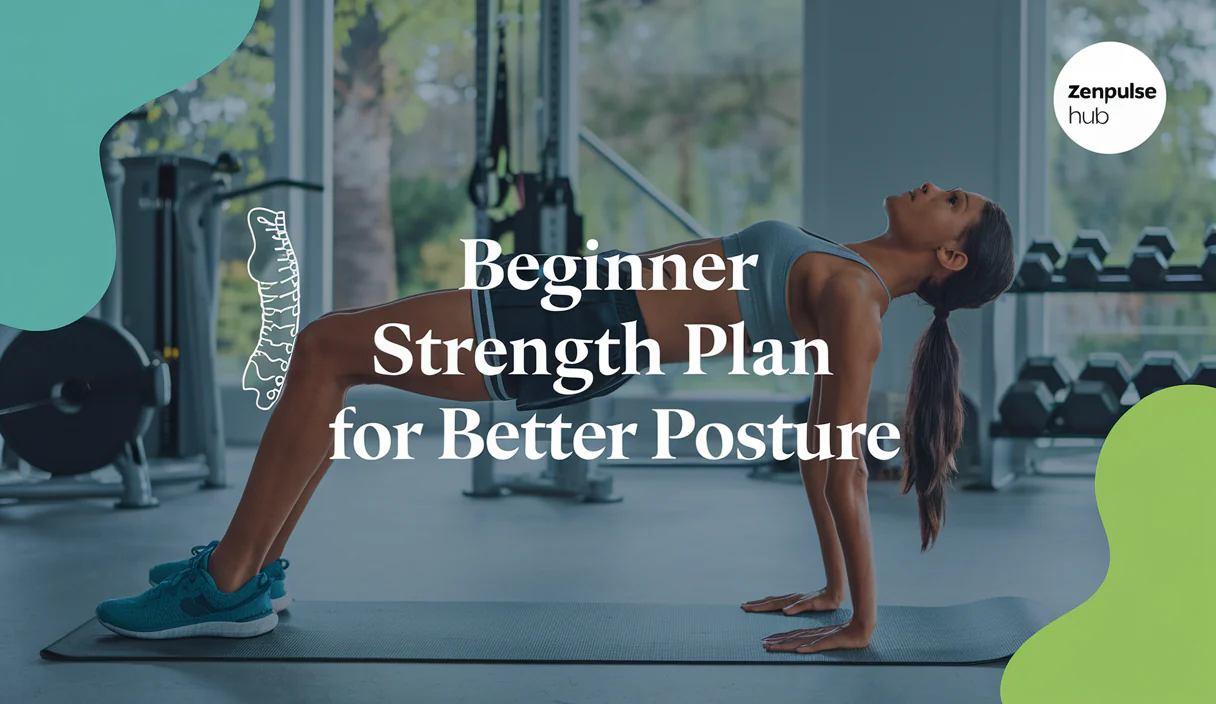

Beginner Strength Plan for Better Posture
Beginner Strength Plan for Better Posture is an easy-to-follow program that helps you build the core and back strength needed to stand taller, move with less pain, and feel confident. This guide walks you through why strength matters for posture, the key exercises to start with, a simple weekly plan, and safety tips so beginners can build progress slowly and sustainably.
Why strength matters for posture
Good posture comes from balance: a stable spine, strong shoulder muscles, and a firm core. When those muscles are weak, the body compensates, and over time you may get rounded shoulders, forward head posture, and low back pain. A targeted strength plan corrects these tendencies by building the exact muscles that support the spine.
What this beginner strength plan does
This plan focuses on practical, low-risk moves to build functional strength. Expect improved shoulder stability, better hip control, and a stronger core. The program uses bodyweight and light resistance so it’s friendly for people aged 20–45 who are new to consistent strength work.
Who this is for
- Beginners or return-to-fitness exercisers
- People with mild posture issues from desk work
- Anyone wanting a simple plan to build steady strength
Core principles
- Start light: Form over load. Master movement before adding weight.
- Consistency beats intensity: Short, regular sessions work best.
- Balance push and pull: Many people overtrain chest and neglect back muscles. Re-balance your routine.
- Progress gradually: Increase reps, sets, or weight every 1–2 weeks.
Equipment you can use
You only need a few simple items. If you don’t have them, bodyweight versions are fine.
- Resistance band (light-medium)
- Pair of dumbbells (5–10 lb to start)
- Stability ball or chair
- Yoga mat

Warm-up (5-8 minutes)
Start each session with a short warm-up to prime your muscles and joints.
- Arm circles: 30 seconds each direction
- Cat-cow spinal mobility: 8–12 reps
- Hip hinges (bodyweight): 10 reps to practice the hip-hinge pattern
Main exercises (form-first)
Below are the core moves in this Beginner Strength Plan for Better Posture. Aim for correct form and a slow, controlled tempo.
1. Dead Bug (core + anti-extension)
Lie on your back, arms up, knees bent. Slowly lower one arm and the opposite leg until just above the floor, then return. Keep your low back pressed into the floor.
Sets/Reps: 3 sets of 8–12 reps per side.
2. Bird Dog (spinal stability)
From all-fours, extend the opposite arm and leg while keeping the torso stable. Pause, then return. Focus on a steady spine.
Sets/Reps: 3 sets of 8–10 per side.
3. Glute Bridge (posterior chain)
Lying on your back with knees bent, lift hips until your shoulders to knees form a straight line. Squeeze glutes at the top.
Sets/Reps: 3 sets of 12–15 reps. Progress to single-leg bridge as strength improves.
4. Resistance Band Seated Row (upper back pull)
Sit tall, loop a band around your feet, and pull elbows back, squeezing shoulder blades together.
Sets/Reps: 3 sets of 10–12 reps.
5. Wall Angels (shoulder mobility + scapular control)
Stand with your back against a wall, arms in a “W”. Slide arms up to “Y” keeping contact with the wall. This helps reverse rounded shoulders.
Sets/Reps: 3 sets of 8–10 slow reps.
6. Farmer’s Carry (core + posture endurance)
Hold a dumbbell or kettlebell in each hand and walk 30–60 seconds with a tall posture. Keep shoulders back and core braced.
Sets/Reps: 3 carries of 30–60 seconds.
7. Reverse Fly (rear delts and upper back)
With light dumbbells, hinge at the hips and lift arms out to the side, squeezing your shoulder blades together.
Sets/Reps: 3 sets of 10–12 reps.
8. Plank (anti-flexion core)
Hold a strong plank on forearms or hands, keeping a straight line from head to heels. Avoid sagging hips.
Sets/Reps: 3 sets of 20–60 seconds depending on ability.

Sample 8-week progression
This plan follows progressive overload so your strength and posture improve steadily.
- Weeks 1-2: Learn form. Use bodyweight/light bands. 2 sessions/week.
- Weeks 3-4: Increase sets or reps slightly. Add light dumbbells. 2–3 sessions/week.
- Weeks 5-6: Add one more exercise (farmer’s carry or reverse fly). 3 sessions/week.
- Weeks 7-8: Increase load or time under tension. Test a 60-second plank or heavier carry. 3 sessions/week.
Weekly plan (easy-to-follow)
Here’s a simple weekly layout that fits busy schedules.
- Monday: Strength session A (Dead Bug, Glute Bridge, Band Row, Plank)
- Wednesday: Mobility + light cardio (20 min walk + wall angels and cat-cow)
- Friday: Strength session B (Bird Dog, Reverse Fly, Farmer’s Carry, Plank)
Mobility and cool-down
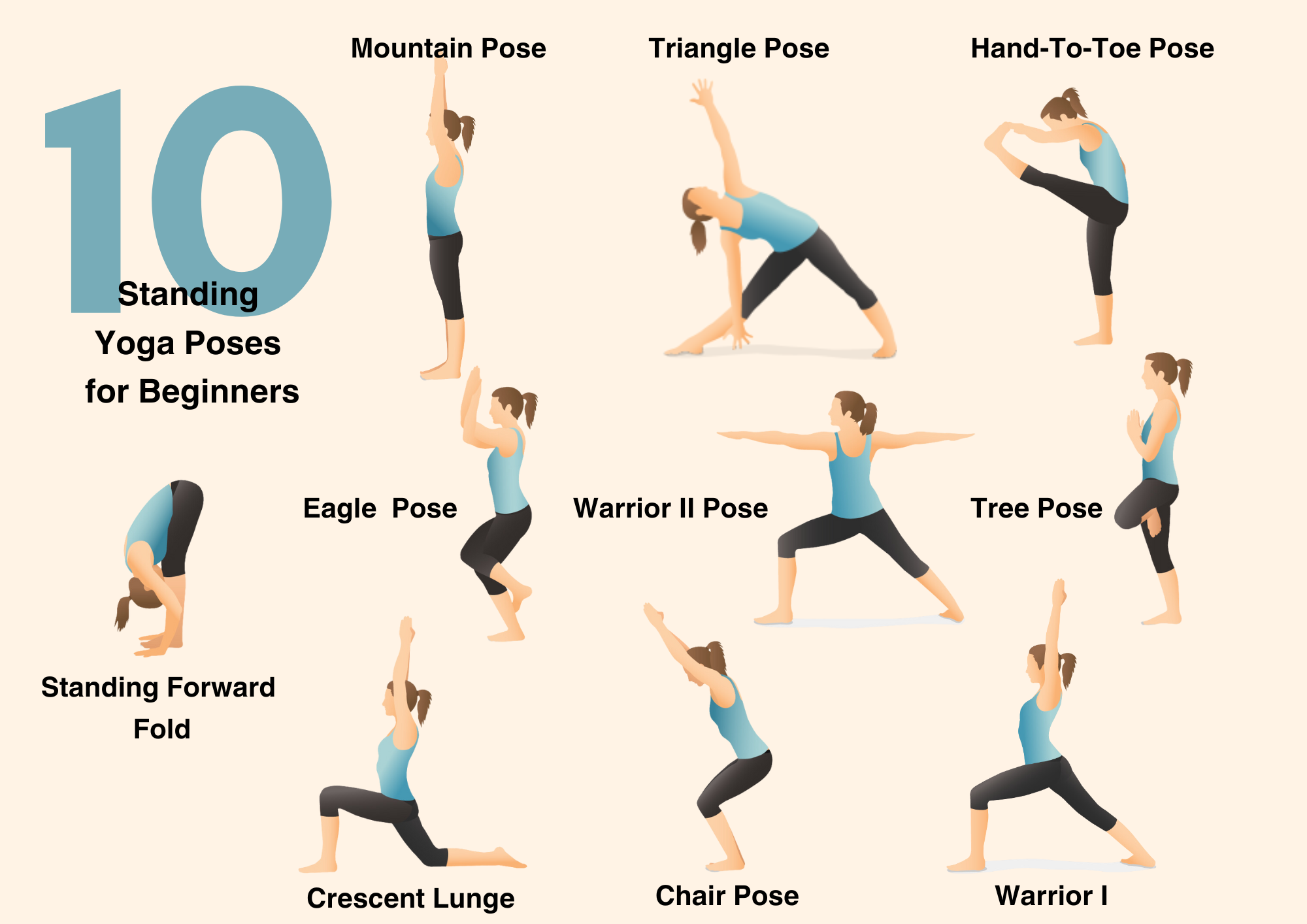
End each session with gentle stretches to maintain range of motion.
- Chest opener on a doorway: 30 seconds each side
- Hip flexor stretch: 30 seconds each side
- Child’s pose: 30–60 seconds
Safety tips
- Listen to pain signals: Mild muscle soreness is normal; sharp pain is not.
- Breathe: Exhale during exertion, inhale during release.
- Keep spine neutral: Especially during bridges, planks, and carries.
- Seek professional advice: If you have a history of back issues or recent injury, consult a health professional.
How to track progress
Use simple measures to see improvement over time.
- Record reps, sets, and weights in a journal or phone app.
- Take weekly posture photos from the side to notice subtle changes.
- Note decreases in pain or fatigue during daily activities.
Further reading and resources
Want to dig deeper? These resources are excellent for posture-focused exercises and beginner strength plans:
- Healthline: Posture Exercises — explains isometric pulls and chair-based moves for shoulder and back strength.
- Planet Fitness: Beginner Workout Plan — a simple first-week gym routine to build strength and endurance.
- Everyday Health: Weight Lifts That Improve Posture — highlights key weightlifting moves like farmer’s carry and seated rows for posture.
- NYTimes: Pilates Exercises for Better Posture — routines to support spinal mobility and pelvic stability.
- YouFit: Getting Stronger for Beginners — sample beginner strength workouts and posture benefits.
Common mistakes to avoid
- Rushing form to lift heavier weight.
- Neglecting posterior chain (glutes and upper back).
- Holding breath during exertion.
- Expecting overnight changes — posture improves gradually.
Video demonstration
Follow along with this short routine to see form and tempo cues:
Tips to make it stick
Small habits make big differences over months. Try these behavioral tips:
- Schedule workouts like appointments — consistency is key.
- Pair sessions with an existing habit (e.g., after morning coffee).
- Keep equipment visible and accessible at home.
- Celebrate small wins: more reps, better posture in photos.

How this plan improves daily life
As you build strength with this Beginner Strength Plan for Better Posture, you’ll notice less slouching, less fatigue when standing, and easier movement during everyday tasks like lifting groceries or playing with kids. Strong posture also contributes to better breathing and confidence.
When to see a professional
If you have ongoing sharp pain, numbness, or neurological symptoms, stop exercising and consult a healthcare professional before continuing. A physical therapist can tailor exercises to your specific needs.
Closing thoughts
Building posture takes time, but a focused strength plan makes the path clear. Follow the program, prioritize form, and progress steadily. The benefits will show up in how you feel and move each day.
Frequently Asked Questions
How often should a beginner follow this plan?
Start with 2 sessions per week for the first two weeks to learn form, then progress to 3 sessions per week by weeks 3–4. Consistency matters more than daily intensity.
Can I do these exercises at home without equipment?
Yes. Many moves use bodyweight or bands. Substitute light household items for dumbbells and use a chair or wall for supported versions.
How soon will I see posture improvements?
Some people feel reduced stiffness within 2–4 weeks, but visible posture changes often take 6–8 weeks with consistent practice.
Are there quick posture fixes for desk workers?
Short posture breaks every 30–60 minutes, brief standing walks, and performing a few wall angels or band rows each day can reduce the negative effects of prolonged sitting.
Ready to start? Try this plan for 8 weeks, track your progress, and notice how strength changes your posture and daily comfort. For more guides, routines, and posture tips, explore more at zenpulsehub.com.