

Posture Q&A: Answers to Common Problems
Posture Q&A — this guide answers the most common posture problems you see every day and gives practical, easy-to-follow fixes. Whether you sit at a desk, care for kids, or train in the gym, better posture improves comfort, energy, and confidence.
Why posture matters (and how this Posture Q&A helps)
Poor posture adds strain to your muscles and joints and can lead to persistent pain. This Posture Q&A answers real problems with simple solutions: quick posture checks, targeted moves, ergonomic tips, and signs when you should see a professional.
What you’ll get from this guide
- Clear explanations of common posture problems
- Step-by-step corrections you can try today
- Easy routines for desk workers, parents, and active people
- Links to trusted external resources for deeper reading
Common posture problems — quick answers
Below are frequent posture complaints and short, practical fixes. These are the most asked items in typical posture Q&A sessions.
Rounded shoulders and forward head
Problem: Your ears sit in front of your shoulders, and the upper back rounds. This is common with long hours at a screen.
Quick fix: Sit tall, draw your shoulders back and down, and perform chin tucks (gently glide your head straight back). Try 3 sets of 10 chin tucks daily and shoulder blade squeezes for 30 seconds each.
Lower back pain from slouching
Problem: Slouching seats compress the lower back and irritates discs and muscles.
Quick fix: Use lumbar support (a small rolled towel works), sit with knees slightly lower than hips, and stand up every 30–45 minutes to move for two minutes.
Tight hip flexors and anterior pelvic tilt
Problem: Prolonged sitting shortens hip flexors and can tip the pelvis forward, creating an exaggerated lower back curve.
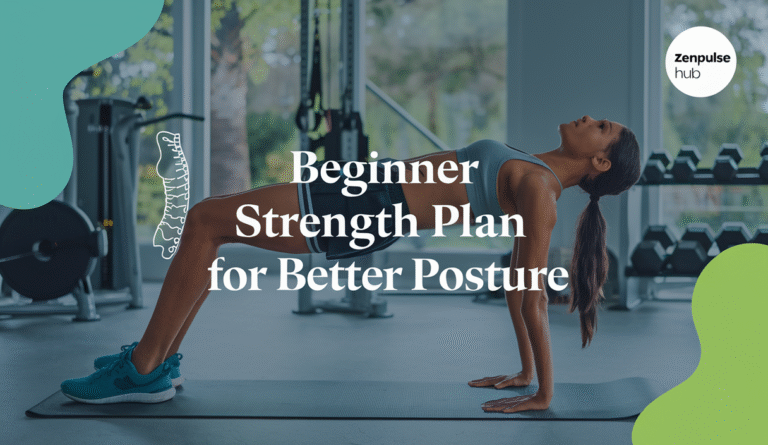
Quick fix: Stretch the hip flexors (kneeling lunge stretch) and strengthen glutes with bridges. Aim for short mobility sessions daily.
Practical posture routines
Use these short routines to fix common problems. Each one takes 5–10 minutes and can be done at home or at work.
Desk reset (5 minutes)
- Reposition monitor so the top of the screen is at eye level.
- Feet flat on the floor, knees at about 90 degrees.
- Perform 10 chin tucks, 10 shoulder squeezes, and a 60-second standing stretch.
Morning posture routine (10 minutes)
- 5 minutes of foam rolling upper back
- 3 sets of 10 glute bridges
- Hip flexor stretch, 2 minutes per side
Ergonomics: small changes, big difference
Good ergonomics remove repeated strain. Try these simple adjustments:
- Use a chair with lumbar support or add a pillow.
- Align keyboard and mouse so elbows stay close to your sides.
- Place monitor straight ahead to avoid neck rotation.
When to see a professional
If pain is severe, lasts more than a few weeks, or causes numbness/weakness, see a clinician. Primary care and family physicians often guide initial care — see resources like the American Academy of Family Physicians for community-based management of related issues (AAFP: Managing common problems).
Common questions people ask in posture Q&A sessions
Below are the most frequent questions and straightforward answers—you can use these at home or share them with friends.
How quickly will my posture improve?
Short answer: you can feel small improvements in days, but lasting change takes weeks. Consistency with daily movements and posture checks matters most. Work on posture cues and mobility at least 4–5 times per week.
Will exercises alone fix my posture?
Exercises help, but you also need to change daily habits: workstation setup, breaks, and sleep position. Think of exercises as corrective input and ergonomics as environmental support.
Are there posture myths to ignore?
Yes. For example, the myth that you must always sit perfectly straight is unhelpful—movement and variation are more important. Also, posture is not only about looks; it’s about function and pain prevention.
Special situations: parents, remote workers, and athletes
Different lifestyles bring different posture challenges. Here are targeted tips.
Parents and caregivers
Lifting and carrying children strains the back. Use these tips:
- Bend at the knees, not the waist.
- Keep the child close to your body.
- Switch sides when carrying and use supportive footwear.
Remote workers
Make a mini-ergonomic checklist: monitor height, seat support, and a break timer. For interview-style preparation and work-readiness, resources like the LinkedIn article on common interview questions can help with posture and presence during calls (LinkedIn: 27 most common interview questions).
Athletes
Strength training should include posterior chain exercises (deadlifts, rows, glute work) to balance forward-dominant activities. Short mobility before workouts and targeted stretching after helps maintain neutral alignment.
Everyday posture hacks
Small cues and routines make posture change painless. Try these:
- Set a phone reminder every 30 minutes to check posture.
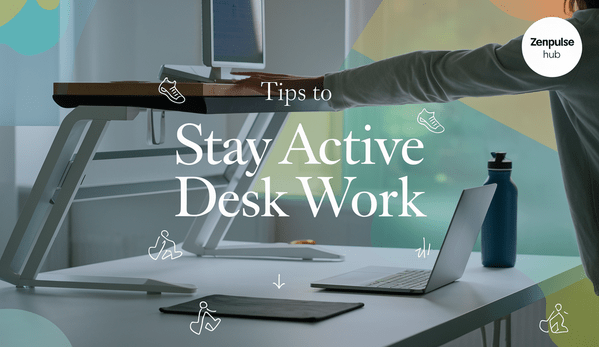
- Use a standing meeting or walk-and-talk to break up sitting time.
- Place your water bottle far from the desk so you have to stand to refill it.
Tools and apps that help
There are many apps and trackers to remind you to move and log posture. If an app misbehaves, check community posts for fixes or troubleshooting — users often post solutions on social platforms like Reddit and Facebook (for example, troubleshooting threads on Reddit can be helpful for app-specific issues) (Reddit: user experiences and questions).
When posture questions become medical questions
If you have wounds, recent trauma, or signs of nerve compression (tingling, weakness), seek immediate care. For non-urgent but persistent concerns, a primary care visit or a physical therapist consult often helps; many colleges and career sites also provide advice on communicating health or work restrictions during interviews and jobs, which can be helpful if posture affects your work duties (NovoResume: interview question guidance).
Real-life posture Q&A: common questions answered
Here are specific questions people bring to posture Q&A sessions and direct answers you can try now.
Is standing better than sitting?
Both have pros and cons. Standing reduces the strain of slouching but can add calf and lower back fatigue if done too long. Alternate between sitting and standing and keep good alignment in both positions.
How should I sleep for better posture?
Use a pillow that keeps your neck aligned with your spine. Side sleepers should use a thicker pillow; back sleepers a thinner one. Avoid sleeping on your stomach, which twists the neck.
Can posture fix my headaches?
Yes, sometimes. Tension from neck and shoulder strain often contributes to headaches. Improving head and shoulder alignment and adding mobility can reduce frequency for many people.
Video: Posture Q&A — watch and follow along
Below is a quick video walkthrough that complements this post. Follow along with the exercises for real-time guidance.
Summary — your quick posture checklist
Here’s a short checklist you can print or memorize:
- Check head position: ears over shoulders.
- Support your low back when seated.
- Stand and move every 30–45 minutes.
- Strengthen glutes and upper back; stretch hips and chest.
- Ask a clinician if pain or numbness persists.
Posture Q&A sessions are most effective when you combine small daily habits with focused corrective work. Use the routines above, try the video, and integrate the quick fixes into your day.
Want more guides like this? Explore posture, ergonomics, and well-being tips across the site for practical steps that fit your life.
How often should I do posture exercises?
Daily short sessions (5–10 minutes) are best. Aim for gentle mobility and a few strengthening moves at least 4 times per week. Consistency beats intensity.
Can posture change be permanent?
Yes, with consistent habit changes and targeted exercise over weeks to months. Combine ergonomics with strengthening and mobility for lasting results.
Which professional should I see for posture pain?
Start with your primary care physician or a physical therapist. If needed, a specialist (orthopedist or neurologist) can assess complex cases. Community health resources often list local options.
Are posture devices (wearables) effective?
They can help as reminders, but they work best combined with strengthening and movement. Relying only on a device without habit changes usually has limited long-term benefit.
For more actionable guides, exercises, and posture tips, explore zenpulsehub.com — start with our beginner guides and build better habits today.