

Muscle Recovery: The Science of Rebuilding
Muscle recovery is where gains, adaptation, and resilience happen. After every workout, your body starts a complex repair process. Understanding the science behind recovery helps you train smarter, avoid injury, and get stronger faster.

Why Muscle Recovery Matters
When you lift, sprint, or do high-intensity training, you create microscopic damage in muscle fibers. That damage sounds bad, but it’s the stimulus your body needs to adapt. The repair phase — muscle recovery — is when fibers rebuild stronger and more efficient.
Skimp on recovery and you risk stalled progress, fatigue, and injury. Prioritize it and you’ll get more out of every session.
How Muscle Recovery Works
The recovery process unfolds in overlapping stages. Knowing these stages helps you pick the right strategies at the right time.
1. Acute inflammatory response
Right after exercise, immune cells rush to damaged tissue. This inflammation is short-lived and necessary. It clears debris and signals repair. Pain and stiffness often peak 24–72 hours after heavy or unfamiliar exercise.
2. Repair and regeneration
Satellite cells — a kind of stem cell in muscle — activate and fuse to damaged fibers. New proteins form and old structures are rebuilt. This is when strength increases if you provide the right inputs.
3. Remodeling and adaptation
Over days to weeks, muscle fibers reorganize. Capillary networks expand, mitochondrial density can increase, and neural connections adapt. This phase is long and benefits most from consistent training and good recovery habits.

Key Factors That Affect Recovery
Several variables shape how fast and well you recover:
- Training load: Intensity, volume, and frequency matter.
- Nutrition: Calories, protein, carbs, and hydration fuel repair.
- Sleep: Deep sleep triggers hormone release that aids growth.
- Age and genetics: Younger people often bounce back faster.
- Stress and illness: These impair recovery mechanisms.
Nutrition: The Building Blocks
Food is the most powerful tool you control. Proper nutrition supports each phase of muscle recovery.
Protein for repair
Aim for 1.2–2.0 g/kg body weight per day, depending on training and goals. Spread protein across meals (20–40 g per meal) to maximize muscle protein synthesis.
Carbs to refill fuel
Carbohydrates restore glycogen and support training intensity. After intense workouts, prioritize a mix of carbs and protein (for example, 3:1 to 4:1 carbs to protein) to speed recovery.
Hydration and electrolytes
Water is critical for nutrient delivery and waste removal. Rehydrate with electrolytes after heavy sweat sessions.
For deeper reading on physiological recovery processes, see this thorough overview from Australian Sports Physio: Muscle Recovery: Physiological Processes & Effective Strategies. The article explains how different systems work together during recovery.

Sleep: The Non-Negotiable Recovery Tool
Sleep quality and duration are essential. During deep sleep, the body releases growth hormone and repairs tissue. Aim for 7–9 hours per night and keep a consistent sleep schedule.
Active Recovery vs. Rest
Both rest and active recovery have roles. Light movement increases blood flow and speeds nutrient delivery without adding stress.
- Active recovery: Gentle cycling, walking, mobility work, or yoga.
- Full rest: When fatigue is high or after very intense weeks.
Recovery Modalities: What Works and What Doesn’t
There’s a long list of recovery tools. Evidence varies. Use those that help you feel better and don’t interfere with adaptation.
Massage and manual therapy
Massage feels great and can reduce soreness. However, some studies show immediate massage can temporarily reduce blood flow and delay lactate clearance. For nuance, check this NASM summary that discusses massage timing and effects: The Science of Recovery — NASM. The article notes massage may sometimes impair early blood flow if applied immediately post-exercise.
Cold water immersion and contrast therapy
Ice baths can reduce soreness and inflammation short-term. But repeated cold exposure may blunt long-term muscle growth if overused. Use sparingly around heavy training blocks where performance is priority.
Hydrotherapy
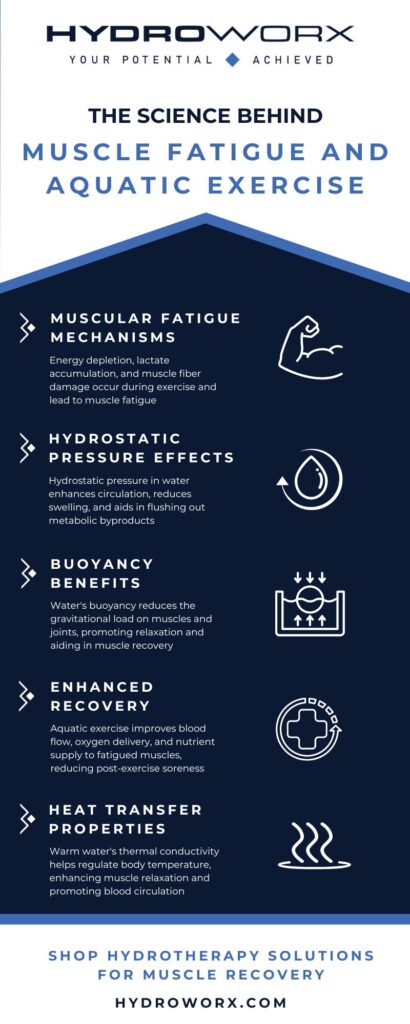
Warm water and aquatic exercise reduce load on joints and can speed perceived recovery. Hydrotherapy also helps manage muscle fatigue—HydroWorx has an accessible infographic about this approach: Hydrotherapy and Muscle Fatigue.
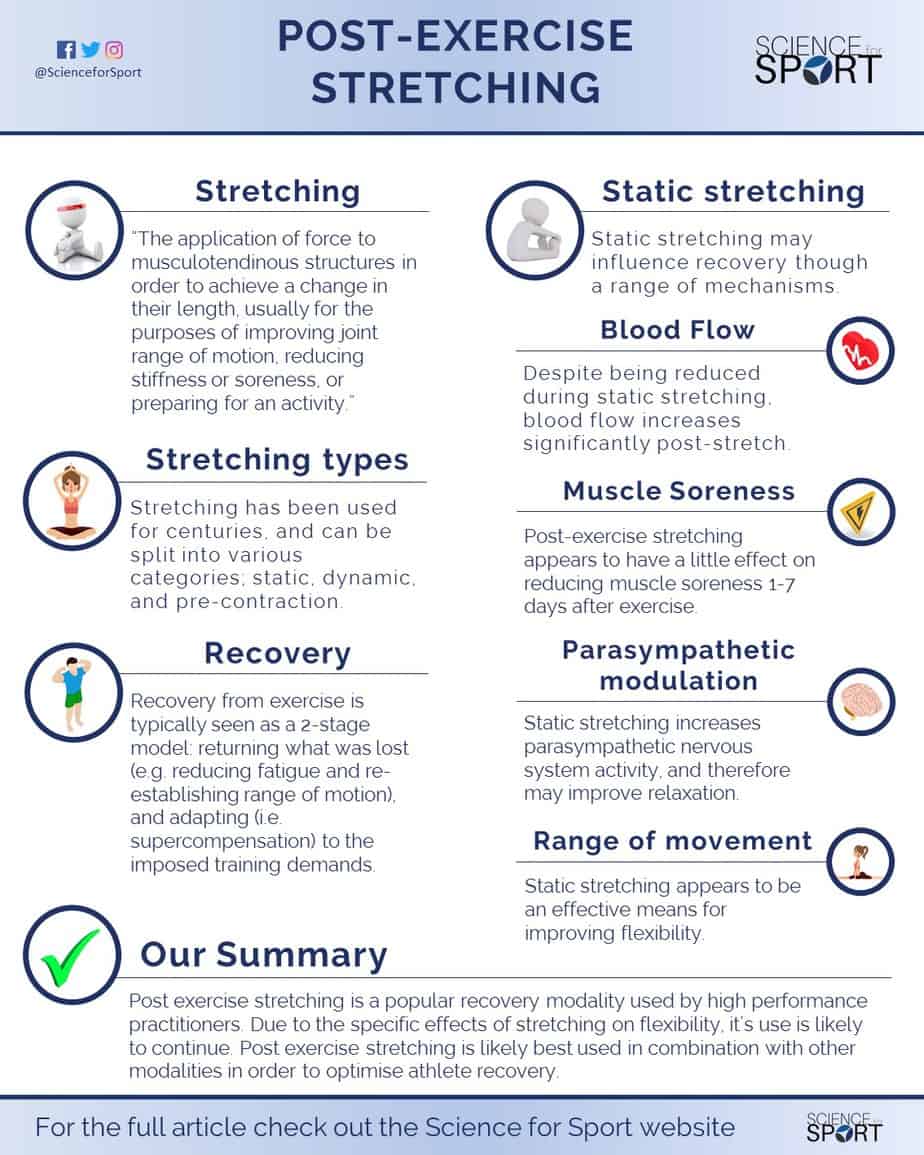
Stretching and mobility
Static stretching after training helps flexibility and can reduce tightness. Dynamic mobility before sessions prepares the body for movement. Stretch with a purpose — not as a catch-all fix.
Supplements and targeted nutrients
Evidence supports a few supplements for recovery when used appropriately:
- Protein powders: Convenient and effective.
- Creatine: Supports strength and recovery capacity.
- Omega-3s: May reduce inflammation and support membrane repair; see study context here: PMC: Omega-3 and Recovery.
- Antioxidant timing: High doses of antioxidants immediately after training can blunt adaptation. Use foods rich in antioxidants rather than mega-doses of supplements.
Designing a Practical Recovery Plan
Apply a few consistent habits rather than chasing every modality. Here’s a simple, science-driven template you can follow:
- Prioritize sleep: 7–9 hours nightly.
- Meet daily protein needs and include carbs after hard sessions.
- Use active recovery days with low-intensity movement.
- Schedule planned deload weeks every 4–8 weeks, depending on volume.
- Use tools like massage or cold water strategically — not every day.
For coaches and practitioners who want to optimize recovery windows and manage muscle damage, this research review is helpful: Recovery Periods and Muscle Damage — PMC.
Common Myths and Evidence-Based Answers
Myth: More recovery equals more gains
Reality: Too little recovery impairs progress. But too much rest can also slow adaptation. Balance is key.
Myth: Massage instantly speeds recovery for performance
Reality: Massage reduces soreness and improves mood, but timing and technique matter. One review noted immediate post-exercise massage can momentarily reduce blood flow and slow lactate clearance — so use massage thoughtfully. (See NASM overview: The Science of Recovery — NASM.)
Myth: Supplements are the main answer
Reality: Whole food nutrition, sleep, and smart programming have a bigger impact. Supplements can help fill gaps.
Small Habits that Add Up
Make recovery part of your daily routine with small, consistent actions:
- Track sleep and adjust schedules when needed.
- Plan your toughest workouts when you are well-rested.
- Use short mobility sessions after workouts to reduce stiffness.
- Rehydrate and prioritize a protein-rich meal within a few hours.
If you want a practical checklist, this guide lists science-backed recovery tips that are easy to implement: 9 Science-Backed Tips on Muscle Recovery.
When to Seek Professional Help
If pain is sharp, persistent, or associated with swelling and weakness, consult a medical professional or sports therapist. For tailored recovery programming, a physiotherapist can help you balance load and rehab.
For more scientific context and research on post-exercise recovery and markers like omega-3 index or plasma choline, see this clinical review: Clinical Research on Recovery Markers — PMC.
Final Thoughts
Muscle recovery is not optional. It’s a deliberate process that determines how well you adapt to training. Focus on sleep, nutrition, smart programming, and a few consistent recovery habits. Use modalities like massage, cold immersion, or hydrotherapy strategically, not as daily fixes.
Train hard. Recover smart. Repeat.
Frequently Asked Questions
How long does muscle recovery take?
Recovery time varies by intensity. Mild workouts may need 24–48 hours. Heavy strength or unfamiliar exercise can cause soreness for 48–72 hours. Full remodeling and adaptation can take weeks. Use sleep, nutrition, and active recovery to speed the process.
Does soreness mean I had a good workout?
Soreness can indicate muscle damage, but it’s not the only measure of a good workout. You can make progress without severe soreness if your program is consistent and progressive.
Should I ice or use heat after exercise?
Ice reduces pain and inflammation short-term. Heat can help stiffness and provide comfort. Use ice after acute injuries or very inflamed sessions, and heat for tight, achy muscles. Don’t overuse cold if your goal is long-term muscle growth.
Can nutrition speed up muscle recovery?
Yes. Protein supports repair, carbs restore glycogen, and fluids help transport nutrients. Timing matters less than daily totals, but consuming protein and carbs in the hours after exercise supports recovery.
Ready to optimize your recovery? Explore more guides and practical plans at zenpulsehub.com and take your training to the next level.