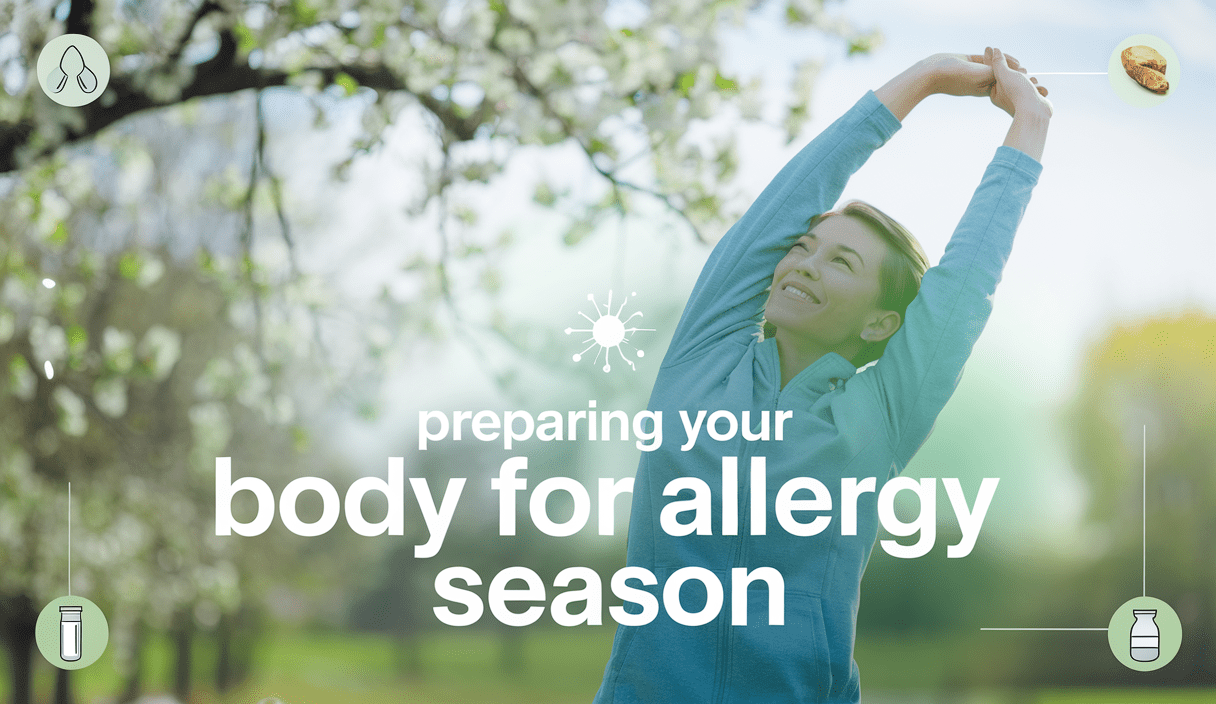

Preparing Your Body for Allergy Season: Simple Steps
Preparing Your Body for Allergy Season starts before the first sneeze. If you want to reduce sniffles, itchy eyes, and tiredness this spring, a few simple changes to your routine can make a big difference. This guide walks you through practical, science-backed steps — from medications and nasal rinses to diet, sleep, and home setup — so you can enjoy the season instead of dreading it.

Why start early?
Allergy season builds slowly. By taking action ahead of time you can blunt the immune response that causes symptoms. Experts often recommend starting treatments early — for example, some allergists suggest starting medication at least two weeks before symptoms usually appear. That early window gives medicines and lifestyle changes time to work.
Medications and medical options
Preparing Your Body for Allergy Season includes optimizing medication. Talk with your provider about a plan tailored to your triggers.
Over-the-counter and prescription meds
- Antihistamines: Non-drowsy options (loratadine, cetirizine) are useful for runny nose and itching.
- Nasal corticosteroids: These are the most effective for nasal inflammation. Use them regularly, not just during bad days.
- Combination therapy: For many people, an antihistamine plus a nasal steroid gives the best relief.
For timing, see the American College of Allergy, Asthma & Immunology’s tips about starting medication early: start meds at least two weeks before symptoms.
Allergy testing and immunotherapy
If you don’t know your triggers, consider testing. Knowing what pollens, molds, or animals affect you helps target prevention. For long-term control, ask about immunotherapy (allergy shots or sublingual tablets) which can reduce sensitivity over time.
Nasal care: a simple, drug-free option
Nasal irrigation (saline rinse) is an effective, drug-free way to clear pollen and mucus from your nasal passages. Harvard Health recommends rinsing the nasal cavity twice daily as one option for relief — it’s safe and easy to add to your routine: Harvard Health: nasal rinses.
Home and environment strategies
Small home tweaks cut exposure to outdoor allergens dramatically.
- Keep windows closed on dry, windy days and during high pollen times.
- Use high-efficiency filters (HEPA or MERV-13 where compatible) in your HVAC system and vacuum with a HEPA vacuum.
- Shower and change clothes after spending time outside to remove pollen from skin and hair.
- Avoid lawn mowing or gardening during peak pollen; if you must, wear a mask and long sleeves. The Mayo Clinic recommends staying indoors on windy days and avoiding tasks that stir allergens: Mayo Clinic: Reduce exposure.
Diet, supplements, and lifestyle
Diet and daily habits impact how your body handles allergens. These steps support immune resilience and reduce inflammation.
Foods to emphasize
- Colorful fruits and vegetables (antioxidants and bioflavonoids).
- Omega-3 rich fish or supplements (anti-inflammatory benefits).
- Probiotic-rich foods (may help immune balance).
Supplements that may help
Consider vitamin D if you’re low (linked to immune health), quercetin or butterbur for allergy symptom support, and probiotics for gut-immune balance. Always check with your healthcare provider before starting supplements.
Sleep, stress, and exercise
Good sleep and stress management keep your immune system balanced. Aim for 7–9 hours of sleep, regular moderate exercise, and stress-reduction techniques like deep breathing or short walks. Exercise also helps clear nasal passages and reduce congestion when symptoms are mild.
Natural therapies and complementary care
Many people find relief from complementary approaches. Acupuncture and herbal formulas are popular in certain communities. When exploring natural therapies, use qualified practitioners and discuss them with your primary care provider to avoid interactions.
Planning outdoor time and daily habits
Timing matters. Pollen counts are usually highest early morning and on windy days. Check local pollen forecasts and plan outdoor exercise later in the day or after rain, when pollen is lower.
Practical daily checklist
- Check pollen forecast before leaving home.
- Keep windows closed when pollen counts are high.
- Shower and change clothes after being outdoors.
- Use saline nasal rinse twice daily during high-risk weeks (Harvard Health outlines this method).
When to see a specialist
If over-the-counter meds and common measures aren’t enough, see an allergist. They can offer testing, targeted treatment, and long-term solutions like immunotherapy. Community experiences and tips can be helpful — people often share strategies online: community tips and personal strategies.
How to build a seasonal plan (step-by-step)
- Identify triggers: Consider testing so you know which pollens or molds affect you.
- Start meds early: For many, beginning medication two weeks before symptoms helps — see ACAAI guidance.
- Prep your home: Change filters, plan cleaning, and set up a nasal rinse routine.
- Optimize lifestyle: Sleep, diet, and stress management support immune balance.
- Have a backup plan: Know when to call your doctor, and consider immunotherapy if yearly symptoms persist.
Helpful resources
For more reliable guidance, check these trusted sources:
- Harvard Health: nasal rinses and preparation — practical, drug-free options like saline irrigation.
- ACAAI expert tips — advice on medication timing and prevention.
- 10 ways to prepare — concise checklist and planning ideas.
- Mayo Clinic: exposure reduction — tips like staying indoors on windy days and avoiding lawn work.
Watch: Quick tips for allergy season
Short visual guides can help you adopt rituals (like nasal rinses or filter changes). Watch this quick video for practical steps:
Quick summary: daily habits to adopt now
- Start preventive meds early (talk to your doctor).
- Use a saline nasal rinse twice daily when pollen is high.
- Keep your home low-pollen with closed windows and good filters.
- Eat anti-inflammatory foods and consider vitamin D if deficient.
- Plan outdoor time around pollen forecasts.
Preparing Your Body for Allergy Season: final notes
By planning now you can reduce symptom severity and enjoy more of spring. Whether you adopt nasal rinses, start meds early, adjust your home environment, or try complementary approaches, a small routine built before the peak season can pay off all spring long.
Ready to get started? Explore targeted guides and step-by-step plans at zenpulsehub.com to build your personal allergy-season action plan.
Frequently Asked Questions
How soon should I start meds before allergy season?
Many experts recommend starting certain medications (like nasal steroids or daily antihistamines) about two weeks before symptoms usually begin. This gives treatments time to become fully effective. Check the ACAAI tips for timing advice: ACAAI expert tips.
Do nasal rinses really help?
Yes. Rinsing your nasal passages with saline can reduce pollen and mucus, helping symptoms without drugs. Harvard Health outlines how to rinse safely and recommends doing it twice daily during peak weeks: Harvard Health.
Can diet changes reduce allergy symptoms?
While diet won’t stop allergies, foods that reduce inflammation (omega-3s, colorful fruits and vegetables, probiotics) support overall immune health and may reduce symptom intensity. Speak with your provider before starting supplements like vitamin D or herbal products.
When should I see an allergist?
If over-the-counter strategies and reasonable lifestyle changes don’t control your symptoms, or if symptoms affect sleep and daily life, see an allergist. Testing and immunotherapy can provide long-term relief.