Spring Cleaning for Mental Clarity
Spring Cleaning for Mental Clarity begins with a simple decision: clear one corner of your life and watch clarity spread. In this guide you’ll find practical steps to declutter your home, your digital life, and your thoughts so you can feel calmer, more focused, and ready to take on the season.

Why Spring Cleaning for Mental Clarity matters
Cleaning your space is more than a chore — it’s a mental reset. Researchers and mental health organizations note that a tidy environment can reduce stress, help you focus, and even fend off low mood. For example, the Cleveland Clinic explains how a decluttered space supports better mood and fewer depressive symptoms, while community counselors recommend short relaxation practices like breathing or gratitude as part of mental cleansing (Cleveland Clinic, JCMH).
How cleaning your environment clears your mind
There are clear, practical links between physical clutter and mental clutter. When your surroundings are organized, your brain spends less energy scanning for lost items or processing distractions. Organizations like Acenda Health summarize these benefits as improved focus, mood boosts, stress reduction, and better overall well-being (Acenda Health).
Quick benefits:
- Less visual noise = easier concentration.
- Fewer decisions about what to do next.
- Improved sleep from a calmer bedroom.
- Boosted mood from small, achievable wins.
Practical 7-step plan to spring clean your mind and space
Use this plan to convert intention into action. Each step is short, focused, and designed to build momentum.
1. Start with 15 minutes
Set a 15-minute timer and tidy one area — a countertop, a single drawer, or your desk. Small wins create momentum and lower resistance.
2. Sort with clear categories
Create simple piles: Keep, Donate/Sell, Recycle, Trash. Be decisive: if you haven’t used it in a year, consider letting it go.
3. Do a digital declutter
Unsubscribe from emails you don’t read, clear out old files, and clean up your desktop. The Newport Institute suggests setting daily intentions and positive routines — a clean inbox is an easy win that supports that habit (Newport Institute).
4. Create a calming corner
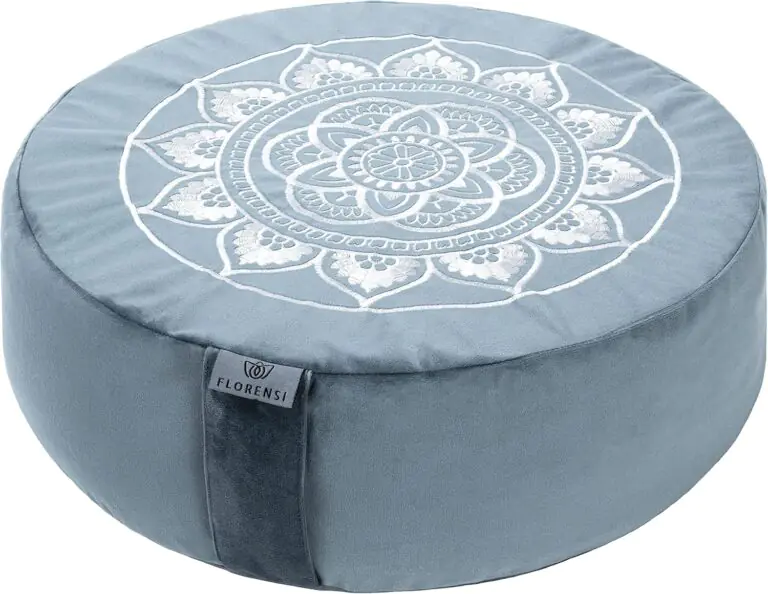
Designate a small area for breathing, reading, or stretching. Add one plant, a cushion, and soft light. Use it for 5–10 minute breaks.
5. Practice a short mental reset
Try a 3–5 minute breathing exercise, gratitude list, or body scan. The JCMH resource recommends meditation, gratitude, or deep breathing as effective mental cleansing tools (JCMH).
6. Make a weekly micro-clean routine
Pick three micro-tasks to do every week: clear your desk on Monday, sort mail on Wednesday, and donate one item on Friday. Small, regular actions prevent big build-ups.
7. Keep a ‘done’ list
Alongside your to-do list, keep a short list of completed tasks. Seeing progress helps your brain switch from problem-focused to solution-focused thinking.
Design your own 30-day clarity challenge
Use these prompts to create a month-long habit that supports lasting change. Commit to one small action per day and track progress.
- Day 1–7: One small declutter each day (a drawer, shelf, or bag).
- Day 8–14: Digital detox — unsubscribe, delete, organize.
- Day 15–21: Mindful mornings — set an intention and 3-minute breathing.
- Day 22–28: Social check — unfollow negativity, plan one uplifting activity.
- Day 29–30: Review and celebrate wins; plan next steps.
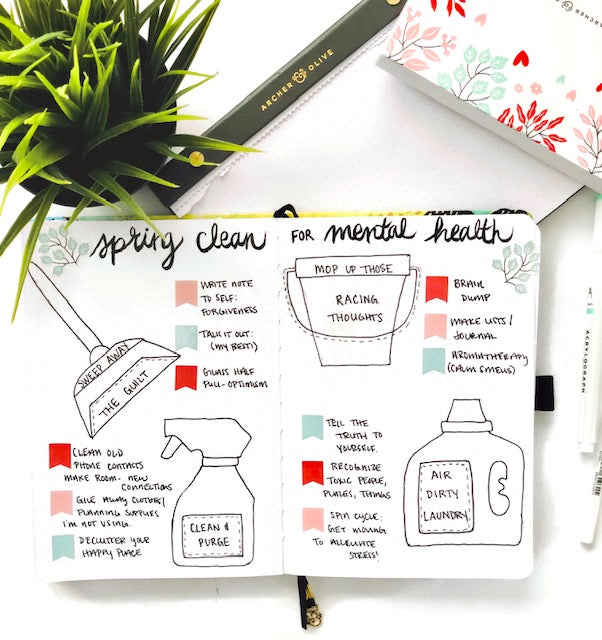
Simple routines for lasting clarity
Routines make clarity sustainable. Here are short routines you can adopt now.
Morning 5-minute reset
- Open a window for fresh air.
- Set one intention for the day.
- Do 3 deep breaths and a two-minute stretch.
Evening 10-minute tidy
- Clear surfaces (kitchen counters, desk).
- Put clothes in hamper and prep work items for tomorrow.
- Spend 60 seconds listing 3 small wins from the day.
How to handle emotional clutter
Emotional clutter can feel heavier than physical mess. Approach it gently: name, accept, and take one small action.
- Name it: Write down the feelings the clutter triggers.
- Accept it: You don’t have to solve everything at once.
- Act: Choose a tiny next step (call a friend, schedule therapy, or practice a calming breath).
If you need ideas for starting conversations about mental health, resources from local mental health organizations can help; NAMIMaine highlights how organizing your environment can reduce stress and boost productivity (NAMI Maine).
When to seek extra support
Spring cleaning for mental clarity is powerful, but sometimes professional support is needed. If clutter causes persistent anxiety, affects sleep, or you’re avoiding daily tasks, consider reaching out for help. Local clinics and counselors offer strategies and support — for guided programs and structured help, see resources like the Newport Institute and Kelty Mental Health (Newport Institute, Kelty Mental Health).
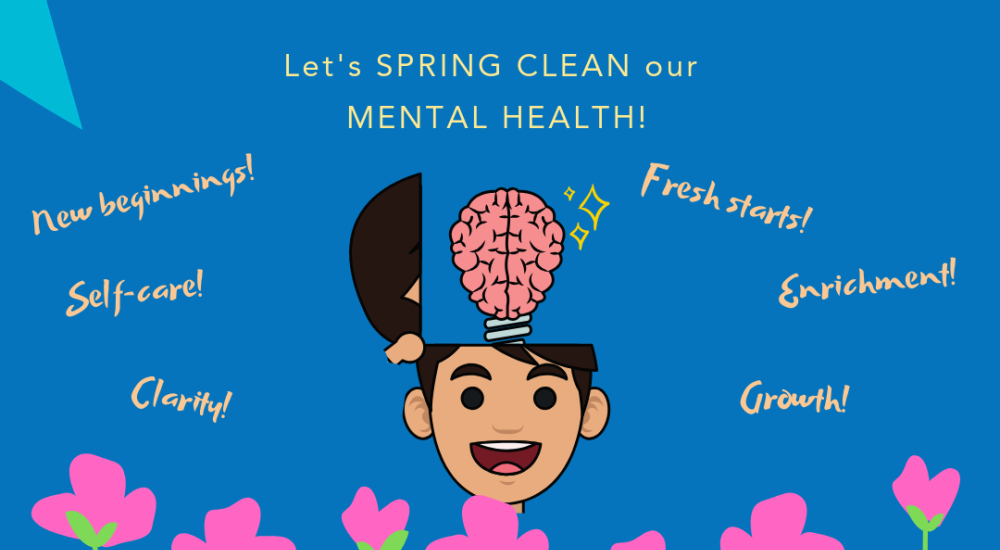
Tools and trackers
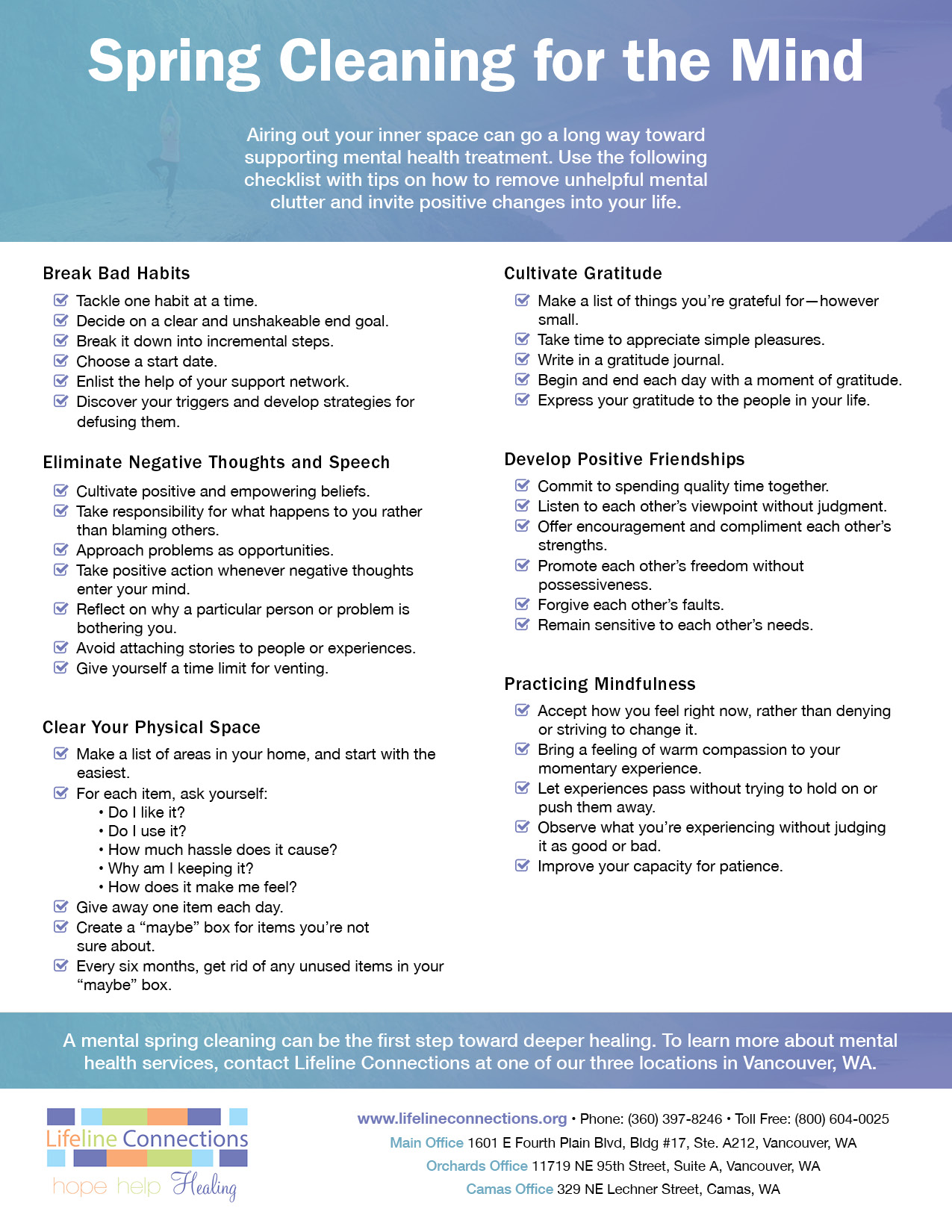
Trackers and checklists keep progress visible. Lifeline Connections offers printable checklists that pair tasks with mood-boosting strategies — use them to stay on course (Lifeline Connections).
Suggested trackers:
- A daily 5-minute tidy log.
- Weekly donation count.
- Mood check-in: rate 1–5 and note one trigger and one action.
Sample week: combine cleaning and clarity
This sample schedule balances physical tasks with mind-care practices.
- Monday: Clear one workspace + 3-minute breathing session.
- Tuesday: Unsubscribe from 10 emails + write a positive intention for the day.
- Wednesday: Donate one bag of items + take a 10-minute walk.
- Thursday: Clean bedroom surfaces + gratitude journaling (3 things).
- Friday: Family zone tidy + plan one social activity for the weekend.
- Weekend: Review progress and pick one big win to celebrate.
Further reading and resources
For guided reading and expert takes on the mental health benefits of decluttering, these pages are useful:
- JCMH — tips on meditation, gratitude, and relaxation as mental cleansing practices.
- NAMI Maine — community-focused ideas for reducing stress through organization.
- Newport Institute — setting intentions and daily mental habits.
- Acenda Health — clear list of positive impacts of spring cleaning.
- Cleveland Clinic — research-backed benefits for mood and depression prevention.
Video guide: quick spring-cleaning and clarity tips
Watch this short walkthrough for hands-on strategies you can use right away.
Maintaining clarity: gentle habits that stick
Long-term change comes from small, consistent habits. Choose one habit from each area below and commit for 21 days.
- Space: Spend 5 minutes at night clearing your main surface.
- Digital: Delete 5 old emails a day or unsubscribe from one mailing list weekly.
- Mind: Practice 3 minutes of focused breathing each morning.
Wrapping up: small actions, big clarity
Spring cleaning for mental clarity doesn’t require a weekend marathon. With consistent micro-actions, you’ll notice improved focus, better sleep, and more energy for what matters. If decluttering brings up strong emotions, reach out for support — you’re not alone, and help is available from community and clinical resources.
Ready to begin? Pick one 15-minute task now: clear one drawer, delete 20 old emails, or step outside for a 5-minute reset. Celebrate that win, then build on it.
For more step-by-step guides and calming routines, explore related articles and tools at zenpulsehub.com.
Frequently Asked Questions
How long does it take to feel the benefits of spring cleaning for mental clarity?
Many people notice immediate relief from a single 15–30 minute decluttering session. Lasting benefits grow with consistent small habits — within a few weeks you often see improved focus and mood.
What if I feel overwhelmed by clutter?
Break tasks into micro-steps: 15 minutes, one surface, or one box. Use a timer, and consider asking a friend to help. If clutter connects to anxiety or avoidance, professional support can help.
Can digital decluttering help with anxiety?
Yes. Reducing notifications, organizing files, and unsubscribing from distracting emails reduces cognitive load and can lower anxiety. Try a weekly inbox tidy to start.
Are there quick mental exercises to pair with cleaning?
Simple exercises like 3–5 minute breathing, a two-minute gratitude list, or a quick body scan work well. These practices complement physical decluttering and boost clarity.