


Calm Morning Routine: How to Start Your Day
Calm Morning Routine sets the tone for the whole day. When you build gentle, practical habits into the first hour after waking, you reduce stress, sharpen focus, and feel more in control. This guide walks you through simple steps you can use today to create a calm, repeatable morning that fits your life.
Why a Calm Morning Routine Works
Starting your day with intention rewires how your brain responds to stress. Small, consistent actions — like stretching, breathing, and a short plan — lower cortisol and help you meet challenges with clarity. Research and real-life stories show that a morning rhythm can improve mood, energy, and productivity.

Benefits at a glance
- Lower stress: gentle starts reduce morning rush and overwhelm.
- Better focus: clear priorities help you get meaningful work done.
- More energy: light movement and hydration improve circulation.
- Consistent mood: predictable habits stabilize emotional ups and downs.
How to Create Your Calm Morning Routine (Step-by-step)
Below is a practical framework you can adapt. It’s not about perfection — it’s about building reliable micro-habits you enjoy.
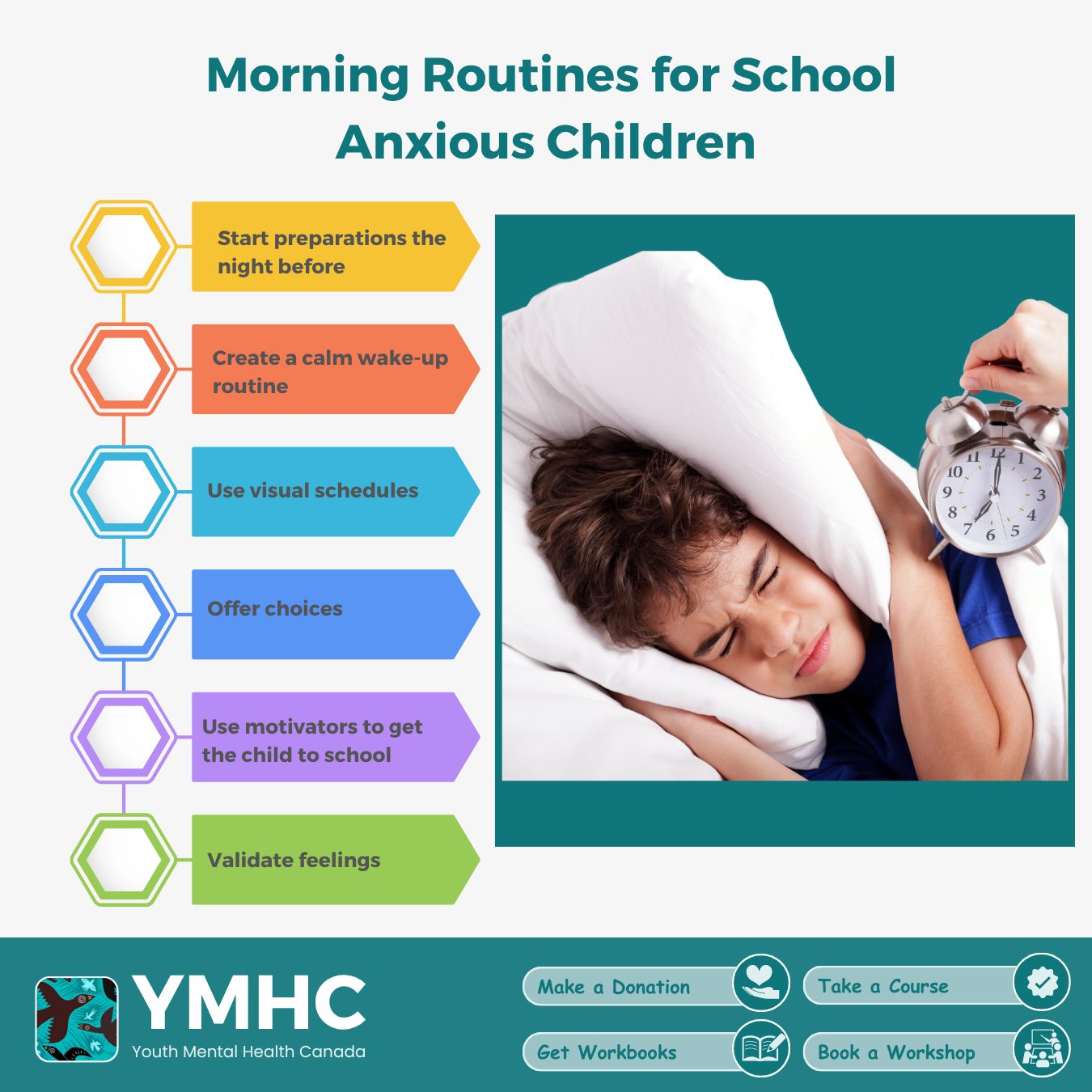
1. Plan the night before
Preparation is the backbone of a calm start. Spend 5–10 minutes before bed to:
- Pick your outfit and set the coffee or tea maker.
- Write 2–3 priorities for tomorrow — not a full to-do list.
- Lay out items you’ll need (bag, keys, workout gear, kid supplies).
Tip: A small evening ritual reduces decision fatigue in the morning.
2. Wake gently
Skip the jarring alarm when possible. Use a soft alarm, light-based wake-up, or a steady playlist. Allow 5 minutes of quiet lying in bed to breathe and orient yourself.

3. Hydrate + light movement
Drink a glass of water first thing. Follow with 3–10 minutes of movement: gentle stretches, yoga, or a short walk. Movement wakes the nervous system and grounds your mind.
4. Breathe and center
Spend 3–10 minutes on a simple breathing practice or short meditation. Try box breathing (4-4-4-4) or a guided 5-minute meditation. A few calm breaths are one of the fastest ways to lower stress.
5. A mindful morning menu
Keep a short list of quick, nourishing options to reduce decision fatigue at breakfast. Ideas include overnight oats, a fruit + yogurt bowl, or eggs with whole grain toast. For inspiration, see the mindful morning menu idea on Seven Sundays Yoga, which highlights the value of small, repeatable actions like a five-minute meditation and light stretching.
Sample 30–45 Minute Calm Morning Routine
Use this template and adjust times to suit your schedule. The goal is a repeatable pattern — not rigid timing.
- 0–3 min: Wake gently and hydrate.
- 3–10 min: Light movement or stretching.
- 10–15 min: 5-minute breathing or meditation practice.
- 15–25 min: Mindful breakfast.
- 25–35 min: Quick shower or grooming, and one review of your top 2 priorities.
- 35–45 min: Smooth transition to work, school run, or caregiving duties.
Adjusting for kids or a classroom
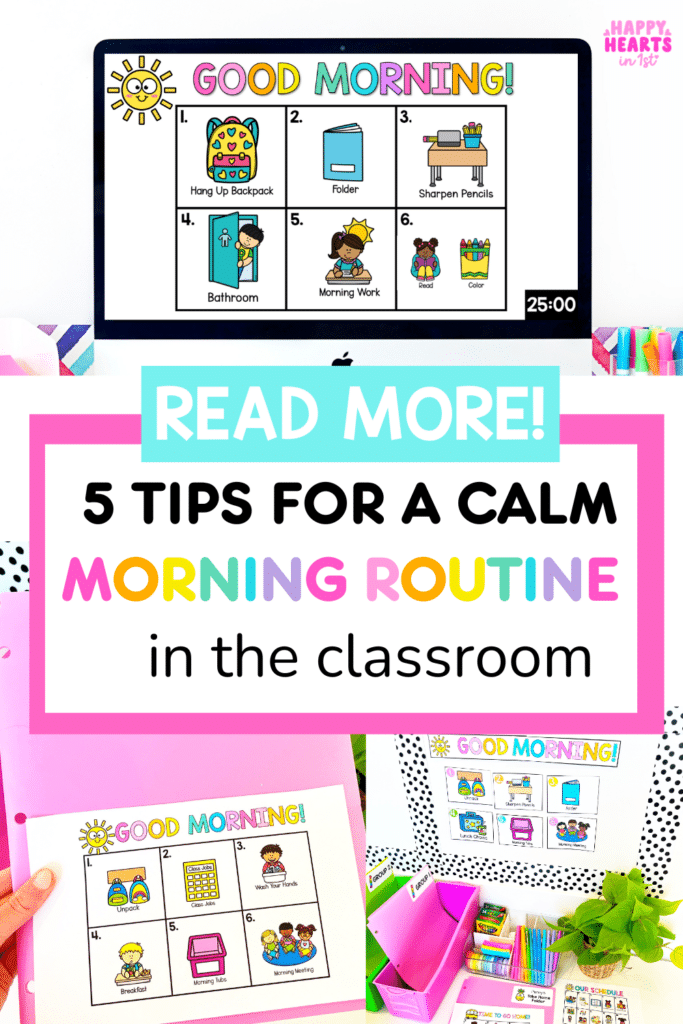
If you’re a parent or teacher, build predictable cues and simple charts to help children follow the morning flow. Check out practical classroom tips at Happy Hearts in 1st, which suggests visual charts, morning tubs, and choice boards to reduce stress and create independence.
Keep It Simple: Small Habits, Big Impact
Design your Calm Morning Routine so each step feels easy. The idea is to stack small wins that build momentum. A few minutes of consistency beat long, irregular rituals that are hard to keep.

Morning words that help
Try a short affirmation or intention: “I choose ease today,” or “I will focus on what matters.” Say it quietly while you breathe. This anchors your mindset and supports calm actions.
Use tech with intention
Avoid diving into email or social media in the first hour. If you need your phone, set a simple morning playlist or a soft wake alarm. For ideas and a mindful morning routine structure, the Calm blog gives practical, research-backed tips for building a mindful morning at Calm. Their posts also suggest creating a short menu of practices like journaling or breathing to keep things doable.
Real-life Inspiration
People report life-changing effects when they commit to small morning shifts. On Reddit, one reader shared a simple routine — wake at 7am, shower, qigong, and making breakfast with jazz — and called it “life changing.” Read their full thread for relatable motivation at this Reddit post. That testimony shows how tiny changes (a warm shower, moving meditation, and music) can reshape energy for days and weeks.
Short video guide
Below is a short, calming video to inspire gentle morning habits. Watch for ideas you can borrow and adapt.
Troubleshooting Common Challenges
“I don’t have time”
Start with one minute. Even a 1-minute breathing practice or a quick glass of water is meaningful. Build up gradually. The goal is consistency, not duration.
“I keep hitting snooze”
Move your alarm away from the bed, use a light-based alarm, or anchor wake time to a pleasant activity (warm shower, tea, or a favorite playlist). Make the act of waking something you look forward to.
“My mornings are chaotic with kids or runs to school”
Create a simple, visual routine for kids and rehearse it the night before. The classroom tips at Happy Hearts in 1st are very practical here. Even a 3-step chart (get dressed, breakfast, backpack) gives kids structure and frees up parental bandwidth.
Keep the Momentum
Small habits compound. Track your progress with a simple calendar or an app, but don’t punish missed days. Focus on patterns, not perfection. If you want more structure, the Calm daily routine page offers additional ideas for building a routine that fits different life stages: see their guide at Calm: Daily Routine.
Remember: A Calm Morning Routine is personal. Use the framework above, borrow the parts that feel right, and let the rest go.
Want a simple starting checklist?
- Night prep: pick 2 priorities and lay out clothes.
- Wake gently: soft alarm or light.
- Hydrate + move for 3–10 minutes.
- 5 minutes of breath or meditation.
- Mindful breakfast and review top 2 priorities.
Keep these five parts consistent and you’ll notice real change in how your day unfolds.
How long should a calm morning routine be?
Start with 10–30 minutes. Many people find a 30–45 minute routine sustainable, but even a short 5–10 minute pattern (hydrate, move, breathe) can be powerful.
Can I customize the routine for kids?
Yes. Use visual charts, consistent cues, and short steps. Classroom-focused ideas like morning tubs and choice boards work well at home too; see the tips at Happy Hearts in 1st for classroom-friendly strategies.
What if I don’t like meditation?
Meditation is flexible. Try mindful breathing, a short walk, or journaling one sentence. The goal is to pause and set intention — not to sit perfectly still.
How quickly will I notice benefits?
Many people report feeling calmer within days; deeper shifts in focus and stress often emerge after a few weeks of consistency. Small, daily steps are the key.
Explore more guides on zenpulsehub.com to build routines that support balance, clarity, and joy. Try one change this week and notice the difference.