
Lower Cortisol Naturally: 10 Easy Science-Based Tips
Lower cortisol naturally with simple, science-backed changes you can start today. If you feel wired, tired, or overwhelmed, reducing cortisol — the main stress hormone — can help you sleep better, think clearer, and feel calmer. This guide covers practical steps, quick habits, and reliable resources so you can build a sustainable routine for long-term balance.
Why lowering cortisol matters
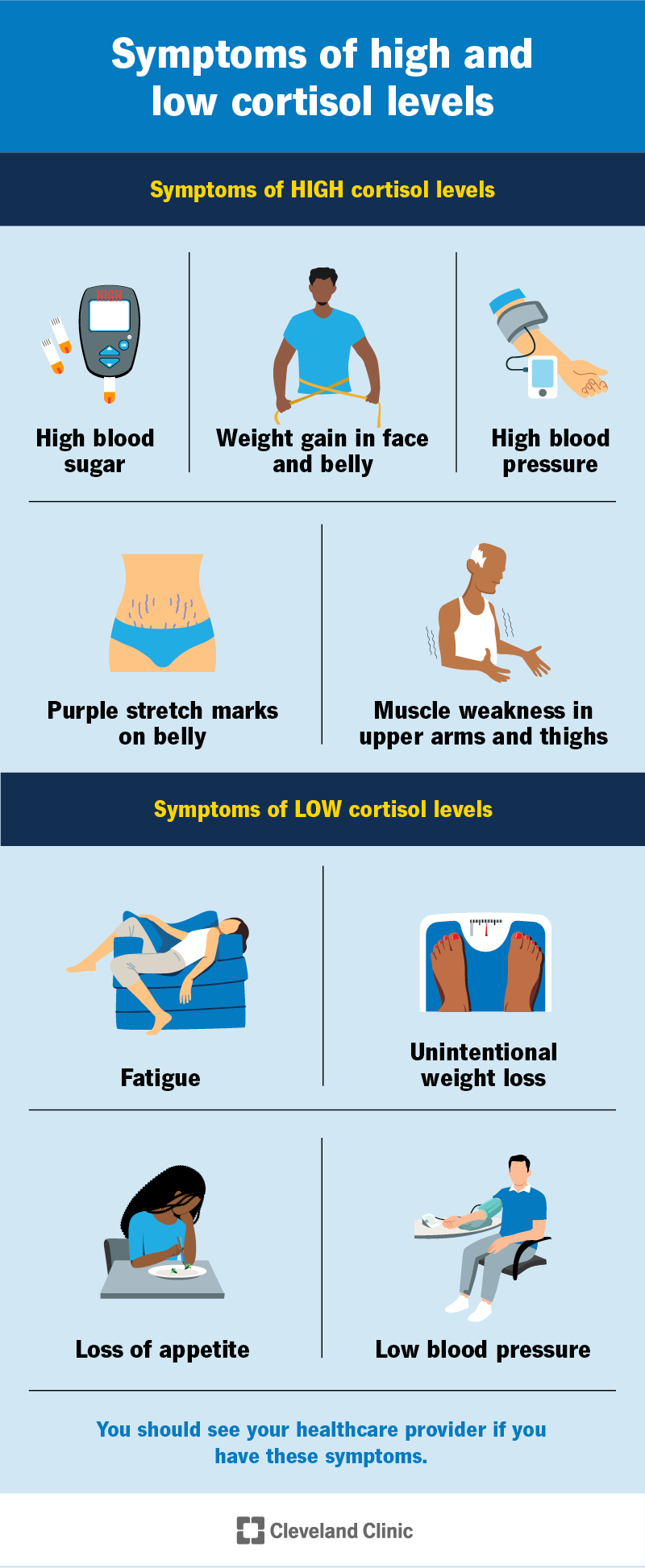
Cortisol is released by your adrenal glands and plays a vital role in metabolism, immune response, and the body’s stress reaction. In the short term, cortisol helps you respond to challenges. But when levels stay high for too long, you can experience sleep problems, weight gain, low mood, and brain fog. For a clear, accessible overview of what cortisol does, read this summary from the Cleveland Clinic: Cortisol: What It Is, Function, Symptoms & Levels.
How to approach change
Think of lowering cortisol as a lifestyle project, not a quick fix. Small, regular adjustments add up. Below are evidence-based strategies that are easy to adopt and keep. Use the tips that fit your life — you don’t need to do everything at once.
Lower cortisol naturally: top 10 practical strategies
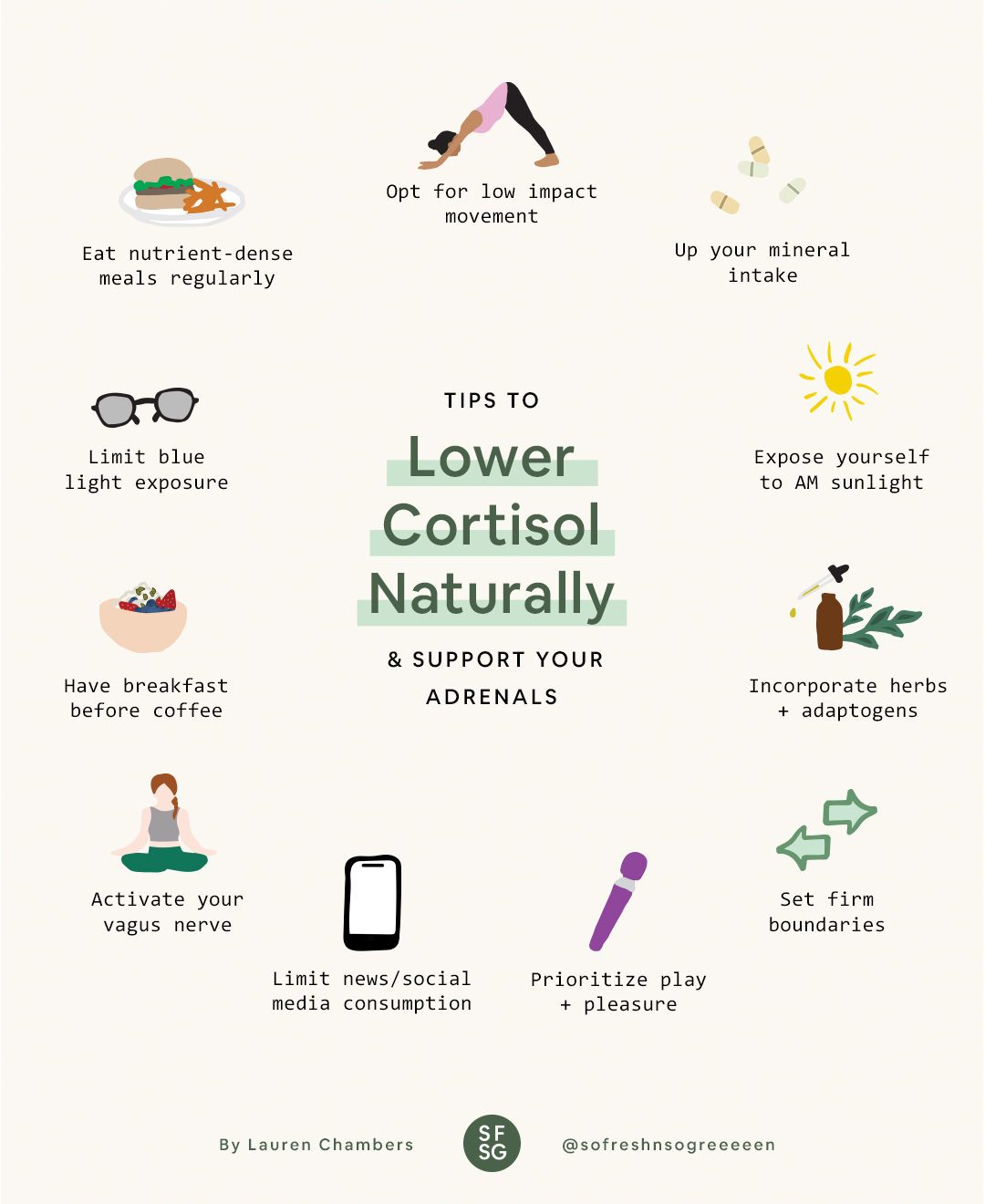
These methods are rooted in research and common sense. Aim to try one or two at a time and build momentum.
1. Prioritize quality sleep
Sleep is one of the most powerful ways to regulate cortisol. Poor sleep raises cortisol the next day, creating a vicious cycle. To improve sleep:
- Keep a consistent schedule: go to bed and wake up at the same time, even on weekends.
- Create a wind-down routine: dim lights, read, or take a warm shower 30–60 minutes before bed.
- Limit screens: blue light from devices interferes with melatonin and sleep quality.
For additional tips on sleep and cortisol, see health resources like the one from HCA Houston: How to reduce stress hormones.
2. Move your body — smartly
Exercise lowers cortisol in the long run but some intense training can raise it temporarily. Aim for a balanced routine:
- Mix aerobic exercise with strength training and low-intensity activities like walking or yoga.
- Keep most workouts moderate — 30–45 minutes, most days.
- Use movement as mood medicine: even a 10-minute walk reduces stress hormones.
3. Eat to calm inflammation and support hormones
A balanced, whole-foods diet helps keep cortisol stable. Focus on:
- Complex carbs and fiber: oats, quinoa, beans, and vegetables to steady blood sugar.
- Lean protein and healthy fats: fish, nuts, seeds, olive oil, and avocados.
- Limit processed sugar and refined carbs: these spike blood sugar and cortisol.
The Illinois CMS guide on stress-reducing foods highlights the importance of whole foods: Best foods to reduce stress.
4. Use breathing and relaxation techniques
Simple breathwork, progressive muscle relaxation, and short meditation sessions can lower cortisol fast. Try a daily practice:
- 4-6-8 breathing: inhale 4 seconds, hold 6, exhale 8. Repeat 5 times.
- Body scan: lie down for 5–10 minutes and notice tension, then release it.
- Micro-meditations: even 2–5 minutes mid-day can reset stress hormones.
Many health guides (for example, this Henry Ford post) emphasize deep breathing as a primary tactic: How To Lower Your Cortisol Levels.
5. Limit caffeine and alcohol
Caffeine and alcohol affect sleep and stress hormones differently in each person. General guidance:
- Reduce or avoid coffee after early afternoon if sleep suffers.
- Use alcohol sparingly — it can disrupt sleep and increase cortisol long-term.
6. Build supportive social time
Positive social connection lowers cortisol and boosts resilience. Make room for:
- Short, regular check-ins with friends or family.
- Weekly social activities that bring joy.

7. Try targeted supplements wisely
Some supplements show promise for lowering cortisol, including omega-3s, magnesium, and adaptogenic herbs like ashwagandha. But supplements aren’t a substitute for healthy habits. Consider these rules:
- Talk with a healthcare provider before starting anything new.
- Use supplements to support, not replace, good sleep and diet.
- Choose reputable brands and start with low doses.
Healthline summarizes supplements and lifestyle strategies well: Ways to lower cortisol.
8. Manage workload and expectations
Chronic work pressure is a common driver of high cortisol. Practical steps include:
- Set clear boundaries (work hours, no-email times).
- Break large tasks into 25–50 minute focused work blocks with short breaks.
- Delegate or say no when your schedule is overloaded.
9. Use nature and light exposure
Natural light and time outdoors help regulate circadian rhythms and reduce cortisol. Try:
- Getting 10–20 minutes of morning sunlight to anchor your day.
- Spending short outdoor breaks during work to reset your nervous system.
10. Track progress and be patient
Reducing cortisol is cumulative. Use simple tracking to stay motivated:
- Journal energy, sleep, mood, and stress levels weekly.
- Note what makes a meaningful difference and prioritize that habit.
When to get medical advice
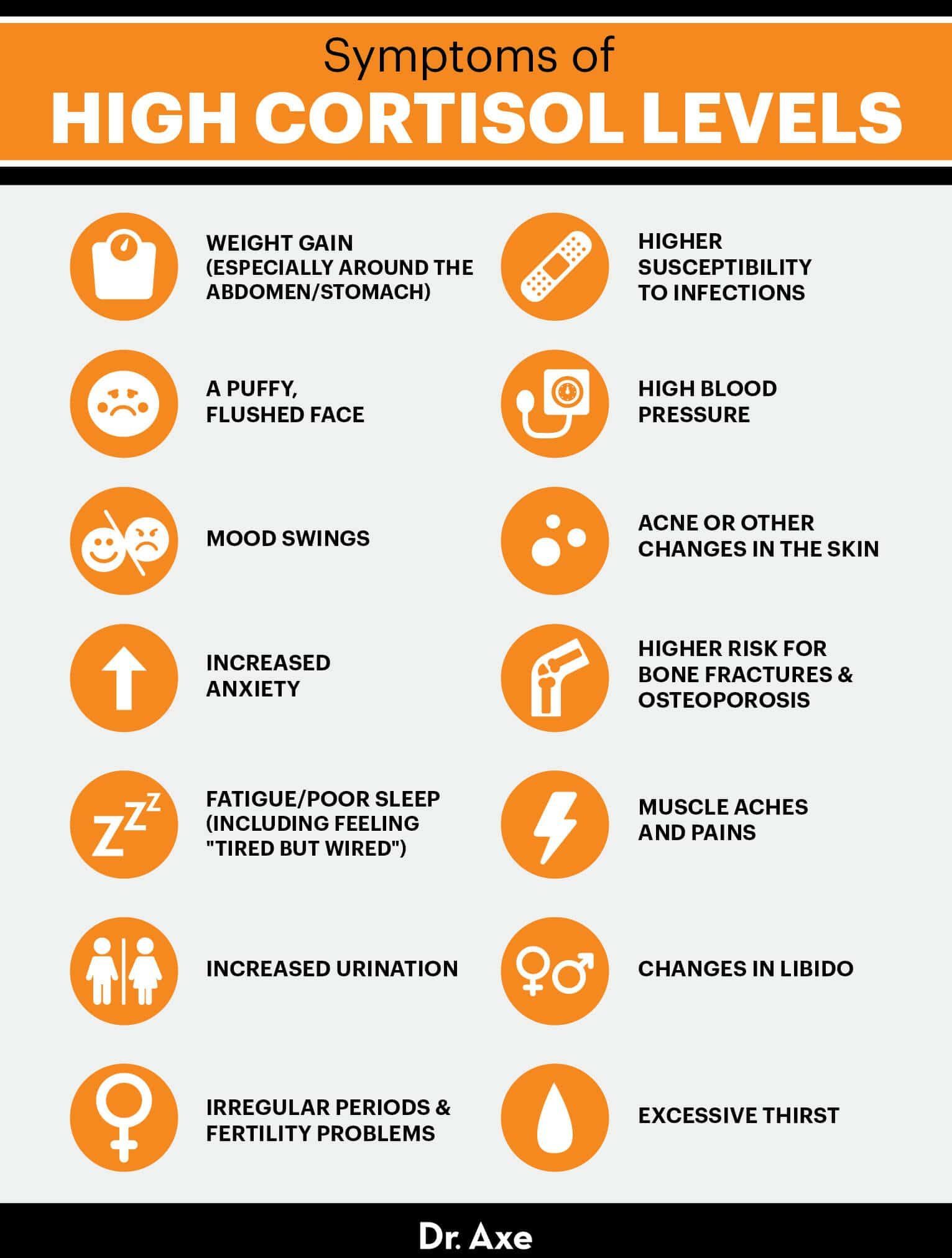
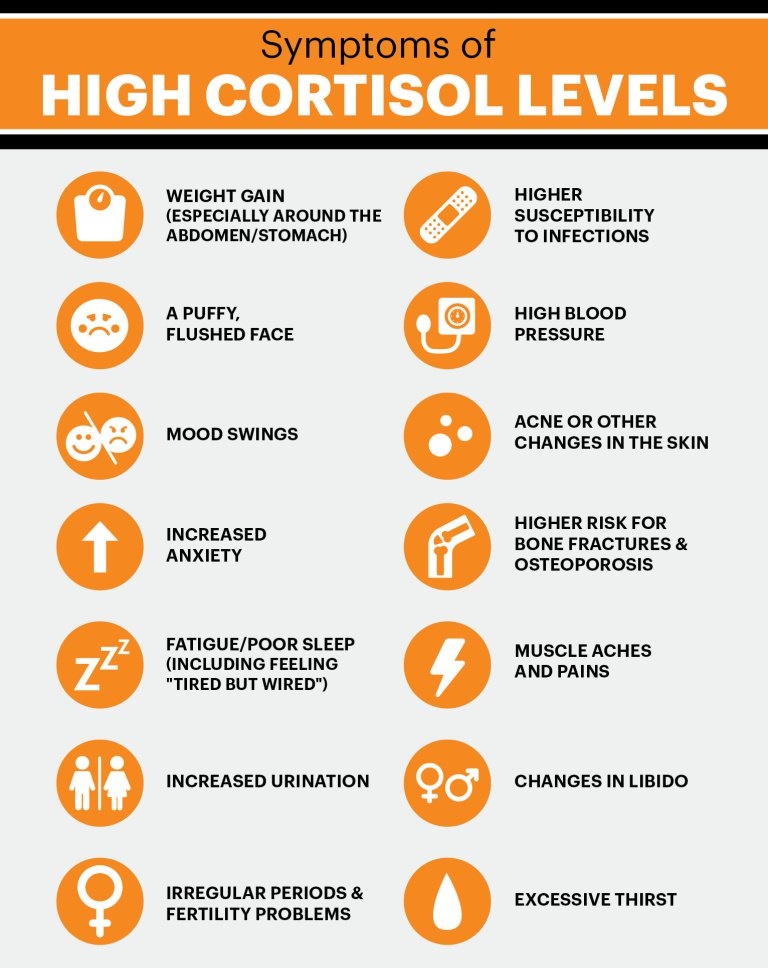
If you have ongoing symptoms like unexplained weight gain, severe fatigue, mood swings, or other health issues, consult your healthcare provider. Sometimes persistent high cortisol signals an underlying condition that needs medical testing and care. For guidance on symptoms and testing, see resources such as the Cleveland Clinic overview provided above and related medical pages.
Simple daily routine to start lowering cortisol today
Here’s a compact, realistic routine to try for two weeks. It focuses on habits that shift cortisol downward:
- Morning: 10 minutes sunlight + 5 minutes breathing exercise.
- Midday: 20–30 minute walk or light exercise; balanced lunch with protein and veggies.
- Afternoon: avoid caffeine after 2 pm; take short breaks every hour.
- Evening: stop screens 60 minutes before bed; relax with low-stimuli activities.
For step-by-step lifestyle advice and more tips to lower cortisol naturally, many clinicians and health sites offer guides. Henry Ford and HCA Houston provide practical suggestions for lifestyle changes, and Illinois CMS lists foods that support stress reduction: Henry Ford tips, HCA Houston guide, best foods to reduce stress (Illinois CMS).
Quick troubleshooting: why your cortisol might stay high
If you try these changes and still feel off, consider these possibilities:
- Undiagnosed medical issues: thyroid problems, certain infections, or adrenal conditions can affect hormones.
- Chronic life stressors: ongoing relationship or work stress may need counseling or bigger life changes.
- Poor sleep environment: noise, light, and inconsistent sleep schedule undermine cortisol balance.
Evidence and reputable sources
Good guidance comes from peer-reviewed research and trusted health organizations. For basic cortisol facts and symptoms, Cleveland Clinic is excellent: Cortisol: What It Is, Function, Symptoms & Levels. For practical lifestyle advice and summaries, check Henry Ford and Healthline resources linked earlier: Healthline: ways to lower cortisol.
Lower cortisol naturally — small wins add up
Remember: consistency beats intensity. Making a few small changes and sticking with them is more effective than dramatic but short-lived efforts. Try this: choose two habits from above, practice them daily for two weeks, and notice how your sleep, mood, and energy change.
Watch: How to Lower Cortisol Naturally
Final checklist: 7 quick daily actions
- Get morning sunlight (10–20 minutes).
- Do 5 minutes of breathwork or mindfulness.
- Move for at least 20 minutes.
- Stick to whole foods and balanced meals.
- Limit caffeine after midday.
- Connect with a friend or family member.
- Wind down 60 minutes before bed and sleep consistently.
Lower cortisol naturally is achievable when you combine sleep, movement, nutrition, and stress tools. Use this guide as a blueprint and adapt it to your life — small, repeated choices lead to bigger results.
Sources cited in this post include the Cleveland Clinic overview on cortisol, Healthline summaries on lowering cortisol, Henry Ford’s lifestyle recommendations, HCA Houston’s practical stress-reduction tips, and Illinois CMS guidance on stress-reducing foods.
Ready to feel calmer and more energized? Start with one habit from the checklist today and track it for two weeks. For more in-depth guides and practical wellness routines, explore other posts on zenpulsehub.com — your next step toward balance is waiting.
Can I lower cortisol naturally without medication?
Yes. Many people lower cortisol with lifestyle changes like better sleep, balanced diet, regular exercise, and stress-reduction practices. If symptoms persist, consult a healthcare provider for testing and guidance.
How quickly will I notice changes after trying these tips?
You may notice small improvements in sleep and mood within a few days, but sustained changes in cortisol and health often take several weeks of consistent habits.
Are there tests to measure cortisol?
Yes. Healthcare providers can measure cortisol in blood, saliva, or urine depending on the clinical question. If you suspect an abnormal hormone issue, discuss testing with your clinician.
Do supplements work to lower cortisol?
Some supplements, like omega-3s, magnesium, and adaptogens (e.g., ashwagandha), can support stress resilience. Use supplements under medical guidance and focus first on sleep, diet, and movement.