Cortisol Spike in Morning: What to Know
Understanding the cortisol spike in morning can help you wake with steadier energy, lower anxiety, and better sleep the next night. This guide explains what causes the morning surge, how timing matters, and practical steps to manage it.

What is the morning cortisol spike?
The term cortisol spike in morning refers to the natural rise in cortisol levels that happens around awakening. This surge, called the cortisol awakening response (CAR), helps you move from sleep to alertness. It usually begins shortly before you wake and peaks about 30–45 minutes after awakening.
Why this rise matters
Cortisol helps regulate blood sugar, blood pressure, and your immune system. A healthy morning spike supports morning energy and focus. But when the pattern shifts—too high, too low, or mistimed—you may feel foggy, anxious, tired, or wired at night.

How the cortisol awakening response works
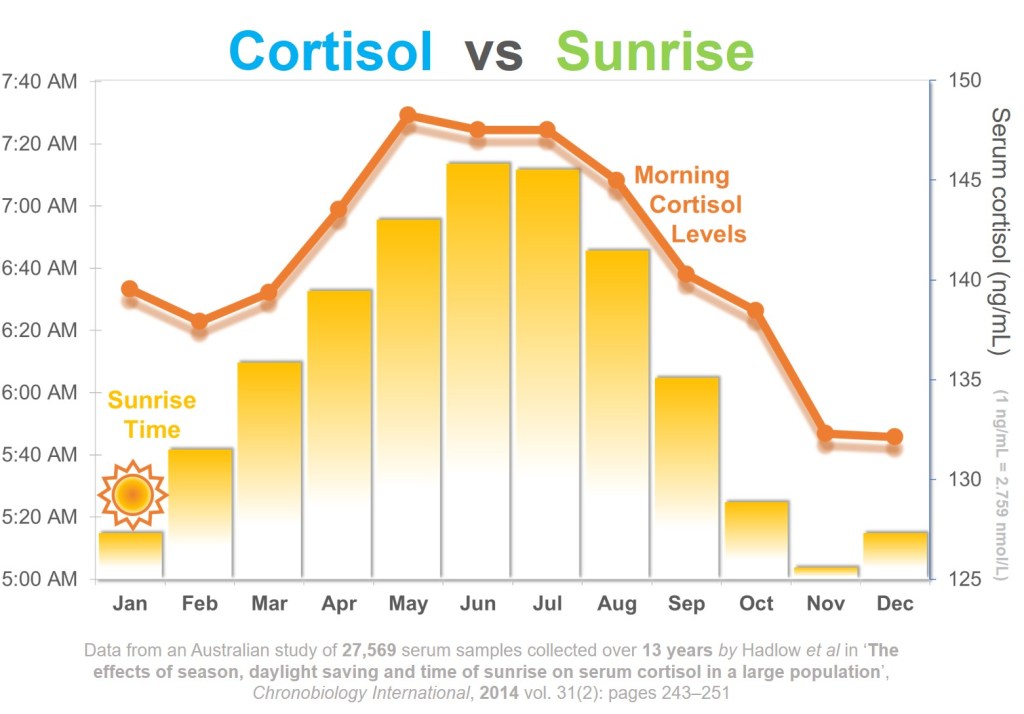
Your body follows a circadian rhythm. Cortisol levels begin to rise in the early morning hours, often starting around 3am in many people, then increase toward waking. The rise is part of what pushes you to become alert and active for the day.
Timing and pattern
- Early morning rise: Cortisol starts climbing hours before waking.
- Peak after waking: The CAR peaks 30–45 minutes after you wake.
- Decline through day: Levels fall slowly and are lowest at night.
For more detail on this rhythm, see the Cleveland Clinic overview of cortisol and its normal cycle: my.clevelandclinic.org. Their summary notes that most people have peak cortisol just before waking and lower values in the evening.
When the cortisol spike in morning becomes a problem
Not all morning spikes are healthy. Problems occur when the pattern is:
- Too large — leaving you anxious or shaky in the morning.
- Flattened — no clear rise, leaving you groggy.
- Shifted — peaking at strange hours because of inconsistent sleep.
Common causes
Several things can disrupt the normal morning rise:
- Poor or irregular sleep timing.
- Chronic stress and unresolved anxiety.
- Shift work or frequent travel across time zones.
- Post-traumatic stress disorder (PTSD) and other psychiatric conditions. For example, sleep and cortisol patterns are linked in PTSD and can shift the natural rhythm (see more on sleep and cortisol in PTSD).
How to measure the morning spike
Scientists measure CAR using saliva or blood samples at waking and then 20–45 minutes later. If you suspect a problem, home saliva tests or lab testing can track your cortisol curve through the day. Labs like ZRT show typical diurnal cortisol curves and patterns you can compare to (www.zrtlab.com).

Practical tips for testing
- Collect samples at wake and 30–45 minutes after wake for CAR.
- Repeat on several days for accuracy.
- Record your wake time and sleep quality when testing.
5 evidence-based ways to manage your morning cortisol spike
Below are practical, easy steps you can try to support a healthy cortisol rhythm and reduce a disruptive spike.
1. Keep a steady wake time
Consistency matters. Waking at a similar time daily helps the cortisol rhythm stay predictable. Irregular wake times can blunt or misplace the CAR. The naturopathic guidance on habits that affect cortisol highlights how shifting wake times can disrupt this pattern (read more).
2. Use light intentionally
Bright light exposure in the morning helps reset your clock and supports the CAR at the right time. Aim for 10–30 minutes of morning light—outside is best.
3. Move gently
Gentle movement—walking, stretching, or yoga—within an hour of waking can help modulate cortisol and ease anxiety. Even short, regular morning exercise helps balance levels over time (tips for taming the morning surge).
4. Prioritize sleep quality
Good sleep is key. Most people have low cortisol at night and higher levels in the morning. If you fight poor sleep, the morning spike may be faulty. The Cleveland Clinic outlines how cortisol normally declines at night and peaks in the morning: learn more.
5. Mind how you start your day
A calm, deliberate morning routine—breathing, a short meditation, or a balanced breakfast—can reduce an overly sharp cortisol jump. Avoid immediately checking stressful emails or news right upon waking.
How lifestyle choices change the curve
Over time, daily choices shape your cortisol pattern. Chronic stress flattens or elevates levels. Nutritional habits, alcohol, caffeine, and exercise timing all influence the curve. For actionable habits that may be secretly raising cortisol, see this naturopathic list: 7 habits that affect cortisol.
When to seek medical advice
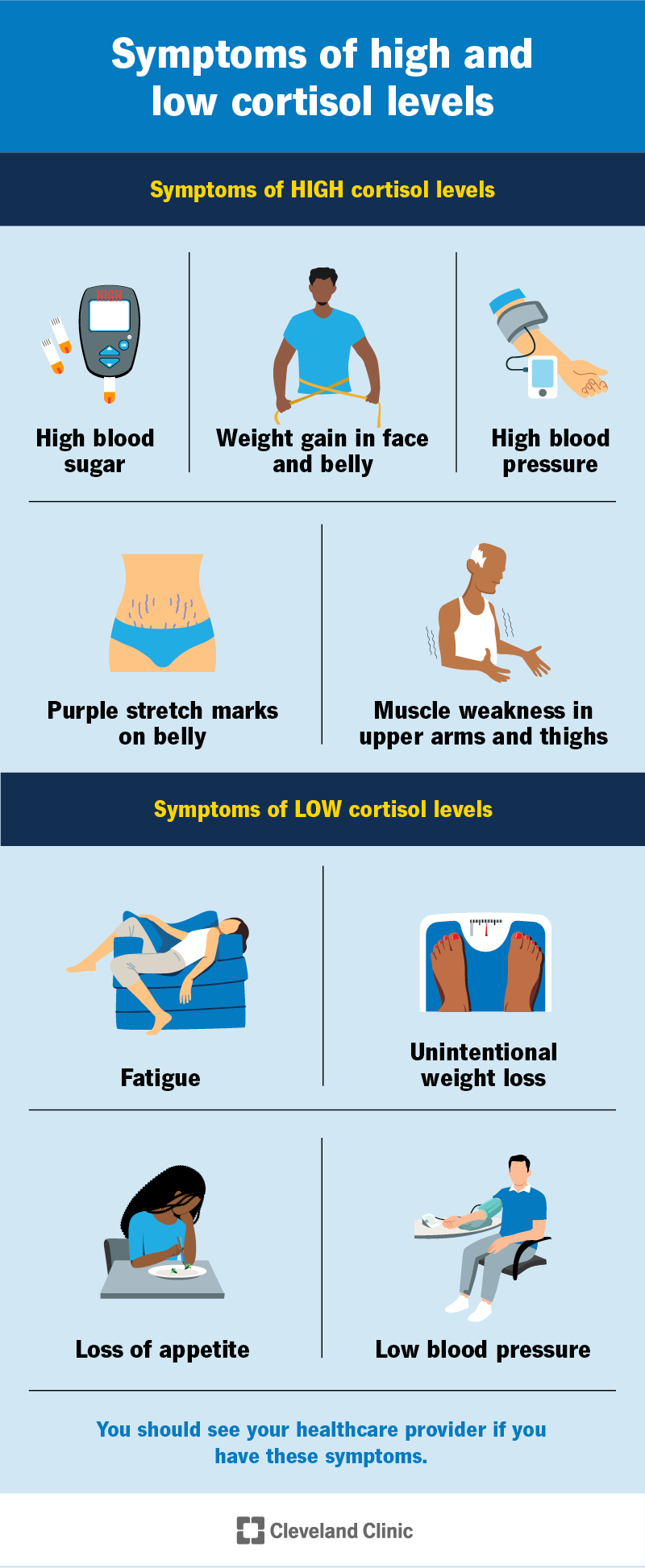
Talk to a clinician if you notice major changes in energy, sleep, weight, mood, or blood pressure. Abnormal cortisol rhythms can relate to endocrine disorders or long-term stress. Testing and clinical evaluation can clarify the cause and guide treatment.
Red flags
- New, persistent fatigue or insomnia.
- Unexplained weight changes and blood sugar swings.
- Unusual mood shifts, panic, or severe morning anxiety.
How to track and interpret results
If you test, expect a pattern rather than a single number. Typical diurnal curves show a clear morning rise and steady decline. A flattened curve—no rise—and consistently high or low results may point to stress or medical causes. For visual examples, ZRT’s diurnal cortisol curves are helpful: Diurnal Cortisol Curves.
Putting it together: a simple morning routine to balance cortisol
Try this 30–60 minute routine to support a healthy cortisol pattern:
- Wake at a consistent time.
- Open curtains or go outside for 10 minutes of light.
- Do gentle movement for 10–15 minutes.
- Have a balanced breakfast within an hour.
- Practice 3–5 minutes of breathwork or calm focus before checking devices.
Common myths about the cortisol spike in morning
Let’s clear up a few misconceptions:
- Myth: Cortisol is always bad. Fact: It’s vital for waking and energy.
- Myth: You should suppress the morning rise. Fact: You want a healthy rise timed to waking, not an overly large or absent one.
- Myth: If you’re anxious in the morning, cortisol is the only cause. Fact: Many factors—sleep, caffeine, hormones, and conditions like PTSD—play roles (see PTSD and cortisol).
Further reading and resources
Want reliable sources? These explain cortisol timing and the CAR in clinical detail:
- Cleveland Clinic: Cortisol overview
- Wikipedia: Cortisol awakening response — quick scientific summary
- PTS UK: Sleep and cortisol in PTSD
Video: Quick explainer
Watch this short video to see the cortisol pattern and practical tips in action.
Quick checklist: Balance your morning cortisol
- Keep a regular wake time.
- Use morning light for 10–30 minutes.
- Move gently soon after waking.
- Eat a balanced breakfast.
- Delay stressful screens for 30 minutes.
Remember: A healthy cortisol spike in morning is normal and helpful. The goal is a predictable, moderate rise timed with your wake, not an extreme or flattened pattern.
For personalized advice, consider discussing testing and lifestyle strategies with your healthcare provider. If you suspect a hormonal imbalance or have persistent symptoms, a clinician can help interpret tests and recommend next steps.
Final thoughts
The cortisol spike in morning is a natural, useful part of your circadian biology. With simple, consistent habits—steady sleep, light exposure, gentle movement, and mindful mornings—you can support a healthy rise that helps you feel alert and calm. If you need a deeper look, testing and clinical guidance are available.
Take the next step: Try the morning routine above for 2 weeks and note how your energy and mood shift. Small changes add up fast.
Explore more practical wellness guides on zenpulsehub.com to build calmer mornings and stronger rhythms.
Common Questions
What exactly is the cortisol awakening response?
The cortisol awakening response (CAR) is the rapid rise in cortisol that begins shortly before waking and peaks about 30–45 minutes after awakening. It helps you shift from sleep to alertness and is a normal part of the circadian rhythm (Wikipedia: CAR).
Is a high cortisol spike in the morning bad?
Not always. A moderate morning rise is healthy. But an unusually large or prolonged spike can contribute to anxiety and jitteriness. Consistent extreme values should be evaluated by a clinician.
Can my sleep affect my morning cortisol?
Yes. Irregular sleep timing, poor sleep quality, and conditions like PTSD can alter cortisol timing and size. Keeping consistent sleep and wake times helps normalize the CAR. For details on PTSD and cortisol, see this resource: PTS UK on sleep and cortisol.
How many times should I test cortisol to see a pattern?
Testing across multiple days at consistent wake and 30–45 minutes after wake is best. This gives a reliable picture of your diurnal curve rather than a single snapshot.