


What Causes Low Vitamin D: Common Reasons
What causes low vitamin D is a question many of us ask when we feel tired, sore, or low on energy. Vitamin D plays a key role in bone, muscle, and immune health. In this guide you’ll learn the main causes, how to recognize low levels, and practical ways to correct them.
Quick overview: Why vitamin D matters
Vitamin D helps your body absorb calcium, supports immune function, and helps muscles work well. Low levels can quietly affect your mood, energy, bones, and recovery after illness. Spotting why levels drop helps you fix the problem faster.
What Causes Low Vitamin D: Main Reasons
Below are the most common causes of low vitamin D. Each item is easy to understand and includes what you can do about it.
1. Limited sun exposure
Your skin makes vitamin D when it’s exposed to UVB rays from sunlight. If you work indoors, live in a cloudy area, or cover your skin for cultural or personal reasons, production falls. Even sunscreen with high SPF can reduce vitamin D synthesis.
2. Geographic location and season
People who live at higher latitudes (closer to the poles) or areas with long winters get less UVB light in fall and winter. That means vitamin D production drops seasonally. Travel to sunnier places or short winter supplementation can help.
3. Darker skin tone
Melanin acts like a natural sunscreen. People with darker skin need more sun exposure to produce the same vitamin D amount as lighter-skinned people. This is one reason vitamin D deficiency is more common in some ethnic groups.
4. Age
As we age, our skin makes less vitamin D and the kidneys become less efficient at converting vitamin D to its active form. Older adults often need more vitamin D from diet or supplements.
5. Obesity and body fat
Obesity is linked to lower circulating vitamin D. Fat cells can trap vitamin D and make it less available to the body. If your body mass index is over 30, this may be a factor. The Cleveland Clinic explains how fat stores vitamin D so it isn’t released easily—another reason to test levels if you’re obese (Cleveland Clinic).
6. Digestive problems and absorption issues
If your gut can’t absorb fat properly, you may not absorb vitamin D (a fat-soluble vitamin). Conditions like celiac disease, Crohn’s disease, cystic fibrosis, and after certain surgeries (e.g., gastric bypass) can cause malabsorption. The NCBI review summarizes decreased dietary intake or absorption as a major cause of deficiency (NCBI).
7. Kidney and liver disease
Liver and kidneys convert vitamin D into its active form. Chronic liver disease or chronic kidney disease can reduce conversion and lead to low active vitamin D, even when intake is normal.
8. Certain medications
Some medicines can lower vitamin D levels. These include anticonvulsants, glucocorticoids, some weight-loss drugs, and medications that affect fat absorption. If you take long-term meds, ask your clinician about vitamin D monitoring.
9. Low dietary intake
Very few foods naturally contain vitamin D. Without fortified foods or supplements, people who avoid dairy, fortified milk alternatives, fatty fish, or eggs may not get enough.
10. Genetic and rare causes
Rare inherited disorders affect vitamin D metabolism. If you and your family have unexplained, long-term deficiency despite treatment, genetic testing may be considered.
Symptoms linked to low vitamin D
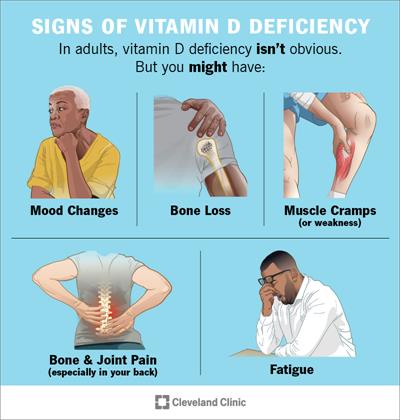
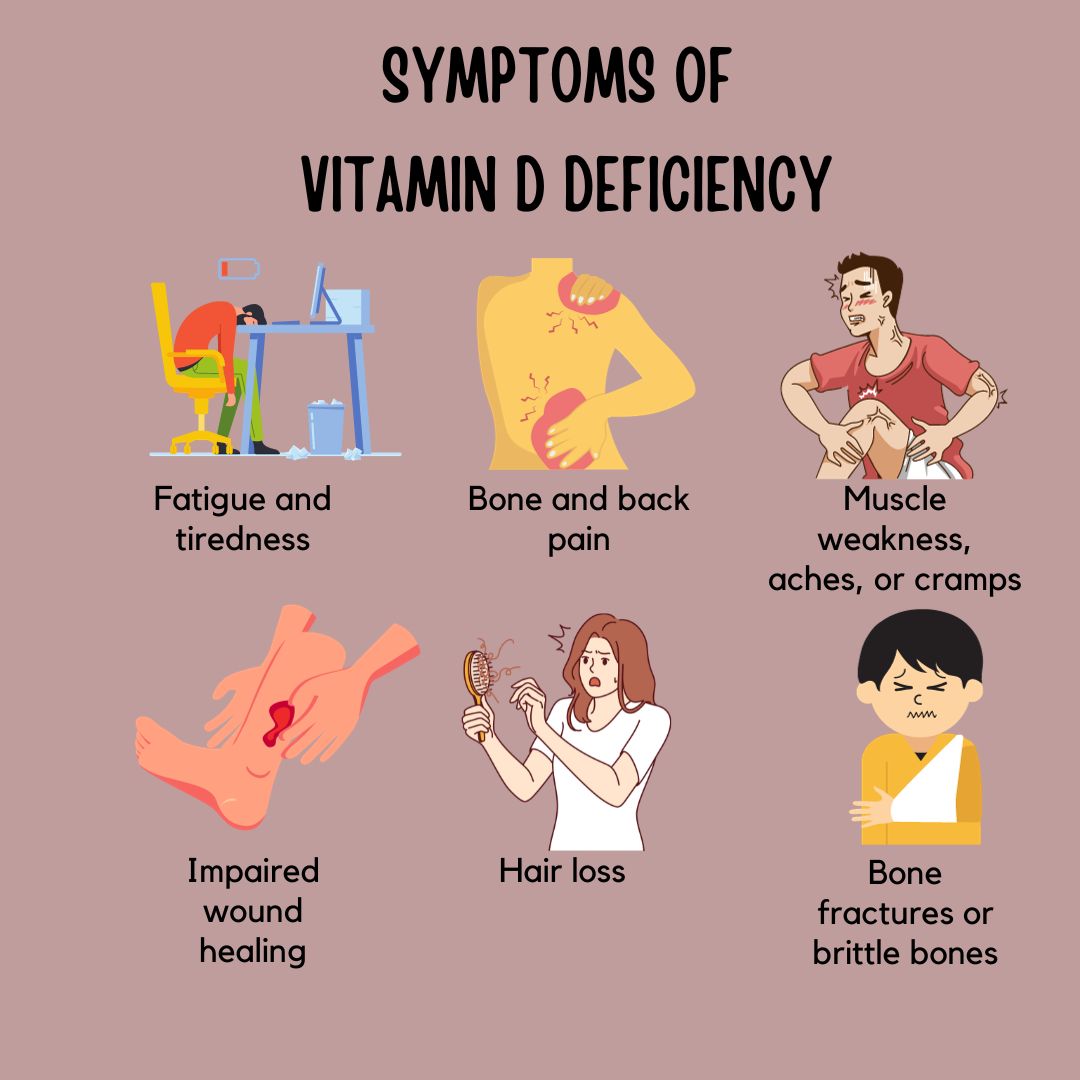
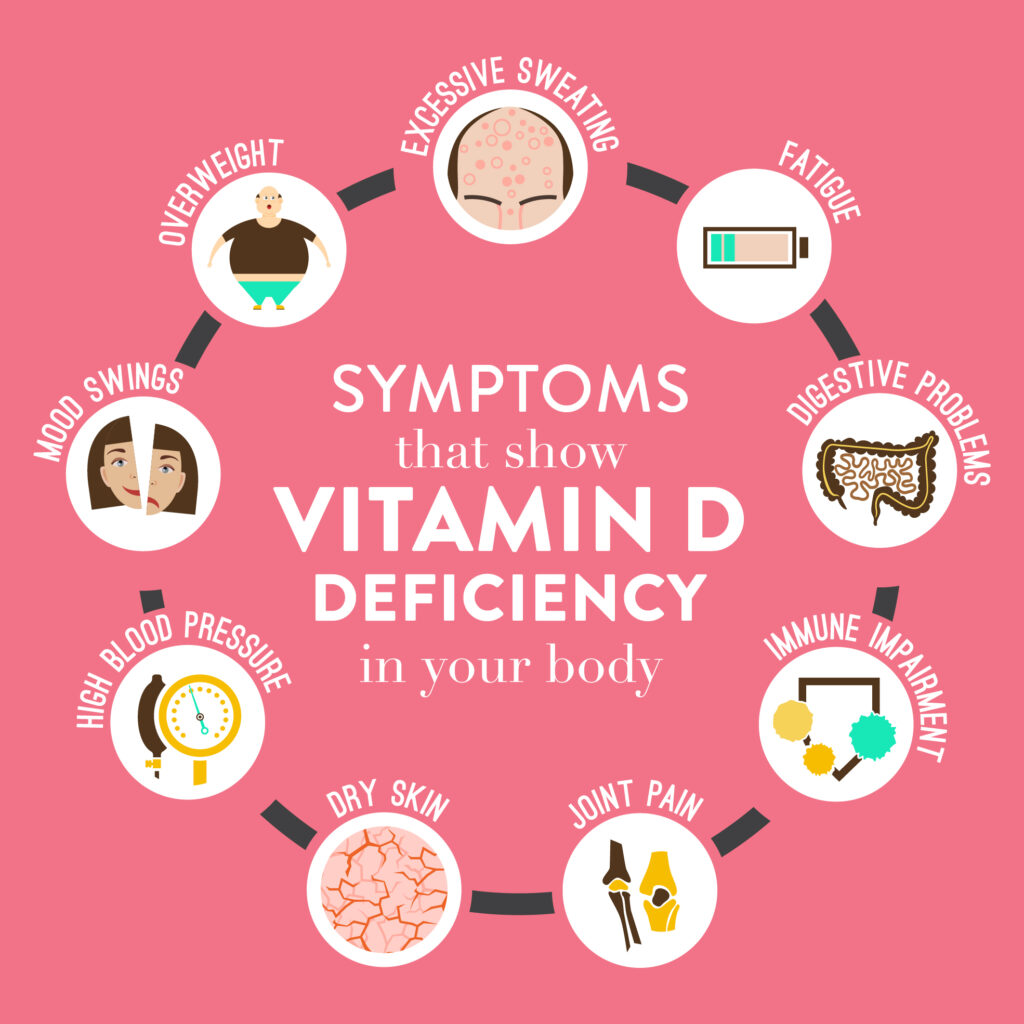
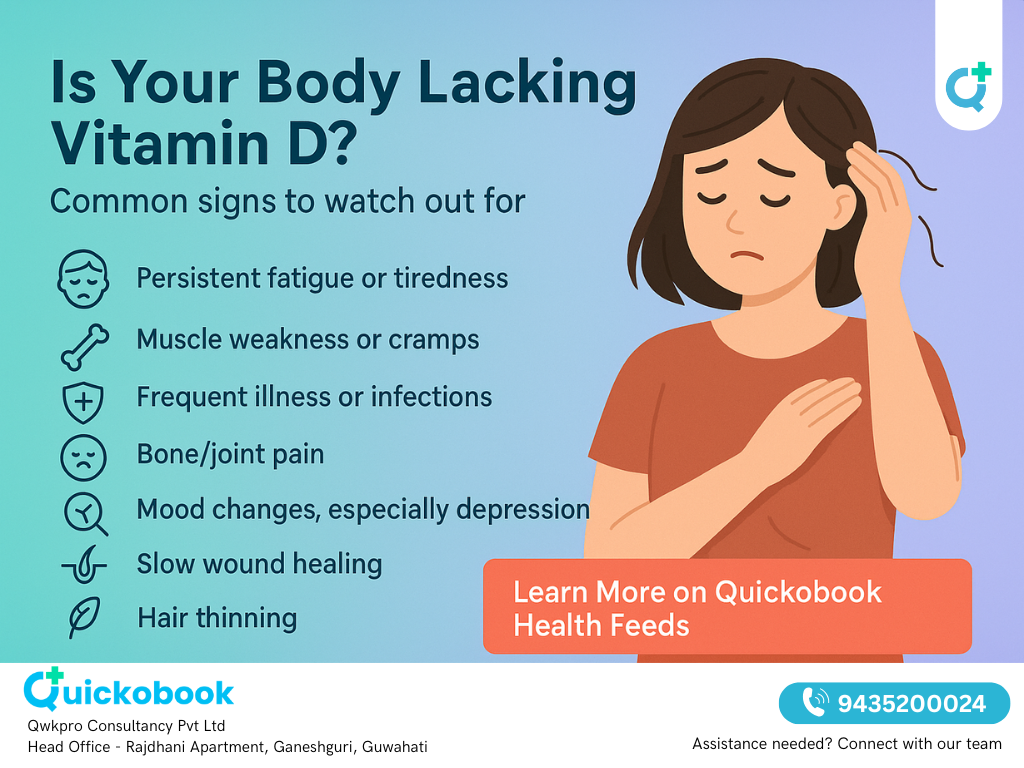
Many people have no obvious symptoms at first. When symptoms appear, they are often vague. Common signs include:
- Bone pain or aches
- Muscle weakness or cramps
- Fatigue and low energy
- Mood changes such as mild depression
- Slow recovery from illness or frequent infections
In children, severe deficiency can cause rickets, a condition that weakens bones. For more symptom detail, Yale Medicine lists muscle pain, bone pain, and tingling sensations among possible signs (Yale Medicine).
How doctors test and diagnose deficiency
Diagnosis is via a blood test that measures 25-hydroxyvitamin D (25(OH)D). Levels are usually reported as nmol/L or ng/mL. Targets vary slightly by guideline, but many clinicians consider levels under 20 ng/mL (50 nmol/L) low.
When to test
- If you have risk factors (obesity, dark skin, limited sun, gut disease).
- If you have symptoms like bone pain, recurrent infection, or weakness.
- Before and during high-dose supplementation under medical care.
How to prevent and treat low vitamin D
Treatment depends on cause and severity. Many people benefit from a combination of sun, diet, and supplements.
Smart sun exposure
Short, regular sun exposure can boost vitamin D without high skin cancer risk. A few minutes of sun on face and arms several times a week may help, but timing and skin type matter. Avoid sunburn.
Dietary sources
Foods that contribute vitamin D include:
- Fatty fish (salmon, mackerel, sardines)
- Fortified milk and plant milks
- Fortified cereals
- Egg yolks
- Some mushrooms exposed to UV light
For quick ideas, the University of Nebraska-Lincoln lists high-vitamin D foods and notes many people are asymptomatic but could still be deficient (UNL Health).
Supplements
Vitamin D3 (cholecalciferol) is commonly used. Dosage depends on your current level, age, weight, and cause. Low-dose daily supplements (800–2000 IU) suit many adults; higher short-term doses may be used under medical supervision. Always check with your clinician before starting high doses.
Address underlying causes
If malabsorption, medication, liver, or kidney disease is the cause, treating the root issue is essential. For example, people with gut disorders may need higher supplement doses or specific formulations. The NCBI page on malabsorption and decreased intake discusses these causes in detail (NCBI).
Practical tips to boost levels safely
- Get tested if you have risk factors or symptoms.
- Spend short time outdoors a few times weekly without sunscreen on small areas—avoid sunburn.
- Include fortified foods and fatty fish in your diet.
- Consider a daily vitamin D3 supplement, especially in winter or if you have limited sun exposure.
- Discuss medication interactions with your doctor.

When to see a healthcare professional
See a clinician if you have ongoing bone pain, muscle weakness, frequent infections, or if you have risk factors like obesity, gut disease, or chronic kidney disease. For straightforward background on possible problems from deficiency, MedlinePlus covers clinical concerns such as rickets in children and bone health in adults (MedlinePlus).
Watch: Quick video on vitamin D deficiency
Video: Vitamin D Deficiency Explained
Common questions about what causes low vitamin D
Here are short answers to frequent concerns.
Is low vitamin D common?
Yes. Many people worldwide have low levels, especially in regions with less sun, among people with darker skin, older adults, and those with obesity.
Can I get enough vitamin D from food alone?
It can be hard. Fortified foods and fatty fish help, but supplements are often needed for people with limited sun or higher needs.
How quickly do supplements raise levels?
Levels usually rise over weeks to months. Your provider can repeat a 25(OH)D test after 8–12 weeks of supplementation to check progress.
Reliable sources and further reading
For authoritative information, check these resources:
- Cleveland Clinic — details on risk factors like obesity and how they affect vitamin D
- MedlinePlus — overview of causes and potential problems
- Yale Medicine — symptoms and clinical signs
- UNL Health — food ideas and symptom notes
- NCBI — review covering malabsorption and decreased intake
Key takeaways
- What causes low vitamin D often relates to limited sun exposure, darker skin, high body fat, aging, gut problems, or certain medications.
- Symptoms can be mild or absent but include bone pain, weakness, and fatigue.
- Testing, sensible sun exposure, food choices, and supplements can restore healthy levels.
Want to learn more? Test your levels if you have risk factors, and talk with your healthcare provider about the best plan for you.
Frequently Asked Questions
How many times did we mention “what causes low vitamin D”?
We highlighted the phrase in key places to make it easy to find the main topic across the guide.
Can sunscreen cause vitamin D deficiency?
Sunscreen can reduce vitamin D production when used strictly, but short, unprotected sun exposure (without burning) plus diet and supplements usually balances benefits and risks.
Should I supplement without testing?
Low-dose daily supplementation is safe for many adults, but testing is best if you have risk factors or need high doses. Discuss with your clinician.
Final thoughts
Understanding what causes low vitamin D helps you take practical steps to protect your bones, muscles, and immune system. Start with a test if you’re at risk, make small lifestyle changes, and use supplements when needed.
Take action today: check your risk, speak with your healthcare provider, and explore more guides at zenpulsehub.com to stay informed and healthy.