High Cortisol Level Symptoms in Women
High cortisol level symptoms in women can be confusing because they overlap with many common issues like stress, weight gain, and fatigue. If you’ve felt unusually tired, had unexplained weight changes, or noticed mood swings, it’s worth learning the signs and what to do next. This guide walks you through the most common symptoms, causes, tests, and practical steps to manage cortisol safely.
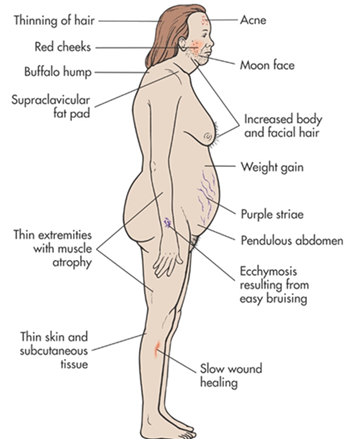
What is cortisol and why it matters
Cortisol is a hormone made by your adrenal glands. It helps regulate metabolism, inflammation, blood sugar, and your body’s response to stress. Short-term cortisol spikes are normal and helpful. But when cortisol stays high for weeks or months, it can produce a range of physical and emotional symptoms—especially in women.
High Cortisol Level Symptoms in Women: Common signs
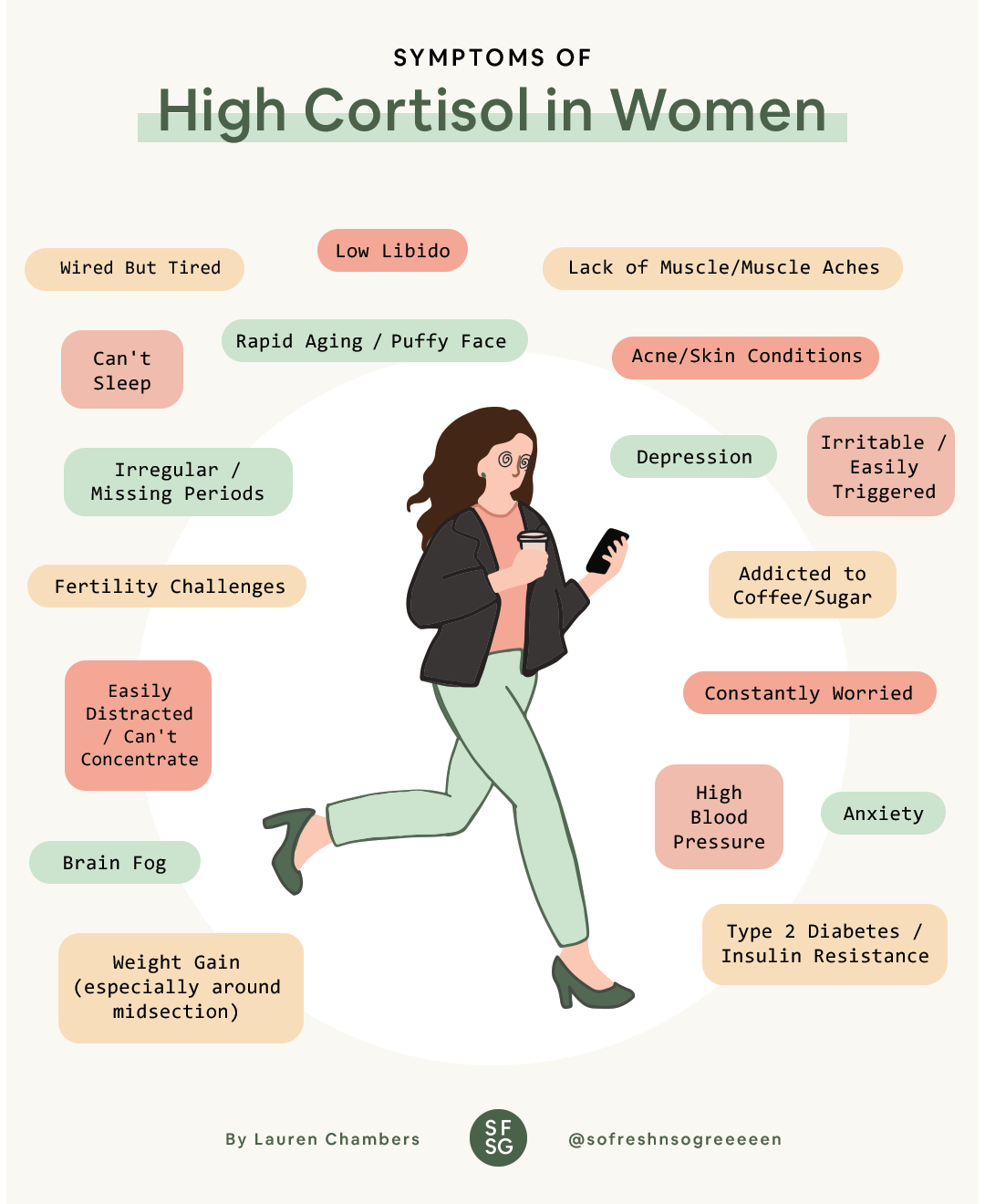
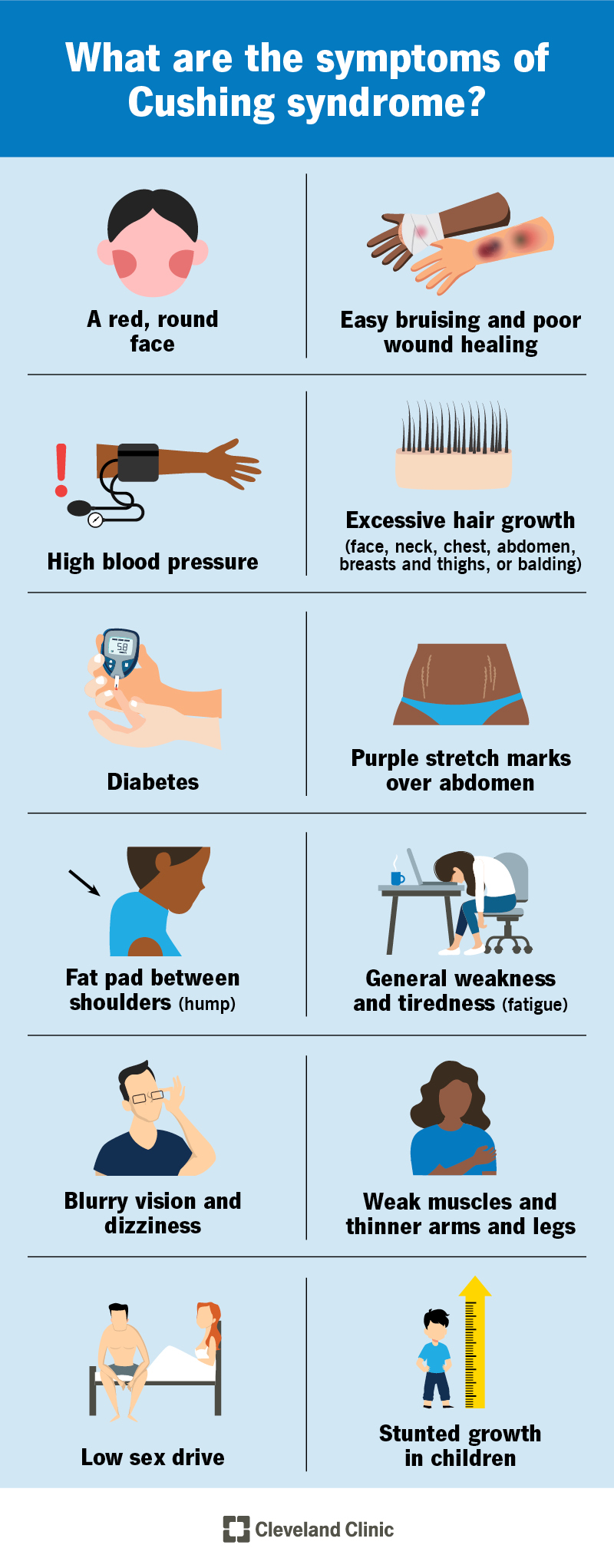
High cortisol level symptoms in women often appear gradually. Pay attention if you notice several of the following:
- Unexplained weight gain, especially around the belly, face, and upper back.
- Fatigue that doesn’t improve with rest.
- Sleep problems like trouble falling asleep or waking up frequently.
- Mood changes — irritability, anxiety, or low mood.
- Thinning skin, easy bruising, and slow wound healing.
- Irregular periods or changes in libido.
- Increased acne or hair changes.
Why these symptoms happen
Cortisol affects many systems in the body. When levels remain high, it promotes fat storage around the midsection, affects sleep cycles, raises blood sugar, and alters immune and reproductive hormones. Over time, this creates the pattern of symptoms listed above.
How doctors confirm high cortisol
If you suspect high cortisol, a clinician will run tests. These often include:
- Saliva cortisol tests (taken late at night)
- Blood cortisol tests
- 24-hour urine free cortisol
- Imaging (CT or MRI) if an adrenal or pituitary cause is suspected
Reliable sources like the Cleveland Clinic explain the typical test options and symptoms in detail: “What are the symptoms of high cortisol levels? · Weight gain, especially in your face and belly · Fatty deposits between your shoulder blades · Wide, purple …”
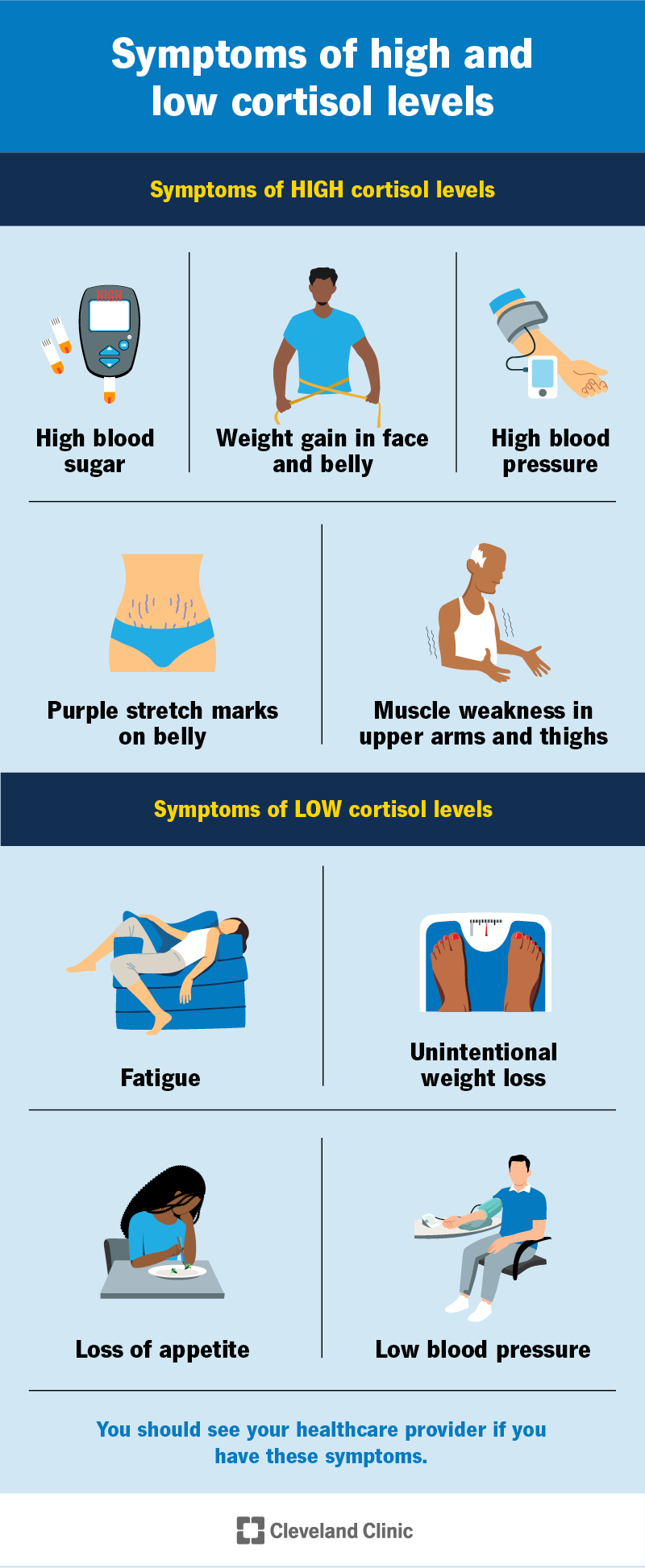
When high cortisol means Cushing syndrome
Very high cortisol levels over time may indicate Cushing syndrome. Typical Cushing signs include a rounded face, a fatty hump between the shoulders, and pink or purple stretch marks. The Mayo Clinic covers these features and causes clearly: “Too much cortisol can cause some of the main symptoms of Cushing syndrome — a fatty hump between the shoulders, a rounded face, and pink or …”
Common causes of high cortisol in women
Understanding the cause helps direct treatment. Common reasons include:
- Chronic stress — long-term stress keeps cortisol elevated.
- Prescription corticosteroids — like prednisone for asthma or autoimmune conditions.
- Adrenal or pituitary tumors — these can drive excess cortisol (Cushing disease).
- Illness — severe infections or health problems may raise cortisol temporarily.
If a tumor is the cause, surgical options such as adrenalectomy may be effective, per guidance from adrenal specialty resources: Adrenal.com notes that minimally invasive adrenalectomy is often used when an adrenal tumor is identified.
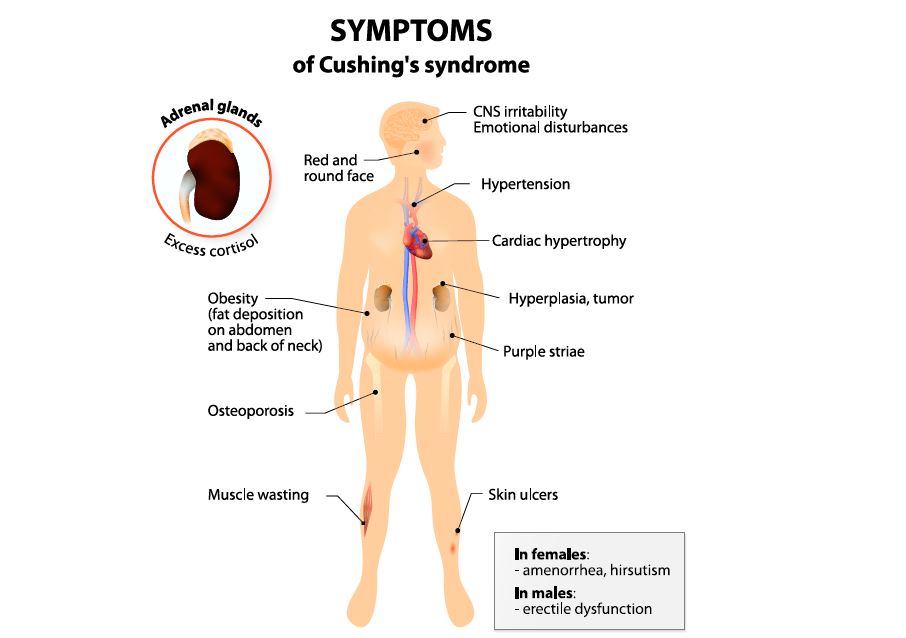
Health risks linked to prolonged high cortisol
When cortisol is high for months, it can increase risk for:
- High blood pressure and heart disease
- Type 2 diabetes or impaired glucose tolerance
- Bone thinning (osteoporosis)
- Depression and anxiety
- Weight-related complications
Trusted health sites like Benenden Hospital explain that elevated cortisol can be tied to anxiety, irritability and even depression, and that the physical changes can have wide effects on brain and body health (Benenden Hospital).
How to manage and lower cortisol safely
Managing high cortisol involves both medical and lifestyle steps. Below are practical actions you can start now.
Medical approaches
- Work with your doctor for accurate testing and diagnosis.
- If a tumor or other medical cause is found, follow recommended treatments (surgery, medications, radiation as needed).
- If corticosteroid medication is the cause, never stop suddenly—speak with your prescriber about tapering.
Practical lifestyle steps
- Improve sleep: aim for consistent bedtime and wake time. Limit screens before bed.
- Reduce chronic stress: try brief daily practices like deep breathing, meditation, or a 10–20 minute walk.
- Eat balanced meals with protein, fiber, and healthy fats to stabilize blood sugar.
- Move regularly: moderate exercise helps cortisol balance—avoid overtraining.
- Build social support: talk to friends, family, or a counselor about long-term stressors.
Simple, consistent habits often make a big difference. For example, steady sleep and reducing caffeine late in the day both help lower evening cortisol spikes.
When to see a doctor
See your healthcare provider if you have several symptoms that are getting worse or affecting daily life—especially rapid weight gain around the midsection, persistent fatigue, mood changes, or irregular periods. Early evaluation helps rule out conditions like Cushing syndrome and guides quicker, safer treatment.
Questions you can ask your clinician
- Could my symptoms be caused by high cortisol?
- What tests do you recommend and how are they done?
- If tests show high cortisol, what are the likely causes?
- What treatment options fit my situation?
Reliable sources and further reading
For more on symptoms and testing, check these resources:
- Cleveland Clinic – Cortisol — symptoms and testing explained. (“What are the symptoms of high cortisol levels? · Weight gain, especially in your face and belly · Fatty deposits between your shoulder blades · Wide, purple …”)
- Mayo Clinic – Cushing syndrome — typical signs like a rounded face and fatty hump.
- Adrenal.com – Signs of high cortisol — discusses diagnosis and surgical options when tumors are present.
- Benenden Hospital – Cortisol levels — testing and symptoms overview. (Notes: tendency to bruise easily, thinning skin, increased acne.)
Practical checklist: Start here
Use this short checklist to see if you should talk to a clinician:
- Do you have persistent weight gain around your midsection or face?
- Are you dealing with ongoing fatigue or sleep loss?
- Have you noticed mood changes, more anxiety, or more irritability?
- Is your skin thinning or bruising more easily?
If you answered yes to two or more, schedule a visit and mention these concerns. Early conversation can speed diagnosis and reduce long-term effects.
Video: Quick overview
Watch this short video for a visual summary of signs and next steps:
Summary: Key takeaways
High cortisol level symptoms in women can be subtle at first but often follow a pattern: weight changes, fatigue, sleep problems, mood shifts, and skin changes. A mix of medical testing and lifestyle changes usually helps. If you suspect a medical cause, seek evaluation—especially if symptoms are severe or worsening.
Final note: Small, steady steps—better sleep, stress reduction, balanced meals, and medical follow-up—make a real difference in bringing cortisol back into balance.
Frequently Asked Questions
Can stress alone cause long-term high cortisol?
Yes. Chronic stress can keep cortisol elevated over time. If stress is sustained for weeks to months without relief, cortisol-related symptoms can appear. Addressing stress through lifestyle changes and professional support is important.
Do blood tests always show high cortisol?
Not always. Cortisol fluctuates during the day. Doctors often use late-night saliva tests, 24-hour urine tests, or multiple blood tests to get accurate results.
Is weight gain from high cortisol reversible?
Often yes, especially when the underlying cause is treated and lifestyle changes (nutrition, sleep, exercise) are implemented. For tumor-related causes, medical or surgical treatment may be needed.
Where can I learn more about diagnostic options?
Trusted hospitals like the Cleveland Clinic and Mayo Clinic provide clear guides on testing and diagnosis (see links above). Your doctor can explain which tests fit your symptoms.
Want more guides like this? Explore helpful articles and practical tips at zenpulsehub.com to take control of your health and feel better every day.