
Mindfulness Breathing Exercise for Anxiety Guide
Feeling overwhelmed? A simple mindfulness breathing exercise for anxiety can help you calm your nervous system, lower stress, and return your focus to the present moment. In the next few minutes you’ll learn a straightforward practice, why it works, and how to fit it into a busy day.
Mindfulness Breathing Exercise for Anxiety: Simple Practice
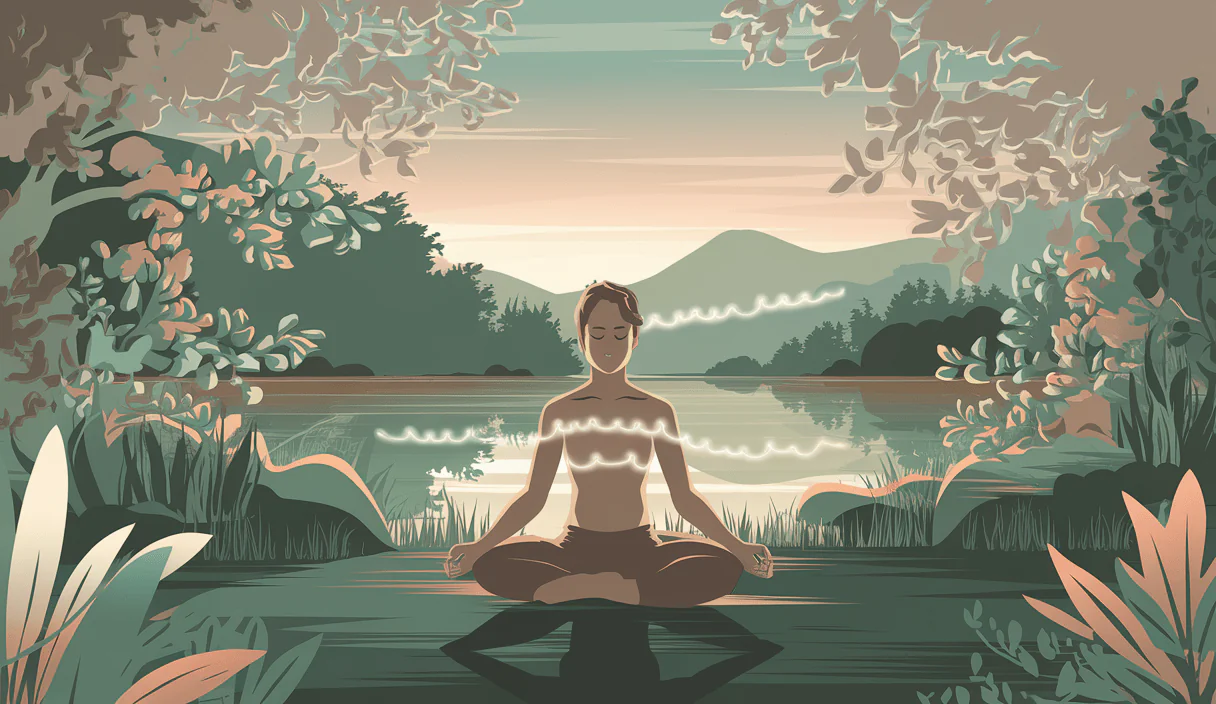
This step-by-step breathing practice is beginner-friendly and works anywhere—at your desk, in a park, or before bed. Try it now:
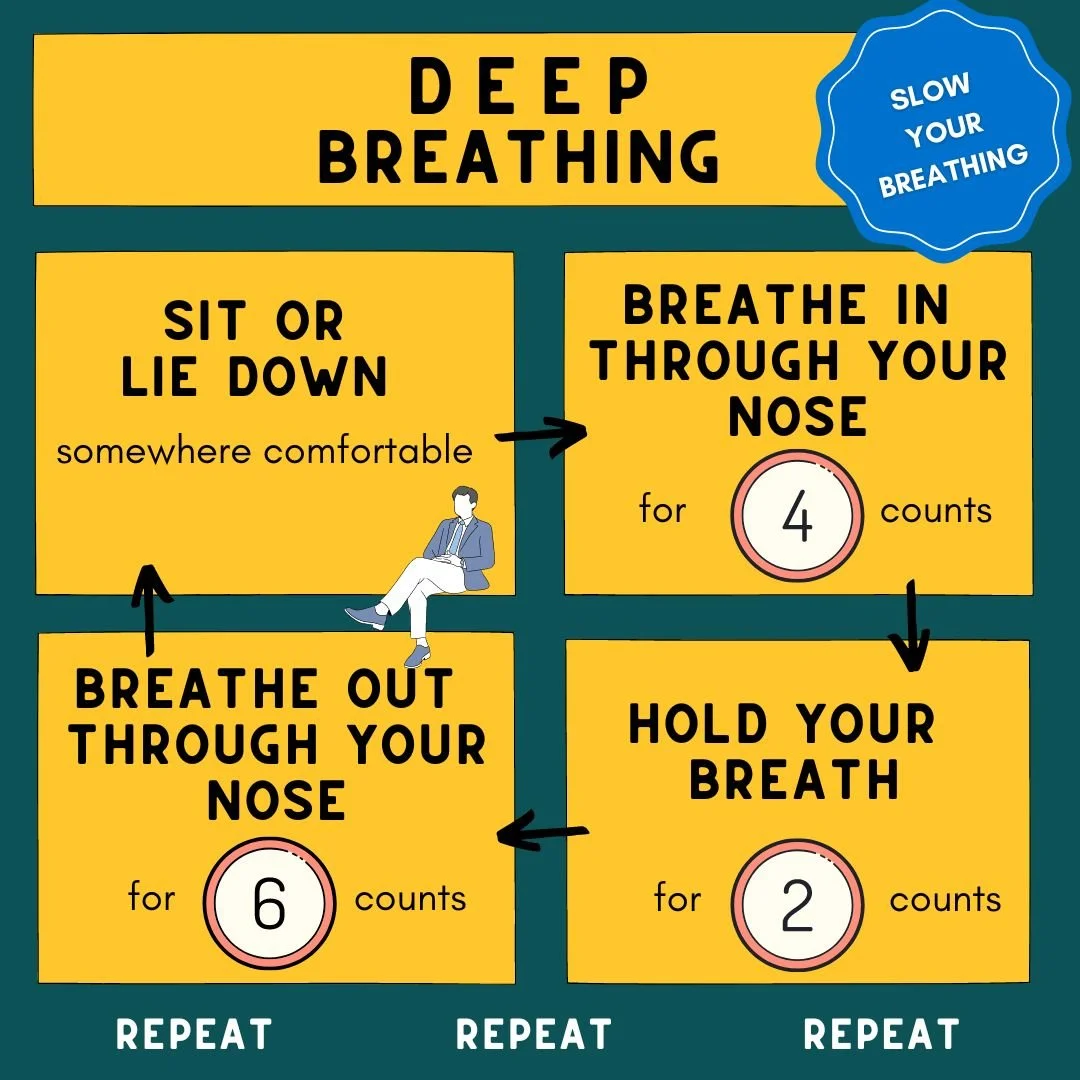
- Find a comfortable position. Sit with a straight back or lie on your back with knees slightly bent. Relax your shoulders.
- Close your eyes (or soften your gaze). Rest one hand on your belly and one on your chest to feel the movement.
- Inhale slowly through your nose for 4 counts. Feel your belly rise under your hand.
- Hold for 2 counts (optional and gentle—only if comfortable).
- Exhale gently through your mouth for 6 counts. Let the belly fall. Longer exhalations help the parasympathetic system engage.
- Repeat for 5–10 minutes. If your mind wanders, gently bring attention back to the breath—no judgement.
Why this mindfulness breathing exercise for anxiety works
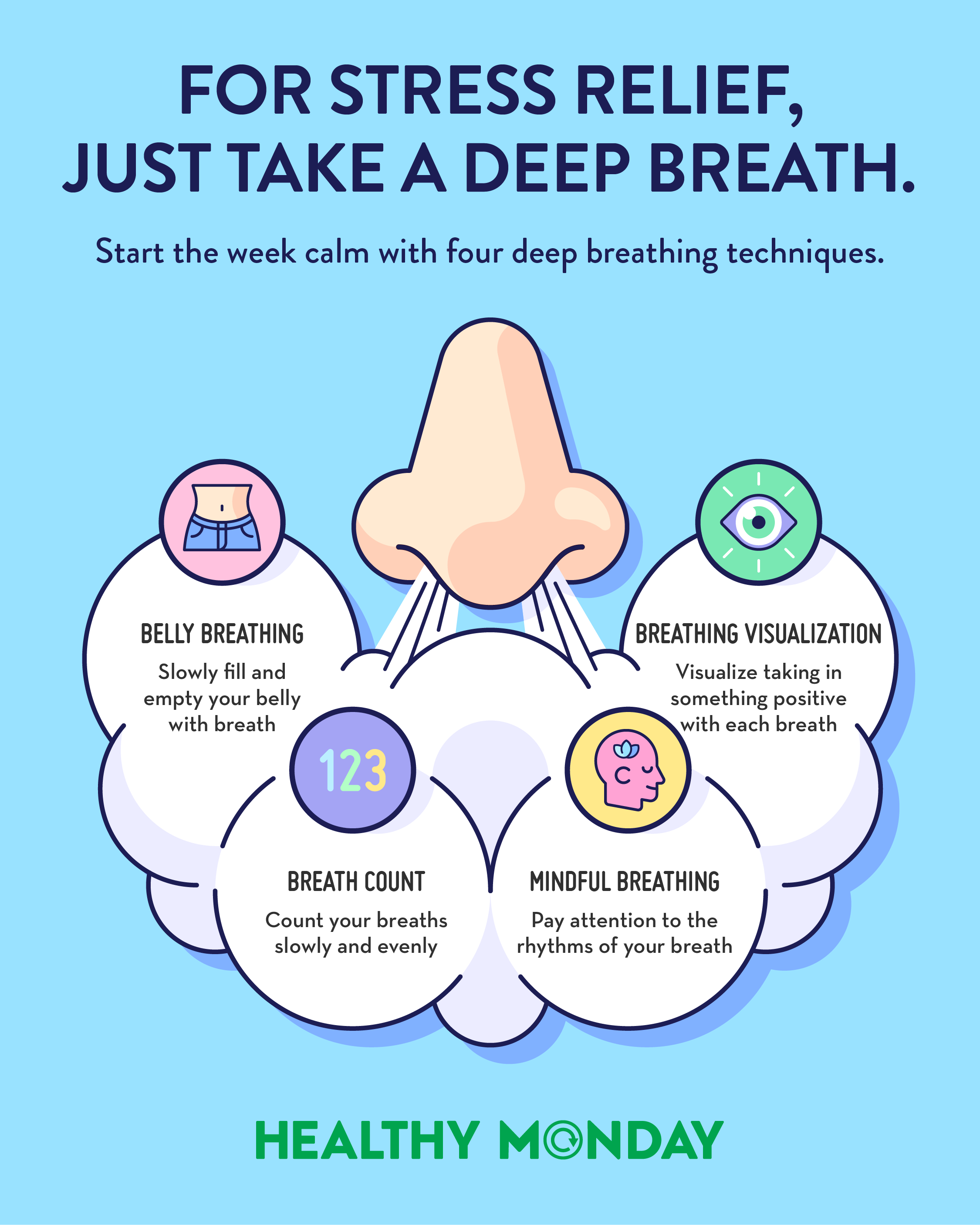
Breathing connects directly with the autonomic nervous system. When you breathe slowly and fully, you activate the parasympathetic (rest-and-digest) response. That reduces heart rate, lowers stress hormones, and helps the brain shift out of the “fight-or-flight” reaction.
Research supports this approach: a systematic study found mindfulness breathing practices can significantly reduce stress and anxiety in students and other groups (see the study at the National Library of Medicine for details). For practical NHS guidance on breathing exercises for stress, check this NHS page for tried-and-tested techniques.
Helpful links:
Quick variations and when to use them
There’s no single right way to practice. Below are gentle variations you can adapt depending on time, environment, and how you feel.
2–5 minute emergency reset
- 3 deep belly breaths: inhale 4, exhale 6. Repeat 3x and notice the tension ease.
- Use when panic rises or before a stressful conversation.
10–15 minute focused session
- Sit comfortably and practice the 4-2-6 pattern for 10 minutes. Notice thoughts come and go without chasing them.
- Great for morning routines or unwinding before sleep.
Kids-friendly breaths
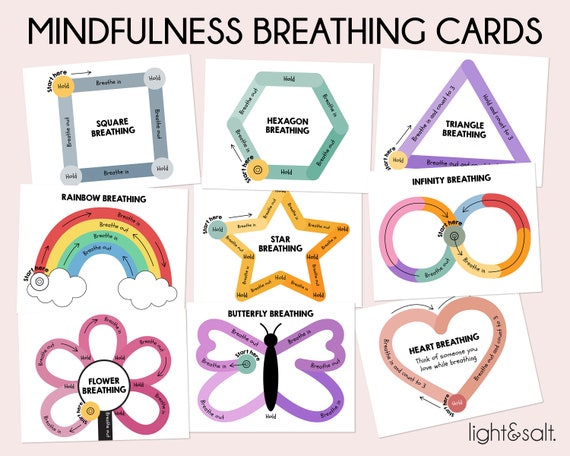
For children, use playful imagery—blow up an imaginary balloon on the inhale and slowly deflate it on the exhale. This adapts the same physiology for younger learners (image below shows activities tailored to kids).
How to build a brief daily habit
Consistency beats intensity. Commit to a short daily practice to make lasting gains over time. Try this simple plan:
- Week 1: 3 minutes each morning.
- Week 2: 5 minutes morning + 3 minutes evening.
- Week 3: 10 minutes most days, add a short reset during lunch or when anxious.
Use reminders on your phone or calendar. A short guided audio or video can help—try a guided breathing walk-through with teachers like Dr. Christiane Wolf to anchor your practice (video example).
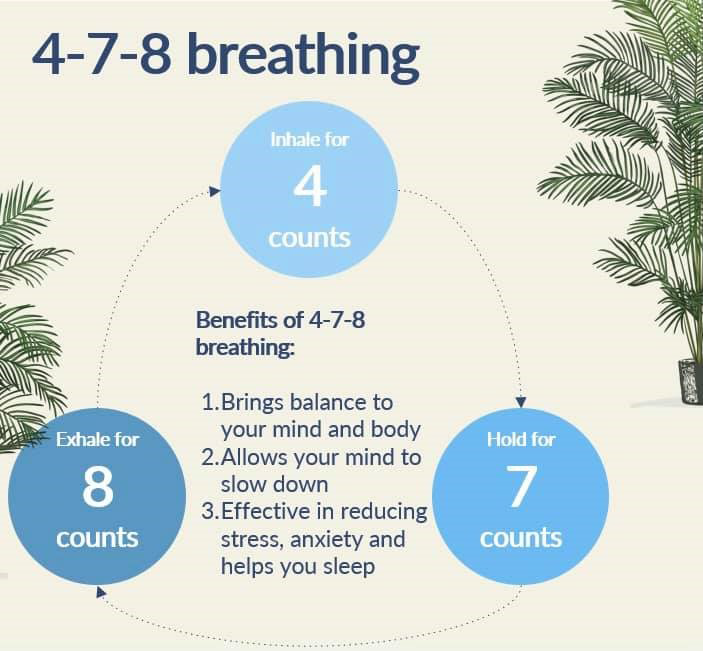
Tips to get the most from this practice
- Be kind to wandering thoughts. Noticing and returning to the breath is the practice.
- Lengthen the exhale. Aim for slightly longer exhales to calm the nervous system.
- Use posture. Sitting tall but relaxed supports deeper diaphragmatic breathing.
- Practice before triggers. A short breathing exercise can steady you before an anxiety-provoking task.
How this differs from other breathing exercises
This mindfulness breathing exercise for anxiety pairs attention with breath. Unlike purely mechanical breath-counting, mindfulness adds curiosity and nonjudgmental awareness. That combination helps reshape habitual stress responses over time.
Guided video: follow along
Prefer a guided session? Below is an embedded practice you can press play and follow along. The short, calming video guides you through pacing and mindful attention.
Common questions and quick answers
How long until I notice results?
Many people feel calmer after one short session. For sustained reductions in baseline anxiety, practicing daily for several weeks brings clearer benefits. Research shows mindfulness breathing can reduce stress and anxiety in students and adult populations over time (see the PMC article linked above).
Can breathing exercises replace therapy or medication?
Breathing exercises are a useful tool but not a replacement for professional care if you have an anxiety disorder or severe symptoms. Use them alongside therapy and medication when recommended by your clinician.
What if I feel lightheaded?
Slow, gentle breathing is safe for most people. If you feel lightheaded, reduce depth and pace, breathe normally for a minute, then resume more gently. If symptoms persist, stop and consult a healthcare professional.
More resources and guided practices
Want extra guided options? Try these trusted resources:
- Relieve Stress and Anxiety with grounding guided meditation (The Mindful Movement)
- NHS breathing exercises for stress
- NHS Inform: Breathing and relaxation exercises
Safety and special considerations
If you have respiratory conditions (like asthma or COPD) or heart concerns, check with your healthcare provider before starting a new breathing routine. Pregnant people should keep practices gentle and consult their clinician if unsure.
:max_bytes(150000):strip_icc()/GettyImages-1477424646-dc1d4fd307a74cca920b9d326d320540.jpg)
Final thoughts
This mindfulness breathing exercise for anxiety is a small, accessible habit with real benefits. Practice with curiosity, be patient with progress, and use the quick resets when life gets intense.
Ready to try one now? Take two minutes to do a 4-2-6 round: breathe in for 4, hold 2, out for 6. Notice the shift. Then explore more guides and practices to build a calmer, steadier daily rhythm.
Call-to-action: Want more practical guides and short practices? Explore additional articles and guided sessions at zenpulsehub.com to keep growing your calm.