
Natural Ways to Reduce Stress Today
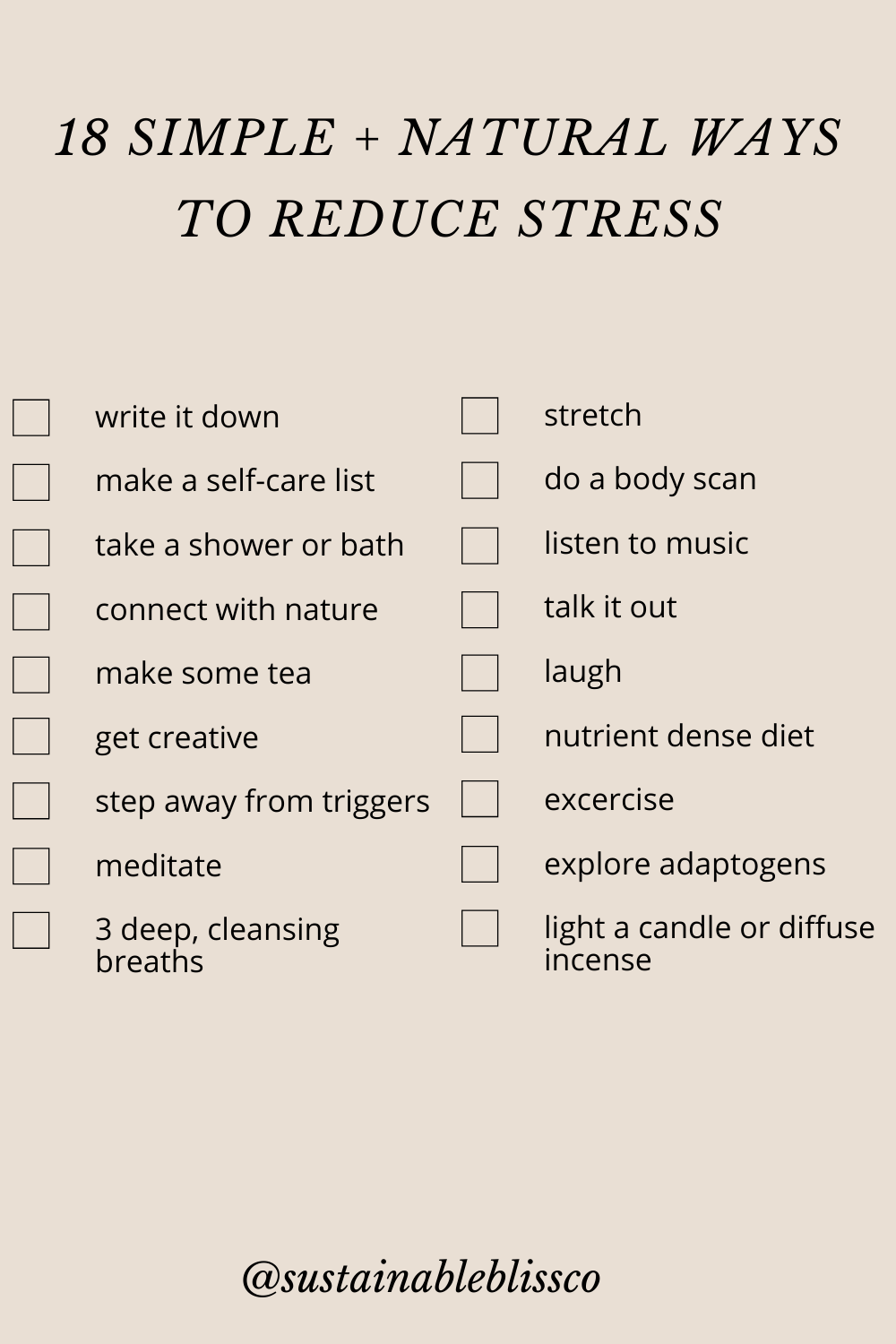
Natural ways to reduce stress are simple habits you can use every day to calm your mind and protect your health. This guide shares science-backed tips, quick routines, and easy lifestyle changes to help you feel steadier, sleep better, and handle pressure with more confidence.
Stress is normal, but chronic stress wears on your body and mind. Below you’ll find practical techniques — from breathing exercises and movement to food, nature, and social strategies — that you can start using right now.

Why choose natural ways to reduce stress?
Many people prefer natural methods because they are low-cost, gentle, and easy to fit into daily life. These strategies often have other health benefits — better sleep, more energy, clearer thinking. They can be used alone or alongside therapy and medical care.
How to start: a simple daily stress toolkit
Begin with a short, repeatable routine. Try this 10-minute toolkit and build from there:
- 2 minutes of deep breathing (box or diaphragmatic breathing).
- 3 minutes of gentle stretching or walking.
- 3 minutes of grounding or mindfulness — notice 5 things you see, 4 you feel, 3 you hear, 2 you smell, 1 you taste.
- 2 minutes to plan one small, doable action for the rest of the day.
Top natural ways to reduce stress (practical and evidence-based)
Below are the most reliable, natural stress relievers you can adopt. I include quick how-to tips and when to use each one.
1. Breathe: quick reset for the nervous system
Breathing exercises calm your nervous system and drop stress hormones fast. Try box breathing: inhale 4 counts, hold 4, exhale 4, hold 4. Repeat 4 times. For longer relief, practice diaphragmatic breathing for 5–10 minutes.
When to use: morning, before meetings, or whenever you feel overwhelmed.
2. Move your body
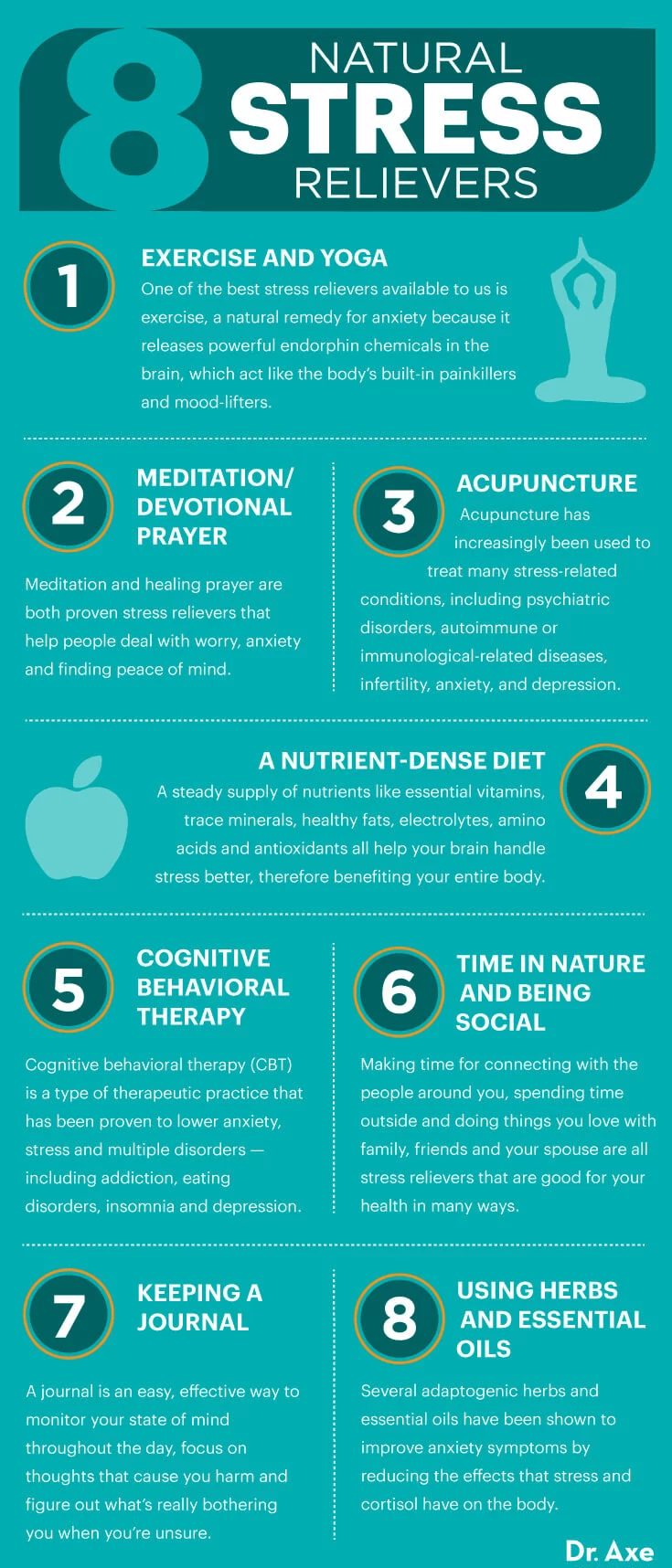
Exercise reduces stress by releasing endorphins and improving sleep. It doesn’t have to be intense — a brisk 20–30 minute walk, yoga class, or short home workout works well. According to resources like Healthline, regular activity is one of the top ways to relieve stress and anxiety.
Tip: schedule movement like an appointment so it becomes routine.
3. Practice mindfulness or short meditations
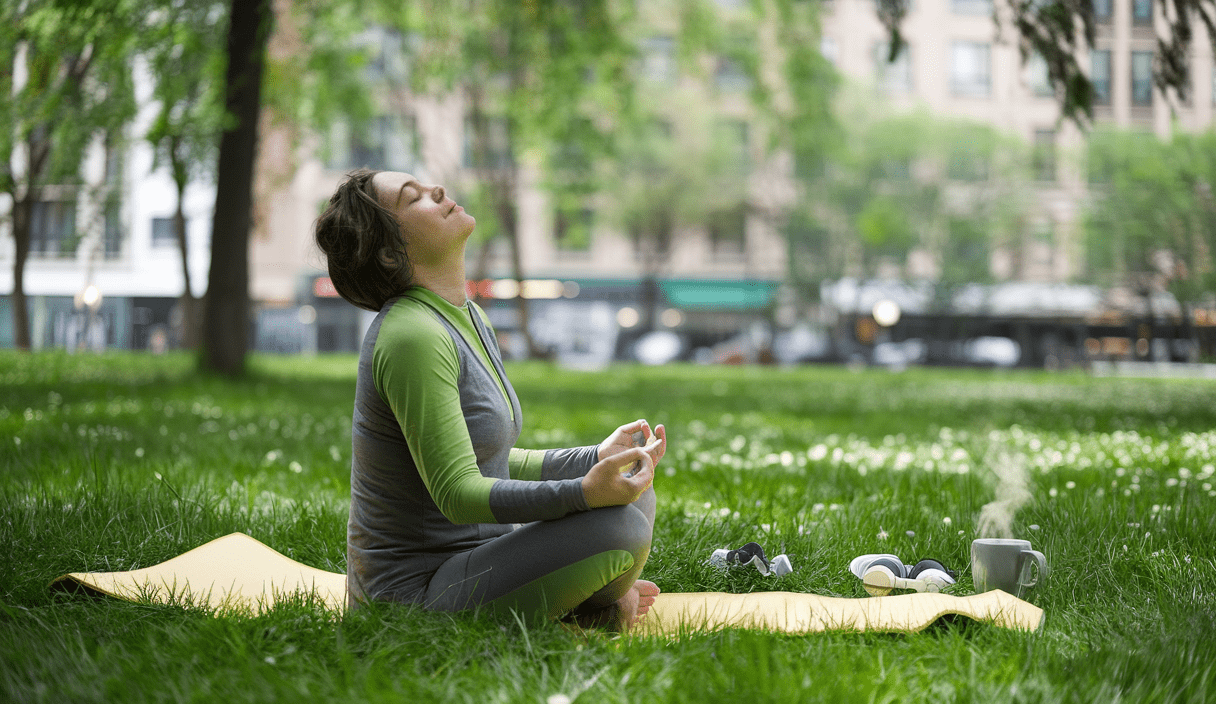
Even 5 minutes of mindfulness helps lower stress. Sit quietly, focus on breath, and gently return attention when the mind wanders. Apps and guided sessions can help, but simple silence works too. Meditation improves resilience and reduces reactivity to stress.
4. Prioritize sleep
Sleep is foundational. Without enough rest, stress builds faster and coping feels harder. Follow consistent sleep times, wind down without screens, and aim for 7–9 hours nightly. Harvard Health highlights good sleep, a plant-forward diet, exercise, and meditation as key ways to reduce daily stress.
5. Nourish your body
Small changes in diet support stress reduction. Eat regular meals, include whole foods, and reduce excess caffeine and sugar that can heighten anxiety.
Quick swaps: swap sugary drinks for water or herbal tea, add leafy greens and healthy fats, and include lean protein or legumes to stabilize energy.
6. Get outside and find sunlight
Nature calms the mind. A short walk in green space, time in the sun, or even tending a plant reduces stress markers. The University of Colorado recommends finding the sun and taking quick walks as easy, immediate ways to lower stress.
7. Use music and sound
Listening to music distracts the mind, reduces muscle tension, and lowers stress hormones. The Mayo Clinic notes that music can be a powerful stress reliever — try calming playlists during work or an upbeat tune for quick mood boosts.
8. Connect with people
Social support is one of the most reliable buffers against stress. Call a friend, join a group, or spend quality time with family. The NHS recommends connecting with others and carving out “me time” to balance social needs and rest.
9. Try aromatherapy and calming rituals
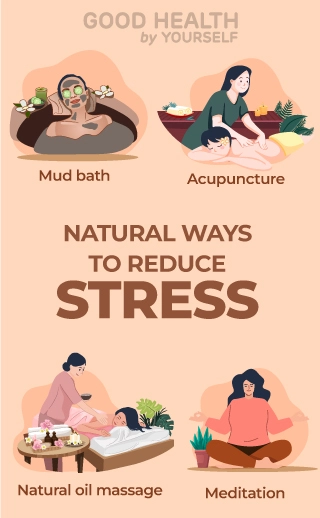
Scents like lavender, bergamot, and chamomile can promote relaxation. Use a diffuser, a scented candle (safely), or a warm bath to create a calming ritual. Rituals give your brain predictable signals that it’s time to relax.
10. Limit screen time and news overload
Constant alerts and news can spike anxiety. Set boundaries: schedule specific times to check email and news, use night mode, and take screen-free breaks during the day.
11. Practice gratitude and reframing
Spend a minute noting 3 things that went well today. Gratitude shifts focus away from threats and reduces stress. Cognitive reframing — asking “What’s another way to see this?” — also lowers reactivity and increases problem-solving.
12. Seek touch therapy: massage and self-massage
Massage reduces muscle tension and stress hormones. You can do a short self-massage on your hands, neck, or face for immediate calm. The University of Colorado list includes simple techniques like hand massage as quick stress fixes.
13. Spend time with pets
Pets provide comfort and lower stress — petting an animal can reduce heart rate and anxiety. If you don’t have a pet, consider volunteering at an animal shelter for a mood boost.
14. Set realistic limits and control where you can
Stress often grows from feeling out of control. Identify what’s within your control and let go of the rest. Break projects into small steps and delegate when possible. The NHS recommends taking control and having “me time” as core strategies to manage stress.
15. Try creativity and hobbies
Engaging in creative tasks — drawing, cooking, crafting — shifts attention away from stress and into flow. These activities are effective natural ways to reduce stress because they combine focus with enjoyment.
Creating a stress-reduction plan that sticks
Consistency matters more than perfection. Choose 3–4 natural ways to reduce stress from the list above and commit to them for two weeks. Track your mood and energy to see what helps most.
Sample 7-day mini plan
- Day 1: 5 minutes of breathing + 20-minute walk
- Day 2: 10-minute guided meditation + meet a friend for coffee
- Day 3: Reduce caffeine, add a green salad with healthy fats
- Day 4: Screen-free evening + gratitude journal
- Day 5: Nature walk + calming playlist (Mayo Clinic recommends music for stress relief)
- Day 6: Try aromatherapy and a warm bath
- Day 7: Review what worked and schedule repeat activities

When to seek professional help
Natural methods help many people, but sometimes stress becomes overwhelming. Contact a mental health professional if you experience persistent panic attacks, trouble functioning, severe sleep loss, or suicidal thoughts. These are signs that you may need structured therapy or medical support.
Useful expert resources
- Mayo Clinic — music and relaxation tips to ease stress.
- University of Colorado — quick, practical ways to lower stress in minutes.
- Healthline — science-based lifestyle tips for stress and anxiety relief.
- NHS — everyday actions: be active, connect, and take control.
- Harvard Health — top strategies for daily stress reduction, including sleep and meditation.
Watch a guided practice
Use short videos for guided breathing, relaxation, or a quick stretching break. Here’s one you can play right now:
Common questions about natural stress relief
People often ask how quickly these methods work and whether they really help long-term. Short answer: yes — many techniques give immediate relief and, when practiced regularly, build resilience and lower long-term stress.
Key takeaways
- Start small. Pick two routines and repeat them daily.
- Mix quick fixes and long-term habits. Breathing calms you now; sleep and exercise build resilience over time.
- Track results. Note mood, sleep, and energy to see what works.
Natural ways to reduce stress are accessible and effective. Use the strategies above to craft a plan that fits your life — then adjust and grow from there.
Ready to start? Try a 7-day mini plan and revisit this guide to add new habits.
Explore more guides and in-depth routines on zenpulsehub.com to build your calm toolkit.
FAQs: Natural stress relief
How fast do natural methods reduce stress?
Some methods, like deep breathing and a short walk, can reduce stress within minutes. Others, such as better sleep and regular exercise, build stronger benefits over weeks to months.
Can natural strategies replace therapy or medication?
Natural strategies help many people and are great complements to therapy. However, they may not replace professional care for severe anxiety, panic, or depression. Seek professional advice if symptoms are intense or persistent.
How many of these strategies should I use?
Start with 3–4 practices you can realistically do each week. Consistency matters more than quantity. Track how you feel and adjust your plan over time.
Are there risks to natural methods?
Most are low-risk. Check with your doctor before starting intense exercise if you have health concerns. For sleep or mood disturbances that don’t improve, consult a healthcare provider.
Conclusion
Use these natural ways to reduce stress as a flexible toolkit. Start small, be consistent, and celebrate small wins. For more step-by-step guides and practical routines, explore more content at zenpulsehub.com — your next level of calm starts here.