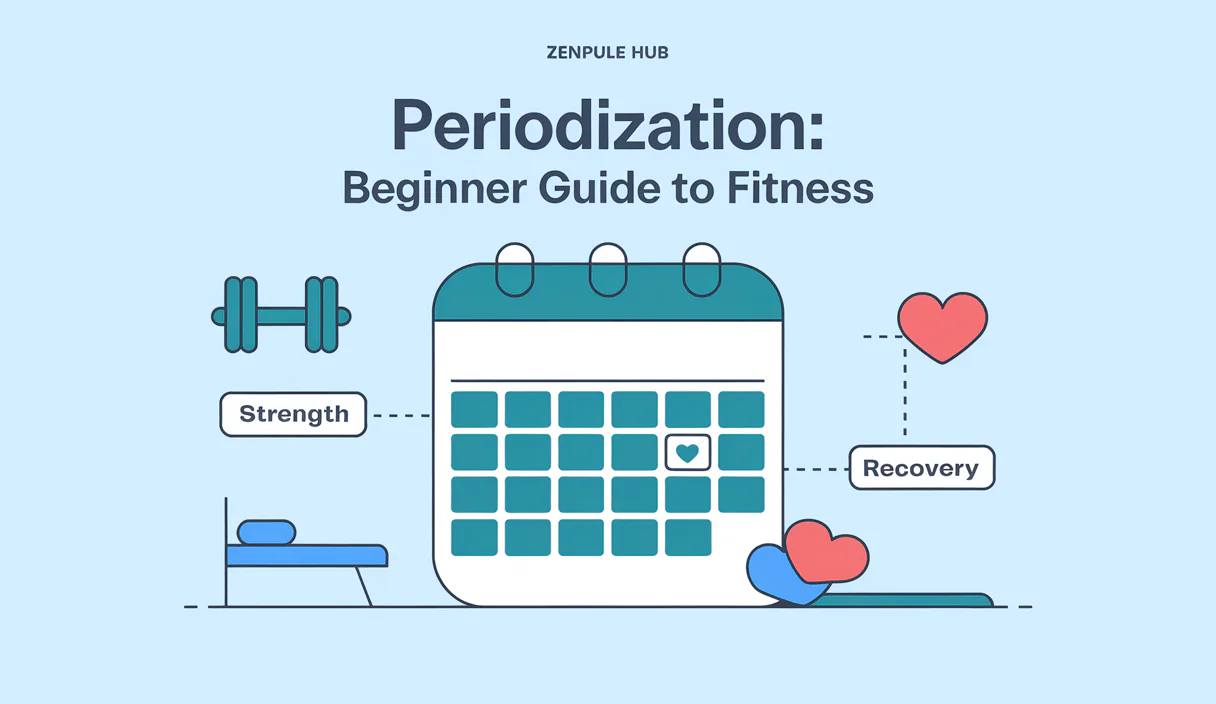

Periodization: Beginner Guide to Fitness
Periodization is a simple, proven way to structure your workouts so you make steady gains, avoid burnout, and hit specific goals. If you’re new to training or have hit a plateau, this beginner guide breaks down the what, why, and how in friendly, actionable steps.

What is periodization?
At its core, periodization is a training plan that divides time into blocks (weeks or months) with specific goals. Instead of doing random workouts, you follow a structured cycle that changes intensity, volume, and focus. This helps your body adapt efficiently and keeps progress steady.
Why it works
Training stress + recovery = adaptation. Periodization manipulates stress (load, reps, sets, rest) and recovery so you improve without overtraining. It’s used by athletes, coaches, and many fitness apps because it optimizes performance over weeks and months.
Benefits of using a periodized plan
- Better progress: You avoid plateaus by changing stimulus over time.
- Reduced injury risk: Planned deloads and variation protect joints and nervous system.
- Goal-focused: Cycle toward strength, hypertrophy, or endurance depending on the block.
- Motivation: Short-term wins inside each block keep you engaged.

Common types of periodization
There are several ways to periodize. Here are the most beginner-friendly approaches:
Linear periodization
Start with higher volume and lower intensity, then gradually increase intensity while reducing reps. This is easy to follow and great for novices. An example is adding weight to a lift each week for 4–8 weeks, then a deload week. For a plain-language walk-through see the NASM summary of periodization training here.
Undulating periodization
Volume and intensity change more frequently (daily or weekly). Good if you want variety and to train strength and hypertrophy in the same week. Reddit communities focused on bodyweight and lifting often discuss swapping difficulty weekly to progress safely; see a practical thread about this here.
Block periodization
You focus on one quality per block: base endurance, strength, power, then peak. This is common in sport-specific training where timing a peak matters.
How to build a beginner periodization plan
Start simple. Follow these steps:
- Pick a primary goal (strength, muscle, fat loss, sport performance).
- Decide your cycle length (8–12 weeks is common for beginners).
- Break the cycle into blocks (e.g., 3-week build + 1-week deload, repeat).
- Assign weekly focus (heavy weeks, moderate, light).
- Track load and recovery (notes, RPE, sleep, energy).
For a beginner, a simple linear block of 8 weeks with progressive overload and a deload every 4th week is a practical start. If you want more details and examples, Barpath Fitness offers a useful beginner guide to periodization that explains the structure and benefits in plain language: Periodization Training: A Beginner’s Guide.

Sample 8-week plan (beginner-friendly)
This is an example for someone focused on strength and muscle. Weeks 1–4 build; week 4 is a lighter deload. Weeks 5–8 increase intensity and peak for week 8.
- Weeks 1-3: 3 workouts per week, compound lifts, 3–5 sets of 8–12 reps. Add small weight increases each week.
- Week 4 (deload): Reduce volume by ~40% and use lighter weights to recover.
- Weeks 5-7: Shift to 3–5 sets of 4–8 reps, heavier loads; include accessory work for weak points.
- Week 8 (peak/test): Test 1-3 rep max on compound lift or measure progress with a performance test.
Keep notes on what worked and how you felt. A structured program like Renaissance Periodization has templates if you want to dive deeper; curations and community guides such as the xxfitness lifting wiki collect many program options: xxfitness lifting programs.
Progress tracking: what to measure
Progress tracking helps you know if the plan works. Track:
- Weights, sets, and reps per exercise
- Rate of Perceived Exertion (RPE)
- Sleep, energy, soreness
- Body measurements and photos every 4 weeks
If you want to learn about monitoring load specifically for team sports, see the practical monitoring piece on minglesport that covers internal load and athlete readiness: Monitoring Load in Football (source linked above).
Nutrition and recovery in a periodized plan
Training cycles interact with calories and recovery. If you’re prioritizing strength, maintain a calorie balance that supports recovery. If you’re aiming to lose fat, plan your diet so intense training blocks coincide with days when you have slightly higher calories or carbs for performance.
Good sleep, mobility work, and planned deloads are as important as the workouts themselves. For medical and fitness community overviews on periodization and recovery, Healthline provides a clear beginner-facing article with practical advice: Healthline: Periodization Training.
Common mistakes to avoid
- No plan: Random workouts rarely produce consistent gains.
- Too fast progression: Jumping loads too quickly leads to injury.
- Skipping deloads: Recovery weeks are productive, not lazy.
- Ignoring nutrition: Training without fueling wastes progress.
Tools and resources
Use a training journal or an app to log lifting history. If you want a deep, updated review, ptpioneer has extensive guides that explain different periodization models and when to use them: Comprehensive Guide to Periodization. The site includes updated images and practical templates for 2024–25 planning.

Video: Quick visual guide
How often should you change your plan?
For beginners, a complete cycle every 8–12 weeks is practical. Inside that cycle, you can change weekly focus (strength, hypertrophy, recovery). If you’re an athlete with a competitive season, adjust cycles around competitions.
Practical tips for sticking with periodization
- Keep workouts simple and trackable.
- Prioritize big compound lifts early in the week.
- Use deload weeks to refresh both body and mind.
- Adjust based on recovery markers, not ego.
- Stay consistent: small, steady increments beat occasional huge jumps.
How periodization fits different goals
Periodization works for strength, hypertrophy, endurance, and sport performance. Tailor block length and emphasis to the goal—shorter blocks for technical skills, longer blocks for hypertrophy. For a grounded starting point and examples across goals, Healthline and Barpath both provide approachable explanations and sample routines (links above).
Wrap-up: Getting started today
Start with a simple 8-week block: set your main goal, schedule 3–4 workouts per week, track load and recovery, and plan a deload every 3–4 weeks. Remember, the power of periodization is consistency and planned variation—not endless intensity. Follow this structure and you’ll likely see steadier gains with less fuss.
Ready to take the next step? Explore more beginner-friendly guides and sample plans on zenpulsehub.com to find a plan that fits your schedule and goals.
What is the best periodization model for beginners?
Linear periodization is the most beginner-friendly: increase load slowly while reducing reps over several weeks, then take a deload week. It’s easy to follow and effective for steady strength and size gains.
How long should each training block be?
Blocks of 4–8 weeks work well. Shorter blocks let you change focus frequently, while longer blocks are better for building a single quality like muscle size. Many beginners benefit from 8-week blocks with a deload every 4th week.
Do I need special equipment to follow a periodized plan?
No. You can apply periodization to bodyweight training, free weights, machines, or cardio. The key is progressive overload and planned variation. Community guides (like the bodyweight periodization thread on Reddit) show practical ways to advance without a gym.
How do I know when to deload?
Planned deloads are every 3–4 weeks for beginners. Also deload if you feel persistent fatigue, stalled progress, or increased soreness. A deload week reduces volume and intensity by ~40% to restore capacity.