Yoga, Pilates, and Mobility: Which to Choose?
Yoga, Pilates, and Mobility can all improve your movement, reduce pain, and boost fitness—but they do it in different ways. This guide helps you compare each approach so you can pick the best fit for your goals, schedule, and body.
Why compare Yoga, Pilates, and Mobility?
Choosing between Yoga, Pilates, and Mobility is less about which is “best” and more about which fits your goals. Do you want strength, flexibility, stress relief, injury recovery, or joint health? Each method emphasizes different outcomes and training styles.
Quick definitions
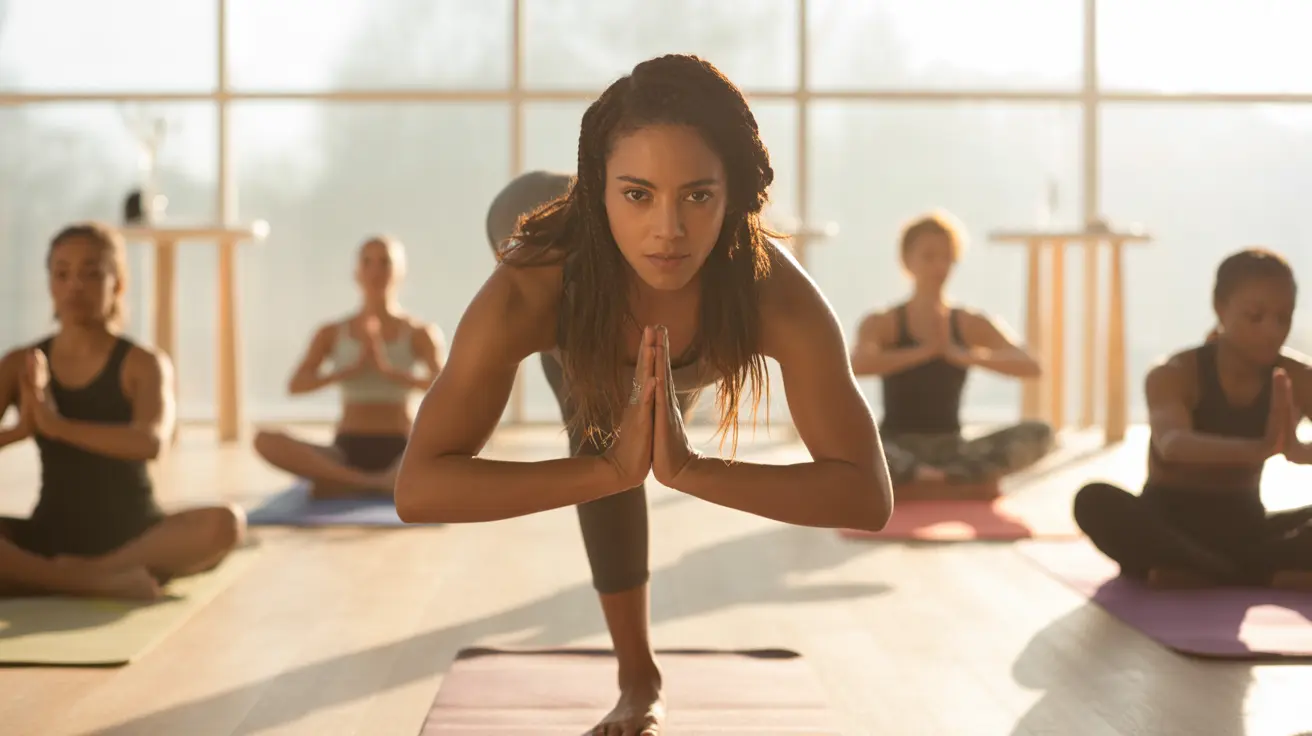
- Yoga: A mind-body practice combining postures, breath work, and often meditation. Many styles exist, from gentle restorative yoga to vigorous vinyasa flow.
- Pilates: A system focused on core strength, alignment, and controlled movement. It uses mat work and sometimes reformer equipment.
- Mobility work: Targeted exercises to improve joint range of motion, movement quality, and functional flexibility—often used with strength training and rehab.
Yoga, Pilates, and Mobility: Quick comparison
Below is a simple side-by-side look at how they usually differ:
- Primary focus: Yoga – breath & balance; Pilates – core & control; Mobility – joint range & movement patterns.
- Intensity: Varies. Yoga can be gentle or intense; Pilates is generally moderate; mobility is usually low-to-moderate but can be demanding when combined with strength work.
- Tools: Yoga uses mats and props; Pilates may use reformers, bands, and small weights; mobility uses bands, lacrosse balls, and bodyweight drills.
- Best for: Yoga – stress relief and flexibility; Pilates – posture and core strength; Mobility – functional movement and injury prevention.
How each practice helps (and when to pick it)
Yoga: flexibility, breath, and stress relief
Yoga blends physical poses with breathing and relaxation. Choose yoga if you want:
- Stress reduction and better breathing.
- Whole-body flexibility and mobility through varied poses.
- A mind-body routine that can also be meditative.
For health-focused comparisons and safety tips, see this Healthline guide on Pilates vs Yoga, which explains how many yoga forms demand joint mobility (spine, hips, wrists) but can be modified.
Pilates: core, posture, and control
Pilates emphasizes precise, controlled movements to strengthen deep core muscles and improve alignment. Choose Pilates if you want:
- Improved posture and spinal alignment.
- Core strength that helps with sports and daily life.
- Low-impact conditioning that’s easy on joints.
For an overview of differences, WebMD offers practical distinctions and safety advice for beginners.
Mobility: movement quality and joint health
Mobility training targets how joints move through their ranges and improves movement patterns. Choose mobility work if you want:
- Better squat, hinge, and overhead movement for lifting and daily tasks.
- Reduced pain by improving joint mechanics.
- Quick, targeted sessions that fit into a strength routine or warm-up.
People on forums often discuss preferences and boredom: one Reddit thread about choosing between mobility, Pilates, or stretch highlights how individual tastes (and boredom tolerance) shape the best choice for you.
Which is best for specific goals?
Lose weight and build endurance
Pick more dynamic styles like Vinyasa yoga or Pilates classes that raise heart rate. Combine with cardio and strength work for better weight loss results.
Improve posture and core stability
Pilates is particularly effective thanks to its focus on the deep core, hip position, and spinal alignment. Cleveland Clinic explains how both Pilates and yoga support full-body alignment across movements—useful when deciding which to prioritize: Yoga vs Pilates.
Increase flexibility without losing strength
Yoga builds flexibility through sustained holds, while mobility work improves usable range of motion. If you want both, alternate yoga and mobility sessions.
Recover from or prevent injury
Mobility plus targeted Pilates work can be ideal for rehab. Pilates helps rebuild control; mobility restores joint function. For guided comparisons and safety notes, Pilathon’s breakdown of Pilates vs Yoga is helpful.
How to choose based on lifestyle
Consider your time, interest, and tolerance for routine:
- Short on time? Mobility sessions (10-20 minutes) slot easily into busy days.
- Want mind-body benefits? Yoga gives stress relief and breathing tools as well as movement.
- Prefer structured progressive training? Pilates studios and equipment classes offer clear progressions.
Sample weekly plans
Each plan is one-week, beginner-friendly. Adjust session length to suit your level.
Balanced starter (mix)
- Mon: 30 min mobility warm-up + 20 min strength
- Tue: 45 min gentle yoga
- Wed: 30 min Pilates mat session
- Thu: Rest or 20 min mobility
- Fri: 45 min dynamic yoga/flow
- Sat: 30 min Pilates or reformer class
- Sun: Rest / short mobility routine
Recover & rehab focus
- Daily: 10–15 min mobility routine for painful joints
- 3x/week: 20–30 min Pilates work for core stability
- 1x/week: 30–40 min restorative yoga for relaxation
Tools and props that help
All three practices are low-cost to start. Useful items include:
- Yoga mat and blocks
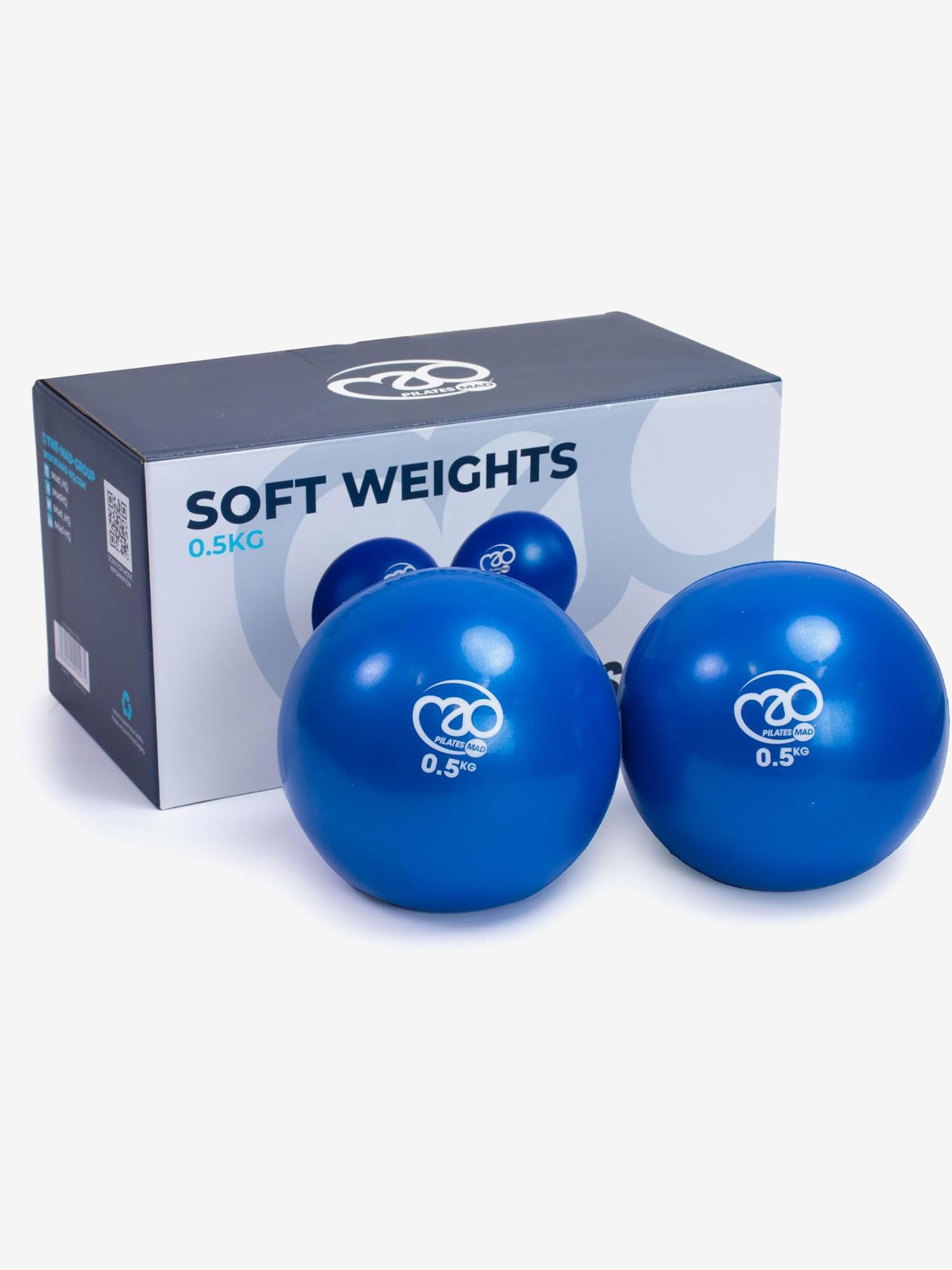
- Resistance bands and small Pilates weights (see Yoga-Mad soft weights for examples)
- Foam roller, lacrosse ball, and a mobility band
Tips for starting safely
- Start with a certified instructor: Especially for Pilates and yoga—this reduces injury risk. Healthline notes that many poses can and should be modified for safety (source).
- Progress slowly: Prioritize consistent practice over intensity.
- Combine smartly: Use mobility before strength sessions, and yoga or Pilates on recovery days.
- Listen to your body: If a joint hurts sharp or long after a class, scale back and check form.
How to mix Yoga, Pilates, and Mobility effectively
These methods complement each other well. A practical approach:
- Use mobility drills as warm-ups to improve movement quality.
- Do Pilates to build the control you need to perform yoga poses safely.
- Use yoga sessions for flexibility, breathing, and mental reset.
When combining, keep sessions focused—don’t try to cram full-length classes of each into one workout. Instead, alternate days or split your training: mobility in the morning, yoga or Pilates in the evening.
Evidence & expert advice
Reliable sources explain differences and benefits. WebMD has practical distinctions between the two practices and safety guidance (WebMD), while Cleveland Clinic and Healthline offer clinical perspectives on alignment, mobility demands, and modifications (Cleveland Clinic, Healthline). For community insights about personal preference and boredom, see the Reddit discussion linked earlier.
When to choose a professional
If you have past injuries, chronic pain, or a specific rehab goal, work with a physiotherapist or certified Pilates/yoga instructor. They can create a tailored plan and teach safe progressions. Pilathon’s practical tips also help you weigh fitness goals when choosing Pilates or yoga (Pilathon).
Video demo
Below is a quick video demonstrating accessible mobility and movement tips to try at home:
Common questions
Below are quick answers to typical beginner concerns:
- Will yoga make me flexible? Yes, with regular practice and progressive stretching.
- Is Pilates good for back pain? Many people find improved control and reduced pain with guided Pilates.
- Are mobility drills boring? They can be short and highly practical—many enjoy the immediate improvements in movement.
How often should I practice each method?
Start with 2–4 sessions weekly for each method you choose. For mobility, short daily routines (10–15 minutes) work well. Adjust intensity based on recovery and goals.
Can I combine Pilates and yoga in the same week?
Yes. Many people alternate yoga and Pilates to balance flexibility and control. Use mobility work as a warm-up or recovery tool between sessions.
Which is best if I’m bored easily?
If you get bored, choose the practice you enjoy most or mix shorter sessions of mobility with varied yoga styles or reformer Pilates classes to keep things fresh.
Where can I find beginner-friendly classes?
Look for certified instructors at local studios or reputable online platforms. Reviews, class previews, and community feedback (forums like Reddit) can help you pick a teacher or app that matches your style.
Final decision checklist
Use this quick checklist to decide:
- Want relaxation and breath work? → Choose yoga.
- Want core strength and posture? → Choose Pilates.
- Need better joint movement and function? → Choose mobility.
Summary: All three practices are valuable. Your best choice depends on what you want to improve first. Many people benefit most from a balanced blend—mobility for movement quality, Pilates for control, and yoga for flexibility and stress relief.
Call to action: Ready to try a plan? Explore more practical guides and routines at zenpulsehub.com to create a balanced schedule that fits your life and goals.