
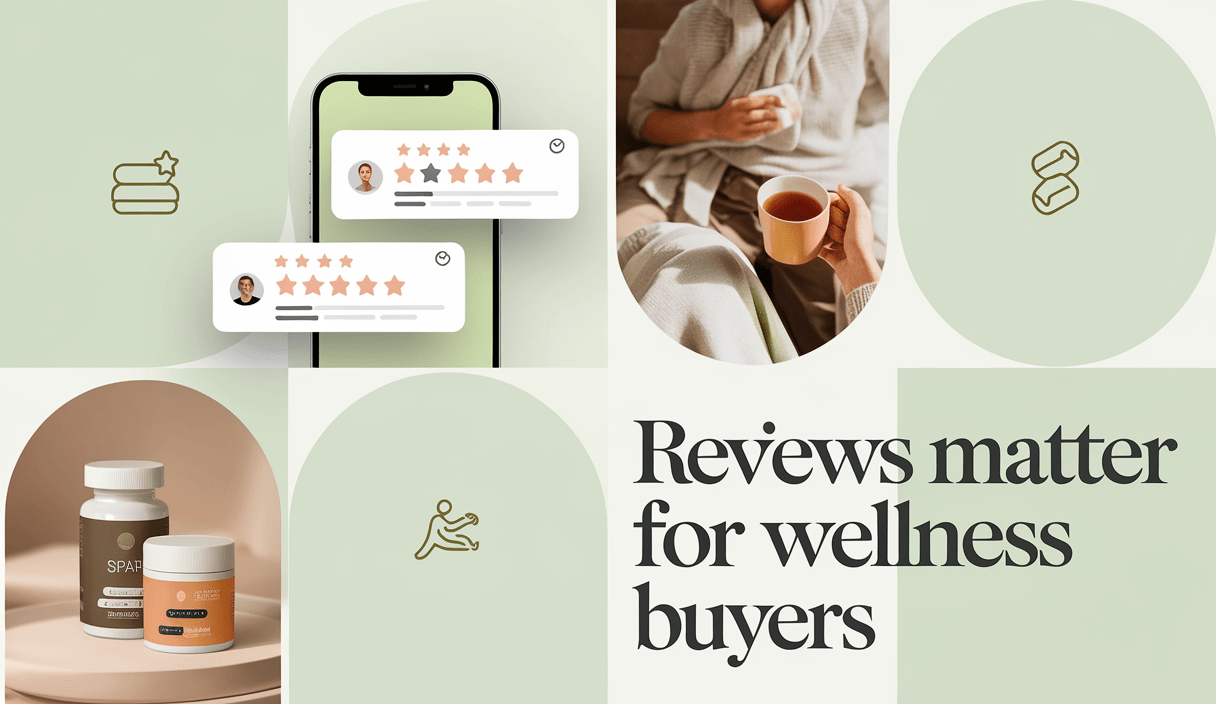

Reviews Matter for Wellness Buyers
Reviews Matter for Wellness Buyers — that simple phrase shapes how people choose supplements, therapists, spas, and fitness programs. In a crowded wellness market, honest feedback from other buyers helps people decide what is safe, effective, and worth the price. This post explains why reviews matter, how buyers use them, and what wellness brands can do to build trust.
Why Reviews Matter for Wellness Buyers: The Big Picture
When someone searches for a new mattress, probiotic, or local wellness center, they rarely buy on first sight. Instead, they look for signals that reduce risk. **Reviews are one of the most powerful signals.** They show real experiences, flag problems, and highlight benefits that marketing copy can’t prove.
Key reasons reviews influence wellness choices
- Trust and credibility: Reviews create social proof. Positive reviews reassure buyers that a product or service works.
- Risk reduction: Wellness purchases often affect health or comfort. Reviews reveal side effects, real results, and potential issues.
- Discovery of details: Buyers learn about personal fit (skin type, sensitivity, lifestyle) that generic descriptions miss.
- Local recommendations: For spas, clinics, and studios, local reviews help buyers pick the right provider nearby.
How buyers use reviews to choose wellness products
Wellness buyers scan reviews differently than buyers of generic goods. They look for clues about:
- Effectiveness and timelines (how long before results appear)
- Side effects and safety concerns
- Customer service and refund policies
- Real-life photos or before/after stories
For example, someone choosing an air purifier will value reviews that mention allergy relief, noise level, and filter costs. Consumer Reports’ buying guides, like their air purifier guide, show how ratings and detailed reviews help buyers compare technical and real-world performance (consumerreports.org).
Types of review content wellness buyers trust most
- Long-form experiences: Stories with timelines and specifics.
- Photos/videos: Before/after images, routine videos, or clinic walkthroughs.
- Verified-purchase reviews: Reviews labeled as verified feel more credible.
- Third-party awards and badges: Industry recognition helps — see examples of buyer awards in financial services and other fields (www.beyondfinance.com).
The role of online platforms and local listings
Depending on the product, buyers may rely on different platforms. For local wellness centers, Yelp and Google Reviews dominate. For supplements and e-commerce wellness brands, Amazon and specialized health marketplaces matter. For employer or staff feedback about wellness providers, platforms like Indeed can reveal workplace or service-related patterns (see employee reviews for roles like Wellness Specialist at Life Extension Foundation Buyers Club Inc: indeed.com).
Platform-specific behavior
Buyers trust different signals on each platform. For example:
- Yelp/Google: Local stories and photos matter most for clinics and wellness centers.
- Amazon: Volume and verified purchases help, along with Q&A sections.
- Specialized review sites: Niche sites and health review platforms offer deeper context.
How reviews build trust (and how quickly they can influence decisions)
Wellness buyers often have emotional and financial stakes. A single detailed review can stop a buyer from trying a service or nudge them to purchase. Positive reviews create momentum; negative but well-managed reviews can also increase trust if the business responds professionally.
Psychology behind review-driven purchases
People use social proof as a shortcut to decide. When others report relief, better sleep, reduced pain, or improved digestion, buyers feel more confident. That’s why businesses in the wellness space should value feedback and treat it as a growth channel.
How brands can earn and use reviews ethically
Brands that want to benefit from reviews should follow best practices. These steps help quality and authenticity.
- Ask at the right time: Request a review after the customer has had time to see results (e.g., 2–6 weeks for many supplements).
- Make it easy: Provide a direct link to the review form or a simple one-click email prompt.
- Encourage details: Ask buyers to describe timelines, results, and side effects rather than just a star rating.
- Respect privacy: Let reviewers choose anonymity for sensitive wellness services.
- Use review platforms: Display reviews on your site and syndicate to trusted third parties. Tools and guides on generating reviews for health providers can help shape the approach (trustmary.com).
Responding to reviews well
Reply quickly, thank reviewers, and address concerns in a calm, helpful tone. A well-handled negative review becomes an opportunity to show care and competence.
Real-world examples and evidence
Data shows reviews influence wellness categories strongly. Industry reports and review statistics highlight how people depend on real experiences before trying personal services. See aggregated online review statistics for wellness at Wiser Review for more context (wiserreview.com).
Here are some quick examples of how reviews move decisions:
- Someone choosing a pour-over coffee maker reads hands-on test reviews before buying (product testing like the Taste of Home review helps narrow choices): tasteofhome.com.
- A patient selects a local chiropractor after reading multiple accounts about clinic cleanliness, staff care, and pain reduction.
- A buyer of an air purifier checks Consumer Reports test results and real-user reviews to confirm claims about particulate removal (consumerreports.org).
![7 Best Pour-Over Coffee Maker Options in 2025 [Tested]](https://www.tasteofhome.com/wp-content/uploads/2024/09/We-Tried-13-of-the-Best-Pour-Over-Coffee-Makers%E2%80%94These-Are-the-7-Worth-Snagging_PTT24_Pour_Over_Coffee_Makers__MD_P2_08_13_1b.jpg)
Common concerns about reviews and how to address them
Are reviews always honest?
No. Some reviews are biased or fake. Buyers should look for detail and consistency. Verified purchase badges and photos raise confidence. Brands must avoid incentivizing fake reviews and should follow platform rules.
How can buyers weigh conflicting opinions?
Look for patterns. One negative review among many positives may highlight a rare issue. Multiple reviews mentioning the same problem deserve attention. For workplace or staff-related concerns (which can affect service quality), check employee review pages for trends: for instance, employee reviews for specific wellness roles can reveal internal patterns that affect customer experience (indeed.com).
Practical checklist for wellness shoppers
Before you buy, review these quick steps:
- Read 5–10 recent reviews, focusing on detailed experiences.
- Scan for verified purchases and photos/videos.
- Note common pros and cons across reviews.
- Check how the business responds to negative feedback.
- Consult trusted third-party guides or testing sites for technical products (Consumer Reports).
Bonus: reviews and major life purchases tied to wellness
Sometimes wellness decisions tie into big financial moves like buying a home or managing money. Reviews and planning guides can help organize steps — for example, financial wellness resources show how planning and reviewing options help final decisions (see a practical guide to organizing finances before buying a home: traviscu.org).
Watch: Real customers explain how reviews helped them
Final tips for wellness brands
For companies in the wellness space, reviews are not just feedback — they’re marketing, product development, and customer care data.
- Make leaving a review part of the post-purchase experience.
- Share authentic customer stories with permission.
- Monitor third-party sites for service or product issues and act fast.
- Use review insights to improve formulations, staff training, or clinic flow.
Wrap-up: Why reviews still matter
In short, Reviews Matter for Wellness Buyers because they reduce uncertainty, reveal real outcomes, and build trust. Whether you are choosing a supplement, a local therapist, or a new at-home device, reviews give context that product pages can’t. Use reviews wisely: look for patterns, prefer detailed stories, and respect both positive and negative feedback when making your decision.
FAQ
How many reviews should I read before deciding?
Read at least 5–10 recent reviews. Focus on detail and look for repeated themes. A mix of long and short reviews gives the best snapshot.
Can reviews be trusted for medical or mental health services?
Reviews offer useful perspectives but don’t replace professional advice. Use reviews to choose a provider, then consult a licensed professional for diagnosis or treatment.
What if a product has mixed reviews?
Look for patterns and specifics. If many reviewers mention the same issue, take it seriously. If opinions vary widely, consider your personal needs and consult the seller with questions.
How can wellness businesses encourage honest reviews?
Ask customers at the right moment, provide easy links, and request specific details. Never buy fake reviews or mislead customers — authenticity matters most.
Ready to make better wellness choices? Explore more guides and reviews on zenpulsehub.com to compare products, read buyer stories, and feel confident in your next wellness purchase.