
Simple Night Routines for Better Sleep
Simple night routines help your brain and body switch from busy mode to sleep mode. If you struggle to fall asleep or wake up groggy, a short, repeatable routine can make a big difference. This guide gives practical, easy-to-follow steps you can try tonight to sleep better and feel more rested.
Why a night routine matters
Our bodies like patterns. A consistent evening routine trains your internal clock, reduces racing thoughts, and helps you unwind without relying on sleep aids. Research and sleep experts recommend habits that reduce light exposure, lower stimulation, and promote relaxation. For a quick primer on bedtime habits, the Sleep Foundation explains how a set bedtime, less screen time, and calming rituals improve sleep quality.
Simple Night Routines to Try Tonight
Below are easy, low-effort routines you can adapt. Pick one or combine a few—consistency matters more than perfection.
1. The 30–60 minute wind-down
Start an hour before bed and do calming activities only. That might include a warm shower, dimming the lights, and putting away work. Harvard Health highlights how creating a relaxing pre-sleep ritual helps your body prepare for rest: read more.
2. Gentle movement and stretching
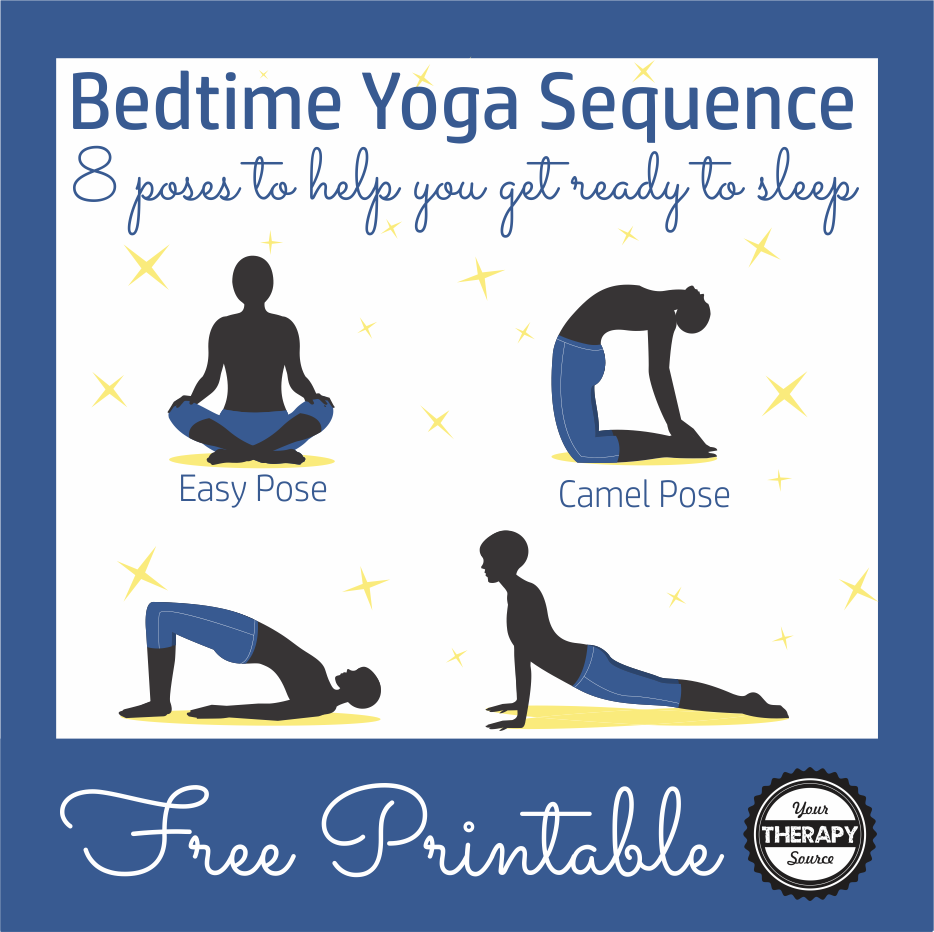
Ten minutes of light yoga or stretching relaxes tight muscles and lowers stress. Try slow poses and focus on breathing. Use the bedtime yoga printable below as a simple guide.
3. Journaling or brain dump
Spend 5–10 minutes writing down tomorrow’s tasks and any worries. Getting thoughts on paper reduces bedtime rumination and helps your mind settle. Keep prompts short: highlights of the day, three things you’re grateful for, and one plan for tomorrow.
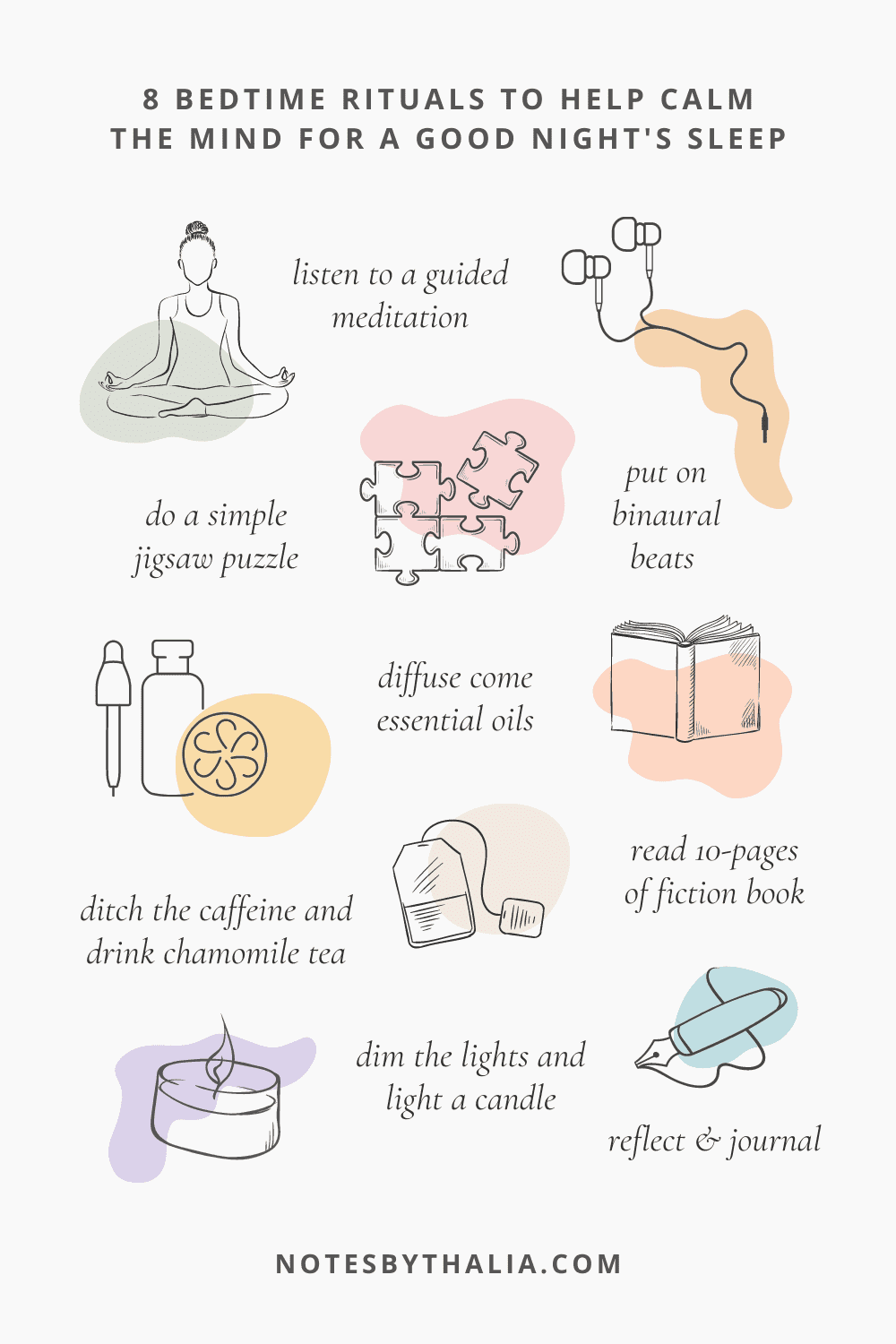
4. Calming audio or guided relaxation
Use a guided meditation, calming music, or a low-volume podcast to help you drift off. Sites like Calm recommend audio routines that cue sleepiness and reduce screen engagement: Calm’s bedtime tips.
5. Screen rules and light control
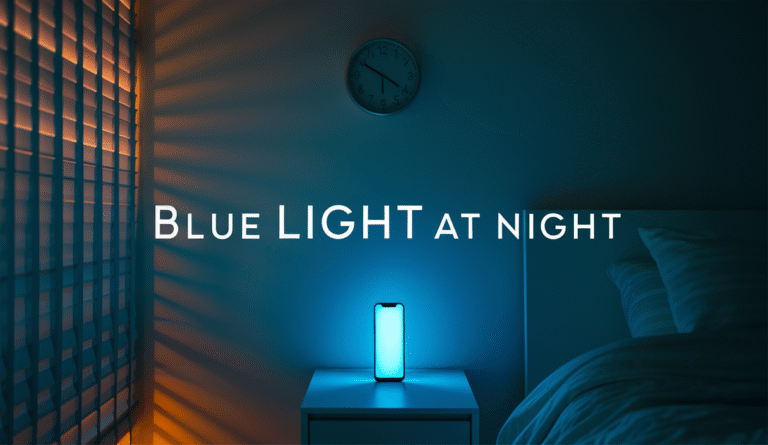
Blue light from phones can delay sleep. Aim to put devices away at least 30–60 minutes before bed or use a night mode. The Healthline guide offers practical ideas like reading a book or using dim lighting instead of screens.
Sample 45-minute simple night routine
Use this sequence as a template and tailor times to your schedule.
- -45 to -30 minutes: Dim lights, do a quick tidy, and turn off work devices.
- -30 to -15 minutes: Gentle stretching or 10-minute yoga sequence (see image above).
- -15 to -5 minutes: Journal for 5–10 minutes. Write a quick plan for tomorrow.
- -5 to 0 minutes: Wash face, brush teeth, and get into bed with a book or calming audio.
Environment tweaks that help
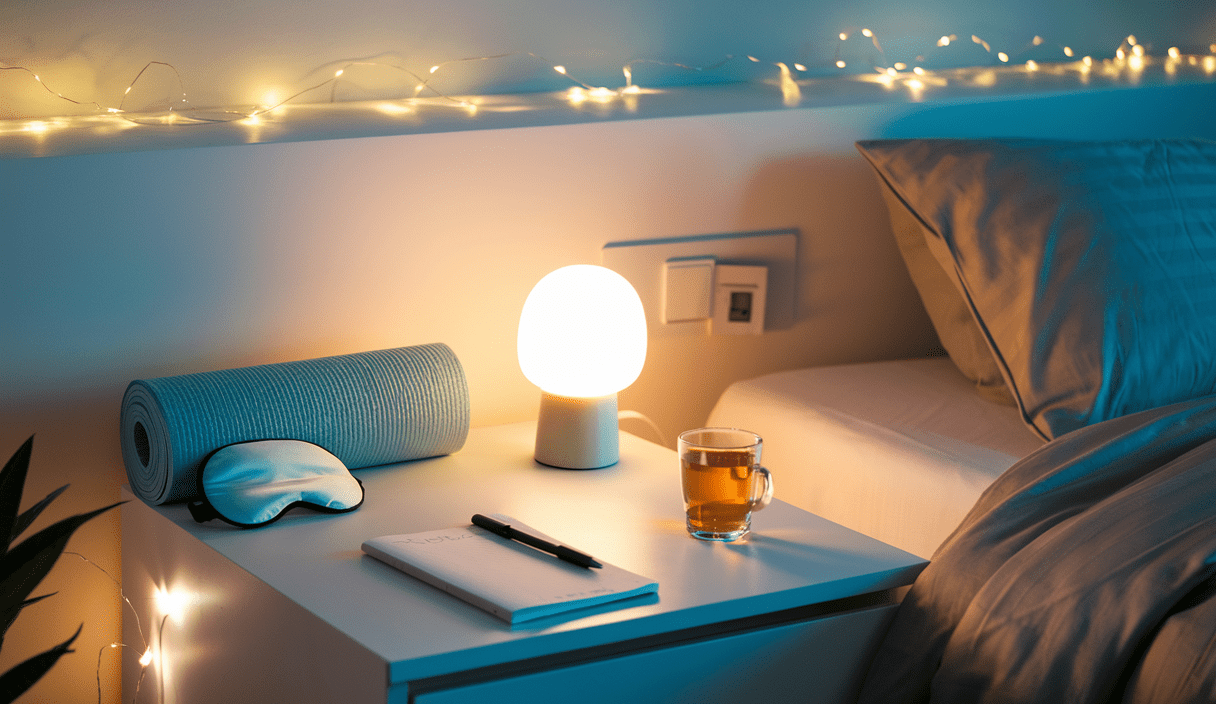
Small changes to your bedroom can improve sleep quality dramatically. The Cleveland Clinic recommends starting your wind-down an hour before bed and sticking to calming activities like reading or taking a warm shower to cue sleepiness: Cleveland Clinic sleep hygiene tips.
- Set bedroom temperature to about 60–68°F (15–20°C).
- Use blackout curtains or a sleep mask to block light.
- Reduce noise with white noise or earplugs if needed.
- Keep bedding comfortable and reserved mainly for sleep and intimacy.
Adjusting routines for kids, partners, or shift work
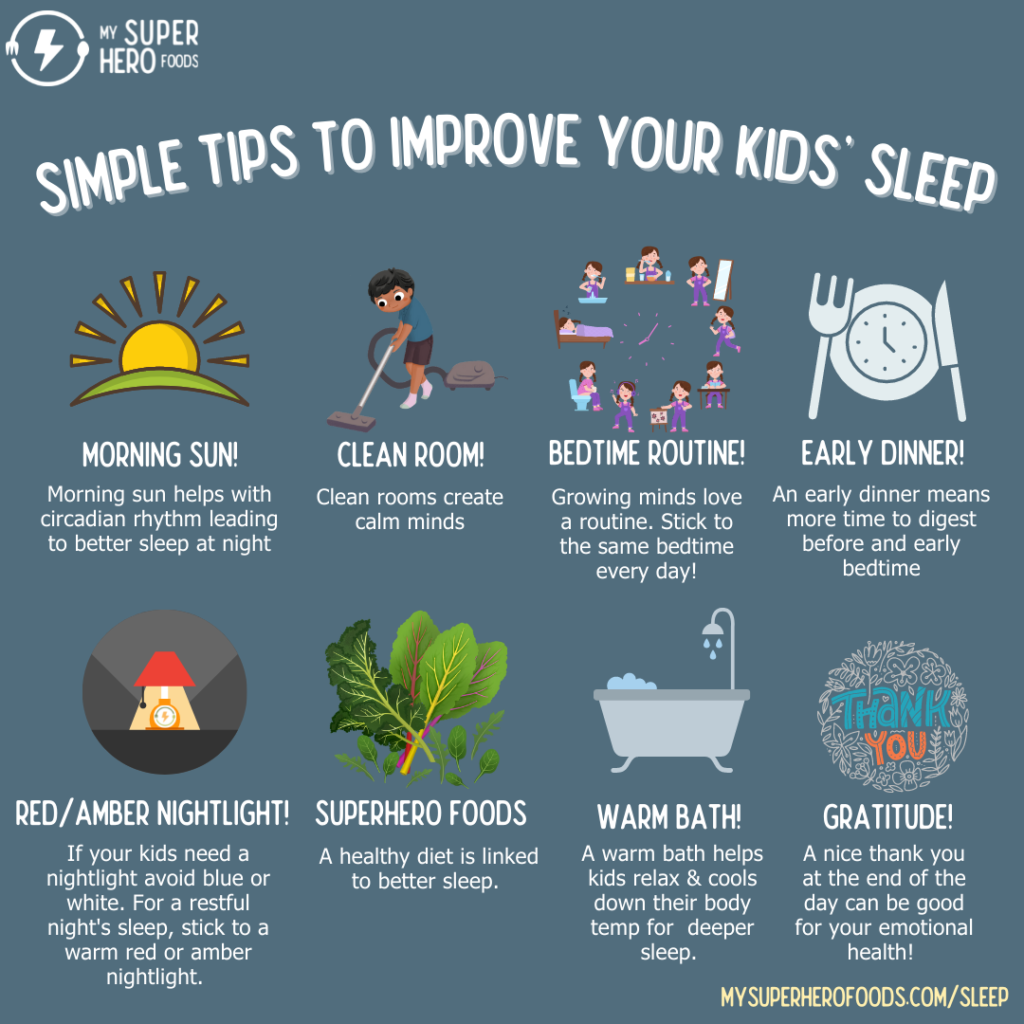
Routines look different depending on your life. For families, consistent cues like a bath and a story help children settle. For night-shift workers, focus on a wind-down that minimizes light and stress before sleep. The kid-focused tips image below has simple, family-friendly ideas to try.

Practical tips to stick with your routine
- Start small: Add one 10-minute habit first, then layer others.
- Be consistent: Try to go to bed and wake up within the same 30–60 minute window daily.
- Make it pleasurable: Use a favorite tea, comfy pajamas, or soft lighting so the routine feels like a treat.
- Track progress: Note how you feel after two weeks—small changes often add up to big improvements.
Helpful resources and science-backed advice
For more on sleep hygiene and practical suggestions, check these reputable resources:
- Sleep Foundation — guidance on set bedtimes, electronics, and light exposure.
- Harvard Health — evidence-based tips on creating a relaxing bedtime routine.
- Healthline — practical nighttime routine ideas and why hygiene and rituals help.
- Calm — guided audio and steps to set a sleep-friendly routine.
- Cleveland Clinic — tips like starting to wind down an hour before bed and sticking to calming activities.
Watch: A short guided bedtime routine
Below is a short guided routine to help you relax. Use headphones or low volume and breathe slowly while you listen.
Common questions about night routines
Here are quick answers to common concerns so you can create a routine that fits your life.
How long before bed should I start a routine?
Start 30–60 minutes before your target bedtime. Even 10 minutes of low-stimulation activities helps. The key is consistency—try the same start time nightly.
What if I work night shifts or have an irregular schedule?
Adjust cues for your sleep window: dim lights before your sleep period, keep the environment cool and quiet, and use blackout shades if you sleep during the day. Short, repeatable rituals still work even if your schedule changes.
Can a routine help if I struggle with anxiety?
Yes. Rituals like journaling, breathing exercises, and guided audio reduce rumination and create calming cues that signal your body it’s time to rest. If anxiety is severe, also consider professional support.
How long until I notice improvement?
Many people feel small benefits within a few nights, but consistent improvement often shows after 2–4 weeks. Track patterns and tweak what doesn’t feel restorative.
Final tips and a quick checklist
Use this checklist to build a habit: keep it short, pleasurable, and consistent. Try the following tonight:
- Pick one calming ritual (stretching or journaling).
- Set an evening alarm to start your wind-down.
- Dim lights and move devices out of reach.
- Use a short guided audio or read a few pages of a book.
Simple night routines don’t need to be complicated. With small, repeatable steps you’ll likely notice deeper, more restful sleep. Keep the routine flexible and kind to yourself—missing a night isn’t failure, it’s feedback.
Ready to try a routine tonight? Follow these easy steps and explore more guides at zenpulsehub.com for tailored routines, tips, and tools to sleep better.