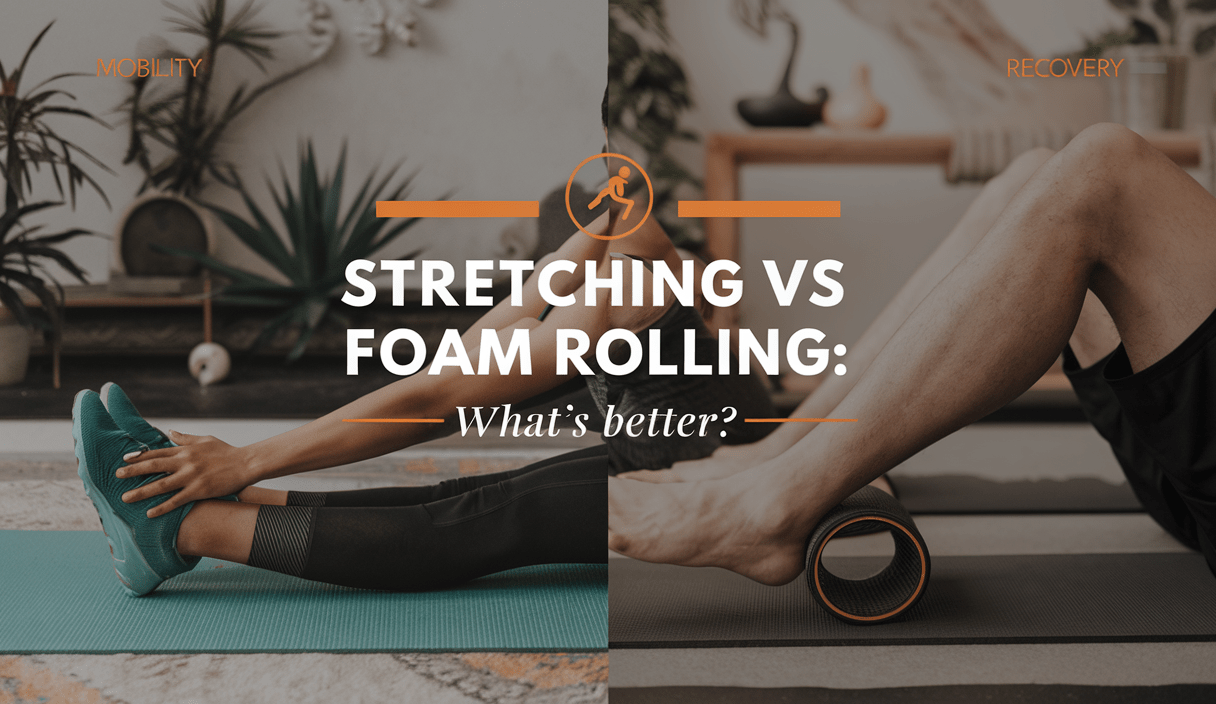

Stretching vs Foam Rolling: What’s Better?
Stretching vs foam rolling is one of the most common debates in gyms and running groups. If you want less soreness, better movement, or faster recovery, it’s natural to ask: which one should you do and when? This post breaks down the science, real-world benefits, and simple routines so you can pick the right tool for your goals.
Quick summary: Which wins?
Short answer: neither strictly ‘wins’. Stretching and foam rolling serve different but complementary purposes. Use foam rolling to address tight, tender muscle tissue and reduce soreness; use stretching to increase targeted range of motion and long-term flexibility. Combining both often gives the best results.
What are we comparing? (Quick definitions)
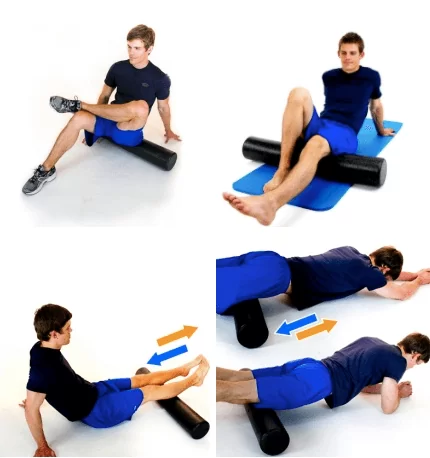
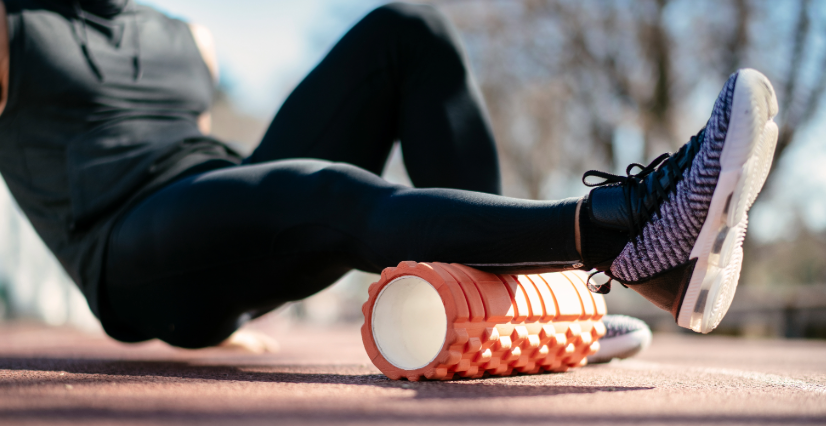
Foam rolling is a form of self-myofascial release (SMR) where you use a cylinder to apply pressure to soft tissue. It targets trigger points, adhesions, and muscle tightness. Stretching involves lengthening muscle-tendon units through static, dynamic, or PNF techniques to improve flexibility and mobility.
Common types
- Foam rolling: basic roll, focused hold on tender spots, or slower sustained pressure.
- Static stretching: hold a position for 20–60 seconds to increase length.
- Dynamic stretching: movement-based stretches for warm-ups.
- PNF (contract-relax): partner or self-applied techniques to increase ROM faster.
How foam rolling helps
Foam rolling is great at giving quick relief. Here’s what it does:
- Reduces perceived muscle tightness by stimulating mechanoreceptors and altering pain perception.
- Improves tissue quality (subjectively) and helps break up adhesions or knotted areas.
- Speeds recovery when used post-workout to reduce soreness and restore range of motion.
Research supports these effects: a review published in PubMed Central reports foam rolling can match stretching for short-term range-of-motion gains, and vibration foam rolling might even have added benefits in some settings (PMC study).

How stretching helps
Stretching is the go-to strategy for improving range of motion and long-term flexibility. Key benefits include:
- Increases muscle length when done consistently (especially PNF).
- Improves movement patterns that can lower injury risk when combined with strength training.
- Warms up joints and nervous system for dynamic stretching prior to sport or activity.
For runners and athletes, stretching complements foam rolling. Several practical sources (like Petersen PT and Triathlete) note that both tools improve flexibility, but they’re best used together depending on the goal.
Stretching vs foam rolling: When to use each
Knowing the right time to use each tool is the real advantage. Here’s a practical cheat sheet:
- Before activity: Use dynamic stretching to prepare muscles and joints. If a muscle is very tight and limits movement, a few minutes of foam rolling beforehand can help.
- After activity: Foam rolling can reduce soreness; static stretching can help with long-term flexibility if held regularly.
- On rest days: Gentle foam rolling and light stretching help tissue recovery and blood flow.
For strength trainers
Foam rolling is especially useful after lifting because weight training can create localized tightness and trigger points. Foam rolling addresses these issues before you stretch for length.
For runners
Runners benefit from both: foam rolling to manage soreness in calves and quads, and targeted stretches to maintain hip and ankle mobility. Rehab sources like Rehab2Perform emphasize that combining methods is often best for performance and injury prevention.

What the research says
Evidence shows both methods improve short-term range of motion. The PubMed Central review (link) found non-vibration foam rolling had similar immediate ROM effects as stretching, while vibration rolling sometimes offered greater gains. Other sources also suggest that foam rolling is better for addressing muscle knots and tissue quality, while stretching enhances true flexibility and sustained range of motion (see Total Performance PT).
Practical takeaway from the science
The consensus among clinicians and sports sites (for example Petersen PT and Triathlete) is to use both. Foam rolling helps tissue readiness and soreness; stretching helps targeted mobility.
How to combine foam rolling and stretching (simple routine)
Here’s an easy, practical routine to follow. It takes about 10–15 minutes total:
- Warm-up: 3–5 minutes light cardio or dynamic movements (leg swings, arm circles).
- Foam roll: 30–60 seconds per muscle group. Focus on quads, hamstrings, calves, IT band (note: IT band isn’t muscle but rolling nearby tissue helps), glutes. If you find a tender spot, pause 20–30s and breathe through it.
- Dynamic stretching: 5 minutes of movement-based stretches for sport (walking lunges, hip openers).
- Post-workout: 2–3 static stretches per major muscle, hold 20–45 seconds each, plus targeted foam rolling for sore spots.
Common myths and mistakes
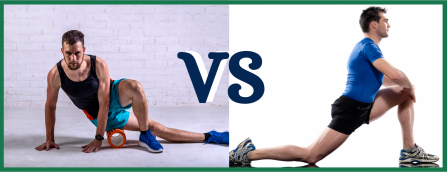
- Myth: Foam rolling replaces stretching. Truth: It complements stretching. Rolling helps the tissue feel and move better, while stretching changes length and neural tolerance over time.
- Mistake: Rolling too fast. Do: Move slowly and pause on tight spots.
- Mistake: Holding painful stretches forever. Do: Use pain as a guide; moderate discomfort is okay, sharp pain is a stop sign.
Tools and variations
You don’t need expensive gear. Here’s what helps:
- Basic foam roller (smooth or textured) — good all-rounder.
- Smaller balls (lacrosse) for trigger points near the shoulder blades or feet.
- Harder rollers for deeper pressure; softer for beginners.
When to see a professional
If you have persistent pain, reduced function, or recurring injuries, consult a physical therapist or clinician. Online forums like r/flexibility offer community tips, but a professional can assess individual mechanics and provide targeted interventions.
Practical FAQs
Do I foam roll or stretch first?
For most people: foam roll first to reduce tissue tightness and improve comfort, then do dynamic or static stretching depending on whether you are warming up or working on flexibility.
Which is better for injury prevention?
Neither alone is a magic bullet. A routine that includes foam rolling, targeted mobility work, proper strength training, and sport-specific practice reduces injury risk most effectively.
How long should I foam roll each day?
About 5–15 minutes total is sufficient for most people. Spend 30–60 seconds per area and longer (20–30s holds) on sore spots.
Are there situations to avoid foam rolling?
Avoid rolling over bony areas, acute injuries, bruises, or varicose veins. If rolling creates sharp pain, stop and consult a clinician.
Real-world examples and expert sources
Many clinicians and training sites echo the combined approach. Petersen PT writes that both foam rolling and stretching have positive effects on flexibility and range of motion (Petersen PT). Total Performance PT explains foam rolling is especially useful for knots and tissue quality, while stretching increases flexibility (source).
For athletes, Triathlete’s practical guide suggests using both methods depending on timing and goals (Triathlete).
Bottom line: How to choose
If you have to pick one today, think about your goal:
- Reduce soreness and fix tight spots: foam rolling first.
- Increase targeted flexibility and long-term ROM: consistent stretching (PNF or static).
- Warm-up for activity: dynamic stretching, plus a few minutes of rolling if needed.
Most people do best with a blend — rolling to handle tissue issues and stretching for the movement and length you want.
Video demonstration
Watch this short video below for a practical demo of moves that combine foam rolling and stretching:
Stretching vs Foam Rolling — What’s Better?
Final thoughts
Stretching vs foam rolling isn’t an either/or decision. Use foam rolling to address tight, sore tissue and stretching to improve movement over time. A balanced approach tailored to your sport, schedule, and body will give the best results. Start small, be consistent, and pay attention to how your body responds.
Next steps
Try this: for one week, add 5 minutes of foam rolling before workouts and 5–10 minutes of targeted stretching after. Track how your range of motion and soreness change. If you want more science-backed routines and guides, check the resources linked above and explore additional guides on zenpulsehub.com.
Ready to reduce pain and move better? Try the combined routine for two weeks and see the difference.
Discover more actionable recovery and mobility guides at zenpulsehub.com — your next-level resource for smarter training.