Symptoms of Vitamin B12 Deficiency: Signs & Help
Symptoms of vitamin b12 deficiency can appear slowly and affect many parts of the body. If you feel unusually tired, numb, or foggy, these signs may point to low B12. This guide explains the common symptoms, why they happen, who is at risk, and what to do next.
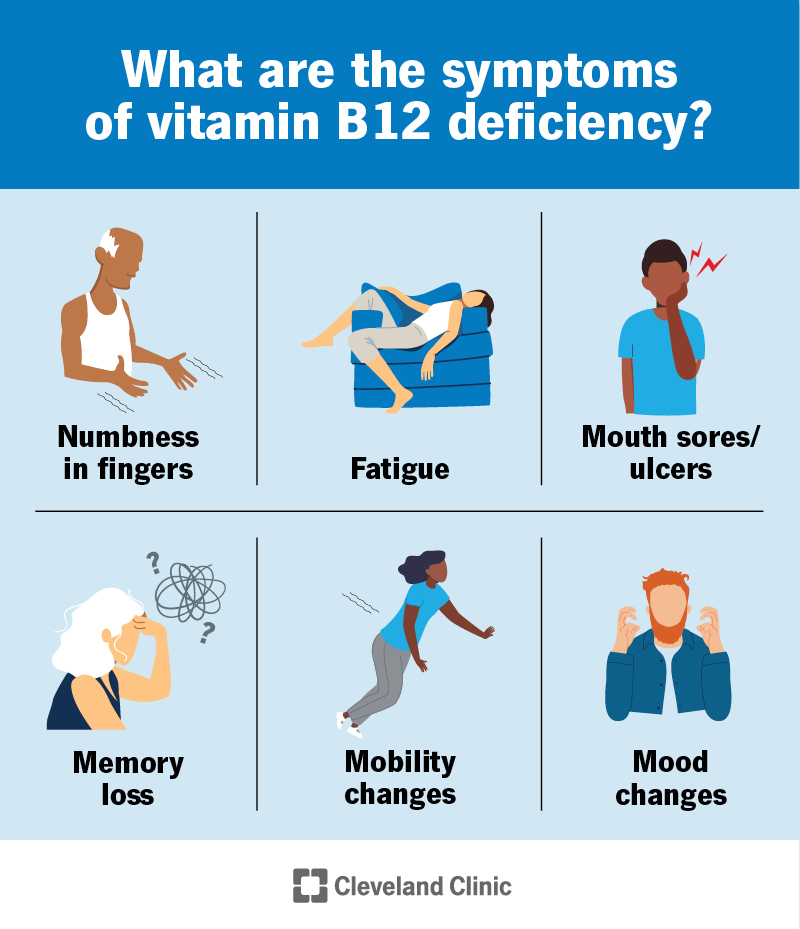
What are the main symptoms of vitamin b12 deficiency?
Vitamin B12 helps make red blood cells and keep your nerves working well. When levels fall, many systems can show signs. The most common symptoms include fatigue, weakness, numbness or tingling in the hands and feet, memory trouble, and mood changes. Below we break these down so you can spot early warning signs.
Neurological symptoms
Low B12 often hits the nervous system first. Watch for:
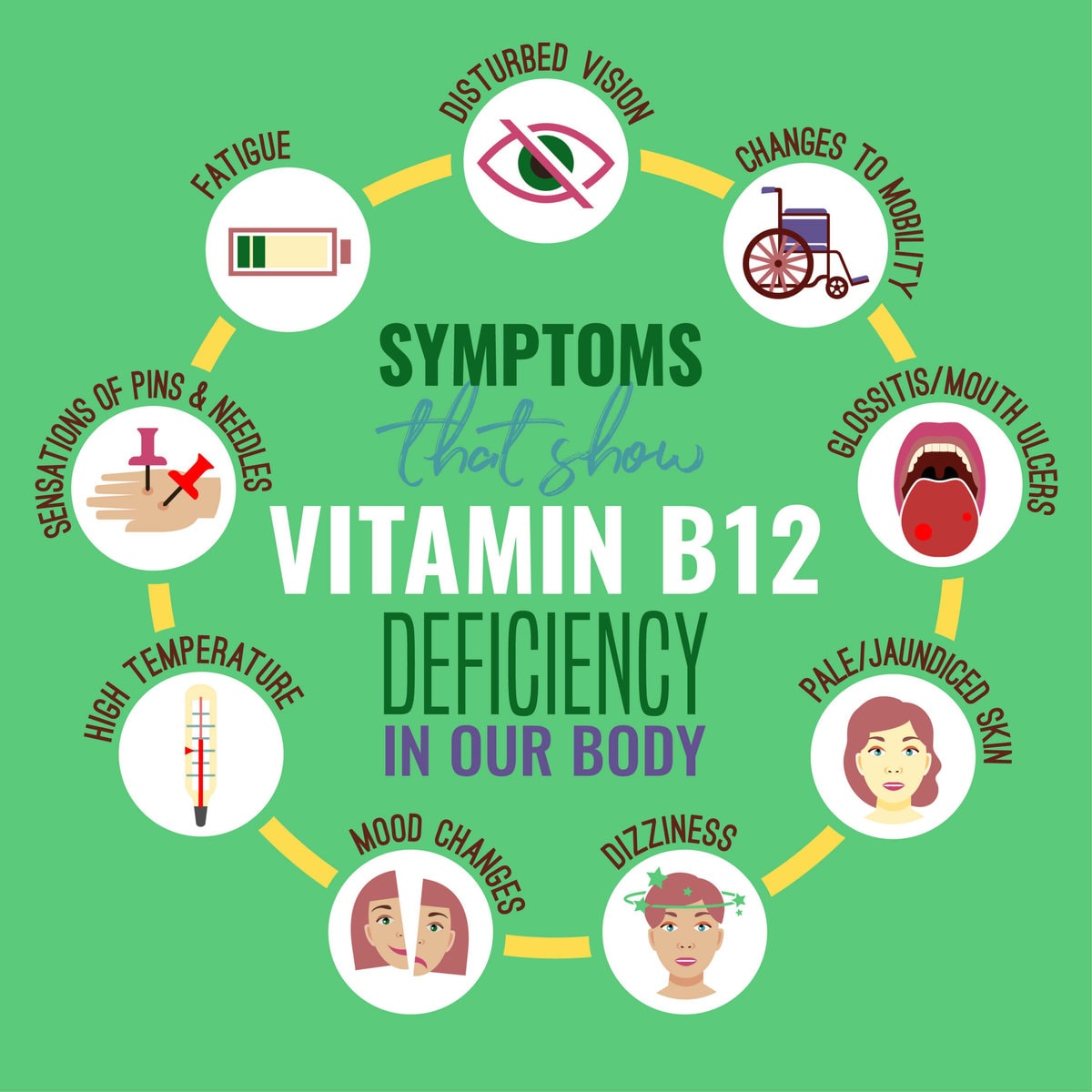
- Numbness or tingling in the hands, feet, or legs (pins and needles).
- Balance problems or trouble walking.
- Muscle weakness and poor coordination.
- Sensitivity to heat or cold in some cases.
Neurological signs can be subtle at first, then get worse without treatment. If you ignore them, some damage may become lasting.
:max_bytes(150000):strip_icc()/vitamin-b12-deficiency-2488570_final-f6046c0de6114c14a488433ca2b19142.jpg)
Hematologic (blood) symptoms
Because vitamin B12 is key to making red blood cells, deficiency often leads to anemia. Look for:
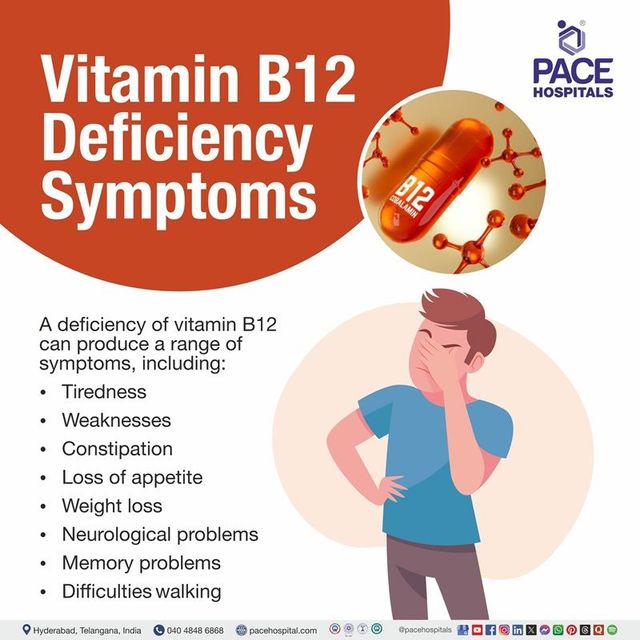
- Extreme tiredness or low energy.
- Pale or yellowish skin (pallor or jaundice in some people).
- Shortness of breath or fast heartbeat with activity.
- Frequent headaches or lightheadedness.
These symptoms overlap with other conditions, so a blood test confirms the cause. Trusted sources like the Cleveland Clinic explain how B12 affects blood and why testing matters.
Gastrointestinal and oral signs
Some people with low B12 notice digestive or mouth issues:
- Loss of appetite or weight loss.
- Indigestion, nausea, or diarrhea.
- Sore, smooth, or swollen tongue (glossitis).
If you have long-term stomach problems or had stomach surgery, your B12 absorption might be affected.
Memory, mood, and cognitive changes
Low vitamin B12 can affect the brain and mood. Common signs are:
- Memory lapses or trouble concentrating.
- Confusion or feeling mentally slowed.
- Depression, irritability, or anxiety.
These signs can mimic dementia or other mental health issues. Early detection helps prevent worsening.
Skin, hair, and nail changes
While less common, B12 deficiency can show up in your skin, hair, and nails:
- Skin discoloration or a pale look.
- Hair thinning or slow growth.
- Brittle nails or slow nail growth.
These changes are usually mild and improve with treatment.
Why these symptoms happen
Vitamin B12 helps make DNA, red blood cells, and nerve insulation called myelin. Without enough B12:
- Red blood cells are fewer and larger, causing anemia.
- Nerve cells lose myelin, which causes tingling, numbness, and balance problems.
- Brain chemistry shifts, which can change mood and thinking.
Who is at higher risk?
Certain groups more often develop low B12. Risk factors include:
- People over age 60.
- Those who follow strict vegan or vegetarian diets without B12 sources or supplements.
- People with stomach issues like atrophic gastritis or who’ve had gastric surgery.
- Those taking certain medications long-term (for example, proton pump inhibitors or metformin).
- People with autoimmune conditions like pernicious anemia that block B12 absorption.
For more on common symptoms and treatment, the WebMD overview is helpful and easy to read.
How doctors test for vitamin B12 deficiency
Diagnosis usually starts with a blood test. Typical steps include:
- Complete blood count (CBC) to check for anemia.
- Direct serum B12 level test.
- Additional tests like methylmalonic acid (MMA) or homocysteine levels if results are unclear.
- Antibody tests if pernicious anemia is suspected.
Trusted sources such as Johns Hopkins Medicine explain the testing pathway and what results mean.
Video: Symptoms of Vitamin B12 Deficiency
Treatment options
Treatment depends on the cause and severity. Common approaches are:
- Oral supplements: Many people begin with high-dose B12 tablets or sublingual forms.
- Injection therapy: Intramuscular B12 shots are common if absorption is an issue or levels are very low.
- Dietary changes: Eating more B12-rich foods like beef, fish, dairy, and fortified cereals helps.
- Addressing underlying causes: Treat stomach conditions, change medications if needed, or manage autoimmune causes.
For clear guidance on symptoms and management, the Cleveland Clinic provides a practical guide on treatment options and follow-up.
Prevention and good sources of B12
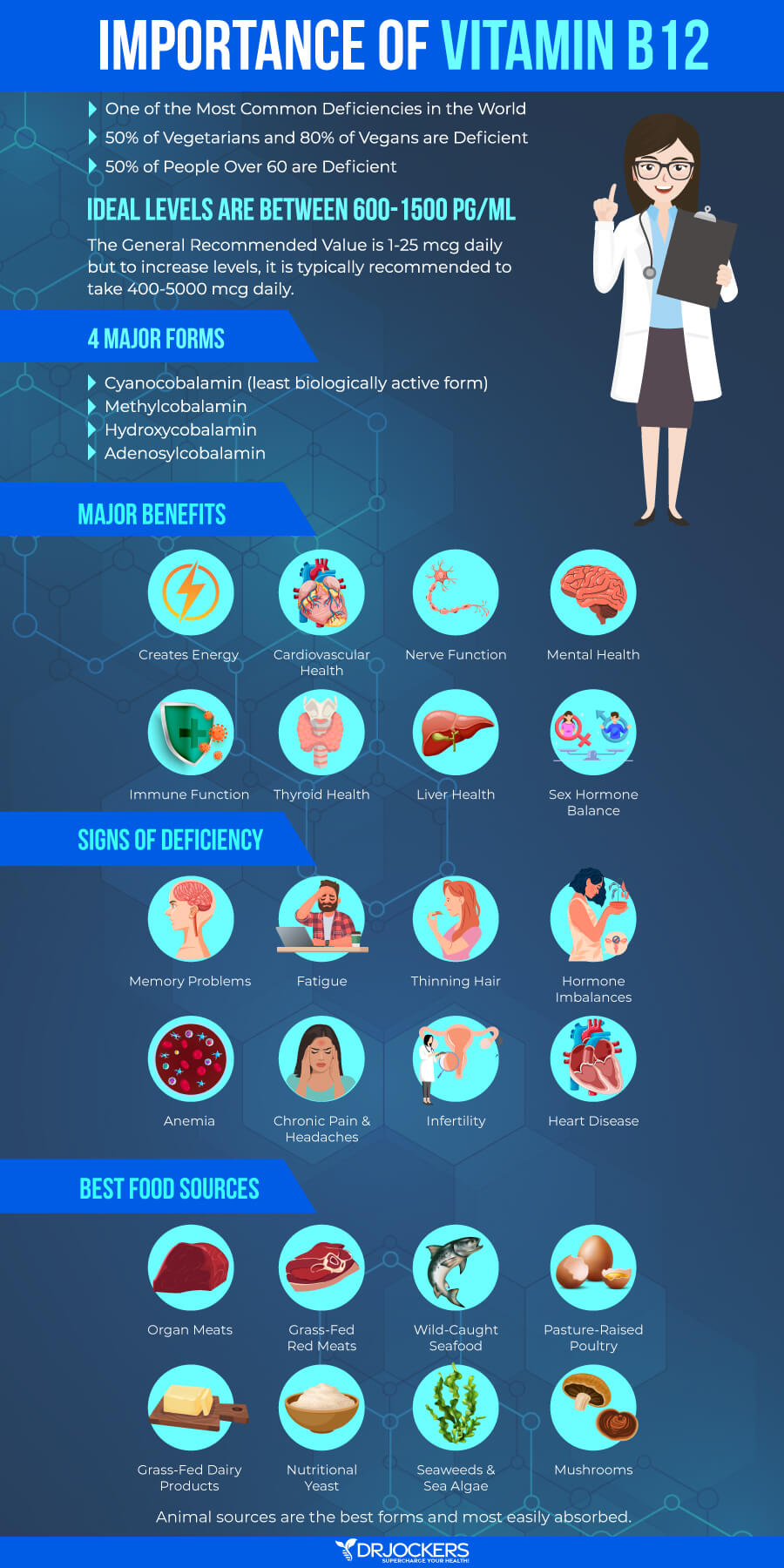
You can prevent deficiency by including reliable sources of B12:
- Animal foods: meat, fish, poultry, eggs, and dairy.
- Fortified foods: cereals, plant milks, and nutritional yeast labeled with B12.
- Supplements: daily or weekly doses for those at risk.
If you follow a plant-based diet, talk to your provider about testing and a plan for consistent B12 intake.
When to see a doctor
See a healthcare provider if you have ongoing unexplained fatigue, numbness, memory trouble, or mood changes. Early testing is simple and can prevent long-term problems. The NHS guide lists common symptoms like palpitations, breathlessness, weakness, and mouth changes and when to seek help.
Key takeaways
Symptoms of vitamin b12 deficiency often develop slowly and can affect energy, nerves, mood, and blood. Here are the main points to remember:
- Watch for fatigue, numbness or tingling, memory problems, and mood changes.
- People with dietary limits, stomach issues, or certain medications are at higher risk.
- Blood tests (CBC, serum B12, MMA) confirm the diagnosis.
- Treatment includes supplements, injections, and dietary changes. Early care prevents lasting harm.
For more detailed clinical information, check the Johns Hopkins resource and the patient-focused overview at Cleveland Clinic. If you live in the UK, the NHS Inform page summarizes common symptoms and what to expect.
Common questions about symptoms and care
Below are answers to frequent concerns people have when they suspect low B12.
Can vitamin B12 deficiency cause permanent nerve damage?
Yes. If nerve symptoms like numbness and balance problems persist without treatment, some damage can become permanent. Early diagnosis and treatment make full recovery more likely.
How quickly do symptoms improve after starting treatment?
Many people notice improved energy within days or weeks. Neurological symptoms may take longer to recover. Severe or long-standing nerve damage may be slower to heal or may not fully reverse.
Can vegans get enough B12 without supplements?
It is hard to get sufficient B12 from plant foods alone. Vegans should use fortified foods or supplements and have blood levels checked regularly.
Which tests are best for diagnosing B12 deficiency?
Doctors start with a serum B12 level and a CBC. If results are unclear, they may test methylmalonic acid (MMA) and homocysteine. Antibody tests can diagnose pernicious anemia.
Final thoughts
Recognizing the symptoms of vitamin b12 deficiency early makes a real difference. Many signs are reversible with proper care. If you suspect low B12, ask your healthcare provider for testing and a clear plan.
Want to learn more? Explore more practical health guides and easy-to-follow tips at zenpulsehub.com to stay informed and feel your best.