Symptoms of Vitamin D Deficiency: What to Know
Symptoms of vitamin D deficiency can be subtle at first — often starting with tiredness or achy muscles — and many people don’t realize low vitamin D is the cause. This guide explains common signs, how doctors test for deficiency, treatment options, and simple prevention tips so you can feel better fast.
Common symptoms of vitamin D deficiency
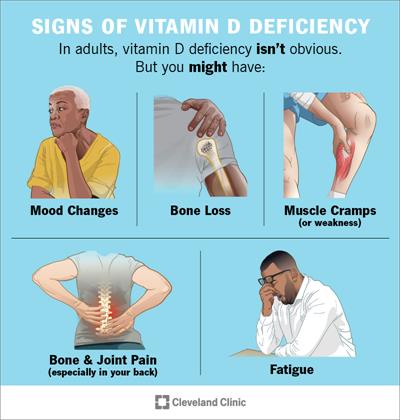
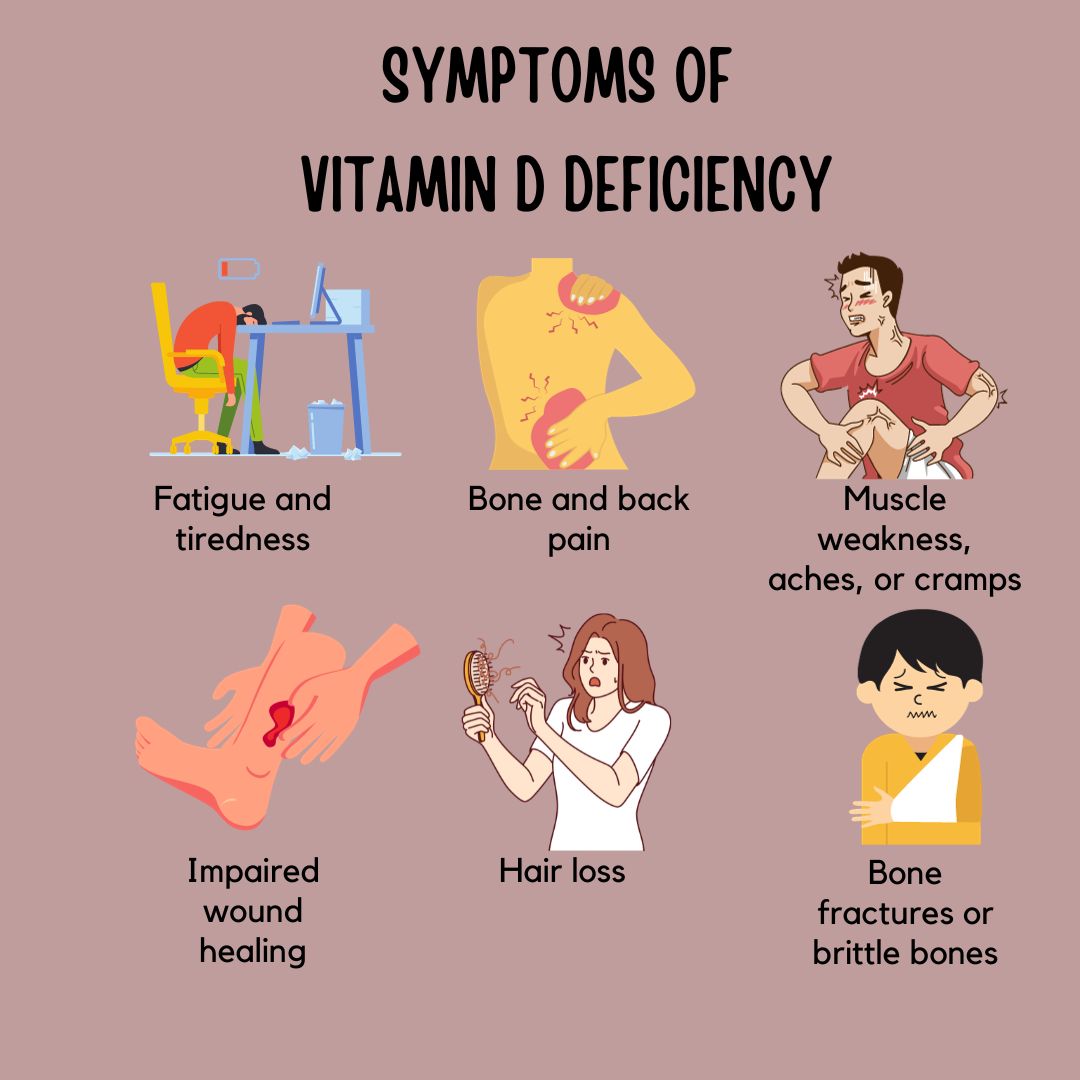
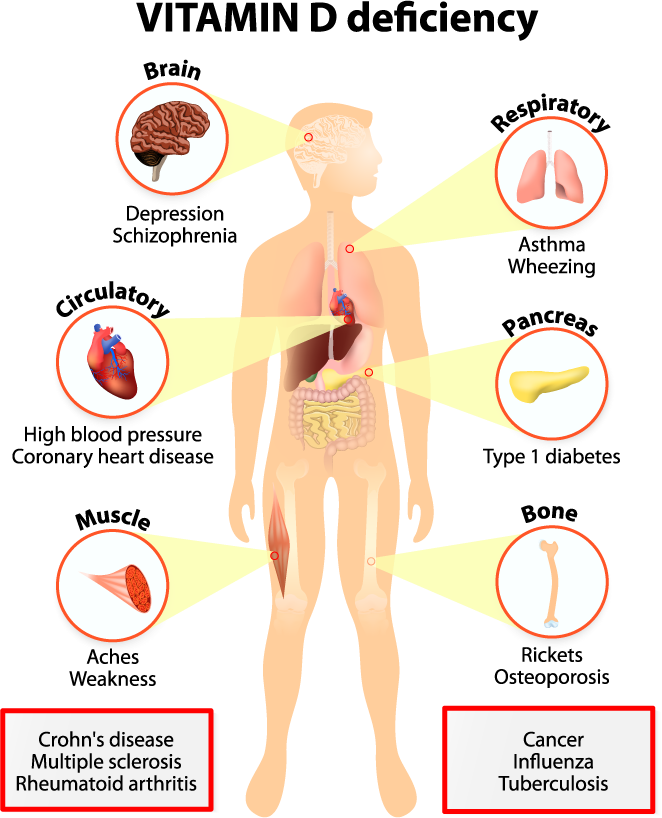
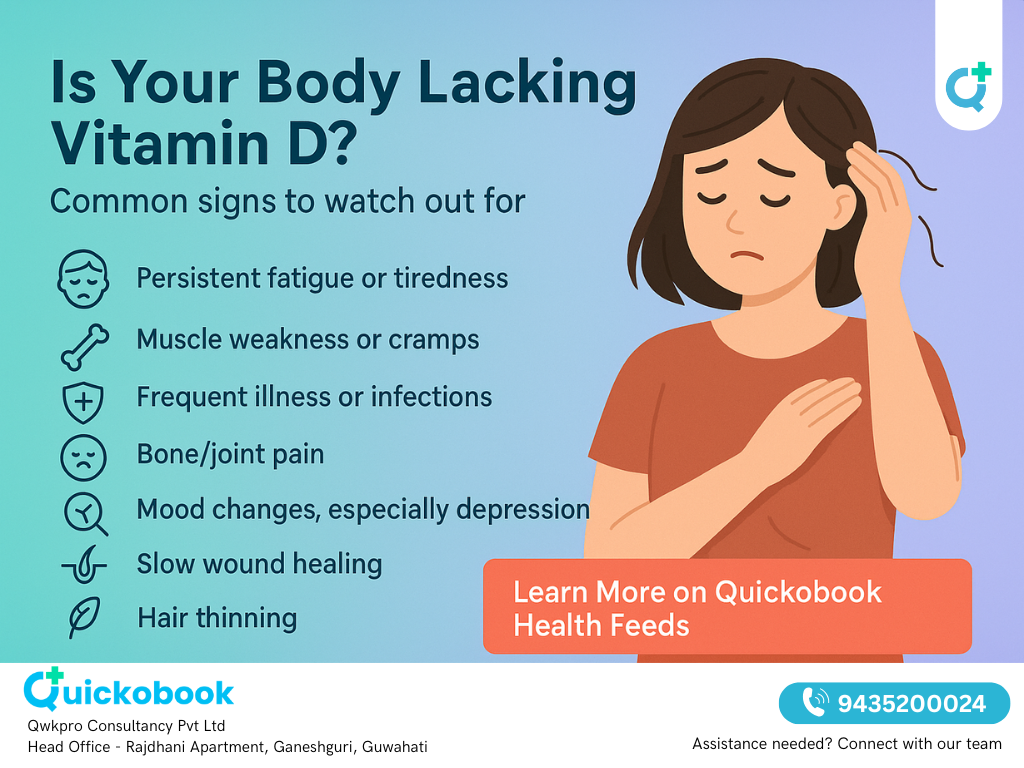
Vitamin D plays a key role in bone health, muscle function, and immune support. When levels fall, several physical and mental symptoms can appear. Below are the most common symptoms of vitamin D deficiency to watch for:
- Persistent fatigue — feeling low on energy despite normal sleep.
- Bone pain or a dull, aching sensation in the hips, lower back, or ribs.
- Muscle weakness, cramps, or aches that make daily tasks harder.
- Mood changes such as low mood or increased feelings of sadness.
- Frequent infections — vitamin D helps regulate immune function.
- Slow wound healing after cuts or surgery.
- Hair thinning or loss in some individuals.
These symptoms are described in detail by trusted health sources like the Cleveland Clinic, which lists fatigue, bone pain, muscle weakness, and mood changes as common signs.
How these symptoms show up
Symptoms often develop gradually. You might notice lower stamina during workouts, more aches after activity, or a general low mood. Because these signs overlap with other conditions, blood testing is the usual way to confirm a deficiency.
Who’s at higher risk?
Certain factors make vitamin D deficiency more likely:
- Limited sun exposure — indoor jobs or living in northern latitudes.
- Darker skin tones — higher melanin reduces vitamin D formation from sunlight.
- Older age — skin makes vitamin D less efficiently over time.
- Obesity — vitamin D can be sequestered in fat tissue.
- Digestive disorders (like celiac disease or Crohn’s) that impair absorption.
- Kidney or liver disease which affect vitamin D activation.
For more details on causes and risk factors, the NCBI Bookshelf offers an in-depth review of causes, including malabsorption and limited sunlight exposure: NCBI – Differential Diagnosis and Causes.
How doctors test for deficiency
The standard test is the 25-hydroxyvitamin D blood test. This measures the circulating form of vitamin D and helps determine if levels are insufficient or deficient.
Health sources like Yale Medicine explain that symptoms such as muscle pain and tingling may accompany low levels and that testing guides treatment decisions.
Interpreting results (general guide)
- Deficient: levels often below 20 ng/mL (varies by lab).
- Insufficient: levels between roughly 20–30 ng/mL.
- Adequate: many experts aim for levels above 30 ng/mL.
Treatment and quick relief
Treatment depends on severity. Your clinician may recommend lifestyle changes, dietary adjustments, or supplements. Typical approaches include:
- Safe sun exposure: short daily periods of sun on arms/face when possible.
- Dietary sources: fatty fish (salmon, mackerel), fortified milk and cereals, eggs.
- Supplements: vitamin D3 (cholecalciferol) is commonly used; dosing depends on blood levels.
Reliable patient-facing sources like MedlinePlus note that severe adult deficiency can cause soft bones (osteomalacia), and in children it can cause rickets — both treatable with the right care.

Supplements: safe use
Supplements are effective, but correct dosing matters. Your healthcare provider will suggest a plan based on your blood 25(OH)D level. High doses over time can cause toxicity, so follow medical advice rather than self-prescribing large amounts.
Prevention tips
Simple habits can help keep vitamin D at healthy levels:
- Spend small amounts of time outdoors most days (10–30 minutes depending on skin tone and location).
- Include vitamin D-rich foods in meals — fatty fish, fortified dairy or plant milk, and eggs.
- Talk to your provider about supplements if you have risk factors like limited sun exposure or a digestive condition.
University of Nebraska–Lincoln’s health resources highlight fatigue, sleep problems, bone aches, and mood changes as symptoms when vitamin D is low and list high-vitamin D foods to help raise levels: UNL: Symptoms and high-vitamin D foods.
When to see a doctor
See a provider if you have persistent fatigue, unexplained bone pain, muscle weakness, or recurrent infections. A simple blood test can clarify if low vitamin D is contributing to your symptoms and guide safe treatment.
Video: Recognizing vitamin D deficiency
Common questions
How soon do symptoms improve after treatment?
Many people notice improved energy and reduced muscle aches within a few weeks of starting treatment, though full recovery of bone health can take months. Your provider will recheck blood levels to adjust treatment if needed.
Can I get enough vitamin D from food alone?
Food helps, but for many people — especially those with limited sun exposure or absorption issues — diet alone may not be enough. Fortified foods and supplements are common and effective options.
Are prescriptions needed for vitamin D?
OTC vitamin D supplements work for mild insufficiency. For severe deficiency, doctors may prescribe higher-dose vitamin D followed by maintenance therapy. Always follow medical guidance for dosing.
Can low vitamin D cause depression?
Low vitamin D is linked to mood changes in some studies. Fixing a deficiency can help some people feel better, but depression is complex and may need additional support or treatment.
Summary: Key takeaways
- Symptoms of vitamin D deficiency often include fatigue, bone or muscle pain, and mood changes.
- A blood test (25-hydroxyvitamin D) confirms deficiency.
- Treatment includes safe sun exposure, diet, and supplements under medical guidance.
- If you have persistent symptoms, see a healthcare provider to test and treat.
For authoritative overviews on symptoms, testing, and treatment, see the detailed pages at the Cleveland Clinic, Yale Medicine, MedlinePlus, and the NCBI Bookshelf.
When low vitamin D is more serious
In children, severe deficiency can cause rickets (soft, weak bones). In adults, it can lead to osteomalacia, reduced bone strength, and higher fracture risk. These outcomes are preventable when deficiency is detected and treated early.
Take action: If you recognize several symptoms of vitamin D deficiency in yourself, book a check-up and request a 25(OH)D test. Early detection is simple and effective.
Want more health guides? Explore practical, easy-to-follow articles on zenpulsehub.com to take control of your wellness.