
Top Mistakes in Home Gym Setups: How to Avoid Them
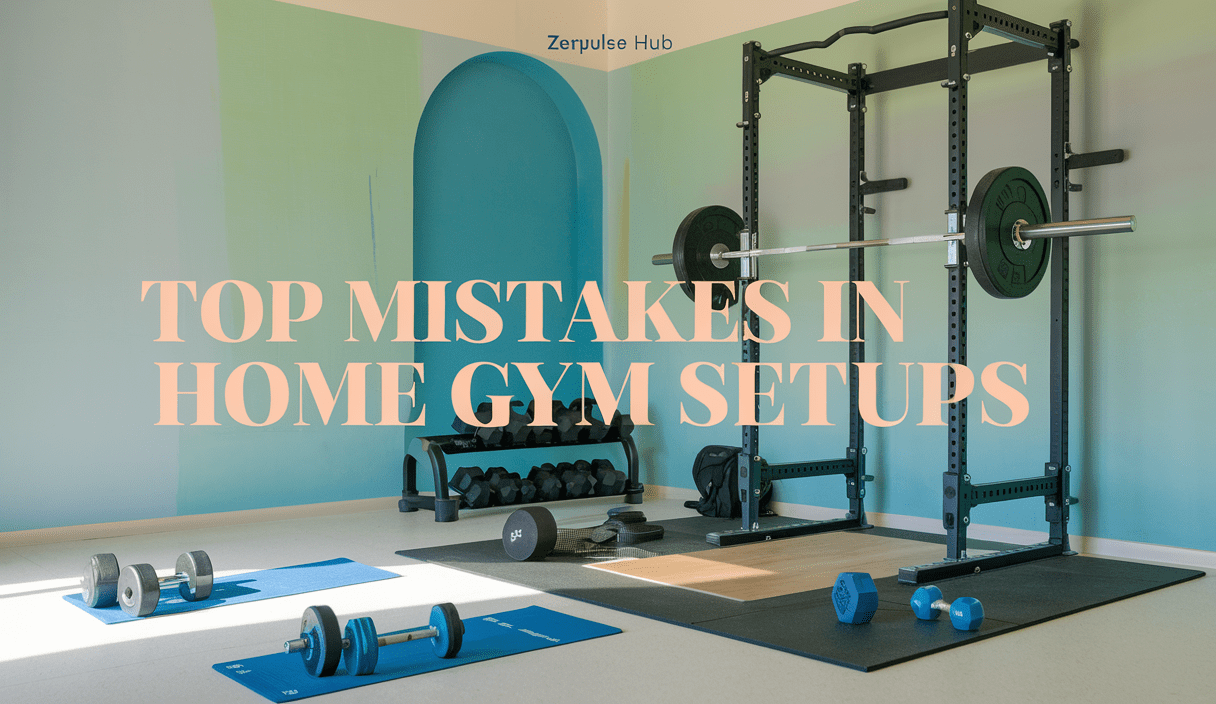
Top Mistakes in Home Gym Setups can turn a promising space into a frustrating one fast. Whether you’re starting small in an apartment corner or building a full garage gym, this guide walks you through the most common errors and how to fix them—so your workouts stay safe, efficient, and motivating.
Why planning beats impulse buys
Rushing into purchases is one of the biggest reasons people hit problems when building a home gym. Start with a simple plan: set goals, measure your space, and budget for quality where it matters. This helps avoid the frequent Top Mistakes in Home Gym Setups like buying duplicate or incompatible gear.

Top Mistakes in Home Gym Setups: The checklist
Below are the short, actionable items that solve most common issues. Use this as a quick reference when you set up or upgrade your space.
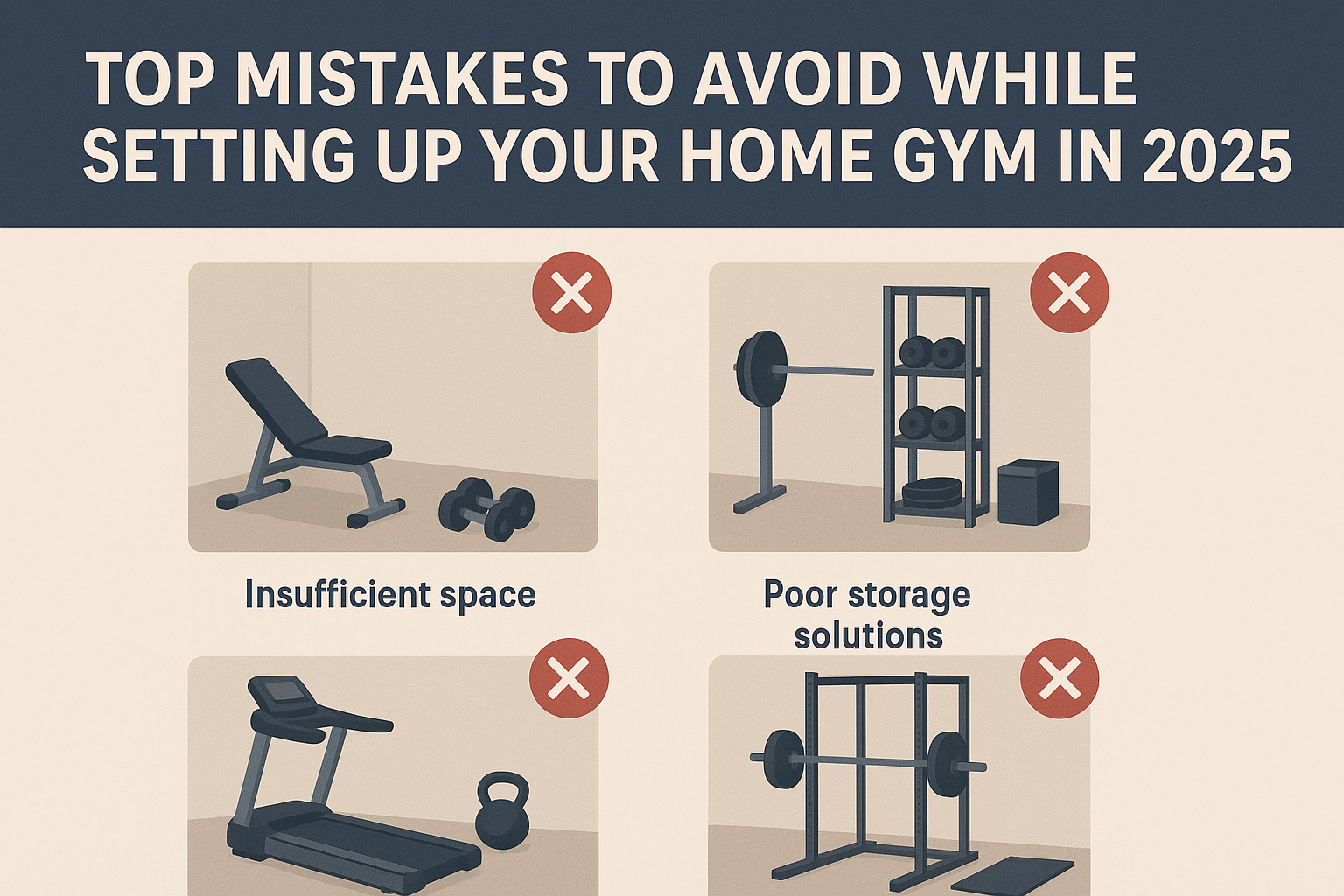
- Ignoring space and flow: Make sure you can move freely between exercises.
- Buying the cheapest equipment: Cheap gear often fails sooner and costs more over time.
- Poor flooring: Protect your floor and reduce noise with the right mats or pads.
- Bad lighting and ventilation: A dark, stuffy room kills motivation and performance.
- No storage or organization: Clutter makes workouts slower and less safe.
Why each item matters
These are not aesthetic choices only—each affects safety, equipment lifespan, and how likely you are to stick with your routine.
Equipment mistakes that cost time and money
Buying gear without a plan is one of the most common errors. The right approach saves money and frustration.
1. Buying too cheap for important pieces
Don’t skimp on core equipment: If you plan to lift heavy, a weak rack or barbell can be dangerous. Many users on forums report regretting early cheap purchases and replacing them later—see community insights like this Reddit thread about buying cheap equipment (note: many wished they’d bought commercial-level gear once they got serious).

2. Buying gear you won’t use
Impulse buys like trend items or machines that duplicate functions are common. Ask: Does this item match my goals? Will it fit my space? If unsure, start with versatile pieces—a barbell, adjustable bench, dumbbells, and a rack often cover most programs.
3. Ignoring compatibility
Different brands can use slightly different plate sizes, attachments, or fitting methods. If you mix gear, verify compatibility before buying. The community discussion here asks exactly that question: common equipment choice mistakes.
Layout and safety mistakes to avoid
Space planning is more than floor area—think about clearance, load paths, and emergency access. Many of the Top Mistakes in Home Gym Setups relate to ignoring these small but critical details.
1. Insufficient clearance
Give yourself room for movement. For example, Olympic lifts and kettlebell swings need more overhead and backspace than bench presses. A cramped layout can cause injuries.
2. Skimping on flooring
Thin foam tiles won’t protect concrete or reduce noise for heavy drops. Use thicker rubber mats beneath heavy racks or platforms. This protects both your floor and neighbors below.

3. Poor ventilation and lighting
Workouts get uncomfortable quickly in a dark, stuffy room. Add lighting, a fan, or a dehumidifier if needed. Natural light helps mood—position your gym to take advantage when possible.
Organization, noise, and neighbor issues
These smaller details determine whether your gym is sustainable long-term. Miss them and you may stop using the space.
1. No storage plan
Store plates, bands, and accessories on racks or wall hooks. A tidy space speeds workouts and reduces trip hazards. As pointed out in a practical guide, Rep Fitness lists skimping on organization as a common mistake—don’t let clutter undo your investment.
2. Ignoring noise control
If you live in an apartment or shared house, use quieter equipment or add sound-dampening mats. Consider time-of-day rules for heavy drops. A little planning prevents complaints.
Programming and motivation mistakes
Equipment alone doesn’t create results. The way you plan workouts impacts how useful your home gym will be.
1. No simple program to start
New gym owners sometimes buy gear then skip making a plan. Pick a simple, progressive program that matches the equipment you own—this keeps momentum and makes every piece of gear count.
2. Too many single-use machines
Machines that only serve one movement can waste space. Favor versatile tools like adjustable benches, dumbbells, and power racks to cover more ground.
Budgeting smart: where to spend and save
Budget wisely. Spend on items you’ll use frequently and that affect safety. Save on accessories that have lower wear or lower safety risk.
- Spend on: Rack, barbell, quality bumper plates, reliable flooring.
- Save on: Cheap accessories that you can upgrade later (resistance bands, basic mats).
- Consider used: Carefully vetted secondhand plates and racks can be great value.
Examples and resources
Learn from other builders. Watch curated videos or playlists about home gym mistakes and setups. For more video-driven tips, check a handy playlist of common errors and equipment reviews: YouTube playlist with home gym mistakes.
Want real-user perspectives? Read community threads where DIY gym owners list regrets and lessons—these threads highlight the human side of decisions: buying cheap gear regret thread and a forum discussion on common mistakes.
Visual examples and inspiration
Before you buy, look at tested gear lists and smart layout ideas. These resources show what works well in real home gyms:
- Rep Fitness: Beware of these home gym mistakes (practical pitfalls and fixes).
- Strength Warehouse: Best home gym equipment guide (space-saving, versatile picks).

How to avoid the Top Mistakes in Home Gym Setups: Practical 30-day plan
Follow this short plan to go from messy idea to a functional gym without regrets.
- Week 1 — Plan: Measure space, set goals, list must-haves and nice-to-haves.
- Week 2 — Buy core gear: Prioritize rack, barbell, plates, bench, and floor protection.
- Week 3 — Create flow: Position gear, test movements, and add lighting/ventilation.
- Week 4 — Organize & iterate: Add storage, tape workout zones, and adjust based on use.
Common questions and quick fixes
Here are fast answers to problems people run into when setting up at home.
Quick fixes
- Plate wobble: Replace cheap sleeves or switch to a thicker collar.
- Noise complaints: Add thick rubber under the noisiest zones and schedule heavy work-outs at reasonable hours.
- Too many single machines: Sell or donate items you rarely use and reinvest in a rack or adjustable dumbbells.
Further reading
To deepen your knowledge, read practical guides and gear lists from trusted sources. For example, the Rep Fitness blog covers organizational mistakes, while the gear list at Strength Warehouse (updated 2025) highlights space-saving choices for long-term results.
Watch: a quick setup walkthrough
See a hands-on example of mistakes to avoid and fixes you can apply immediately. Watch below:
Final checklist before you train
Run this quick check each time you add new gear:
- Is clearance adequate for all planned movements?
- Is the floor protected and level?
- Are cables, plates, and attachments compatible?
- Is storage set so nothing becomes a trip hazard?
- Have you scheduled times to avoid disturbing others?
Top Mistakes in Home Gym Setups are easy to avoid with a little planning and a few quality purchases. Follow the steps above, use the resources linked, and iterate after a month of real use.
Ready to build a gym you’ll love? Start small, plan smart, and upgrade intentionally.
Want more guides like this? Explore practical articles and reviews at zenpulsehub.com and keep improving your home setup.
FAQs
What is the single biggest mistake when setting up a home gym?
Buying cheap core equipment that isn’t fit for purpose. This often leads to replacement costs and safety issues. Invest in a quality rack, barbell, and plates if you lift heavy.
How much space do I need for a basic home gym?
A versatile setup can fit in a 10×10 ft area, but allow extra space for movement and clearance—especially for Olympic lifts or kettlebell work.
Can I build a quiet gym in an apartment?
Yes—use rubber flooring, choose no-drop workouts when neighbors are home, and add sound-dampening under platforms or racks to reduce impact noise.
Where can I learn which gear to buy?
Start with trusted guides and community feedback. Helpful resources include the Rep Fitness article on common mistakes and the Strength Warehouse equipment guides linked above.