
Uses of essential oils: Practical Everyday Tips
When you search for Uses of essential oils, you’ll find a mix of practical tips, safety warnings, and inspiring recipes. This guide breaks down the most useful, evidence-backed ways to use essential oils for mood, sleep, home care, and gentle first-aid — with safety and simplicity in mind.
Uses of essential oils: Quick overview
Essential oils are concentrated plant extracts distilled from flowers, leaves, bark, or fruit. They’re prized for their scent and their active compounds. People turn to essential oils for stress relief, better sleep, natural cleaning, and minor skin care. Always treat them as powerful substances: dilute before skin use and consult medical advice when pregnant, nursing, or using prescription medications.
Why people use essential oils
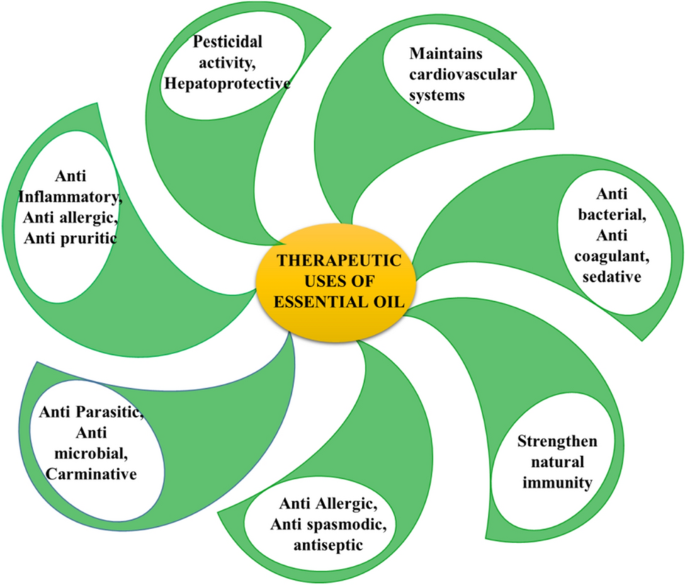
People choose essential oils for several reasons: pleasant scent, emotional lift, and potential therapeutic benefits. Reputable sources like the Cleveland Clinic explain benefits such as boosting mood, improving sleep, and even antimicrobial activity in some oils. Johns Hopkins also reviews aromatherapy research and notes how inhaled oils can influence mood and nausea management (Johns Hopkins).
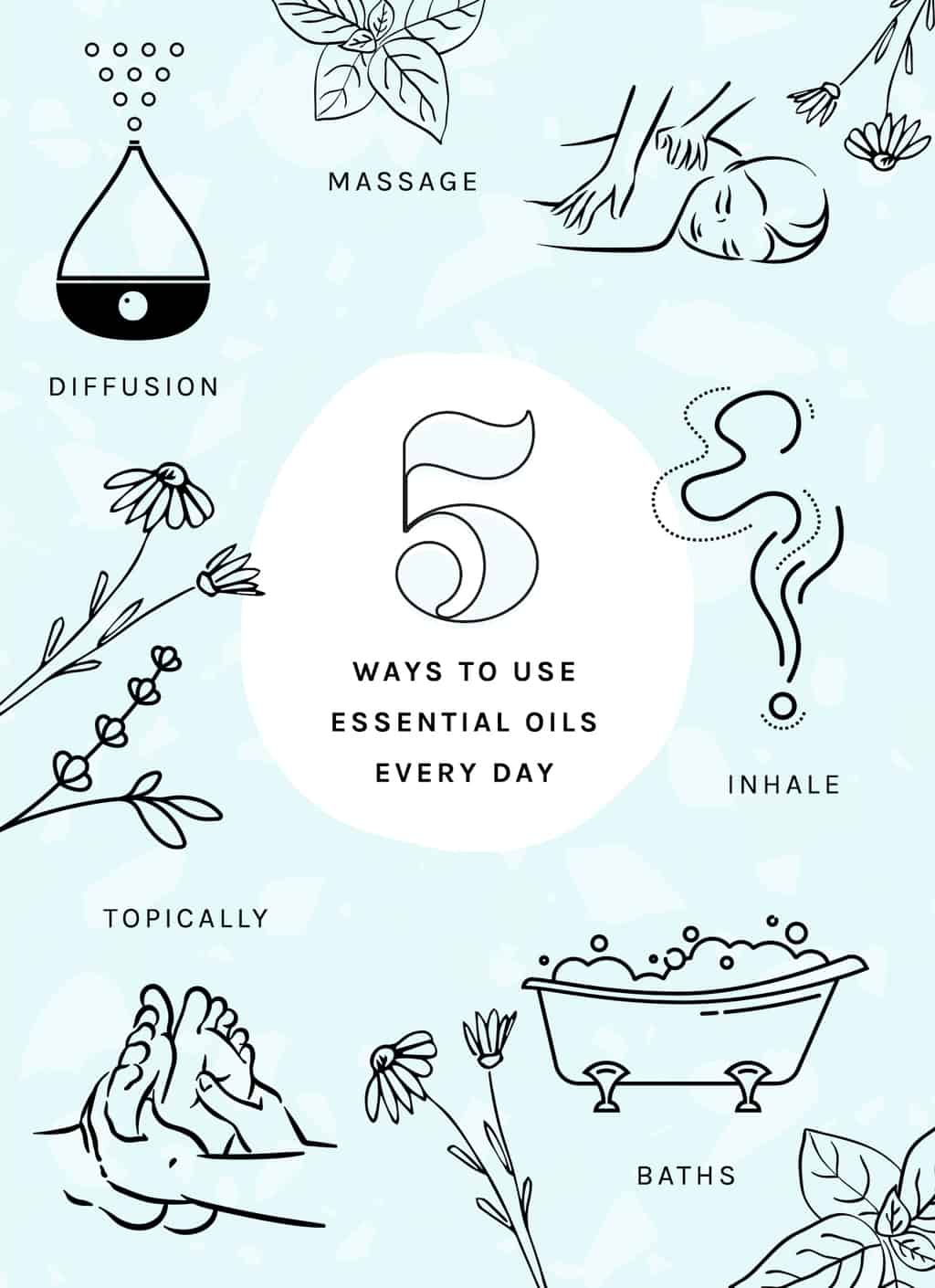
5 practical methods to use essential oils
Below are the most common methods — easy to adopt whether you’re new to oils or looking for fresh ideas.
1. Diffusion (Inhalation)
Diffusing oils disperses scent into the air and is one of the safest inhalation methods. Use a cool-mist diffuser and follow the manufacturer’s instructions. Try these combos:
- Lavender for sleep and relaxation.
- Peppermint for alertness and nausea relief.
- Tea tree for a cleansing aroma (not for prolonged use around pets).

2. Inhalation from a personal inhaler or hands
For on-the-go relief, an inhaler stick or cupped-hands method works well. Add one drop to a cotton ball or a personal inhaler. This is great for quick nausea relief (peppermint or ginger) or anxiety support (lavender).
3. Topical application (diluted)
Essential oils are potent — always dilute before applying to skin. A common rule: 1–2% dilution for adults (that’s about 6–12 drops per ounce of carrier oil). Use carrier oils such as jojoba, sweet almond, or fractionated coconut oil. Examples:
- Lavender + carrier oil for minor burns or sleep massage.
- Peppermint diluted on temples for tension headaches (avoid eyes).
- Tea tree diluted for spot treating acne — patch-test first.
4. Household uses
Essential oils can freshen laundry, clean surfaces, and deodorize spaces. For example, add lemon or eucalyptus to a homemade all-purpose cleaner with vinegar and water. For a laundry freshener, mix water, a little vodka, and a few drops of oil in a spray bottle.
5. Personal care blends
Add essential oils to natural soaps, shampoos, or homemade deodorants — always following dilution and safety guidance. Many people enjoy a drop of rosemary in shampoo for an herbal scent and scalp stimulation.
How to choose and store essential oils
Choosing quality oils matters. Look for brands that list the botanical name, country of origin, extraction method, and batch testing (GC/MS reports). Store oils in dark glass bottles away from heat and direct sunlight to preserve potency.
Labels and testing
Reliable companies share test results. If a seller is vague about ingredients or sourcing, proceed cautiously. Wikipedia has a useful overview of what essential oils are and their common uses if you want background information (Wikipedia — Essential oil).
Safety rules for everyday use
When using essential oils, follow simple precautions to minimize risk:
- Always dilute for skin application.
- Avoid eyes, inner ears, and mucous membranes.
- Keep oils away from children and pets; some oils are toxic to animals.
- Do a patch test when trying a new oil.
- Consult your healthcare provider if pregnant, breastfeeding, or on medication. Trusted medical sources like Healthline and the Cleveland Clinic list interactions and precautions.
Simple recipes and starter blends
Here are easy, safe blends to try. These use commonly available oils and follow gentle dilutions.
Relaxing nightly roll-on (sleep)
Mix 10 drops lavender + 2 drops chamomile in 10 ml carrier oil. Apply to wrists and chest before bed.
Focus spray
Combine 12 drops peppermint + 8 drops lemon in a 4 oz spray bottle with water and a tablespoon of vodka. Shake before use and spray lightly around your workspace.
Natural surface cleaner
Mix 1 cup water + 1 cup white vinegar + 20 drops tea tree + 10 drops lemon in a spray bottle. Use on countertops (avoid stone surfaces like marble).

Evidence and realistic expectations
Essential oils can be supportive, especially for mood, sleep, and mild symptom relief. High-quality reviews (see Johns Hopkins and Cleveland Clinic) say inhalation can reduce anxiety and nausea for some, and topical use may help with pain or skin concerns if used correctly. However, oils are not cure-alls — they complement, not replace, medical care.
Common myths and honest answers
Some marketing claims overstate benefits. For balanced info, check reputable health resources like Cleveland Clinic and Healthline. Both explain where evidence is strong and where more research is needed.
Practical tips for everyday use
- Start small: Use a single drop in a diffuser session and observe how your body reacts.
- Rotate oils: Continuous exposure to the same oil can reduce effects over time.
- Label blends: Note dilution ratios and date your homemade blends.
- Be pet-safe: Avoid diffusing high concentrations around cats and small animals.
Community tips and creative uses
People share many creative uses — from peppermint to ease nausea to laundry fresheners using vodka and essential oils (community tips noted on Reddit and personal blogs). A community thread describes simple laundry sprays and scent boosters — useful for between-wash freshness (Reddit — community tips).
When to see a professional
If you have allergies, asthma, or a chronic condition, check with your healthcare provider before regular use. If skin irritation occurs, stop use and seek medical advice. For reliable medical guidance, sources like Johns Hopkins and the Cleveland Clinic offer clear safety information.
Summary of best practices
- Keep Uses of essential oils practical and evidence-minded.
- Always dilute for topical use and test first.
- Use diffusion and inhalers for mood and nausea support.
- Choose quality brands and store oils properly.
Further reading and resources
For background and evidence-based articles, visit:
- Cleveland Clinic — Essential Oils 101
- Johns Hopkins — Aromatherapy review
- Healthline — What are essential oils?
- Wikipedia — Essential oil
Video guide
Watch this short video demonstration for basic techniques and recipes:
Conclusion
Whether you want better sleep, a calmer commute, or a natural cleaner, the right Uses of essential oils can add small, pleasant benefits to daily life. Start gently, follow safety steps, and enjoy experimenting. For more practical wellness guides and easy recipes, explore more at zenpulsehub.com — and keep discovering what works best for you.
Can essential oils cure illnesses?
Essential oils can support symptoms like mild anxiety, poor sleep, or nausea for some people, but they are not cures. Use them as complementary tools and consult a healthcare provider for medical conditions.
How should I dilute essential oils for skin?
A common dilution is 1–2% for adults (about 6–12 drops per ounce of carrier oil). For children or sensitive skin, use lower dilutions and perform a patch test first.
Are essential oils safe around pets?
Some oils are toxic to pets, especially cats. Avoid diffusing high concentrations around animals and consult a veterinarian for pet-safe recommendations.
Where can I learn more about evidence and safety?
Trusted medical sites like the Cleveland Clinic, Johns Hopkins, and Healthline provide balanced guidance and safety tips. See links in the article for direct resources.