
What Causes Vitamin D Deficiency
What causes vitamin d deficiency is a common question — especially as many people feel tired, achy, or just not themselves. Vitamin D plays a key role in bone health, immunity, and mood. In this guide, we explain the main causes, who’s at risk, signs to watch for, and practical steps to prevent or treat deficiency.
What Causes Vitamin D Deficiency: Main Factors
There isn’t a single answer to what causes vitamin d deficiency. Instead, several lifestyle, medical, and environmental factors can cut off your vitamin D supply. Below are the most common causes and how they interfere with the body’s ability to make or use vitamin D.
1. Not Enough Sun Exposure
Sunlight on the skin triggers vitamin D production. Limited sun exposure is a top cause of deficiency. Reasons include:
- Living in northern latitudes or places with long winters.
- Spending most time indoors (office work, remote work, etc.).
- Using high-SPF sunscreen constantly (which blocks UVB) or covering skin for cultural or medical reasons.

2. Skin Pigmentation and Age
Darker skin has more melanin, which reduces the skin’s ability to make vitamin D from sunlight. Older adults also produce less vitamin D in response to sun exposure. Both groups often ask, “what causes vitamin d deficiency?” — and skin type or age can be a big part of the answer.
3. Diet and Poor Absorption
Vitamin D is found in a few foods (fatty fish, fortified milk or cereal, egg yolks). If your diet lacks these, you may not get enough. But more importantly, certain conditions block absorption:
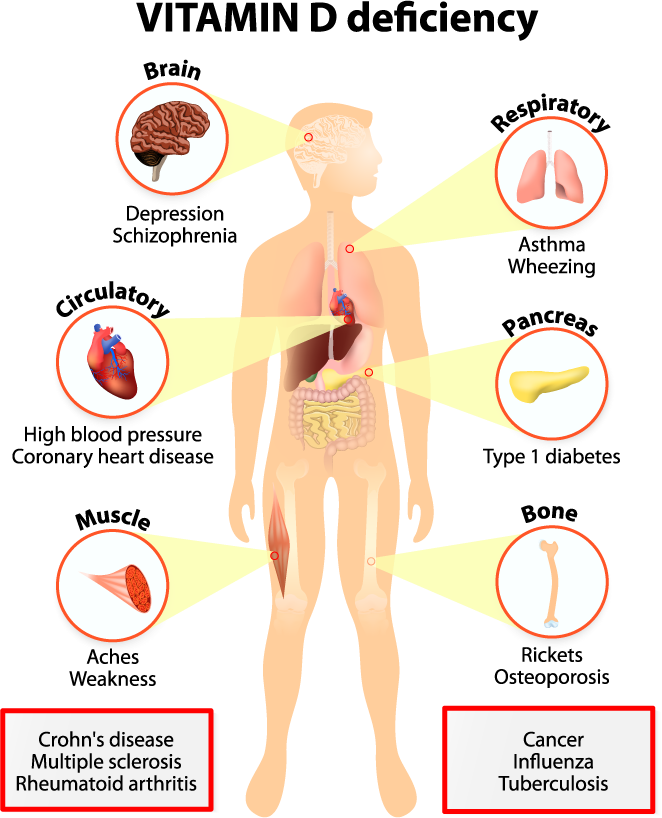
- Malabsorption syndromes like celiac disease, Crohn’s disease, and cystic fibrosis.
- Gastric bypass or other bariatric surgeries that shorten the gut.
- Low dietary fat — vitamin D is fat-soluble and needs dietary fat to be absorbed.
4. Obesity and Body Composition
Higher body fat can lower measurable vitamin D levels. Fat cells can trap vitamin D, making it less available in the bloodstream. If you’re wondering what causes vitamin d deficiency and you have a high body mass index (BMI), this is one factor to consider. The Cleveland Clinic notes that a BMI greater than 30 is linked with lower vitamin D levels because fat stores the vitamin and keeps it from circulating freely. Source: Cleveland Clinic.
Medical Causes and Medications
Certain medical conditions and drugs can cause low vitamin D by blocking its creation or speeding its breakdown.
- Liver or kidney disease — these organs activate vitamin D into its usable form.
- Malabsorption or gastrointestinal disease — conditions like celiac disease or short bowel syndrome reduce absorption (NCBI Book: absorption issues).
- Medications — certain anticonvulsants, glucocorticoids, and weight-loss drugs can lower vitamin D.
Hormonal and Genetic Factors
Some rare genetic disorders affect vitamin D metabolism. Also, hormones such as those altered in certain endocrine conditions can influence levels.
Who Is at Higher Risk?
Understanding risk helps answer “what causes vitamin d deficiency” for specific people. Common high-risk groups include:
- People living in northern latitudes or cloudy climates.
- Individuals with darker skin tones.
- Older adults and nursing home residents who spend little time outdoors.
- People with obesity or certain gastrointestinal diseases.
- Those who take medications that affect vitamin D metabolism.
Signs and Symptoms to Watch For
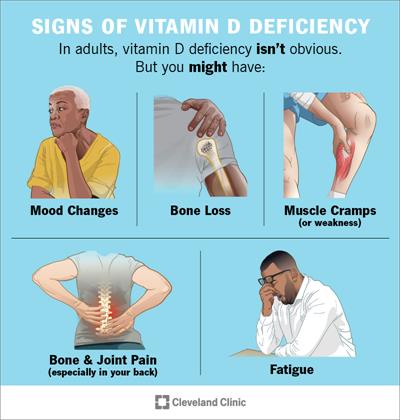
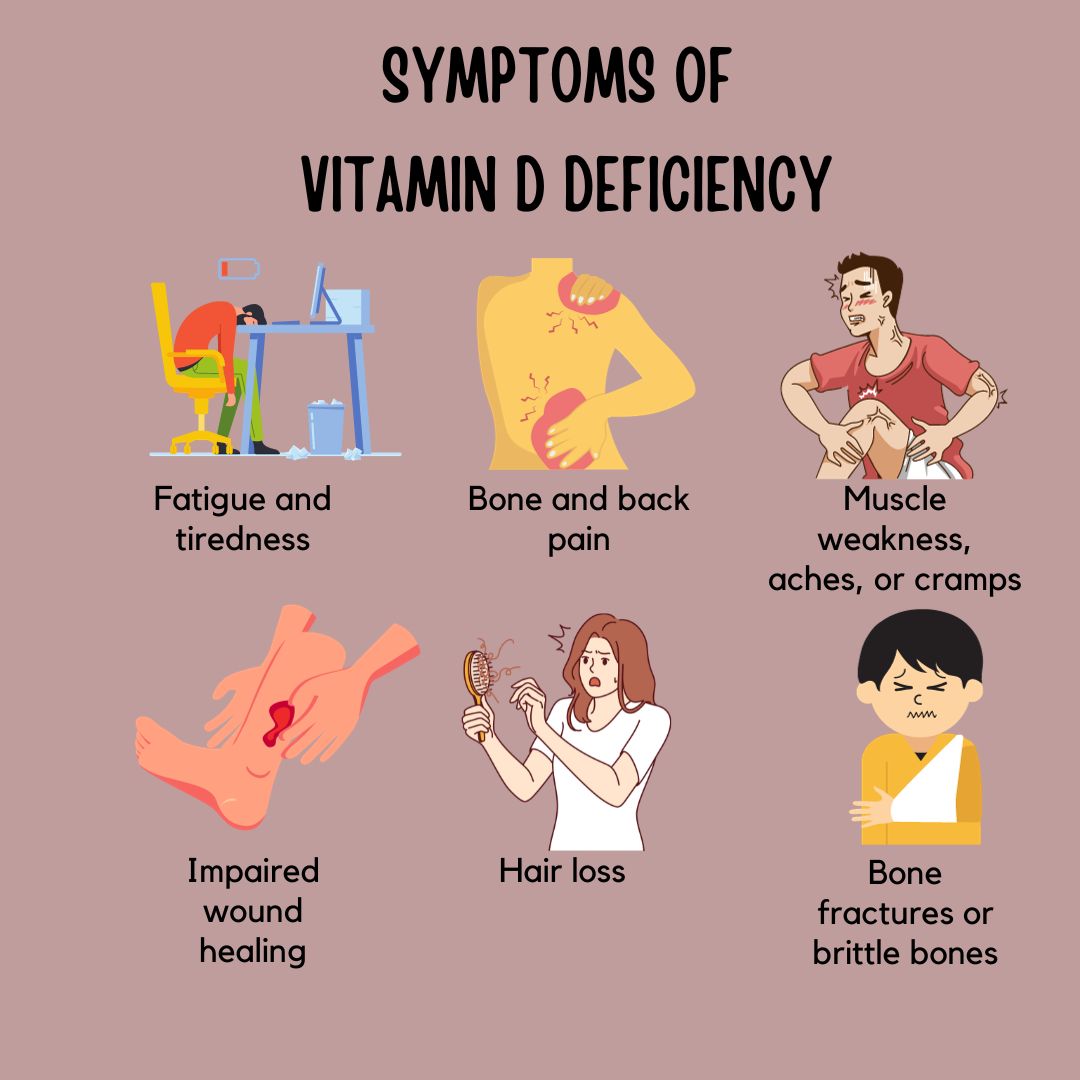
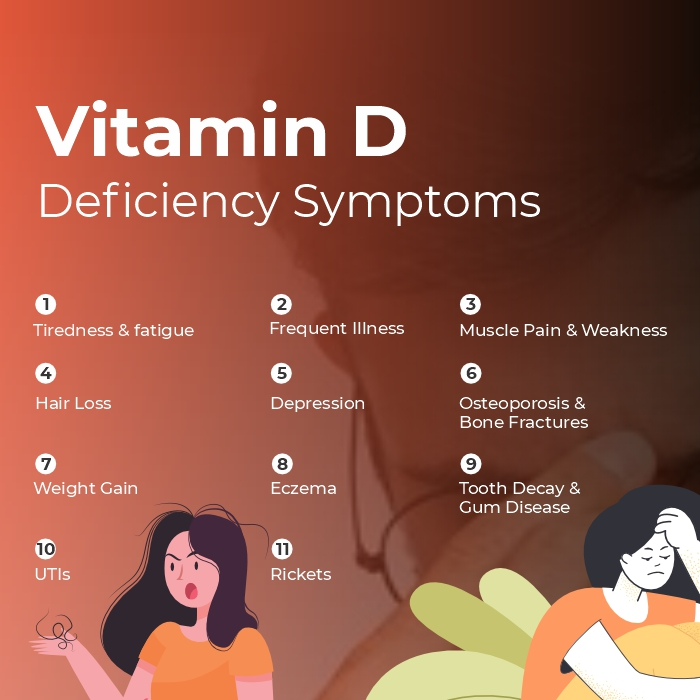
Symptoms can be subtle. Many people with low vitamin D feel tired or have mild aches. More serious deficiency can cause:
- Bone pain or muscle weakness.
- Frequent bone fractures or delayed healing.
- Children: rickets, which causes soft bones and deformities.
- Mood changes like low mood or depressive symptoms in some people.
If you notice persistent bone pain or weakness, check with your healthcare provider. Reliable sources like MedlinePlus and Yale Medicine explain how deficiency can lead to rickets in children and bone problems in adults (MedlinePlus; Yale Medicine).
How Is Vitamin D Deficiency Diagnosed?
Diagnosis relies on a blood test that measures 25-hydroxyvitamin D. Health professionals interpret levels and decide on treatment. The NIH Office of Dietary Supplements provides an overview of testing, dosing, and safety for professionals and the public (NIH ODS factsheet).
When to Test
Testing is reasonable if you have risk factors, bone or muscle symptoms, malabsorption, kidney or liver disease, or take medications that affect vitamin D.
Treatment and Prevention
Treatment depends on how low your levels are. Typical approaches include:
- Sun exposure: Brief daily sun exposure to arms and legs helps — but balance skin cancer risk and use sun protection when needed.
- Dietary sources: Include fatty fish (salmon, mackerel), fortified milk or plant milks, and fortified cereals.
- Supplements: Vitamin D3 (cholecalciferol) is commonly used. Your provider will recommend dose and duration.
- Treating underlying causes: Manage malabsorption or change interacting medications under medical guidance.
Clinical guidelines differ on optimal blood levels and dosing. If you want a reliable reference for clinical decisions, see the NCBI summary on decreased dietary intake and malabsorption causes (NCBI).
How Much Vitamin D?
Recommended doses vary by age, health status, and deficiency severity. The NIH Office of Dietary Supplements page explains typical dosing and safety considerations (NIH ODS).
Practical Lifestyle Tips
Simple habits can help prevent deficiency:
- Spend short periods (10–30 minutes) in midday sun several times per week when safe.
- Include vitamin D–rich foods in meals.
- Discuss supplements with your healthcare provider, especially if you have risk factors.
- Get routine blood tests if you have chronic conditions or take medications that affect vitamin D.
Common Questions About What Causes Vitamin D Deficiency
Below are answers to frequent concerns so you can quickly check if you might be affected.
Can I get enough vitamin D from food alone?
For most people, food alone is not enough. Fortified foods help, but sunlight or supplements are often needed to reach optimal levels.
Does sunscreen cause deficiency?
Sunscreen blocks UVB and reduces vitamin D synthesis. However, use sunscreen to lower skin cancer risk; aim for safe, short sun exposure or discuss supplements with your provider.
Is vitamin D testing necessary for everyone?
Not for everyone. Testing is most useful when you have risk factors, symptoms, or medical conditions that affect vitamin D. Check guidance from health resources like MedlinePlus and Yale Medicine for context (MedlinePlus; Yale Medicine).
Key Takeaways
In short, what causes vitamin d deficiency is usually a mix of limited sun exposure, skin pigmentation or age-related changes, poor dietary intake, malabsorption, obesity, or certain medical conditions and medications. Identifying your personal risk and working with a healthcare provider to test and treat low levels is the best approach.
When to See Your Doctor
See a healthcare provider if you have persistent bone pain, muscle weakness, frequent fractures, or risk factors like malabsorption or kidney disease. They can order the 25-hydroxyvitamin D blood test, interpret results, and recommend a treatment plan.
Further Reading and Reliable Sources
For accurate, in-depth information consult these trusted sources:
- Cleveland Clinic — notes the role of obesity and other risk factors.
- MedlinePlus — overview of symptoms and clinical concerns.
- Yale Medicine — symptoms and treatment basics.
- NCBI Bookshelf — detailed clinical information about malabsorption and dietary causes.
- NIH Office of Dietary Supplements — professional factsheet on dosing and safety.
Final note: If you suspect low vitamin D, talk with a clinician for testing and tailored advice. Small changes — safe sun time, dietary tweaks, or appropriate supplements — can make a big difference.
Call to action: Want more health guides like this? Explore practical wellness tips and deep-dive explainers at zenpulsehub.com to take charge of your health today.
FAQs
What are the most common causes of vitamin D deficiency?
The most common causes are limited sun exposure, dark skin, older age, poor dietary intake, malabsorption conditions, obesity, and certain medications that alter vitamin D metabolism.
Can supplements fix vitamin D deficiency?
Yes, supplements (usually vitamin D3) are effective for most people. Dose and duration depend on how low levels are and individual health factors. Always check with a healthcare provider before starting supplements.
Does sunscreen cause vitamin D deficiency?
Sunscreen reduces skin production of vitamin D, but it’s important for preventing skin cancer. Balance short, safe sun exposure with dietary sources or supplements when necessary.
Who should get tested for vitamin D?
Testing is advised for people with risk factors (malabsorption, kidney/liver disease, obesity), those with bone or muscle symptoms, or individuals on medications that affect vitamin D. Discuss testing with your clinician.