

What Vitamin Deficiency Causes Muscle Cramp? Quick Guide
What vitamin deficiency causes muscle cramp is a common question for people who wake up with painful leg or foot cramps. Muscle cramps can be sudden and intense. They often point to an underlying nutrient gap, dehydration, or other medical issues. This guide explains the likely vitamin and mineral causes, how to check for them, and practical steps to prevent cramps.
Which nutrients most often cause muscle cramps?
Muscle cramping is most commonly linked to imbalances in both minerals and vitamins. The main culprits are:
- Magnesium – needed for muscle relaxation.
- Calcium – essential for muscle contraction and nerve signaling.
- Potassium – helps regulate electrical signals in muscle cells.
- Vitamin D – supports calcium balance and muscle function.
- B vitamins (especially B1, B6) – involved in nerve and muscle health.

What vitamin deficiency causes muscle cramp: the science
The short answer to what vitamin deficiency causes muscle cramp is that several deficiencies can contribute. Still, research and clinical guides point most strongly to magnesium and vitamin D as important factors. Electrolytes like potassium and calcium are also often involved. If you want a quick trusted reference listing common nutrient causes, the Cleveland Clinic notes calcium, potassium, magnesium, and vitamin D as common contributors.
Magnesium: the muscle relaxer
Magnesium helps muscles relax after they contract. Low magnesium (hypomagnesemia) can increase muscle excitability and lead to painful cramps. Causes include poor diet, certain medications (like diuretics), alcohol use, and conditions that affect absorption.
Calcium and potassium: electrical balance
Calcium triggers muscle contraction and potassium helps reset the cell’s electrical state after a contraction. Low levels of either can make muscle cells unstable and prone to cramping. Dialysis patients and people with low intake may be at higher risk — see the research summary that links vitamin D and calcium metabolism to muscle cramps for more details: PMC study on vitamin D, calcium and muscle cramps.
:max_bytes(150000):strip_icc()/GettyImages-1459778038-912424f9882c4be39868cd6d58ef8c2a.jpg)
How vitamin D links to cramps
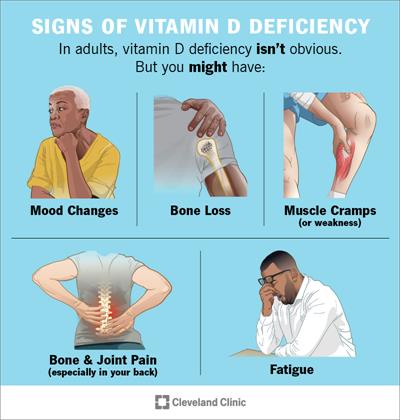
Vitamin D helps the body absorb calcium and supports muscle performance. Low vitamin D can indirectly cause cramps by lowering calcium availability and weakening muscles. Observational studies and clinical reports suggest that improving vitamin D levels can reduce cramp frequency for some people. For an accessible overview, Cleveland Clinic’s vitamin D page explains causes, symptoms, and treatments related to deficiency: Vitamin D Deficiency: Causes, Symptoms & Treatment.

Symptoms that point to a deficiency
If you suspect what vitamin deficiency causes muscle cramp, check for these signs in addition to cramps:
- Muscle weakness or twitching
- Numbness or tingling
- Fatigue and low energy
- Bone pain or frequent fractures (vitamin D/calcium)
- Irregular heartbeat or dizziness (potassium imbalance)
How doctors test for nutrient-related cramps
Medical evaluation often includes:
- Blood tests: magnesium, calcium, potassium, vitamin D, and sometimes B vitamins.
- Medication review: some drugs increase loss of minerals.
- Assessment of kidney function, thyroid function, and hydration.
Local clinics and primary care providers may order these tests. If you want an overview of muscle cramp causes and management from a trusted source, check this Cleveland Clinic article that lists common deficiencies and clinical tips: Muscle Spasms & Muscle Cramps — Cleveland Clinic.
Diet and food sources to fix deficiencies
Fixing nutrient gaps often starts with food. Here are top sources:
- Magnesium: leafy greens, nuts, seeds, whole grains.
- Calcium: dairy, fortified plant milks, tofu, leafy greens.
- Potassium: bananas, potatoes, beans, avocados.
- Vitamin D: fatty fish (salmon, mackerel), fortified milk, sunlight.
- B vitamins: whole grains, meat, eggs, legumes.
For practical meal ideas and foods that help with cramps, Healthline has a helpful guide on foods that support muscle health: Foods that help with muscle cramps — Healthline.
Supplements: when they help and what to watch
Supplements can help when diet and sun exposure aren’t enough. Consider these notes:
- Magnesium supplements (glycinate or citrate) are often used for cramps.
- Vitamin D supplements correct low blood levels — dosing depends on labs.
- Electrolytes (potassium or calcium) should be guided by blood tests and a clinician.
- Excessive supplementation can be harmful — always check with your healthcare provider.
For a consumer-friendly discussion of vitamin deficiency and cramps, Verywell Health covers nutrient links and ways to feel better: What Vitamin Deficiency Causes Muscle Cramps? — Verywell Health.

Practical home steps to stop a cramp fast
When a cramp hits, try these simple moves:
- Stretch the affected muscle gently and hold the stretch for 15–30 seconds.
- Massage the muscle with firm pressure.
- Apply heat (warm towel) to relax tight muscles, or cold to reduce pain if it follows.
- Walk around gently to encourage blood flow.
- Stay hydrated — sip water or an electrolyte drink if you suspect dehydration.
When to see a doctor
Make an appointment if cramps are:
- Frequent or disabling.
- Accompanied by swelling, redness, or sudden weakness.
- Associated with irregular heartbeat or fainting.
Your clinician can run tests for nutrient levels and rule out other causes. For deeper clinical context on muscle cramps and their causes, this medical review discusses links between vitamin D, calcium metabolism, and cramps: PMCID PMC6324187.
Common myths
Quick myth-busting:
- Myth: Only athletes get cramps. Fact: Anyone with a nutrient imbalance, dehydration, or nerve issue can get cramps.
- Myth: Stretching always prevents cramps. Fact: Stretching helps, but it won’t fix a true deficiency alone.
Summary: what vitamin deficiency causes muscle cramp?
To summarize the question what vitamin deficiency causes muscle cramp — there’s no single answer. Several deficiencies can contribute. The most important to consider are magnesium, vitamin D, calcium, potassium, and some B vitamins. Check labs if cramps are frequent, and prioritize diet, hydration, and safe supplementation when needed.
Watch: Quick explainer
Below is a short video that explains common nutrient causes of muscle cramps and simple ways to feel better.
If you want to read a patient-friendly international perspective on nutrient-related cramps and medical causes, this Vinmec resource outlines common nutrient deficits and tips: Vinmec on causes of cramps.
Action steps to reduce cramps this week
- Check your diet for magnesium, potassium, calcium, and vitamin D sources.
- Drink water and consider an electrolyte drink after heavy sweating.
- Get modest sun exposure for vitamin D or talk to your doctor about testing.
- Stretch and strengthen muscles regularly, especially before bed if night cramps bother you.
- See your clinician for blood tests if cramps are severe or persistent.
Helpful resources: For practical guidance on foods and nutrients linked to cramps, see Healthline’s food list: Healthline — Foods That Help With Muscle Cramps. For clinical guidance and a list of common deficiency causes, refer to Cleveland Clinic’s muscle cramp page: Cleveland Clinic — Muscle Spasms & Cramps.
Remember: If you’re asking what vitamin deficiency causes muscle cramp because cramps interfere with daily life, testing and a targeted plan often bring relief.
Frequently Asked Questions
Can low vitamin D alone cause muscle cramps?
Low vitamin D can contribute to cramps by affecting calcium balance and muscle health. It’s often one factor among others like low magnesium or potassium. Testing helps determine if vitamin D is the main issue.
Are magnesium supplements safe for cramps?
Magnesium supplements are commonly used and safe for most people at recommended doses. Choose forms like magnesium glycinate or citrate and consult your clinician if you have kidney issues or take prescription medications.
How quickly do cramps improve after fixing a deficiency?
Improvement can be seen within days to weeks for electrolyte fixes (like potassium or magnesium). Vitamin D repletion may take several weeks to months depending on the dose and baseline level.
When should I get medical tests?
See your healthcare provider for tests if cramps are frequent, severe, or paired with weakness, numbness, or heart symptoms. Blood tests can measure magnesium, potassium, calcium, vitamin D, and sometimes B vitamins.
Want more guides like this? Explore practical health and wellness tips at zenpulsehub.com — start with our nutrition and muscle health guides.