Adaptogens: What They Are and Do They Work?
Adaptogens are a group of plants and mushrooms that people use to help the body handle stress, boost energy, and support overall balance. In this guide you’ll learn what adaptogens are, how they might work, which ones are most studied, and how to use them safely.

What are adaptogens in simple terms?
Adaptogens are herbs, roots, and fungi traditionally used in systems like Ayurveda and Traditional Chinese Medicine. People take them to improve resilience to physical, mental, and environmental stressors. They are thought to help the body return to balance rather than push one specific effect like a stimulant or sedative.
How Adaptogens Work: The Science
Researchers propose adaptogens act on multiple systems — especially the nervous, endocrine (hormonal), and immune systems. They may help regulate hormone release, reduce inflammation, and support brain signaling that controls stress responses. Animal studies and some human trials show reduced fatigue and improved mental performance under stressful conditions. You can read a detailed review in the scientific literature here: a peer-reviewed review.
Key ways they may help
- Modulate the stress response: Some adaptogens influence cortisol and other stress-related hormones.
- Support energy and endurance: Trials suggest reduced fatigue and improved mental performance under stress.
- Protect cells: Several adaptogens have antioxidant and anti-inflammatory effects.
Common Adaptogens to Know
Several herbs and fungi are commonly called adaptogens. These are best-studied and widely available:
- Ashwagandha (Withania somnifera) — often used for anxiety and sleep.
- Rhodiola (Rhodiola rosea) — used for fatigue and mental performance.
- Holy Basil (Tulsi) — used for calm and immune support.
- Panax ginseng — supports energy and stamina.
- Reishi and Cordyceps (medicinal mushrooms) — used for immune health and endurance.

Which adaptogen for which goal?
There’s no single adaptogen for every person. Match the herb to the goal and consider your health background. For example:
- Ashwagandha for anxiety or sleep issues.
- Rhodiola for stress-related fatigue and focus.
- Reishi for immune support and recovery.
Evidence: Do they really work?
Scientific evidence varies by herb. Some adaptogens have supportive human trials; others rely more on traditional use and animal studies. The Cleveland Clinic offers a balanced overview of what adaptogens may do and notes the need for more research: Cleveland Clinic on adaptogens. UCLA Health also explains how these herbs are thought to restore balance after stress: UCLA Health guide.
What the science shows:
- Some randomized trials show reduced fatigue and improved mental performance under stress, particularly for rhodiola and ashwagandha.
- Research reviews highlight anti-fatigue effects and stress protection, but many studies are small or short-term — more large trials are needed. See the research review at the National Institutes’ PubMed Central: PMC review.
- Experts urge caution with product quality and dosing because supplements vary widely.
Safety and side effects
Most adaptogens appear safe for short-term use in healthy adults, but they can cause side effects and interact with medications. Common issues include stomach upset, sleep disruption, or changes in blood pressure.
Important safety notes:
- Speak with your clinician if you are pregnant, breastfeeding, or taking prescription drugs.
- People with autoimmune diseases should be cautious with immune-stimulating herbs.
- Watch for product quality—contamination and incorrect dosing are real concerns.
If you want a clinical perspective, read the UAB Reporter article about safety and practical use: UAB Reporter on adaptogens.
How to use adaptogens safely
Follow these simple steps for safer use:
- Start low and go slow: Begin with a small dose and watch how you feel.
- Choose reputable brands: Look for third-party testing and clear ingredient lists.
- Check interactions: Ask a healthcare provider if you take drugs, especially blood thinners, diabetes meds, or antidepressants.
- Cycle your use: Some people use adaptogens for several weeks and then take a break.

Forms and dosing
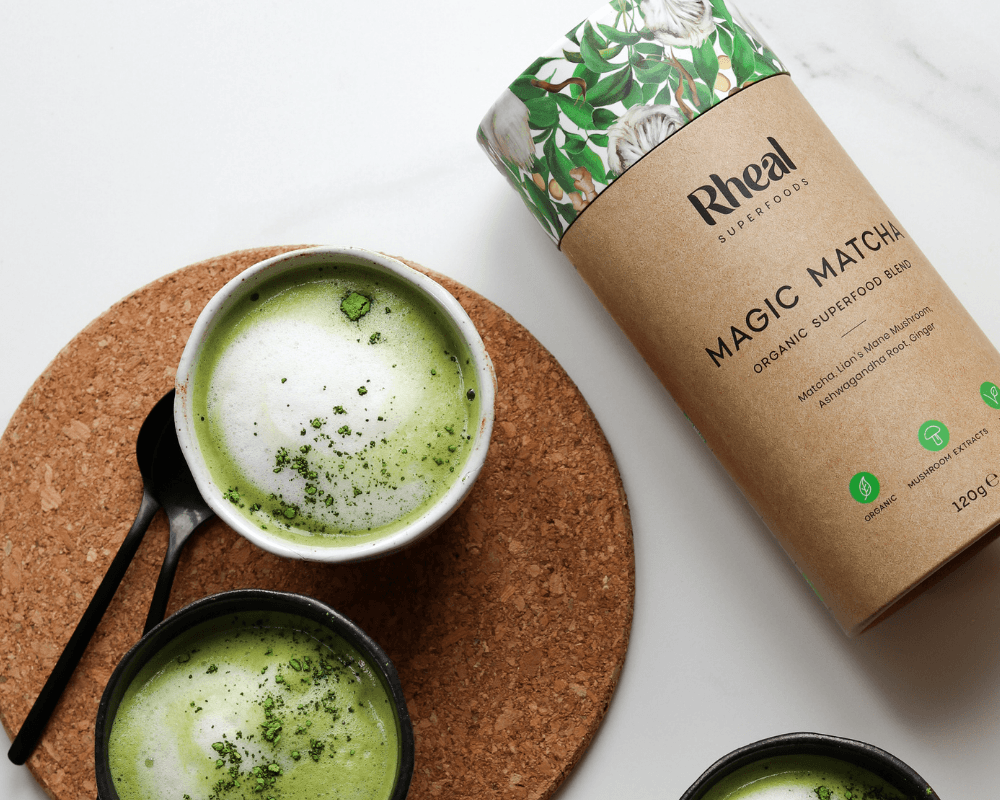
Adaptogens come as powders, capsules, tinctures, and teas. Dosing depends on the herb and product form. Follow label directions and consult a professional for personalized dosing.
Practical tips for choosing products
When shopping, look for:
- Transparent labeling with standardized extracts when available.
- Third-party testing (e.g., USP, NSF, or consumer labs).
- Clear sourcing and concentration information.
Reliable information sources include the Cleveland Clinic overview on adaptogens and academic reviews. For balanced, consumer-friendly advice, see the Cleveland Clinic page: Cleveland Clinic, and the UCLA Health explainer: UCLA Health.
Watch & learn
For a quick overview, watch this short video:
Bottom line: Are adaptogens worth trying?
Adaptogens may help reduce stress-related fatigue and support resilience for some people. Evidence is promising for certain herbs like rhodiola and ashwagandha, but results vary. Always pair supplements with healthy habits — good sleep, movement, and stress management — for the best results.
Frequently Asked Questions
Are adaptogens safe for everyone?
Most healthy adults tolerate them well for short periods, but they can interact with medications and are not recommended for pregnant or breastfeeding people without medical advice. Always check with your healthcare provider before starting any new supplement.
How quickly will I feel effects?
Some people notice changes in energy or stress within days; for others, benefits emerge after several weeks. Effects depend on the herb, dose, and individual physiology.
Can adaptogens replace medication?
No. They should not replace prescribed treatments. Use them as a complementary approach after discussing with your clinician.
Where can I find trustworthy information?
Start with reputable health systems and peer-reviewed research. Helpful resources include the Cleveland Clinic, UCLA Health, and academic reviews such as the PMC review.
Ready to learn more? Explore our guides and product reviews on zenpulsehub.com to find safe, evidence-based ways to support stress resilience and balance.