
Sleep Hygiene Habits: Simple Steps for Better Sleep
Sleep hygiene habits are the daily choices and routines that help you fall asleep faster, sleep more deeply, and wake refreshed. This guide walks you through practical, science-based steps you can start tonight — short, clear, and friendly so you can build better sleep one habit at a time.
Why sleep hygiene habits matter
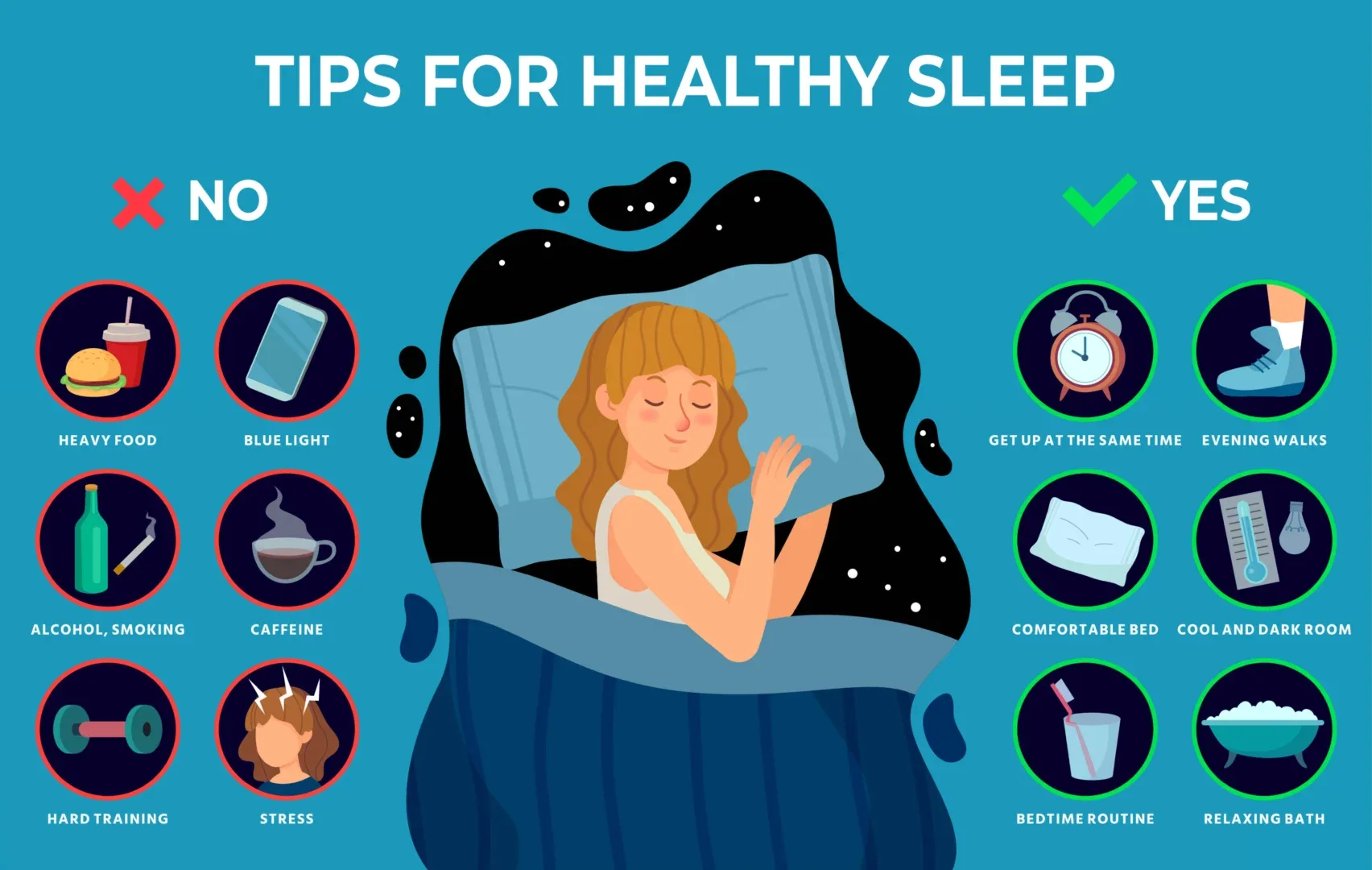
Good sleep is not optional — it affects mood, memory, immune function, and productivity. Adopting strong sleep hygiene habits gives your body consistent signals that it’s time to rest. Over a few weeks, small changes add up to better sleep quality and more energy during the day.
How to Build Sleep Hygiene Habits
Below are easy-to-follow steps. Start with one or two and add more as you go. Consistency matters more than perfection.
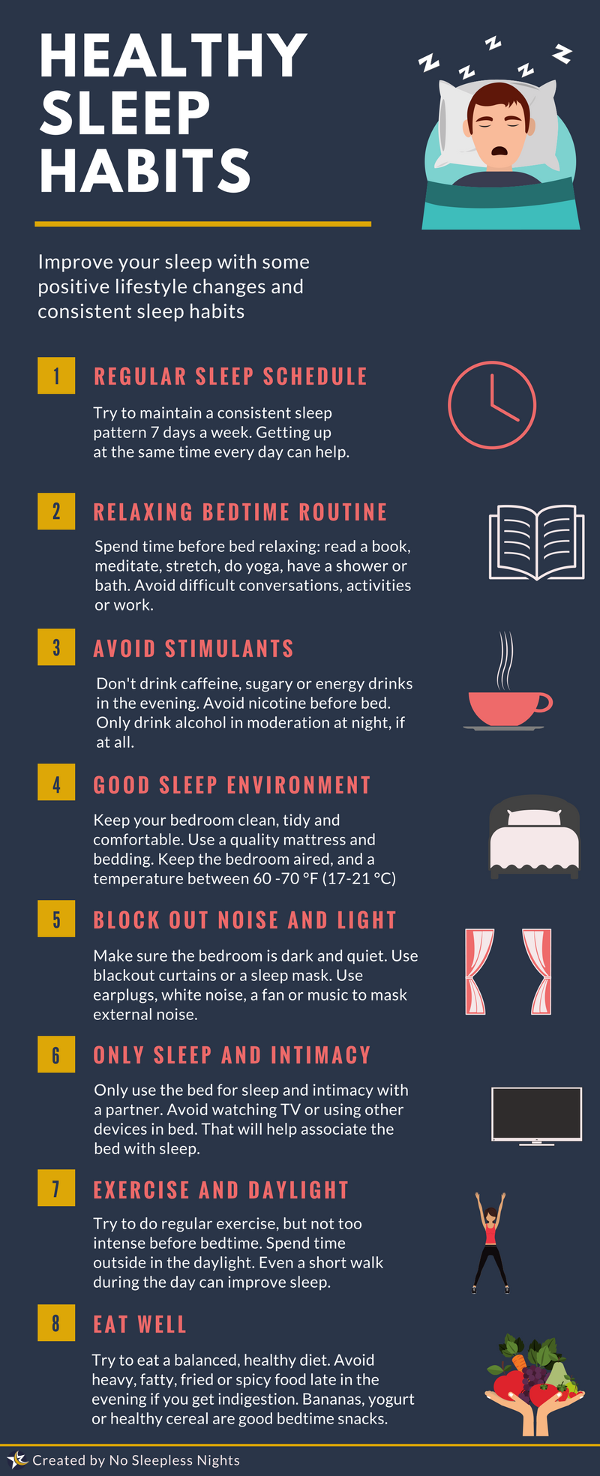
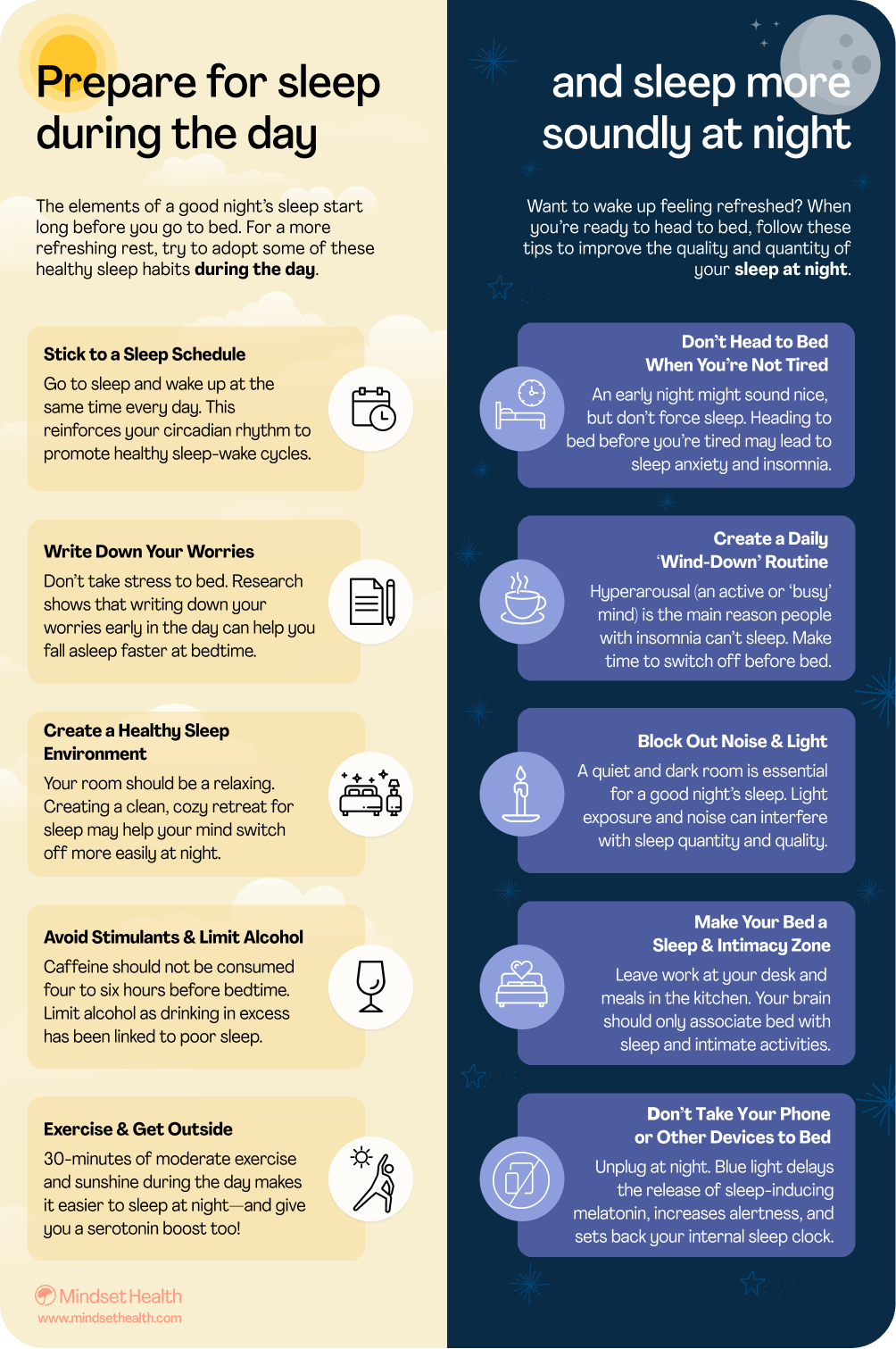
1. Keep a consistent sleep schedule
Set a regular bedtime and wake time — even on weekends. Your body’s internal clock responds to routine. Pick times that allow 7–9 hours of sleep and stick with them for at least a few weeks.
2. Create a relaxing nightly routine
Wind down for 30–60 minutes before bed with low-arousal activities: light reading, gentle stretching, or deep breathing. Avoid intense workouts and stressful work in this window.
:max_bytes(150000):strip_icc()/what-is-sleep-hygiene-5085887-FINAL-831b8421e75249f0952fbf4efb0adda7.png)
3. Optimize your bedroom environment
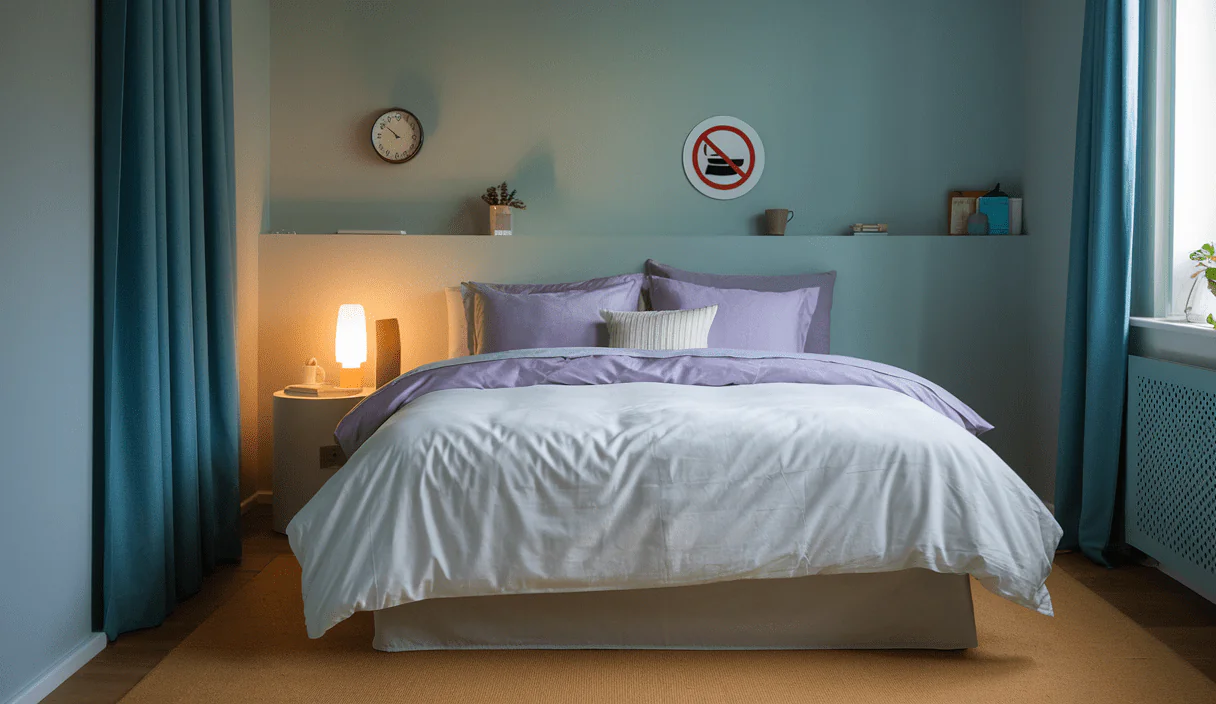
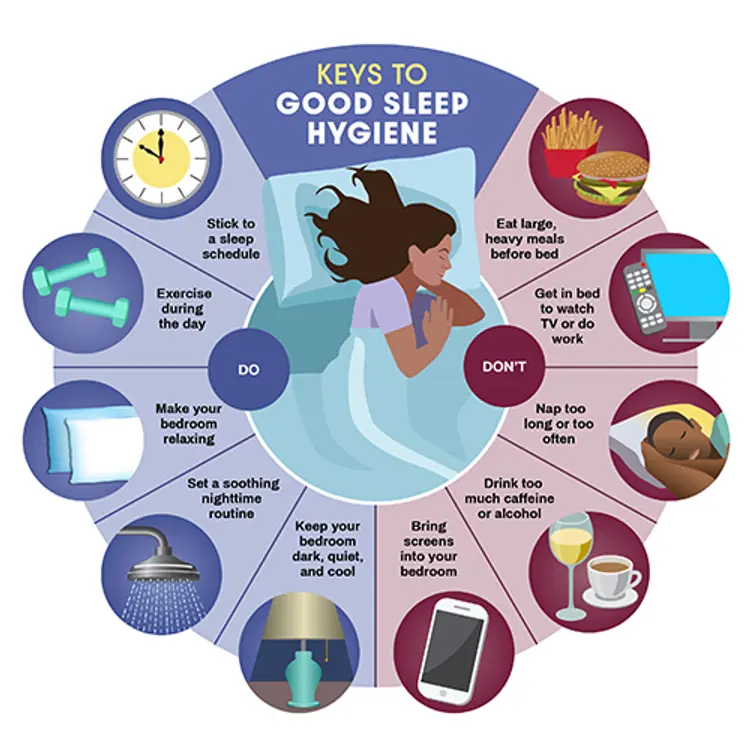
Make your bedroom cool, dark, and quiet. Use blackout curtains, a fan, or a white-noise machine if needed. Reserve the bed for sleep and intimacy — this strengthens the bed-sleep association.
4. Limit screens and bright light before bed
Blue light from phones and laptops suppresses melatonin and shifts your circadian rhythm. Turn off screens 60–90 minutes before bed or use warm lighting and blue-light filters.
Daily habits that support sleep
Small daytime choices influence night-time sleep. Use the list below as a checklist.
- Get daylight exposure: Morning light helps set your circadian clock.
- Exercise regularly: Aim for at least 30 minutes most days, but avoid vigorous exercise within two hours of bedtime.
- Watch food and drink timing: Eat dinner at least three hours before bed and avoid heavy or spicy meals late at night.
- Limit stimulants: Avoid caffeine after midday. Be cautious with nicotine and other stimulants.
- Use alcohol carefully: Alcohol can make you drowsy but fragments sleep later in the night. Use sparingly.
Bedroom tips: making your space sleep-friendly
A calm bedroom helps you relax quickly. Focus on comfort and simplicity.
Lighting and temperature
Keep the room cool (around 60–67°F / 15–19°C is ideal for many people). Use dimmers or lamps rather than overhead lights during wind-down time.
Bedding and noise
Choose a mattress and pillow that match your sleep position. Use white noise or earplugs if you live in a noisy area. Clutter can raise stress — keep the sleep area tidy.
When to seek help: signs your habits need a boost
If you try good practices and still have trouble sleeping, consider professional help. Talk to your doctor if you:
- Regularly take more than 30 minutes to fall asleep or wake frequently
- Feel sleepy during the day despite trying sleep hygiene habits
- Snore loudly, gasp, or stop breathing during sleep (possible sleep apnea)
For trusted resources on sleep and hygiene, explore guidance from the Sleep Foundation (practical steps like setting a sleep schedule), the Harvard Health recommendations, and the CDC (tips on bedroom environment and routine).
Practical 2-week plan to install sleep hygiene habits
Try this simple progression. Pick one change per few days so new habits stick.
- Days 1–3: Fix your wake time; get morning light for 10 minutes.
- Days 4–6: Set a bedtime 7–9 hours before wake time; wind down 30 minutes before bed.
- Days 7–10: Remove screens 60 minutes before bed; try calming activities like reading or stretching.
- Days 11–14: Optimize bedroom temperature and noise; follow the schedule strictly, even on weekends.
Common mistakes and how to fix them
Avoid these pitfalls when building sleep hygiene habits.
Mistake: Chasing sleep with naps
Daytime naps can help, but long late naps interfere with nighttime sleep. Keep naps under 20–30 minutes and before mid-afternoon.
Mistake: Relying on sleeping pills long-term
Medication can be useful short-term, but long-term use may create dependence and hinder habit building. See evidence-backed cautions in clinical resources like the Western Australia health guidance (sleep hygiene PDF).
Mistake: Letting caffeine linger
Caffeine can disrupt sleep for many hours. If you struggle, move your last coffee to before midday and test how it affects you.
Quick tools and techniques
These are easy tools you can test quickly.
- 4-7-8 breathing: Inhale 4s, hold 7s, exhale 8s — repeat 4 times to calm the nervous system.
- Progressive muscle relaxation: Tense and release muscle groups from toes to head.
- Bedtime journaling: Write down stressors or tasks to clear your mind before sleep.
Evidence and trusted guidance
Sleep hygiene is supported by sleep clinics and public health agencies. For clear, up-to-date summaries check these sites:
- Sleep Foundation — practical steps like setting a schedule and creating a nightly routine (see their guide on practicing good sleep hygiene).
- Harvard Health — tips on food, alcohol, and creating sleep-friendly habits.
- CDC — public health advice on keeping a regular sleep schedule and optimizing your bedroom.
- Healthline — clear list of 12 healthy sleep hygiene tips to try today.
Adapting sleep hygiene habits to life situations
Life isn’t one-size-fits-all. Here’s how to adapt the core principles.
Shift workers and variable schedules
When your schedule changes, protect your sleep window with blackout curtains, scheduled naps, and consistent sleep cues like a short pre-bed routine and controlling light exposure.
Travel and jet lag
Shift your schedule slowly before travel when possible, use light exposure to adjust, and try to follow your target time zone’s meal and sleep schedule as soon as you arrive.
Parents and caregivers
Split responsibilities when possible, nap strategically, and aim to make the primary sleep hours as consistent as feasible.
Summary checklist: 10 actionable sleep hygiene habits to try tonight
- Fix a consistent wake time and stick to it.
- Set a bedtime that allows 7–9 hours.
- Wind down 30–60 minutes before bed with quiet activities.
- Turn off screens 60–90 minutes before sleep.
- Keep your bedroom cool, dark, and quiet.
- Limit caffeine after midday.
- Avoid heavy meals within three hours of bedtime.
- Use daylight exposure in the morning.
- Exercise regularly (not right before bed).
- Avoid routine use of sleep medications without medical advice.
Watch this short video: practical tips you can try tonight
Video: Sleep hygiene tips and routines to improve nightly rest
Frequently Asked Questions
How long until sleep hygiene habits improve my sleep?
Many people notice small improvements within a week, but stable changes usually take 2–4 weeks. Consistency is the main driver: stick with the schedule and routines to let your internal clock adjust.
Can I nap if I have trouble sleeping at night?
Short naps (20–30 minutes) earlier in the day can boost alertness without harming nighttime sleep. Avoid long or late naps if you find they make nighttime sleep harder.
Are sleep apps and trackers helpful?
They can raise awareness of patterns and encourage routine. Use them as a tool, not a strict judge — focus on trends rather than minute-by-minute readings.
When should I see a doctor about sleep problems?
See a healthcare provider if sleep issues persist despite good sleep hygiene, if you feel excessively sleepy during the day, or if you have symptoms like loud snoring or breathing pauses.