
Sleep Hygiene Meaning: Simple Tips for Better Sleep
Sleep hygiene meaning is about the simple habits and bedroom routines that help you fall asleep faster, stay asleep, and wake feeling refreshed. Good sleep hygiene combines environment, timing, and behavior to support healthy sleep — and it’s something anyone can improve with small, consistent changes.
:max_bytes(150000):strip_icc()/what-is-sleep-hygiene-5085887-FINAL-831b8421e75249f0952fbf4efb0adda7.png)
Understanding sleep hygiene meaning
At its core, sleep hygiene meaning describes a set of practical habits and environmental tweaks that improve sleep quality. Think of it as hygiene for sleep — the good daily practices that make rest more likely and more restorative. Health experts and sleep researchers describe it as a routine-based approach that supports your body’s natural sleep-wake cycle (circadian rhythm).
Why good sleep hygiene matters
Sleep affects mood, memory, metabolism, immune function, and more. Poor sleep over days and weeks can increase stress, weaken concentration, and raise long-term health risks. Improving sleep hygiene is often the first, low-cost step recommended by clinicians and sleep specialists because it can reduce insomnia symptoms and improve daytime function.
Evidence and expert guidance
Research and health resources back this approach. For accessible guidance, see Better Health Victoria’s overview of sleep hygiene, which defines it as adjustable habits and environmental factors that support sleep (Better Health Victoria). The Sleep Foundation and scientific reviews also emphasize routines and bedroom environment as core elements (Sleep Foundation; ScienceDirect review).
Key components of good sleep hygiene
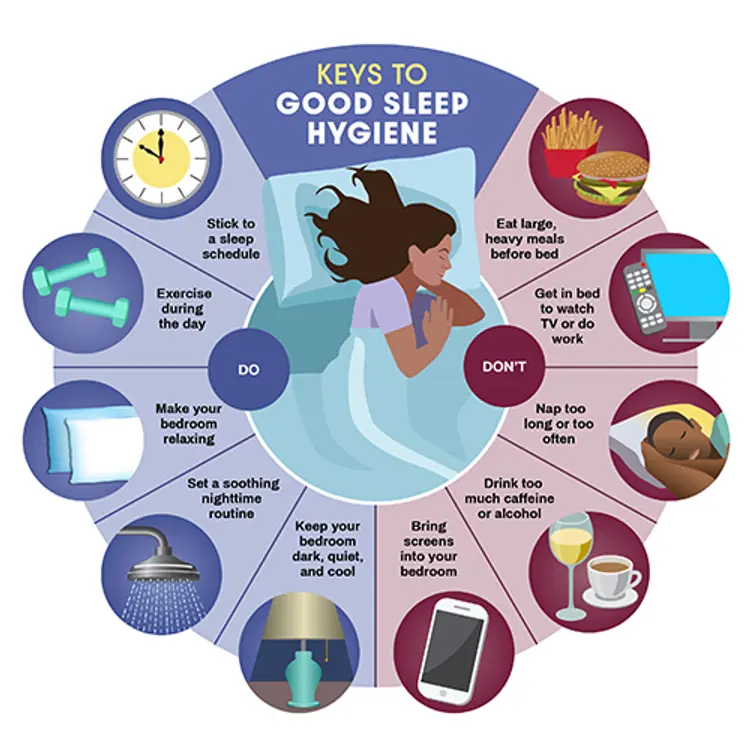
Improving sleep hygiene is about several small, practical changes. Focus on these pillars:
- Consistent sleep schedule — go to bed and wake up at the same time every day, even on weekends.
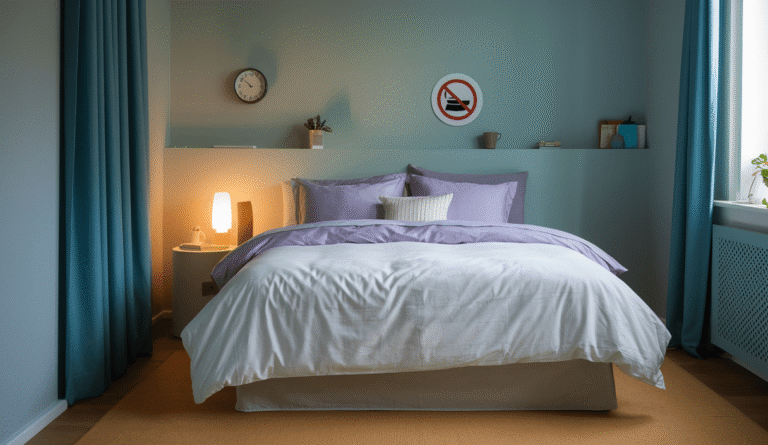
- Bedroom environment — cool, dark, quiet, and comfortable with a supportive mattress and pillows.
- Pre-sleep routine — relaxing activities before bed like reading, light stretching, or deep breathing.
- Light exposure and screens — get bright light in the morning; limit screens and blue light in the hour before bed.
- Food, caffeine, and alcohol — avoid heavy meals, caffeine late in the day, and alcohol close to bedtime.
- Exercise timing — regular exercise helps sleep, but avoid intense workouts right before bed.
:max_bytes(150000):strip_icc()/what-is-sleep-hygiene-5085887-FINAL-831b8421e75249f0952fbf4efb0adda7.png)
Practical bedroom tips
Make the bedroom a sleep sanctuary. Small changes add up:
- Temperature: Aim for 60–67°F (15–19°C) if possible.
- Darkness: Use blackout curtains or an eye mask to reduce light.
- Noise: Consider earplugs, white noise, or a fan for steady sound.
- Bedding: A supportive mattress and breathable sheets help body temperature regulation.
- Remove distractions: Keep work, clutter, and strong lighting out of the bedroom.
Daily habits that support sleep hygiene
Daytime routines strongly affect night sleep. Aim for habits that sync your internal clock and lower bedtime arousal.
Morning light and activity
Get bright light soon after waking. Natural sunlight in the morning helps reset your circadian rhythm and signals your body that daytime has begun. A short walk or light exercise boosts the effect.
Limit naps and time stress
Short naps (20–30 minutes) can be helpful, but long or late afternoon naps make it harder to fall asleep at night. Manage evening stress with a calming routine rather than rumination — journaling or a relaxed breathing exercise can help.
Evening habits and pre-sleep routine
A calm, predictable pre-sleep routine tells your brain it’s time to wind down. Try these steps:
- Start winding down 30–60 minutes before bed.
- Dim lights and lower stimulation (avoid exciting conversations or intense work).
- Limit screen time; if you must use devices, enable blue-light filters.
- Practice relaxation: reading, a warm shower, progressive muscle relaxation, or gentle yoga.
- Keep a consistent bedtime; consistency is one of the most effective parts of sleep hygiene.
What to avoid for better sleep
Some habits actively harm sleep quality. Avoiding these can make a big difference:
- Caffeine late in the day: Remember that caffeine’s effects can last 6–8 hours for some people.
- Alcohol before bed: While it can cause sleepiness, alcohol fragments sleep later in the night.
- Heavy meals or spicy foods at night: These can cause discomfort or acid reflux that disrupts sleep.
- Irregular sleep times: Shifting bedtime by hours each night confuses your circadian rhythm.
Tools and aids: use wisely
Mild sleep aids, supplements, or technology can help short-term, but they aren’t a substitute for good sleep hygiene. Melatonin can help with circadian shifts; white-noise machines and blackout curtains can improve environment. If you try aids, do so thoughtfully and consult a clinician for persistent problems (see section below).

How to build a personal sleep-hygiene plan
Creating a simple plan helps you adopt changes progressively. Use this 3-step approach:
- Audit your current habits: Track bedtime, wake time, naps, caffeine, screen use, and how rested you feel for 1–2 weeks.
- Pick 2–3 changes: Choose small, specific goals (e.g., “no screens 60 minutes before bed” or “wake at 7:00 AM daily”).
- Monitor and adjust: Keep the changes for 2–4 weeks, then add or tweak items based on progress.
When sleep hygiene alone may not be enough
Sleep hygiene is effective for many people, but some sleep disorders need professional care. If you still struggle after trying consistent habits for several weeks, or if you experience signs like excessive daytime sleepiness, loud snoring with gasping, or persistent insomnia, consult a healthcare provider. Clinical programs often combine sleep-hygiene education with cognitive-behavioral therapy for insomnia (CBT-I), which is proven effective (PMC review).
Common myths about sleep hygiene
Clearing up misconceptions makes it easier to choose helpful habits:
- Myth: “I can catch up on weekends.” Reality: Irregular sleep times reduce sleep quality and rhythm stability.
- Myth: “Alcohol helps me sleep better.” Reality: Alcohol may induce sleepiness but fragments later sleep stages.
- Myth: “Exercise right before bed always harms sleep.” Reality: Intense late workouts can energize some people, but light stretching or calming yoga may help.
Quick sleep-hygiene checklist
Use this easy checklist to start improving sleep tonight:
- Set a consistent wake time and bedtime.
- Expose yourself to morning light.
- Dim screens 60 minutes before bed.
- Keep bedroom cool, dark, and quiet.
- Avoid caffeine after early afternoon.
Resources and further reading
Want to learn more? Trusted sources can help you dig deeper. Harvard Health’s guide explains simple sleep-hygiene practices and why they work (Harvard Health). For practical, evidence-based overviews and the latest research, the Sleep Foundation and scientific reviews are excellent starting points (Sleep Foundation; ScienceDirect).
Watch: Quick guide to better sleep
Below is a short video summary you can watch for a visual walkthrough of sleep-hygiene tips and routines.
Putting it together: small steps, big impact
Remember: improving sleep is rarely about one dramatic change. It’s the steady, daily habits — the essence of good sleep hygiene meaning — that reliably improve sleep over time. Make one small change this week and measure how you feel: more energy, better mood, and clearer thinking often follow.
When to see a professional
If you experience severe symptoms like frequent waking with gasping, loud snoring, consistent difficulty falling or staying asleep despite good habits, or daytime sleepiness that affects safety or work, consult your healthcare provider. Sleep disorders such as sleep apnea, restless legs syndrome, and chronic insomnia often require targeted treatments beyond lifestyle changes.
For further practical guidance, check resources like Better Health Victoria’s practical overview of sleep-hygiene habits and how to adjust them (Better Health Victoria), and consider evidence-based programs if problems persist (PMC review).
Final note: Good sleep hygiene is within reach. With patience and small, consistent changes, you can reshape your nights and transform your days.
FAQ
What exactly does “sleep hygiene” mean?
Sleep hygiene refers to the set of daily habits, routines, and environmental conditions that promote consistent, restorative sleep. It includes things like a regular sleep schedule, a comfortable bedroom, limiting caffeine late in the day, and reducing screen time before bed.
How long does it take to see improvements?
Many people notice small improvements in sleep within 1–2 weeks of making consistent changes. Bigger changes in sleep patterns and daytime energy can take several weeks. Stick with a routine for at least 3–4 weeks to evaluate true impact.
Is sleep hygiene enough for insomnia?
Sleep hygiene is a helpful first step and may reduce mild insomnia. For chronic insomnia or severe sleep problems, cognitive-behavioral therapy for insomnia (CBT-I) or medical evaluation is often more effective. See healthcare resources such as the Sleep Foundation and medical reviews for guidance.
Can technology apps help with sleep hygiene?
Yes, apps that track sleep or offer guided relaxation can support habits, but they’re tools — not solutions by themselves. Use apps to encourage consistent routines, track progress, and practice relaxation techniques.
Ready to feel better rested? Try one small sleep-hygiene change tonight — then explore more step-by-step guides at zenpulsehub.com to build your best sleep routine.