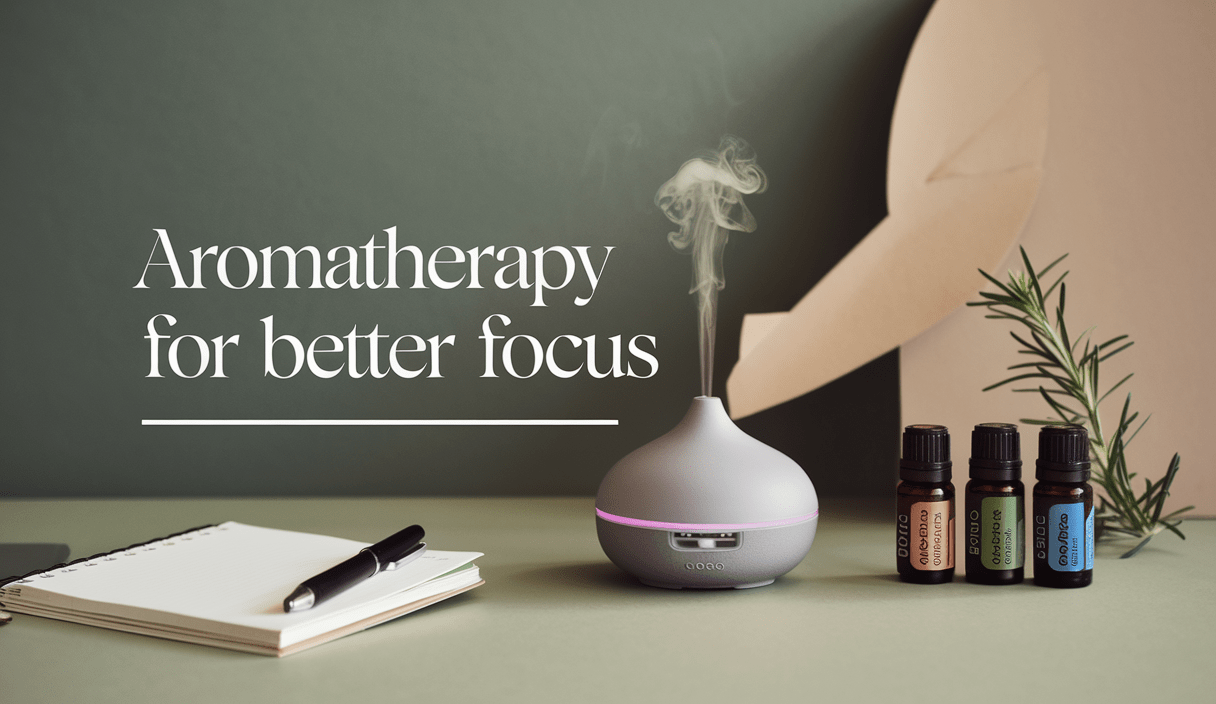

Aromatherapy for Better Focus
Aromatherapy for better focus uses plant-based essential oils to help sharpen attention, lift mental fog, and support productive routines. If you struggle with scattered thoughts, sleepy afternoons, or distraction during study or work, simple scent strategies can make a measurable difference — without complicated tools.
How Aromatherapy for Better Focus Works
When you inhale essential oils, smell molecules travel to the olfactory system and then directly influence brain regions tied to memory, mood, and attention. This is why certain scents — like rosemary, peppermint, or lemon — can feel instantly clarifying. The effect is fast and often subtle: scents change brainwave patterns, stimulate alertness, or create a calming backdrop that reduces intrusive thoughts.
Science in a nutshell
- Some studies show rosemary improves memory and concentration in school-aged children (Healthline).
- Research suggests peppermint can increase alertness and reduce perceived mental fatigue (PuroDem).
- Practical blogs summarize scents that enhance creativity and productivity, offering real-world tips for work sessions (Earl of East).
Top Essential Oils for Focus
Here are reliable options to try. Use one at a time to notice how you respond — everyone reacts a little differently.
- Peppermint — energizing and crisp; great for mid-afternoon slumps.
- Rosemary — supported by studies for enhancing memory and recall.
- Lemon — uplifting, clears mental fog and improves motivation.
- Cedarwood — grounding, stabilizes mood and focus during long sessions.
- Frankincense — calm focus for complex thinking or deep work.
- Bergamot — reduces stress and helps maintain attention.
Why Cedarwood is Popular
Cedarwood oil is prized for a warm, woody scent that helps steady the mind and reduce restlessness. If you’re exploring products, the Velona cedarwood images below show common bottle sizes and packaging many people use for diffusers or topical blends.
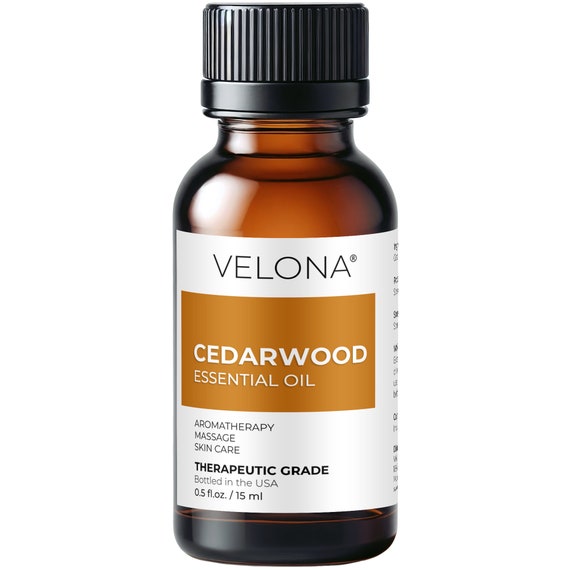
Tip: cedarwood pairs well with citrus oils (like lemon) to balance grounding with brightness.
Practical Ways to Use Aromatherapy for Better Focus
Simple practices let you use aromatherapy in daily life without interruption. Try these easy methods and pick the one that fits your routine best.
1. Diffuser Sessions
Use an ultrasonic or nebulizing diffuser at your desk or study area. Add 3–6 drops of a single oil or blend, then run for 30–60 minute cycles. Diffusing keeps the scent subtle and continuous without being overpowering.
2. Personal Inhaler or Tissues
For on-the-go focus, inhale directly from a personal inhaler or a tissue with 1–2 drops of oil. This is great before meetings, exams, or creative work blocks.
3. Roller Bottle for Topical Use
Mix essential oil with a carrier oil (fractionated coconut or jojoba) in a roller bottle. Apply to wrists, behind the ears, or on the temples for steady scent throughout the day. Typical dilution: 1–2% for everyday adults (6–12 drops in a 10 ml roll-on).
4. Workplace Spritz
Create a light room spray with water and 6–10 drops of essential oil. Mist the air and workspace before starting focused work. Avoid spraying on fabrics or electronics.
Sample Focus Blends You Can Try
Below are simple blends for the diffuser and a roll-on. Adjust to your taste.
- Diffuser – Morning Focus: 3 drops peppermint, 2 drops lemon, 1 drop rosemary.
- Diffuser – Deep Work (low energy): 2 drops cedarwood, 2 drops frankincense, 2 drops bergamot.
- Roll-on – On-the-go clarity (10 ml): 6 drops peppermint, 4 drops lemon in 10 ml carrier oil.
Safety Tips and Best Practices
Essential oils are powerful. Use them thoughtfully to stay safe and get the best results.
- Do a patch test when applying topically. Stop use if irritation occurs.
- Dilute properly: 1–2% for daily adult use; lower for children, elderly, or sensitive skin.
- Use quality oils: look for pure, properly labeled oils (botanical name, country of origin).
- Avoid eyes and mucous membranes.
- Check interactions: peppermint and other oils can interact with medications — consult a healthcare provider if you have concerns.
What the Research and Experts Say
There’s growing interest in how scent affects cognition. A clear example: a review and reporting on essential oils for energy highlights a study where rosemary helped schoolchildren’s memory and recall (Healthline). Practical aromatherapy guides list peppermint, rosemary, frankincense, bergamot, lemon, and eucalyptus as useful for focus and concentration (Shop Ascents and PuroDem).
Real-world articles also recommend pairing scents strategically — for example, using stimulating notes like peppermint at the start of a work block, then shifting to grounding cedarwood for prolonged attention (Earl of East).
Choosing Products: What to Look For
When buying essential oils or blends, prioritize transparency and purity.
- Botanical and Latin names on labels (e.g., Mentha piperita for peppermint).
- Batch numbers and third-party testing (GC/MS reports) when possible.
- Reputable vendors and clear usage instructions. For blends designed specifically for concentration, you can find ready-made options online (e.g., focus blends on Amazon).
Quick Routine: A 30-Minute Focus Session
- Prepare: choose one essential oil (peppermint for alertness or cedarwood for grounding).
- Diffuse: run your diffuser on a low setting for 30 minutes.
- Set a timer: work in a focused block (25–50 minutes) with a single task.
- Refresh: take a 5–10 minute break, step outside, and reapply inhaler or mist if needed.
Repeat as needed. Over time you’ll learn which oils best support your concentration and when to switch them.
Common Questions About Using Scents to Focus
People often worry about side effects or whether aromatherapy really helps. The short answer: it can, when used consistently and paired with good focus habits like minimizing distractions and managing breaks.
Video: Aromatherapy Tips for Focus and Productivity
Note: if you work in shared spaces, check coworkers’ preferences. Scent tolerance varies.
Across this guide we mentioned aromatherapy for better focus several times to help you remember the core idea: scent + routine = stronger attention. Try one strategy for at least a week to evaluate results.
Can aromatherapy really help concentration?
Yes, many people find certain scents improve alertness and memory. Studies and practical guides point to rosemary and peppermint as helpful, and real-world users often combine oils with focused work blocks to boost productivity.
How long should I diffuse oils for focus?
Short bursts are effective: 20–60 minute diffuser sessions during work blocks are common. Use low settings and ventilate the room if the scent becomes too strong.
Are essential oils safe to use around pets?
Some oils can be harmful to pets. Keep diffusers in areas pets can leave, avoid prolonged exposure, and consult a veterinarian for guidance on safe oils and dilution.
Which oil should I try first for focus?
Start with peppermint for quick alertness or cedarwood for calm, sustained attention. Test small doses and note how your focus changes.
Final note: aromatherapy is a tool — not a cure-all. Combine scent strategies with good sleep, hydration, and structured work methods (like time-blocking) for the best outcomes.
Ready to sharpen your attention? Try one of the sample blends this week and track your focus. For more practical guides and scent recipes, explore additional articles on zenpulsehub.com — discover what works for your routine and make each work session count.