
Hydration Timing for Focus and Performance
Hydration Timing for Focus and Performance matters more than many people realize. Drinking the right amount of fluid at the right times helps keep your brain sharp, reaction time fast, and mood steady — whether you’re studying for finals, leading a meeting, or training for a race.

Why hydration timing matters
When you wait until you’re thirsty, you’re already partly dehydrated. Even mild dehydration (a loss of about 1–2% body weight from fluid loss) can reduce focus and cognitive performance. Studies collected at PubMed Central point out that fluid loss over a day’s time is linked to problems with concentration and alertness (see this review: PMC: Mild dehydration and cognition).
Hydration Timing for Focus and Performance: When to drink
It’s not only how much you drink but when you drink. Planning small, regular sips across the day supports steady brain function. Below is a simple timing plan you can follow and adapt to your schedule.
Daily timing checklist
- On waking: Drink 250–500 ml (8–16 oz) of water to rehydrate after sleep.
- Pre-work / pre-study (30–60 min before): Have 200–300 ml to prime focus and energy.
- During work or study: Sip 100–200 ml every 30–45 minutes; set a reminder if you forget.
- Pre-exercise: Drink 200–300 ml about 30 minutes before activity.
- During exercise: Sip 150–300 ml every 15–20 minutes for light to moderate sessions; more for intense or long workouts.
- Post-exercise: Replace lost fluids; weigh-ins or urine color can help guide how much more you need.
For athletes and active people, Johns Hopkins explains that staying hydrated around training and competition improves performance and reduces risk of heat-related issues: Sports hydration guidance.

How hydration affects the brain and performance
Dehydration changes blood volume, electrolyte balance, and body temperature. Those shifts can affect brain function and mood. Research in the British Journal of Nutrition highlights a clear link between hydration status and cognitive performance and mood, and suggests that even small fluid deficits can matter (Cambridge study).
Key brain benefits of good timing
- Better concentration: Regular sipping keeps attention steady.
- Faster reaction time: Hydrated neurons fire more efficiently.
- Improved mood: Avoiding small fluid deficits helps mood stability.
- Consistent energy: Prevent blood sugar and fatigue dips from creeping in.
Practical tips: make hydration timing simple
Think in habit slots rather than exact volumes. Small, repeatable actions are easier to keep than one-off resolutions. Here are easy, practical moves you can start today.
Daily habit blueprint
- Start with a glass: Keep a water glass by your bedside and drink it when you wake up.
- Pair sips with tasks: Take a few sips before each meeting, study session, or class.
- Use alerts: Set phone or smartwatch reminders every 30–45 minutes to take a few sips.
- Flavor it if needed: Add lemon, cucumber, or a small amount of electrolyte drink if you dislike plain water.
- Watch urine color: Pale straw color usually indicates good hydration.
If you train hard or sweat a lot, paying attention to timing during workouts is essential. The Hopkins guide above recommends planning fluids around exercise and using time intervals to remind you to drink enough water throughout the day (Hopkins: sports and hydration).
Hydration timing for different situations
Different activities call for slight tweaks in timing. Below are common scenarios and what to do.
For study and office work
Sip steadily — aim for about 200–300 ml every 1–2 hours and small sips between focused sessions. Staying regularly hydrated helps sustain attention and reduces midday crashes.
For workouts and sport
Pre-hydrate 30–60 minutes before exercise, sip small amounts during, and replace fluids after. For long or intense workouts, consider a drink with electrolytes. Academic reports emphasize the impact of hydration on reaction time and overall brain function in athletes and active people (Hydration and cognitive performance review).
On hot days or during travel
Increase frequency of sips. High temperature and dry cabin air raise fluid loss; timing becomes more critical to maintain performance and comfort.
Common myths and quick facts
- Myth: You only need to drink when thirsty.
Fact: Thirst lags behind fluid loss; timed sipping prevents blood volume dips. - Myth: More water is always better.
Fact: Overdrinking without electrolytes in long endurance events can be risky. Balance and timing matter. - Quick fact: Even 1–2% body water loss can affect cognition — so timing your fluids matters for focus.
Science snapshots
A review on hydration and cognitive function highlights that mild dehydration impairs concentration and mood (see PMC review). Another clinical review reports hydration’s critical role in reaction time and brain function (clinical review PDF).
Note: The term “hydration” also appears in other fields like materials science, where timing affects water sorption in polymers — useful context but a different meaning (MDPI on time-dependent hydration in coatings).
Small tools that help
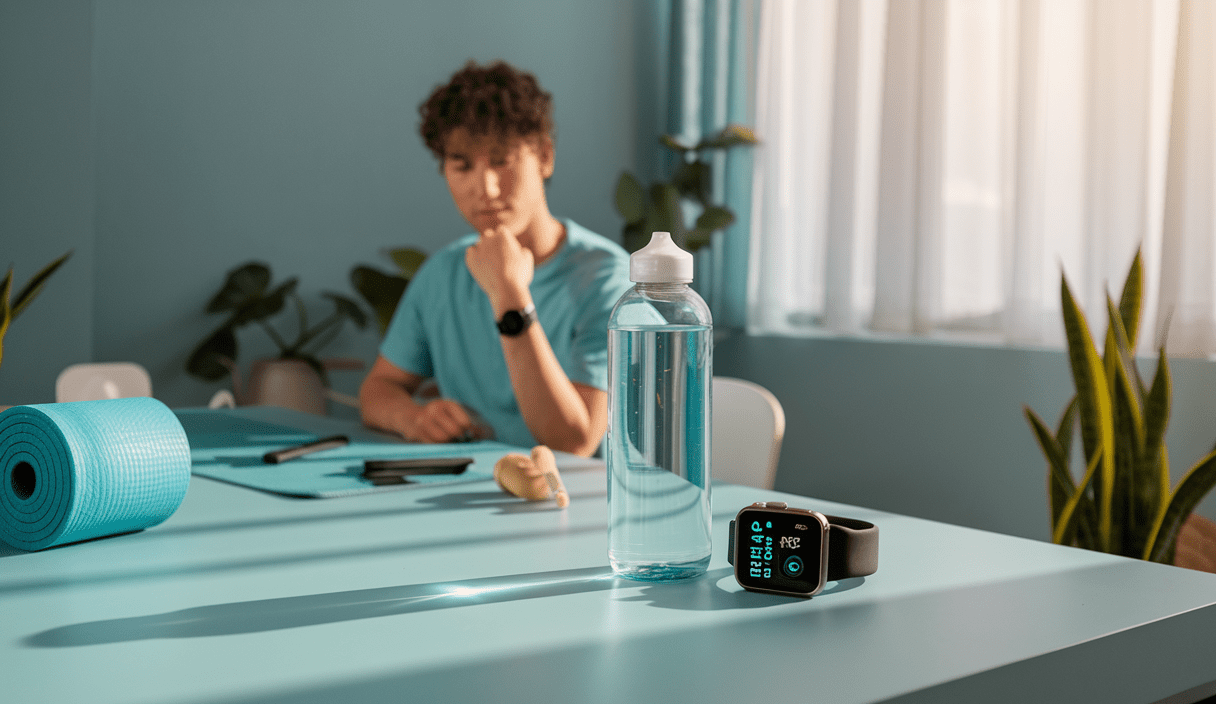
- Reusable bottle with volume markings — track intake visually.
- Phone timer or hydration apps — set micro-reminders.
- Electrolyte tabs or low-sugar sports drinks for long sessions.
- Smartwatch prompts tied to calendar events (meetings, classes, workouts).
Hydration Timing for Focus and Performance: Quick routines
Here are two sample plans you can copy and tweak.
Office / Student routine (8 hours)
- Wake: 300 ml water.
- Before commute/first task: 200 ml.
- Every 45 minutes: 100–150 ml sip.
- Lunch: 300–400 ml distributed across the meal.
- Afternoon: continue sips; extra 200 ml before any late meeting or workout.
Exercise routine (60–90 minutes)
- 60 min before: 300 ml.
- 30 min before: 150–200 ml.
- During: 150–250 ml every 15–20 min (adjust to sweat rate).
- After: 400–600 ml in the first hour, more if you lost a lot of weight sweating.
When to see a pro
If you have chronic illnesses, take medications that change fluid balance, or experience persistent lightheadedness, see a healthcare provider. Hydration needs vary by age, health status, and climate, so personalized advice can help.
Video: Hydration Timing: When to Drink for Focus & Performance
Quick troubleshooting
Noticing headaches, fogginess, or poor concentration? Check these basics:
- Are you drinking regularly or only when thirsty?
- Are you drinking too much plain water during long exercise without electrolytes?
- Is caffeine or alcohol increasing fluid loss? Balance with extra water.
FAQs
How soon before a meeting or exam should I drink for better focus?
Drink about 200–300 ml 30–60 minutes before the event. That window lets fluids absorb and helps keep concentration steady. Small sips right before can also help without causing a bathroom distraction.
Will an electrolyte drink improve my performance?
For long or very sweaty workouts, yes. Electrolytes help replace sodium and minerals lost in sweat. For routine office or study days, plain water timed throughout the day usually suffices.
How do I track if my hydration timing is working?
Check urine color (pale straw is ideal), monitor mood and concentration, and note if headaches or fatigue drop. If you exercise, track weight before and after to estimate fluid loss and adjust timing accordingly.
Can hydration timing help with exam stress?
Yes. Regular sipping stabilizes blood flow and reduces the fatigue that worsens test anxiety. Hydration Timing for Focus and Performance is a simple, low-cost strategy to help your mind stay calm and sharp.
Final notes
Timing your fluids is a small habit with outsized returns. It supports attention, mood, and physical performance. For a deeper dive into hydration and cognitive effects, read the Cambridge review on hydration status and cognition (Cambridge study) and the clinical discussion on hydration’s role in brain function (academic review).
Hydration Timing for Focus and Performance is about small, consistent choices — the 30–60 minute pre-task sip, the steady sips between meetings, and the planned fluids around exercise. Try the daily routine above for a week and notice how your focus and energy respond.
Ready to optimize your habits? Explore more practical guides and routines on zenpulsehub.com and keep your focus hydrated and strong.