Benefits of Orange Essential Oil for Skin
Benefits of orange essential oil for skin are widely praised for improving complexion, calming inflammation, and adding a natural glow. In this guide you’ll learn how orange essential oil works on the skin, the proven benefits, safe ways to use it, and simple DIY skincare recipes you can try at home.

What is orange essential oil?
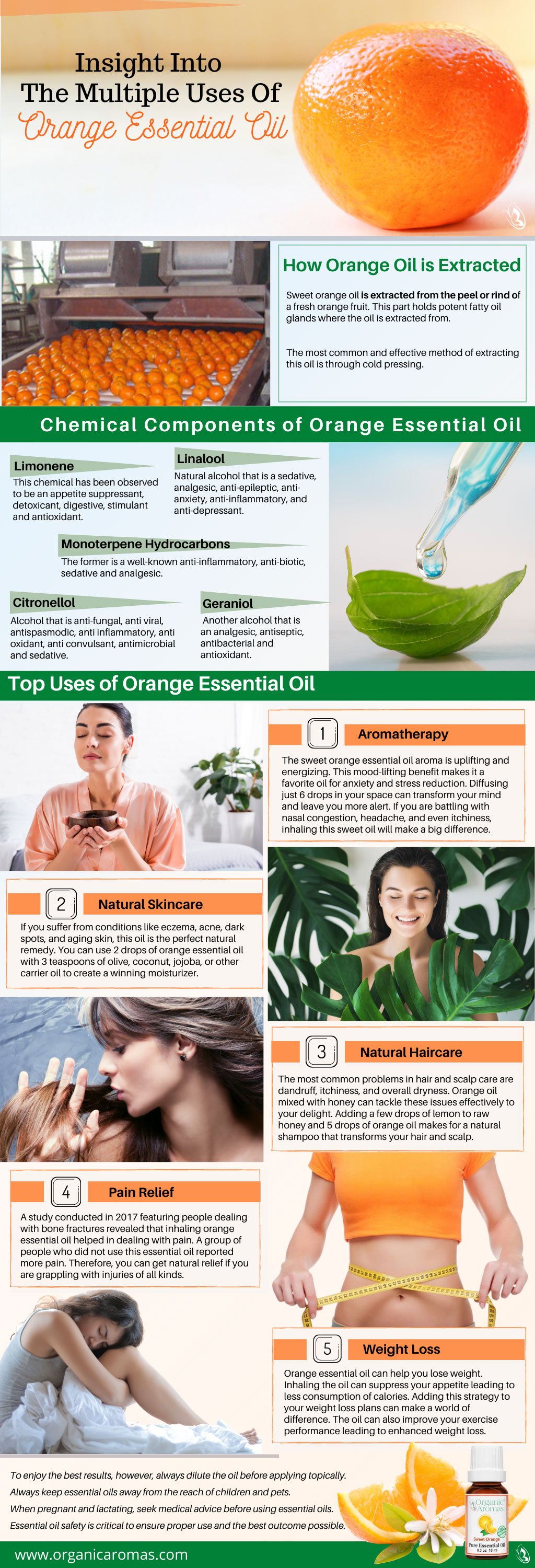
Orange essential oil—most commonly derived from the rind of sweet oranges (Citrus sinensis)—captures the natural citrus aroma and beneficial compounds like limonene, vitamin C precursors, and mild natural acids. It’s used in aromatherapy, cleaning, and skincare because of its uplifting scent and gentle topical properties.
Benefits of orange essential oil for skin: key effects
Below are the most useful, evidence-backed skin benefits you can expect from careful topical use of orange essential oil.
1. Brightens and evens skin tone
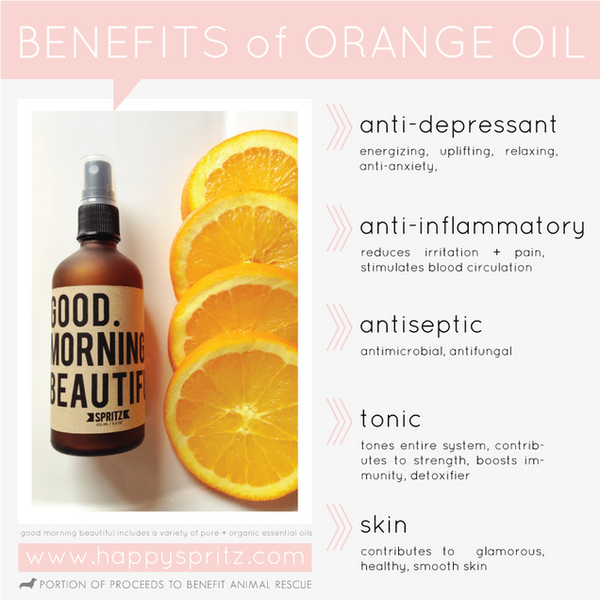
Orange essential oil contains citrus compounds that can help promote a more radiant complexion. With regular, diluted use it helps fade dullness and uneven tone, making skin appear brighter and clearer.
2. Antimicrobial and acne-supportive
Because of its antimicrobial properties, sweet orange oil can help reduce acne-causing bacteria and soothe inflamed spots. Studies and industry reports note its ability to support acne-prone skin when combined with proper cleansing and dilution (see formulation notes from industry experts O and 3).
3. Anti-inflammatory and calming
The oil’s anti-inflammatory compounds may reduce redness and irritation. If your skin is mildly reactive or stressed, a properly diluted orange oil blend can help calm visible inflammation.
4. Natural antioxidant support
Orange essential oil contains antioxidants that protect skin from free-radical damage, one of the main drivers of premature aging. Use alongside sunscreen for daily protection and skin-supporting rituals.
5. Gentle cleansing and pore support
Citrus oils are known for cleansing properties that help cut through oil and environmental residue. As noted by health and wellness sources, sweet orange oil can offer gentle cleansing benefits when properly formulated (Holland & Barrett).
How orange essential oil works on skin
Orange essential oil’s benefits come from a mix of volatile molecules. Limonene is the most abundant compound and is tied to uplifting scent plus antimicrobial activity. Smaller amounts of flavonoids and acidic compounds support exfoliation and antioxidant action. This combination explains why many skincare brands use it as a supportive ingredient rather than a primary active.
Best ways to use orange essential oil for skin
Use orange essential oil safely and effectively by following dilution and application guidelines below.
Dilution recommendations
- Face: 0.5%–1% dilution (about 3–6 drops per 1 oz/30 ml carrier oil or serum).
- Body: 1%–2% dilution (6–12 drops per 1 oz/30 ml carrier oil).
- Patch test: Always do a patch test on inner forearm and wait 24 hours before wider use.
Recommended carrier oils
- Jojoba oil — lightweight and skin-balancing.
- Sweet almond oil — hydrating and affordable.
- Rosehip or squalane — for anti-aging and dry skin support.
DIY recipes
Try these simple recipes for glow-boosting skincare. Always mix then patch test.
- Radiance facial oil: 1 oz jojoba + 4 drops orange essential oil + 2 drops frankincense.
- Acne spot roll-on: 10 ml roller bottle + 8 ml fractionated coconut oil + 4 drops orange + 2 drops tea tree (apply to blemishes).
- Brightening scrub: 2 tbsp sugar + 1 tbsp olive oil + 2 drops orange oil (gently massage and rinse).
Safety and precautions
Orange essential oil is generally gentle, but you should follow safety rules to avoid irritation or sensitivity.
Photosensitivity
Some citrus oils can increase photosensitivity. Sweet orange oil is less phototoxic than bergamot, but it’s safest to avoid direct sun on treated skin for 12–24 hours after application. If you plan outdoor sun exposure, skip topical citrus oils or use them at very low dilutions.
Allergic reactions and irritation
Do a patch test. If you experience redness, itching, blistering, or severe irritation, stop use immediately and consult a healthcare provider if needed.
Who should avoid it
- Pregnant or breastfeeding people should consult a healthcare provider before use.
- Children and infants require much lower dilutions and professional guidance.
- People with highly sensitive or eczema-prone skin should use caution and do patch tests.
Choosing high-quality orange essential oil
Buy from reputable brands that provide botanical name (Citrus sinensis), extraction method (cold-pressed for citrus), and batch testing or GC/MS reports. Trusted shops and product pages can help you compare options—see an example product listing at Amazon above and other helpful guides from wellness blogs and brands.
Research and expert perspectives
Clinical and wellness sources note orange essential oil’s calming aroma and potential skin benefits when used correctly. For mental well-being and stress reduction, Healthline highlights orange oil’s role in reducing stress and potential mood benefits (Healthline).
Skincare blogs and formulation specialists point to anti-inflammatory and antimicrobial uses—useful for acne-prone and stressed skin types (Juicy Chemistry, O and 3, and Kama Ayurveda).
Common mistakes to avoid
- Using undiluted orange essential oil directly on skin — can cause irritation.
- Applying before sun exposure — increases sun sensitivity in some people.
- Expecting instant dramatic results — most benefits come from consistent, diluted use.

Practical routine examples
Incorporate orange essential oil into simple routines to support glow and clarity.
Morning (fresh skin)
- Cleanse with a gentle face wash.
- Apply 1–2 drops of diluted orange facial oil mixed into your moisturizer (0.5% dilution).
- Follow with SPF before sun exposure.
Evening (repair and calm)
- Cleanse and tone.
- Use a serum, then apply a night oil blend with orange essential oil at low dilution to support skin recovery.
Where to learn more and trustworthy sources
Explore the following for more details on uses, safety, and formulation ideas:
- Healthline — overview of therapeutic uses and safety notes.
- Juicy Chemistry — practical skincare perspectives and recipes.
- O and 3 — formulation insight for product creators.
- Holland & Barrett — cleansing and cosmetic uses of orange oil.
- Kama Ayurveda — Ayurvedic viewpoints and topical uses.
Final tips
- Start slow: Begin with lower dilutions and increase only if your skin tolerates it well.
- Blend smart: Combine orange oil with soothing oils like jojoba or rosehip to reduce irritation risk.
- Check quality: Look for cold-pressed citrus oils and transparent sourcing.
Watch: Quick guide to using orange essential oil
Below is a short video with practical tips on using orange essential oil safely and effectively for skincare.
Summary: Is orange essential oil right for your skin?
When used properly and diluted, orange essential oil can support brighter, clearer, and calmer skin. It offers antimicrobial, anti-inflammatory, and antioxidant benefits that make it a popular addition to natural skincare routines. Always prioritize quality oil, sensible dilution, and sun-safety after topical use.
Benefits of orange essential oil for skin work best as part of a consistent, gentle regimen—use it thoughtfully and you’ll likely see a healthier, more radiant complexion over time.
Ready to experiment? Start with a small diluted blend and track results for a few weeks. For deeper reading on benefits and formulation, check the trusted links above.
Call to action: Want more natural skincare guides like this? Explore more at zenpulsehub.com and try our step-by-step DIY routines and product recommendations.
FAQ
Is orange essential oil safe for the face?
Yes—when diluted properly (0.5%–1% for the face) and after a patch test. Avoid applying before prolonged sun exposure and stop use if irritation occurs.
Can orange essential oil help with acne?
Orange oil has antimicrobial and anti-inflammatory properties that may support acne-prone skin. Use it diluted and combine with proven acne treatments for best results.
How often should I use orange oil on my skin?
Start with 2–3 times per week at low dilution. If your skin tolerates it, you can increase frequency to daily use in small amounts. Always observe skin response.
Does orange essential oil cause photosensitivity?
Sweet orange oil is less phototoxic than some citrus oils, but caution is still advised. Avoid sun exposure on treated areas for 12–24 hours or use very low dilutions.