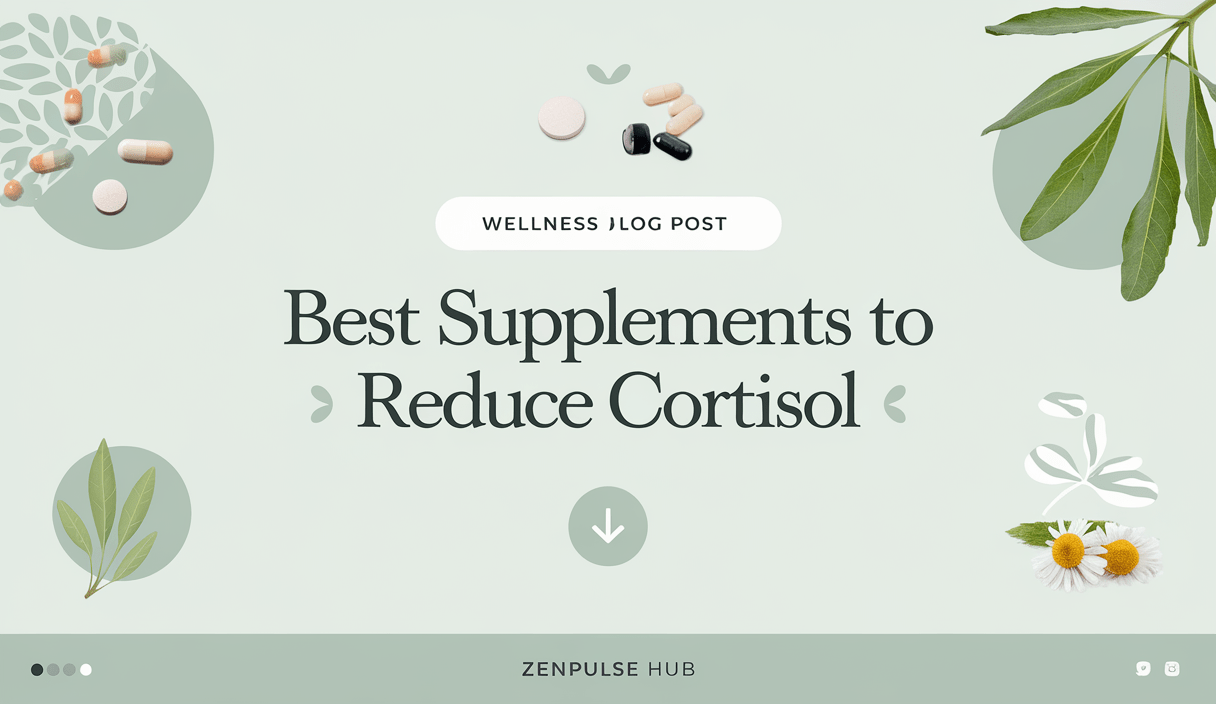

Best Supplements to Reduce Cortisol
Best supplements to reduce cortisol can be a helpful part of a stress-management plan when combined with sleep, movement, and mindful habits. If you feel wired, overwhelmed, or notice stubborn belly fat and low energy, learning which supplements may lower cortisol safely is a useful first step.

Why cortisol matters and when to consider supplements
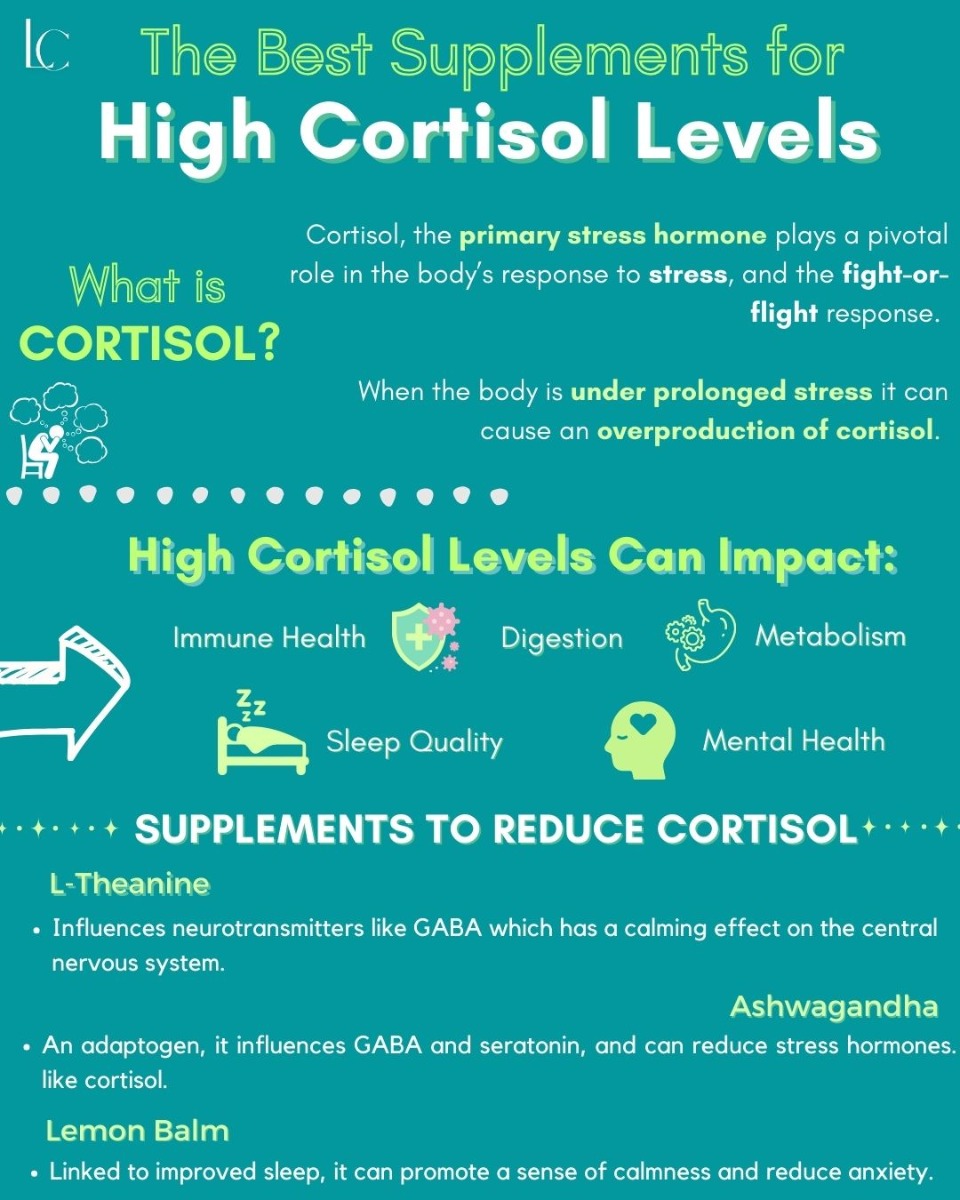
Cortisol is your body’s main stress hormone. It helps with wakefulness, blood sugar, and the fight-or-flight response. But chronically high cortisol can cause sleep problems, weight gain around the midsection, anxiety, and fatigue.
Supplements can help support the systems that regulate cortisol — especially when paired with basic lifestyle habits: regular sleep, balanced meals, movement, and stress reduction techniques. Think of supplements as supportive tools, not single fixes.
How I chose the best supplements to reduce cortisol
This guide focuses on supplements with the strongest evidence, safety profiles, and practical dosing. I reviewed clinical summaries and reputable sources — including research rundowns and major health sites — to pick options that are commonly recommended by clinicians and backed by studies.
Top evidence-based supplements to lower cortisol
Below are the most useful supplements for reducing cortisol naturally. Each entry includes benefits, typical dosages, and safety notes. Always check with a clinician before starting new supplements if you’re pregnant, nursing, on medications, or have health conditions.
1. Ashwagandha (Withania somnifera)
Why it helps: Ashwagandha is one of the most well-researched adaptogens for stress. Multiple clinical trials show it lowers salivary and serum cortisol and improves perceived stress and sleep.
Typical dose: 300–600 mg of a standardized extract (often 2 divided doses daily).
Notes: Ashwagandha is generally well tolerated. The evidence supports it as a first-line supplement. For a plain summary of research and recommendations, see this review on stress supplements: joinmidi.com.

2. Magnesium
Why it helps: Magnesium supports nervous system regulation and can blunt stress responses. Many people are low in magnesium, and supplementation is associated with reduced cortisol in some studies.
Typical dose: 200–400 mg daily, preferably as glycinate, citrate, or malate for absorption and tolerance.
Notes: Magnesium is inexpensive and broadly useful. If you want a simple place to start, magnesium is frequently recommended by clinicians — see an accessible review here: GoodRx on magnesium.
3. Omega-3 fatty acids (EPA and DHA)
Why it helps: Fish oil and high-EPA/DHA formulations reduce inflammation and may lower cortisol reactivity to stress. Regular omega-3 intake supports brain health and emotional resilience.
Typical dose: 1,000–3,000 mg combined EPA/DHA daily, depending on dietary intake.
Notes: Choose a third-party tested product to ensure purity and low oxidation.
4. L-theanine
Why it helps: L-theanine is an amino acid from green tea that promotes relaxation without sedation. It reduces stress-induced increases in cortisol and improves focus and calm.
Typical dose: 100–200 mg, taken once or twice daily, particularly before stressful events or in the afternoon to aid relaxation.
Notes: L-theanine pairs well with caffeine for smoother energy or by itself for evening calm.
5. Rhodiola rosea
Why it helps: Rhodiola is an adaptogen that can reduce fatigue from stress and modulate cortisol responses. Evidence shows benefits for fatigue, mental performance under stress, and improved recovery.
Typical dose: 200–600 mg of a standardized extract (often 3% rosavins and 1% salidroside).
Notes: Use in the morning or early afternoon (may be mildly stimulating). See this overview of herbal and vitamin options that lower cortisol: Verywell Health.

6. Phosphatidylserine
Why it helps: Phosphatidylserine (PS) can blunt cortisol spikes after exercise or stress. It’s a phospholipid that supports brain cell membranes and stress reactivity.
Typical dose: 100–300 mg daily, often split into two doses.
Notes: PS has good evidence for reducing post-exercise cortisol and improving mood under stress.
7. Lemon balm, chamomile, and other calming herbs
Why they help: These herbs support relaxation and sleep, which indirectly lowers cortisol. While single-herb effects on cortisol vary, improving sleep and anxiety reduces chronic HPA-axis activation.
Typical dose: Varies by preparation; often used as tea, tincture, or extract before bed or during anxious moments.
Notes: The Cleveland Clinic lists herbs like lemon balm and chamomile as supportive for stress and sleep: Cleveland Clinic guide.
How to stack supplements safely
Combining a few targeted supplements can be effective. Here’s a simple, research-backed stack to consider:
- Morning: Omega-3 (1 g) + Rhodiola (200 mg) — supports daytime resilience.
- Afternoon: Magnesium (200–300 mg) with lunch — helps with nervous system balance.
- Evening: Ashwagandha (300 mg) + L-theanine (100 mg) before bed — supports lower nighttime cortisol and better sleep.
Start one supplement at a time for 2–4 weeks to assess effects and tolerability.
Side effects, interactions, and safety tips
Supplements can interact with medications and medical conditions. Key cautions:
- Ashwagandha may interact with sedatives or thyroid medications and should be used cautiously in autoimmune conditions.
- Magnesium in high doses can cause diarrhea; kidney disease requires medical review.
- Rhodiola may be stimulating for some people — avoid late-night dosing.
- Phosphatidylserine and other extracts should be third-party tested for purity.
Always check with a healthcare provider if you take prescription drugs (especially blood thinners, blood pressure meds, or psychiatric medicines).
Lifestyle habits that reinforce supplement benefits
Supplements are most effective when paired with real-world habits that lower cortisol naturally. Focus on these pillars:
- Sleep: Aim for consistent bed and wake times and 7–9 hours of sleep.
- Nutrition: Regular meals with protein and fiber help stabilize blood sugar.
- Movement: Moderate exercise reduces stress; avoid excessive high-intensity training when cortisol is chronically high.
- Mindfulness: Short breathing exercises, meditation, or yoga reduce stress reactivity.
- Social support: Buffer stress with friends, therapy, or community.
How long until you notice results?
Effects vary by supplement and person. Some people notice calmer evenings after 1–2 weeks of magnesium and L-theanine. Ashwagandha and rhodiola often show measurable benefits in 4–8 weeks. If you’re tracking cortisol via lab tests, discuss timing and interpretation with a clinician—single cortisol readings can be misleading.
Which supplement should you try first?
If you want a single place to start, consider magnesium. It’s generally safe, supports sleep and nervous system recovery, and is backed by many clinicians as a first-line option (see the GoodRx overview linked earlier). Ashwagandha is the other strong contender for direct cortisol reduction and stress relief; use it after checking for interactions.
More resources and reliable reads
For balanced, evidence-oriented coverage of supplements and stress, these sources are helpful:
- JoinMidi review of supplements — highlights ashwagandha as one of the best-researched options.
- GoodRx guide — practical tips and why magnesium is a good starter option.
- Verywell Health — concise list of supplements that lower cortisol.
- Cleveland Clinic article — clinical perspective on stress reduction methods.
- BBC coverage — media perspective on stress and coping strategies.

Quick checklist: Choosing and using supplements
- Pick one or two evidence-backed supplements to start (magnesium, ashwagandha, omega-3, L-theanine).
- Buy third-party tested products (USP, NSF, ConsumerLab).
- Start at the lower end of dosing and increase only if needed.
- Track sleep, energy, mood, and stress for 4–8 weeks.
- Talk to your healthcare provider about interactions and testing.
Final thoughts
There’s no single cure for stress, but the best supplements to reduce cortisol — when chosen carefully — can support your nervous system, improve sleep, and make it easier to practice other stress-reduction habits. Aim for a holistic approach: sleep, movement, nutrition, connection, and targeted supplements.
Watch: Lower cortisol naturally
Important: If you suspect a medical cause for high cortisol (Cushing’s syndrome or other endocrine issues), seek medical testing — supplements are supportive but not diagnostic or curative for medical conditions.
Remember: This article used reputable sources and practical dosing suggestions, but your individual needs may vary. If you want to start with one change today, try improving sleep and adding magnesium.
Frequently asked questions
Can supplements alone lower my cortisol?
Supplements can help, but they work best with lifestyle changes such as consistent sleep, regular meals, movement, and stress-reduction techniques. Think of supplements as supportive tools rather than one-step solutions.
Which supplement is safest to start with?
Magnesium is a great first choice because it’s broadly safe, affordable, and supports sleep and nervous system recovery. Ashwagandha is a strong second option for direct cortisol reduction but requires checking for interactions.
How long before I see benefits?
Some effects (better sleep or calmer afternoons) can appear in 1–2 weeks. More robust stress and cortisol changes typically take 4–8 weeks, depending on the supplement and dose.
Are adaptogens like ashwagandha and rhodiola safe?
Yes, for most people they are safe when used appropriately. However, check with a clinician if you are on medication, pregnant, breastfeeding, or have autoimmune or thyroid conditions.
Explore more: Curious to learn deeper routines and product picks? Keep exploring our guides on zenpulsehub.com for evidence-informed tips to manage stress and feel better every day.