

cortisol sweating at night: Causes & fixes
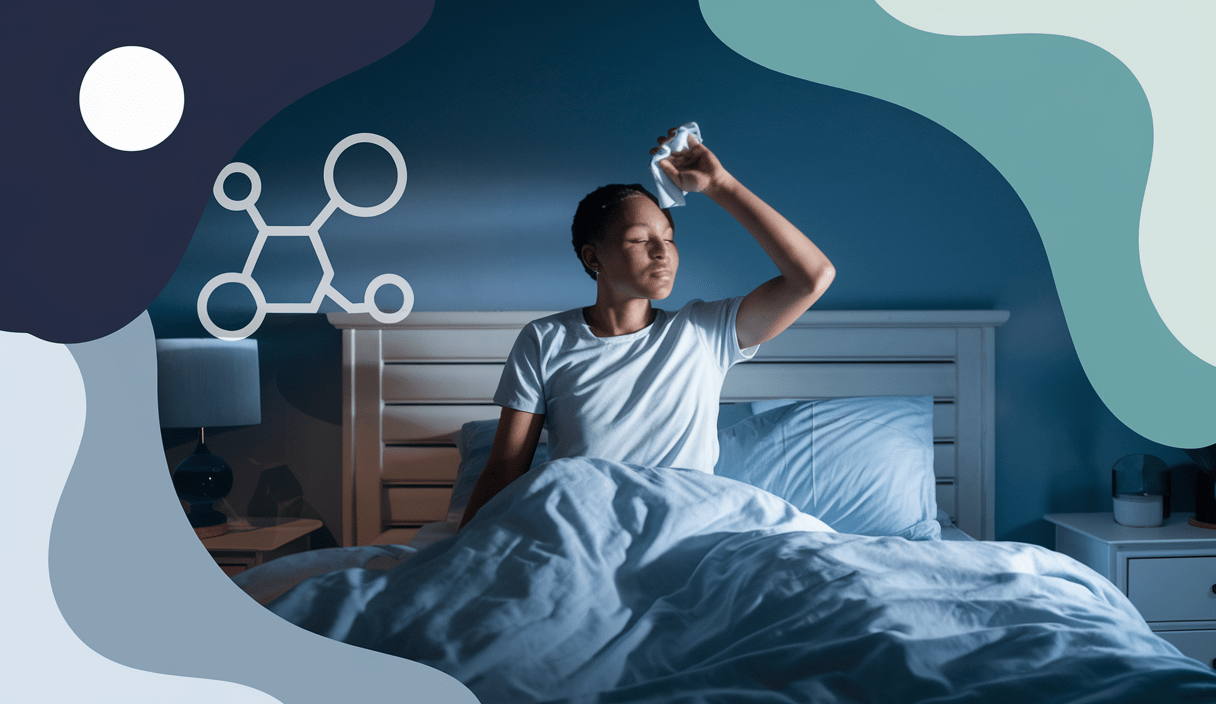
Cortisol sweating at night can interrupt sleep, leave you drained the next day, and make it hard to feel rested. If you wake up hot and drenched, you’re not alone — many people experience night sweats tied to stress hormones, changes in sleep, and other health factors. This guide breaks down why it happens, how to tell if cortisol is involved, and practical steps to calm your system and sleep better.
What is cortisol and how can it cause night sweats?
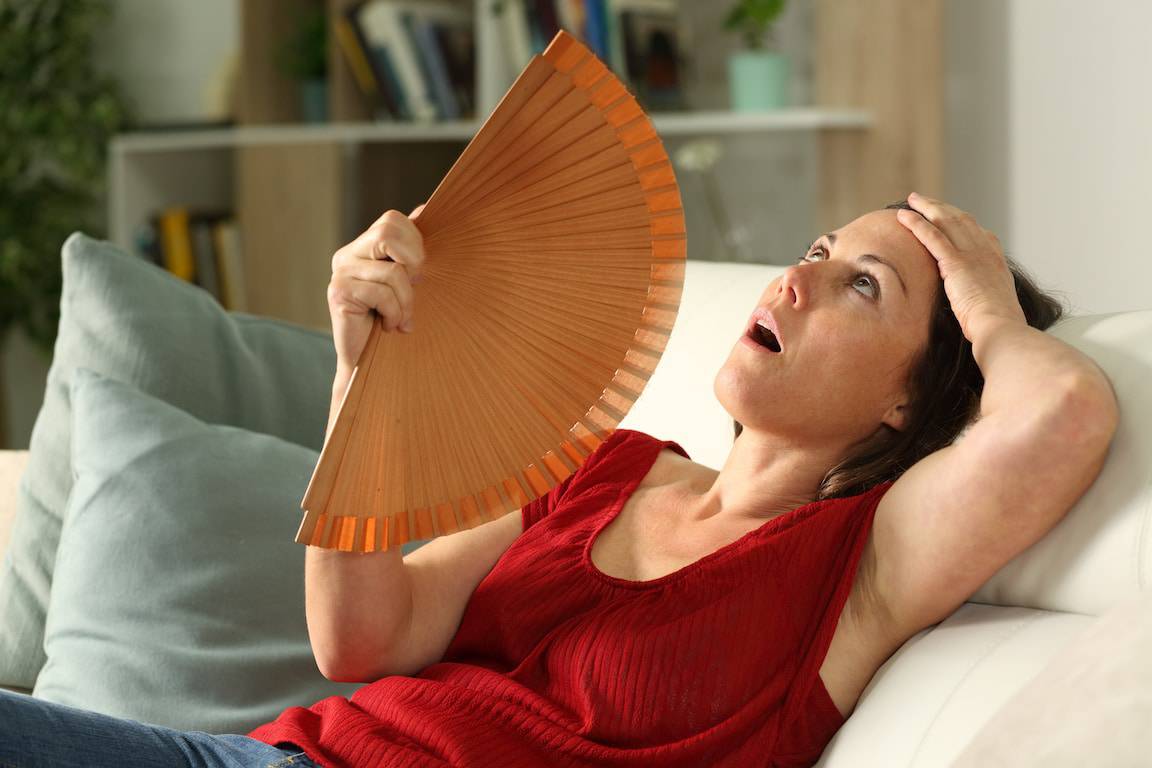
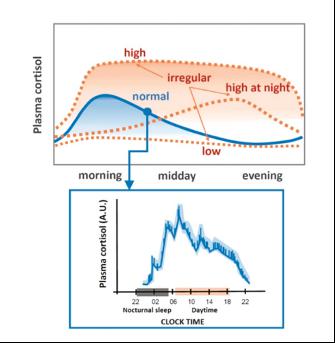
Cortisol is the body’s main stress hormone. It helps regulate blood sugar, blood pressure, inflammation, and your sleep-wake cycle. Normally, cortisol is high in the morning and tapers off through the day to low levels at night. But when that rhythm is disrupted, cortisol sweating at night can appear as one symptom.
How cortisol affects body temperature and sweating
Cortisol interacts with the nervous system. When cortisol (and related stress chemicals like adrenaline) rises in the evening, it can:
- Stimulate the sympathetic nervous system (fight-or-flight).
- Increase heart rate and circulation.
- Raise body temperature slightly and trigger sweat glands.
That combination — a higher internal temperature with an activated sweat response — produces night sweats for some people.
What causes cortisol-related night sweats?
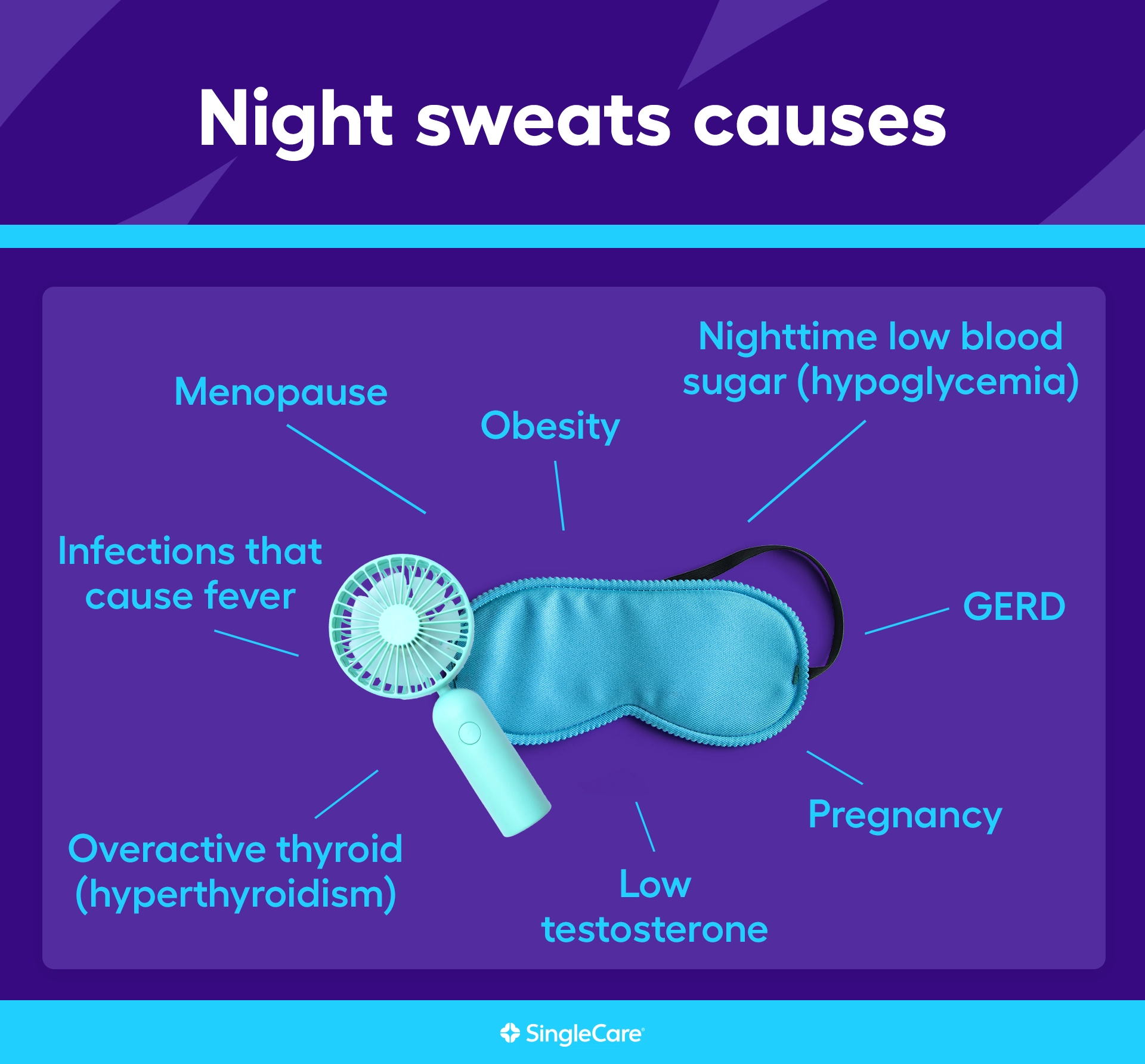
Several common situations can raise evening cortisol and lead to night sweats. Key causes include:
- Chronic stress or anxiety: Ongoing worry keeps cortisol and adrenaline higher than normal.
- Poor sleep or insomnia: Interrupted sleep disrupts cortisol’s daily rhythm. See more on how sleep and stress interact at SleepCycle.
- Shift work or irregular schedules: Working nights or changing sleep times misaligns your internal clock.
- Medical causes: Some illnesses, infections, or medications affect hormones and thermoregulation (always check with a clinician).
- Hormonal changes: Menopause and other hormonal shifts can overlap with cortisol effects — read more at Biodesign Wellness.
Not always cortisol: other common night-sweat causes
While cortisol and stress are common culprits, night sweats can also come from:
- Medications (antidepressants, steroids, some diabetes drugs)
- Infections (tuberculosis, endocarditis, HIV in rare cases)
- Neurological conditions or tumors affecting the hypothalamus
- Alcohol, nicotine, or heavy meals before bed
For a quick overview of common causes and practical tips, CNET summarizes several everyday triggers and actions to take: CNET: 4 common causes of night sweats.
How to tell if your night sweats are from cortisol
It’s not always obvious whether cortisol is driving the sweating. Ask yourself these questions:
- Do night sweats happen during periods of high stress or anxiety?
- Are your sleep times irregular or do you have insomnia?
- Do you also wake feeling wired, have a racing heart, or feel anxious at night?
- Have you noticed more sweating after stimulants (caffeine, nicotine) or alcohol in the evening?
If several answers are yes, cortisol sweating at night is a likely suspect. You can discuss cortisol testing with a healthcare provider if you want objective data — many labs and at-home tests are available (see Everlywell for testing info: Everlywell guide).

Practical ways to reduce cortisol sweating at night
Lowering evening cortisol and calming the nervous system can reduce night sweats. Try a combination of lifestyle, sleep, and stress-management steps below. These tactics are simple and evidence-backed.
Evening habits to calm cortisol
- Wind down early: Start a relaxing routine 60–90 minutes before bed — dim lights, read, stretch, or use a gentle breathing practice.
- Avoid stimulants late: Cut caffeine after midday and limit nicotine and heavy alcohol use in the evening.
- Cool your bedroom: Lower room temperature to 60–67°F (15–19°C) if you can and use breathable bedding.
- Limit late meals: Eating large or spicy meals right before bed can raise body temperature and provoke sweating.
- Try relaxation techniques: Guided breathing, progressive muscle relaxation, or 10–20 minutes of mindful meditation can bring cortisol down.
Sleep hygiene and schedule
Consistency helps reset cortisol rhythms:
- Keep a consistent bedtime and wake time, even on weekends.
- Get daylight exposure in the morning to anchor your circadian clock.
- Limit naps (or keep them short) if they disrupt nighttime sleep.
For more on how cortisol and sleep interact and whether high cortisol can cause night sweats, read the helpful Q&A at SleepCycle.
Stress-management practices
Reduce overall stress load to lower evening cortisol:
- Regular physical activity (but finish intense workouts a few hours before bed).
- Therapy or counseling for persistent anxiety or rumination.
- Daily journaling to offload worries before bedtime.
- Breathwork or short yoga routines focused on relaxation.
When to see a doctor
If night sweats are frequent, severe, or come with other worrying signs, get medical evaluation. See a provider if you have:
- Unexplained weight loss, fever, or swollen lymph nodes
- Persistent panic attacks or new heart palpitations
- Night sweats that don’t improve with lifestyle changes
Doctors may check for infections, hormone imbalances, medication side effects, or order tests for cortisol and other hormones. Men with night sweats may also want to review hormonal issues with a specialist; see an overview at BodyLogicMD.
Home tools and monitoring
You can track patterns and test whether stress correlates with night sweats:
- Keep a sleep and symptom diary for 2–4 weeks (note stressors, diet, alcohol, meds).
- Use a wearable or sleep app to observe heart rate spikes or temperature changes overnight.
- Consider saliva or blood testing for cortisol if recommended by your clinician — at-home tests and guides exist, such as the overview from Everlywell.
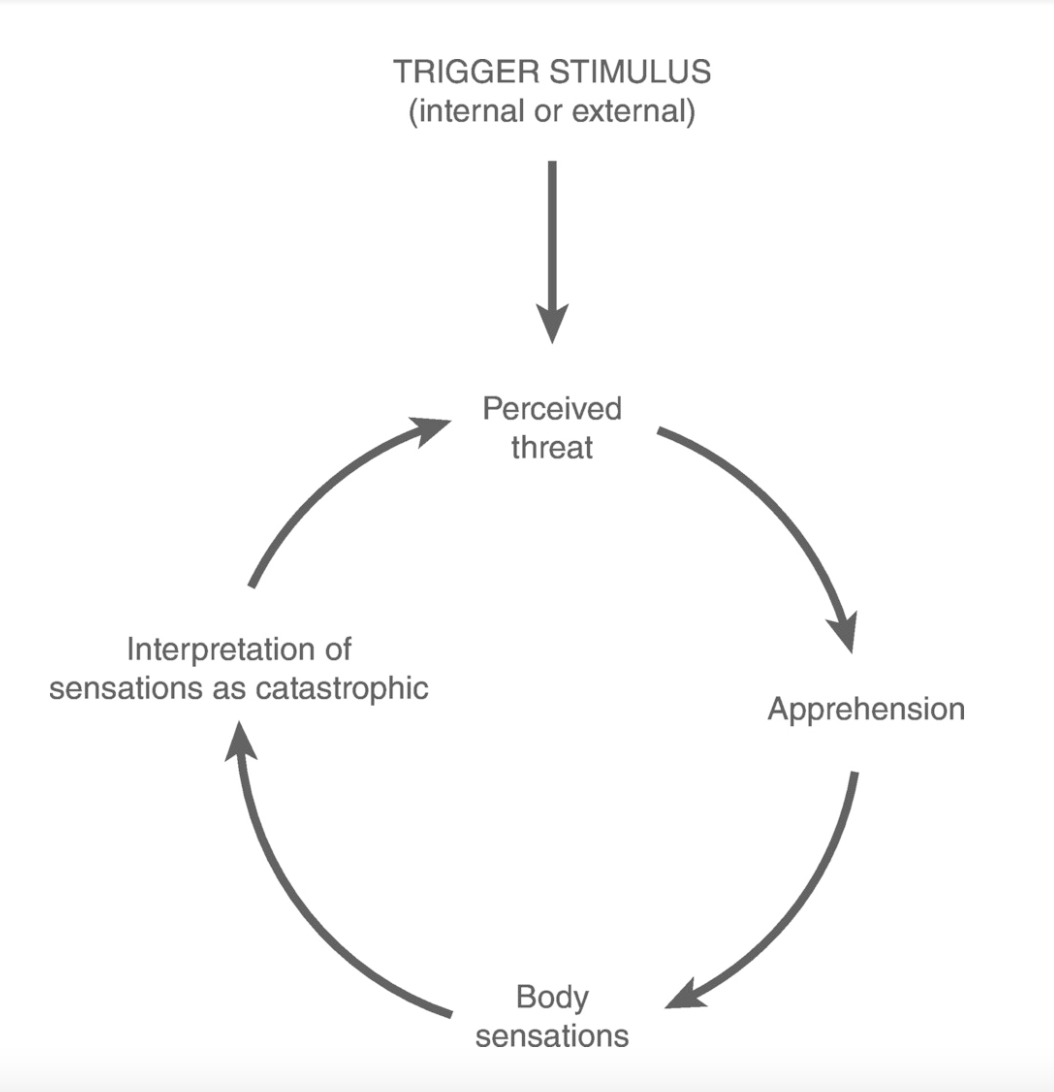
Simple nightly routine to reduce cortisol and night sweats
Try this friendly 6-step routine for at least two weeks to test whether lowering evening cortisol improves your night sweats:
- Finish caffeine by 2 PM and avoid alcohol after dinner.
- Eat a light, non-spicy dinner at least 2–3 hours before bed.
- Dim lights and turn off screens 60 minutes before sleep; use blue-light filters if needed.
- Do 10 minutes of calming breathwork or guided meditation 30 minutes before bed.
- Keep bedroom cool and use breathable sheets; consider a fan or cooling mattress topper.
- Track sleep and nighttime symptoms in a notebook or app to spot trends.
How many times should I expect to see improvement?
Some people notice fewer night sweats within a few nights of better sleep steps and stress reduction. For chronic high cortisol or underlying medical causes, it may take weeks to months with combined lifestyle changes and medical care. If your night sweats are tied to acute stress, improvement can be quicker; if they’re due to a medical condition, targeted treatment will be needed.
More resources and reading
Want to dig deeper? These trusted sources offer additional context on stress, cortisol, sleep, and night sweats:
- Stop Losing Sleep Over Hot Flashes and Night Sweats: The Cortisol Connection — explains links between evening cortisol and night sweating.
- Everlywell: Symptoms of High Cortisol Levels — testing options and signs to watch for.
- CNET: 4 common causes of night sweats — practical tips for immediate relief.
- SleepCycle: Cortisol and Sleep — Q&A on cortisol’s role in sleep and sweating.
- BodyLogicMD: Night Sweats in Men — perspective on hormonal contributors in men.
Summary: key takeaways
- Cortisol sweating at night often ties to stress, disrupted sleep, or shifted circadian rhythms.
- Lifestyle fixes — cooling the bedroom, consistent sleep schedule, and evening relaxation — often help.
- Track symptoms, limit evening stimulants, and consult a clinician if sweats are severe or persistent.
Watch: short explainer on stress, cortisol, and sleep
Below is a clear, short video overview that complements this post.
Final thoughts
Cortisol sweating at night is a common and often treatable problem. With consistent sleep habits, stress-reduction techniques, and simple bedroom changes, many people see clear improvement. If symptoms persist or are severe, reach out to a healthcare professional to rule out other causes and to get personalized treatment.
Ready to feel cooler and sleep better? Try the nightly routine above for two weeks and track your results. For more guides on stress, sleep, and balanced living, explore zenpulsehub.com and keep learning healthy ways to restore calm and better rest.
Can stress alone cause night sweats?
Yes. Prolonged stress raises cortisol and adrenaline, which can activate sweat glands and increase body temperature at night, leading to night sweats.
How quickly will reducing stress help night sweats?
Some people see improvement in days, while others need weeks. Consistent changes to sleep, evening routine, and stress management usually show benefits within 2–6 weeks.
Should I get my cortisol tested?
Testing can help if symptoms are persistent or severe. Talk to your clinician about saliva or blood cortisol tests and whether they’re appropriate for your situation.
Are night sweats different from hot flashes?
They can overlap. Hot flashes are commonly hormonal (e.g., menopause) but can also be intensified by stress-related cortisol spikes. If you suspect menopause or other hormonal issues, seek medical advice.






