
Sleep Hygiene for Teens: Simple Steps for Better Sleep
Sleep hygiene for teens matters more than many families realize. Teens need more sleep than adults, yet busy schedules, late-night screens, and shifting biology often cut their rest short. This guide explains clear, friendly steps to improve sleep that teens (and parents) can actually use.
Why sleep hygiene for teens is essential
Teen brains are still developing. Good sleep supports memory, mood, learning, and physical growth. Experts recommend that teens get 8–10 hours of sleep per night. Yet many teens get 7 hours or less, which can hurt school performance, increase irritability, and raise accident risk. For more on recommended hours, see the Sleep Foundation’s guidance: sleepfoundation.org/teens-and-sleep.
What “sleep hygiene” really means
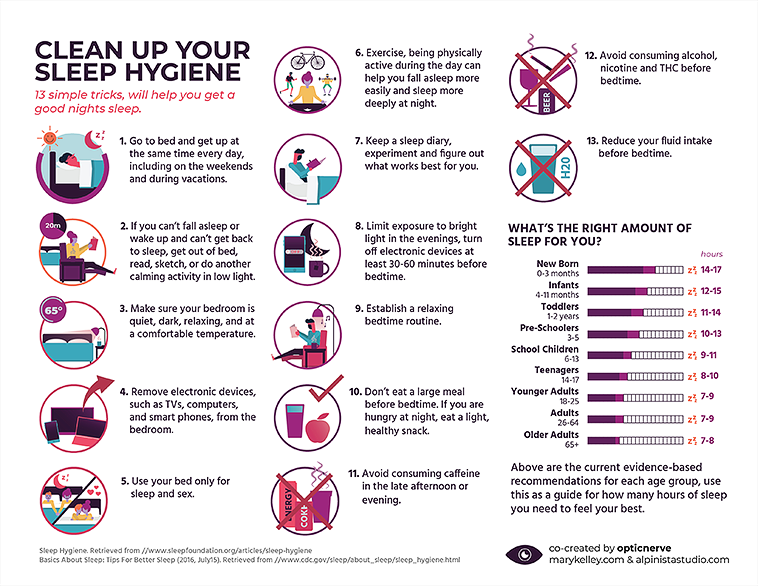
Sleep hygiene refers to habits and routines that help people fall asleep and stay asleep. For teens, small changes—like a consistent bedtime or a darker room—can make a big difference. This is practical advice, not medical treatment. For a concise handout you can share, check this teen sleep handout: Sleep Hygiene for Teens (PDF).

How much sleep do teens really need?
Most experts say teens need between 8 and 10 hours nightly. Some research suggests aiming closer to 9+ hours in many cases. If your teen struggles to get enough sleep, resources like the Teen Sleep Hub offer practical advice: teensleephub.org.uk. The Sleep Health Foundation also explains how adjusting evening routines and light exposure can help: sleephealthfoundation.org.au/sleep-topics/teenage-sleep.
Biology matters
During adolescence, the body’s circadian rhythm shifts later—so teens naturally feel sleepy later at night and want to wake later in the morning. This biological shift makes enforcing earlier bedtimes harder, so strategies focus on nudging the system gently rather than forcing it.
Common barriers to good sleep
Understanding what blocks sleep helps you pick targeted fixes. Teens often face:
- Late-night screen use (phones, social apps, gaming)
- Irregular sleep schedules across weekdays and weekends
- Caffeine or energy drinks later in the day
- Academic stress and overflowing to-do lists
- Insufficient daytime activity or poor sleep environment
Practical sleep hygiene for teens: 15 easy steps
Here are friendly, realistic steps that teens can try tonight. These tips focus on building a routine, optimizing the bedroom, and managing tech and light.
1. Aim for a consistent wake-up time
Set a fixed wake time—even weekends should be similar. This anchors the body clock and makes falling asleep easier on school nights.
2. Set a realistic bedtime window
Work backward from the wake-up time to set a bedtime that allows 8–10 hours. If sleep feels elusive, move bedtime earlier by 15 minutes every few nights.
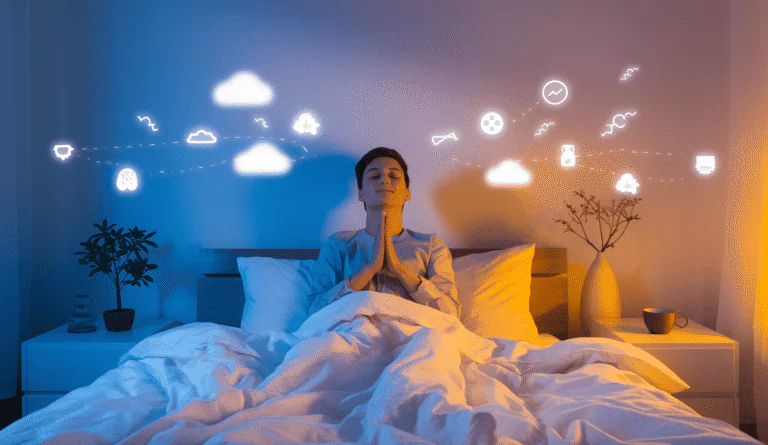
3. Create a calming wind-down routine (30–60 minutes)
Include quiet activities: reading, stretching, journaling, or a warm shower. Try dimming lights and lowering noise. A short routine signals the brain that sleep is coming.
4. Limit evening screens
Blue light from screens can delay melatonin. Aim to stop screen use 60–90 minutes before bed. If screens are necessary, use blue-light filters and lower brightness.
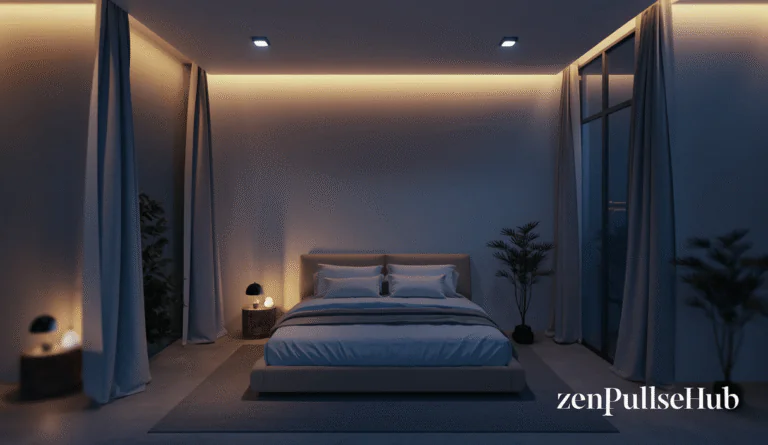
5. Make the bedroom sleep-friendly
Keep the room cool, dark, and quiet. Use blackout curtains, a white-noise machine, or earplugs when needed. Remove bright alarm clocks and bright chargers from bedside.
6. Avoid late caffeine and energy drinks
Caffeine affects sleep for many hours. Skip soda, coffee, and energy drinks after mid-afternoon.
7. Get daytime sunlight and exercise
Morning light helps set the circadian rhythm. Regular daytime activity supports sleep at night—aim for light to moderate exercise most days. Avoid heavy workouts right before bed.
8. Keep naps short and early
If needed, limit naps to 20–30 minutes and avoid late afternoon naps that can interfere with night sleep.
9. Use the bed only for sleep and intimacy
Work, studying, and screen time in bed teach the brain to stay alert. Reserve bed for sleep to strengthen the sleep cue.
10. Manage stress before bed
Try brief breathing, guided relaxation, or jotting down worries. These small practices reduce nighttime rumination and make falling asleep easier.
11. Limit late-night homework binging
Plan homework earlier when possible. If late work is unavoidable, break it into manageable chunks and follow a short wind-down after finishing.
12. Consider melatonin carefully
Some teens benefit from short-term, low-dose melatonin under medical guidance to shift bedtime earlier. Talk with a clinician before using it regularly.
13. Make small changes consistently
Big one-time changes rarely stick. Start with one or two habits, then add more after they feel normal.
14. Use school and community resources
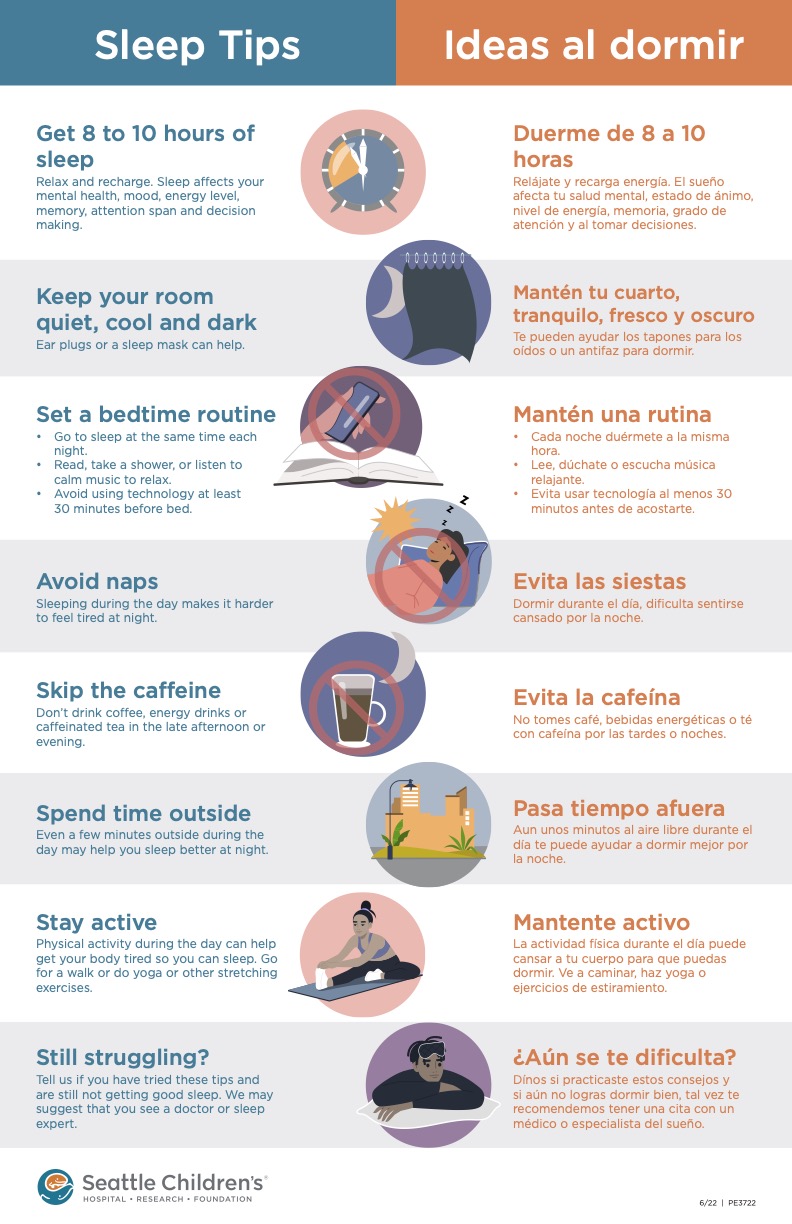
Schools and health centers often offer sleep education. For quick printable sleep tips, see this guide: Sleep Tips for Teens (PDF).
15. Track patterns, not perfection
Use a simple sleep log for two weeks to spot patterns and check what helps. Small, steady improvements beat occasional all-nighters.
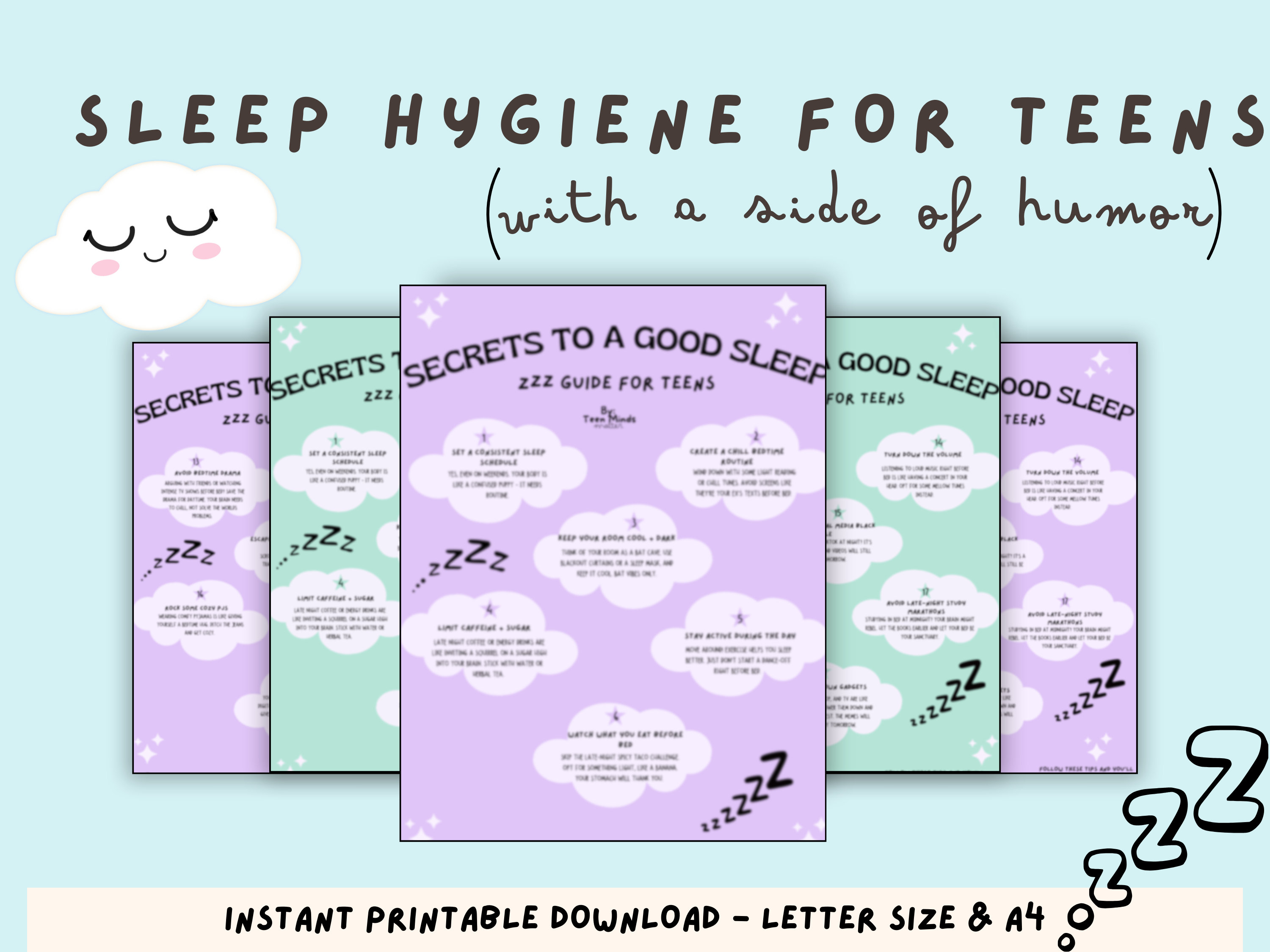
Sample evening routine (easy to try)
Try this 60-minute plan to build a calm, predictable evening:
- 60 min before bed: stop screens. Turn on warm, dim lights.
- 50 min: light snack if hungry (avoid heavy, spicy foods).
- 40 min: tidy study items and prepare clothes for morning.
- 30 min: shower or wash face, brush teeth.
- 20 min: quiet reading, journaling, or light stretching.
- 10 min: breathing exercise or mindfulness.
- Bedtime: lights out and settle in.
When to get professional help
If a teen consistently has trouble falling asleep, wakes often, or feels exhausted during the day despite good routines, consider a medical review. Conditions like insomnia, sleep apnea, and mood disorders affect sleep. A clinician or sleep specialist can help with diagnosis and treatment planning.

Tips for parents and caregivers
Supportive changes by parents can make healthy sleep habits easier. Try these approaches:
- Model good routines—teens notice family habits.
- Negotiate, don’t nag—work together on a plan that’s realistic.
- Keep phones out of the bedroom at night or use charging stations in shared spaces.
- Encourage earlier homework blocks so evenings aren’t rushed.
- Watch for signs of sleep problems: daytime sleepiness, mood shifts, falling asleep in class, or loud snoring.
Tools and resources
Quality resources make it easier to follow evidence-based advice:
- Printable guides and handouts: Sleep Hygiene for Teens.
- Research-based tips and education: Sleep Foundation: Teens and Sleep.
- Practical UK-focused guidance: Teen Sleep Hub.
- Community-level ideas on improving routines: Sleep Health Foundation.
- School-based sleep tips PDF: Sleep Tips for Teens (UW).
Watch: Quick tips for better teen sleep
Here’s a short video that highlights practical steps teens can take tonight to sleep better.
Quick checklist: Start tonight
- Set a consistent wake time for the week.
- Stop screens 60 minutes before bed.
- Create a 30–60 minute wind-down routine.
- Keep the bedroom cool, dark, and phone-free.
- Aim for 8–10 hours and track progress for two weeks.
Final thoughts
Improving sleep hygiene for teens is a step-by-step process. Small, consistent changes add up. Focus on routines, a sleep-friendly environment, and realistic goals. If problems persist, consult a health professional for tailored help.
Want more guides? Explore sleep strategies and wellness tips at zenpulsehub.com to find simple, evidence-based steps the whole family can use.
Frequently Asked Questions
How many hours of sleep should a teen get?
Most experts recommend 8–10 hours per night for teens. Some research suggests aiming nearer to 9 hours for optimal functioning. For background, see the Sleep Foundation’s guidance: Sleep Foundation.
Does limiting screen time really help?
Yes. Blue light from screens can delay the body’s sleep signals. Stopping screen use 60–90 minutes before bed and dimming lights in the evening helps the brain prepare for sleep.
Are naps bad for teens?
Short naps (20–30 minutes) can boost alertness, but long or late naps may make it harder to fall asleep at night. If naps are needed, keep them brief and early in the afternoon.
When should I see a doctor about sleep problems?
See a clinician if a teen has persistent trouble falling asleep, loud snoring, daytime sleepiness, or mood and concentration issues despite good sleep habits. A medical review can identify conditions like sleep apnea or insomnia.