
difficulty sleeping stress: calm tips for better sleep
difficulty sleeping stress is a common problem many people face when life gets busy or overwhelming. If you’re lying awake replaying the day, worrying about tomorrow, or staring at the ceiling, this guide will help you understand why stress keeps you awake and give simple, effective steps to sleep better tonight and build long-term habits.
Why stress causes difficulty sleeping stress
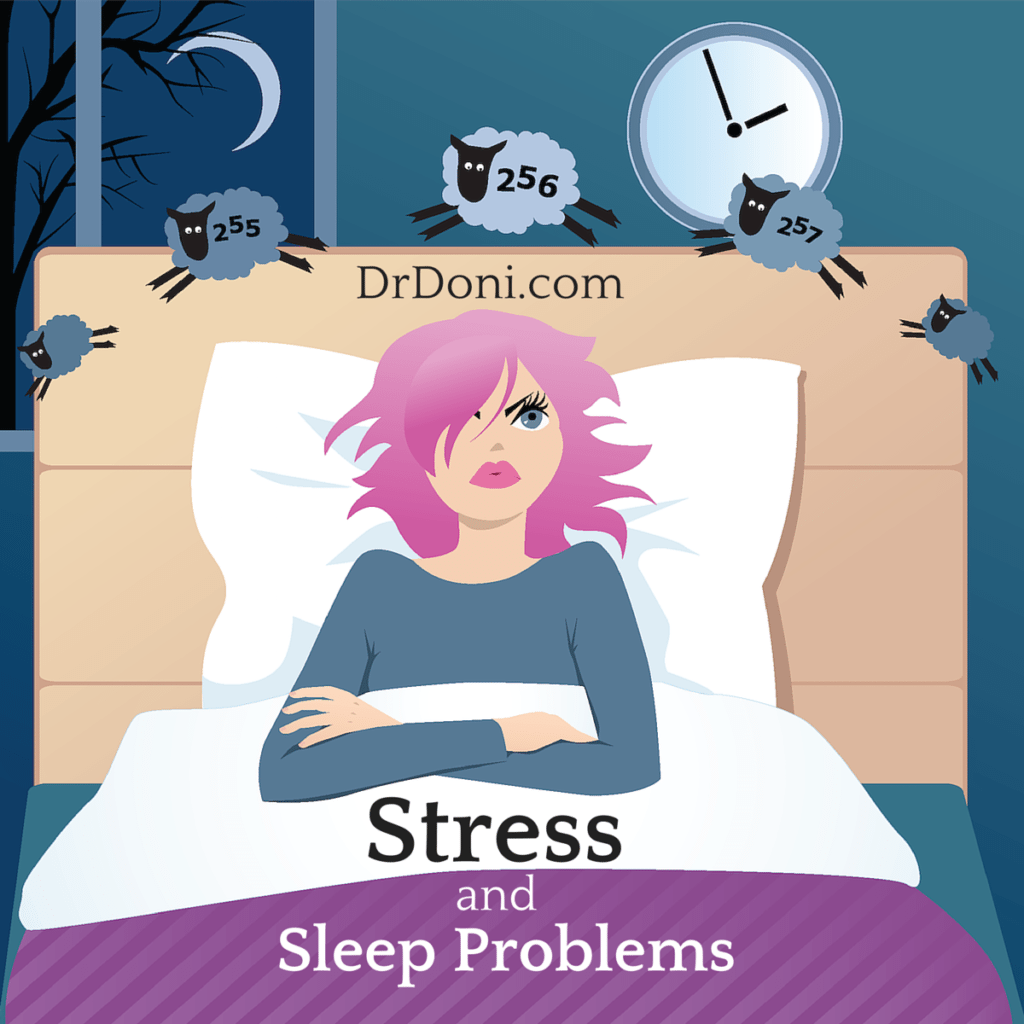
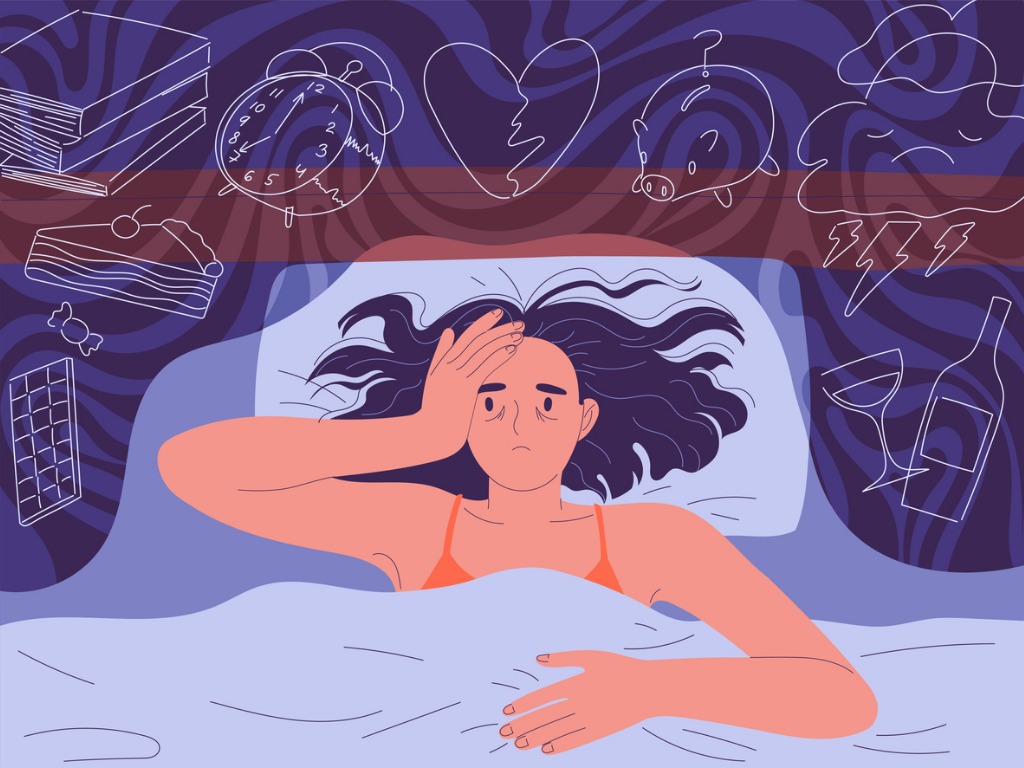
Stress activates your body’s natural alarm system: the fight-or-flight response. That reaction raises heart rate, releases adrenaline and cortisol, and sharpens your mind — great for handling danger, not for falling asleep. When stress keeps flipping that switch at night, you get difficulty sleeping stress and a loop where lack of sleep makes stress worse.
How the cycle works
- Stress increases alertness and racing thoughts.
- Racing thoughts make it hard to relax and fall asleep.
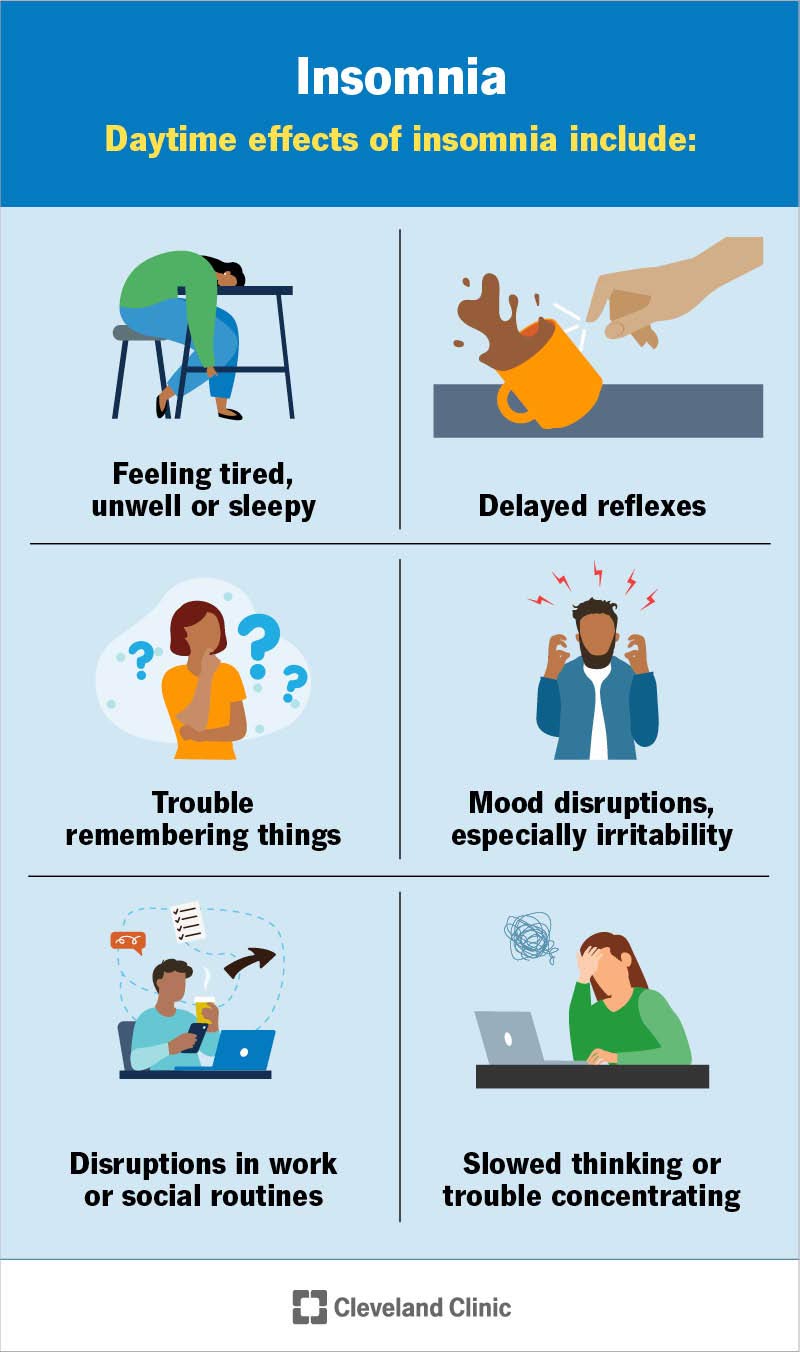
- Poor sleep lowers mood and coping ability the next day.
- Lowered coping ability increases stress, and the cycle repeats.
Signs that stress is behind your sleep trouble
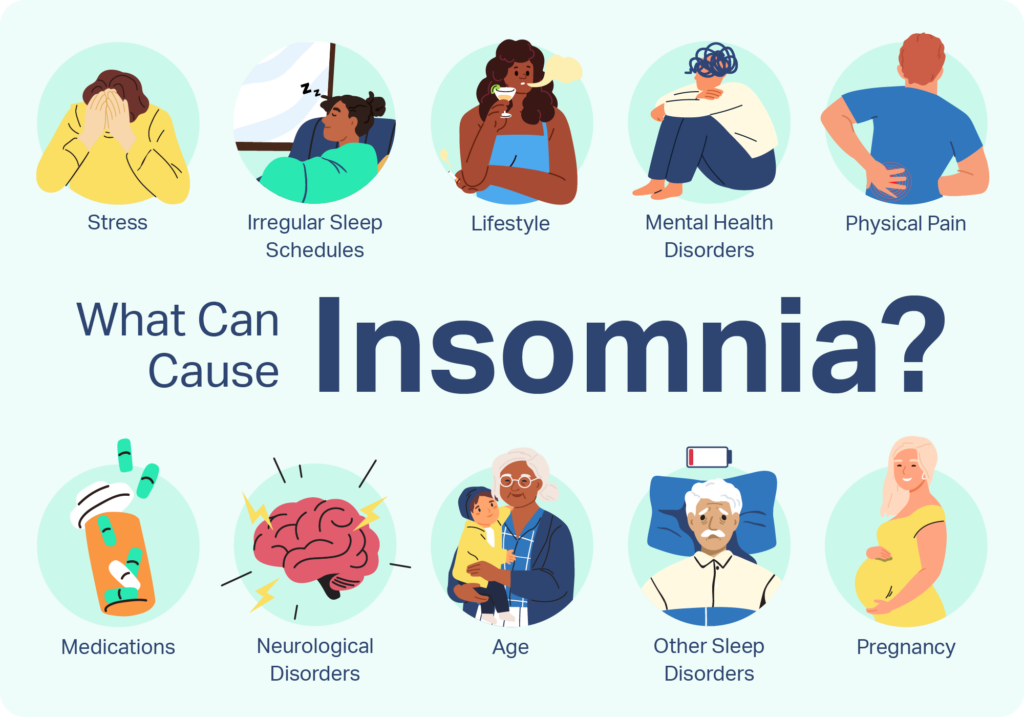
It helps to know when stress is the main issue. Common signs include:
- Difficulty falling asleep while your mind races.
- Waking up in the night worrying about something.
- Feeling tense in your body or jaw while trying to sleep.
- Sleep improves when the stressful situation eases.
If you suspect stress is a trigger, reputable sources explain this well — for example, the Mayo Clinic notes that short-term stress can cause insomnia and long-term stress can lead to chronic sleep problems.
How stress and insomnia are linked
The connection between stress and sleep is well documented. The Sleep Foundation explains that stress and anxiety often lead to insomnia, and symptoms usually ease once the stressful situation ends — but not always. When stress is constant, the body’s sleep systems can become dysregulated.
Short-term vs. long-term stress
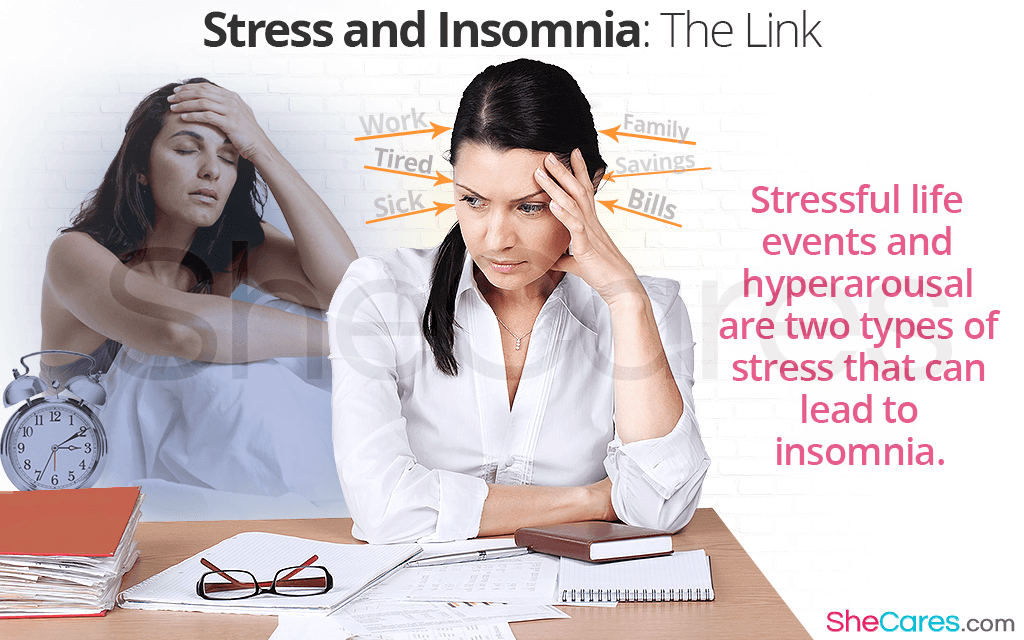
Short-term stress (a deadline, an exam) often causes temporary sleep problems that resolve when the stressor passes. The NHS says stress, anxiety, or life events are common causes of insomnia and that symptoms may improve with habit changes and time.
Long-term stress keeps your stress response active and can cause persistent insomnia. If stress is frequent, you may need a plan that includes both lifestyle changes and professional help.
Practical steps to reduce difficulty sleeping stress tonight
When stress makes sleep hard, small changes can have a big effect. Try these evidence-based, easy-to-follow steps.
1. Create a short, calming pre-sleep routine
- Turn off work screens 60 minutes before bed.
- Do 10 minutes of deep breathing, progressive muscle relaxation, or gentle stretching.
- Use a dim light and avoid bright, blue-rich screens.
2. Use quick relaxation techniques
When your mind races, these techniques help stop the loop:
- Box breathing: inhale 4 counts, hold 4, exhale 4, hold 4 — repeat 4 times.
- Body scan: bring attention to each body part from toes to head, releasing tension.
- Write it out: keep a bedside notebook to jot down worries so your mind can let go.
3. Make your bedroom a sleep-friendly zone
- Keep the room cool, dark, and quiet.
- Reserve the bed for sleep and sex — no work or long phone scrolling.
- Consider white noise or a fan if sudden noises wake you.
4. Limit stimulants and late meals
Avoid caffeine after mid-afternoon and heavy meals within two hours of bed. Alcohol might help you fall asleep but it fragments sleep later in the night.
Daily habits that reduce long-term difficulty sleeping stress
Building good daytime habits helps your nervous system learn to relax at night. These tips reduce overall stress and improve sleep quality over weeks.
Exercise regularly
Moderate exercise most days reduces stress and improves sleep. Aim for earlier in the day or at least a few hours before bedtime for best results.
Practice regular worry time
Set aside 15–30 minutes each day to review concerns and plan solutions. This ritual keeps worry from spilling into bedtime. If your mind drifts to problems at night, remind yourself you will address them during your worry time tomorrow.
Sleep schedule and exposure to light
- Go to bed and wake up at the same time each day, even on weekends.
- Get bright daylight in the morning to set your circadian rhythm.
When to seek professional help
If your sleep trouble lasts more than a month or severely affects your daily function, it’s time to get support. Health systems like Cleveland Clinic offer clear guidance about insomnia causes, symptoms, and treatments.
Effective professional options include:
- Cognitive Behavioral Therapy for Insomnia (CBT-I): a structured program that changes thoughts and behaviors that cause insomnia. Many studies show CBT-I is highly effective.
- Short-term medication when needed, under a clinician’s guidance.
- Treatment for co-existing conditions such as anxiety, depression, or sleep apnea.
Johns Hopkins also highlights stress-relief techniques as part of a broad approach to sleepless nights: Hopkins Medicine provides practical stress-relief ideas to try before bedtime.
How to tell if your insomnia is stress-related
Stress-related sleep problems often follow a specific trigger or life event and may improve with targeted stress management. The NHS Every Mind Matters offers simple sleep habit changes and exercises that help when stress or anxiety are involved.
Simple evening routine example
Here’s a short routine you can try tonight:
- 90 minutes before bed: stop working, dim lights.
- 60 minutes before bed: avoid screens, prepare a light snack if hungry.
- 30 minutes before bed: take a warm shower or do gentle stretching.
- 15 minutes before bed: practice box breathing or a short guided relaxation (see embedded video).
- At bed: journal one thing you accomplished and one thing you’ll handle tomorrow (so your brain can let go).
Guided relaxation video
Use this short guided relaxation to help you unwind before sleep:
Practical tips: what to try first
When tackling difficulty sleeping stress, start with one or two changes and give them 1–2 weeks. Quick wins to try:
- Set a consistent wake time for the next two weeks.
- Practice a five-minute breathing routine each night.
- Keep a worry notebook and empty it before bed for three evenings.
Resources and further reading
Trusted resources for more in-depth reading:
- Mayo Clinic – Insomnia: symptoms & causes
- Sleep Foundation – Stress and insomnia
- NHS – Insomnia overview
- Johns Hopkins – Stress relief techniques for sleepless nights
- NHS Every Mind Matters – Improve sleep
Summary checklist
Quick checklist to reduce difficulty sleeping stress:
- Set a consistent sleep schedule.
- Build a short pre-sleep routine and relax before bed.
- Limit caffeine and heavy meals in the evening.
- Use breathing or body-scan techniques for racing thoughts.
- Seek professional help if insomnia persists or affects daily life.
Remember: small habits practiced over time change how your body and mind respond to stress. You can break the cycle of stress and sleeplessness and reclaim restful nights.
If you’re ready to learn more, explore the guides on zenpulsehub.com for step-by-step routines and relaxation practices designed to help you sleep better and feel calmer.
Frequently Asked Questions
Why does stress make me wake up at night?
Stress activates your body’s alarm system and raises stress hormones like cortisol. This can fragment sleep and cause middle-of-the-night awakenings. Techniques that reduce physiological arousal — slow breathing, body scan, or a consistent routine — help your body return to restful sleep.
How long until my sleep improves after reducing stress?
Short-term sleep problems may improve within a few days to weeks after the stressor eases. If stress is ongoing, improvements depend on how consistently you apply sleep-friendly habits. If insomnia lasts longer than a month, consider professional help like CBT-I.
Can breathing exercises really help insomnia?
Yes. Slow, controlled breathing lowers heart rate and calms the nervous system. Practices like box breathing or a 4-4-4-4 rhythm can reduce racing thoughts and help you fall asleep more easily.
When should I see a doctor about sleep problems?
See a clinician if sleep problems last more than a month, cause severe daytime tiredness, or if you have symptoms like loud snoring, gasping, or pauses in breathing. A professional can assess for conditions like sleep apnea, anxiety, or depression and recommend treatments including CBT-I.