

Glucose Spikes: Energy Dips Explained
Glucose spikes can leave you feeling wired and then suddenly wiped out — that rapid rise and fall in blood sugar is a common trigger for energy dips, mood swings, and cravings. This guide explains what causes those spikes and the practical steps you can take to keep your energy steady throughout the day.
What are glucose spikes and why they matter?
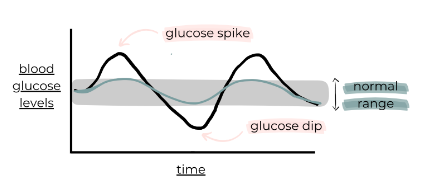
When you eat, your digestive system breaks food into glucose (sugar), which enters the bloodstream. A glucose spike happens when blood sugar rises quickly higher than your cells can absorb. The body responds by releasing insulin; sometimes the response overshoots, causing a fast drop — the energy dip you feel a few hours later.
How common are they?
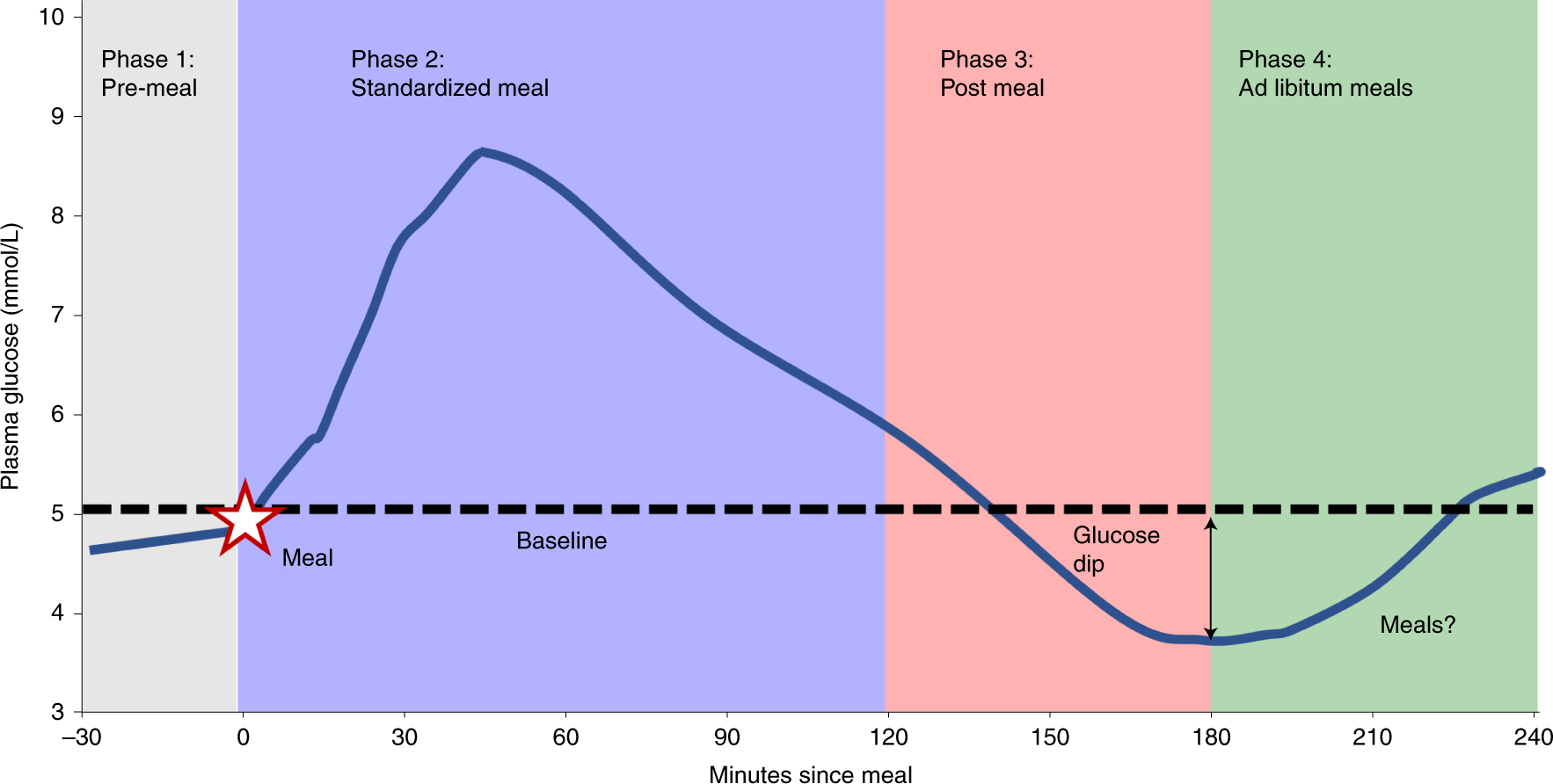
Short-lived glucose surges after meals (postprandial spikes) are normal. But frequent or large spikes are linked with low energy, overeating, and long-term health risks. Research suggests that the size of the rise after a meal often predicts how deep the subsequent drop will be and how hungry you’ll feel later (see this study for details: PMCID PMC7610681).
How glucose spikes cause energy dips
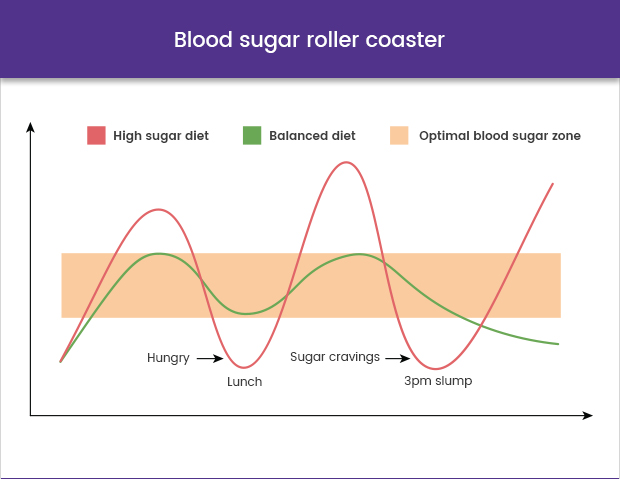
First the good news: your body is trying to keep blood sugar within a healthy range. But here’s the problem—sometimes the regulatory response is too strong. The sequence often looks like this:
- Fast-digesting carbs (like white bread, sweetened drinks, pastries) cause blood sugar to rise quickly.
- The pancreas releases insulin to clear glucose from the blood.
- If insulin and cellular uptake overshoot, blood sugar falls rapidly — a dip.
- The drop triggers fatigue, brain fog, irritability, and cravings — pushing you to eat again.
Scientific work links the size of post-meal peaks to the depth of later dips and how much people eat afterward; see the Nature summary on postprandial glycaemic dips (Nature) and the related paper image below:
Symptoms of energy dips
Common signs you are experiencing a glucose-related energy dip include:
- Sudden tiredness after a meal
- Difficulty concentrating or brain fog
- Mood changes or irritability
- Strong cravings for quick carbs or caffeine
- Feeling shaky or lightheaded in more extreme cases

Common causes of large glucose spikes
Understanding the triggers helps you prevent the highs and lows. Main causes include:
- High amounts of refined carbohydrates and added sugars (sodas, sweets, white bread)
- Low fibre and low protein meals that digest quickly
- Skipping meals and then overeating
- Stress and poor sleep which affect hormones and insulin sensitivity
- Lack of physical activity — movement helps muscles take up glucose
What the research says
Large studies and controlled meal tests show that the biggest glucose rises are often followed by the deepest dips and increased appetite. For a clear review, see the clinical review and trials cited in sources like ScienceDirect and the open-access analysis on the NIH site (PMC7610681).
Simple, effective ways to prevent glucose spikes
Small habits add up. Try these steps to smooth blood sugar and avoid energy crashes:
- Choose low-glycemic carbs: Replace highly processed carbs with whole grains, legumes, and starchy vegetables.
- Add protein and healthy fats: A balanced meal slows digestion and blunts peaks.
- Boost fibre: Fruits, vegetables, seeds, and whole grains reduce the speed of glucose absorption.
- Move after eating: A 10–20 minute walk helps muscles use glucose and lowers the post-meal spike (Healthline covers exercise benefits).
- Avoid liquid sugar: Drinks with added sugar spike blood sugar faster than solid foods.
These practical steps lower both the peak and the chance of an overshoot that causes a dip.
Small swaps that work
- Swap white rice for quinoa or barley.
- Pair fruit with nuts or yogurt instead of eating it alone.
- Choose beans or lentils as a side to reduce a meal’s glycemic load.

Quick fixes when you feel a dip
If you notice a sudden drop in energy, try these immediate actions:
- Have a small, balanced snack (a piece of fruit with nut butter or a handful of nuts).
- Drink water and move around — gentle activity raises alertness.
- Avoid reaching for sugary snacks or caffeine, which can deepen the cycle.
Monitoring and testing
Want to know how your body reacts? Continuous glucose monitors (CGMs) and fingerstick tests show real-time responses. Tracking helps you see which foods trigger big spikes and which keep you steady. Trusted sources and guides explain how to interpret patterns — for general explanations see What is a glucose spike and lifestyle-focused guides like KnowDiabetes discuss everyday signs and detection.
When to seek medical advice
Most energy dips are manageable with lifestyle changes. However, talk to a healthcare professional if you have:
- Frequent extreme highs or lows
- Symptoms that affect safety (fainting, confusion)
- A diagnosis of diabetes or prediabetes
Your clinician may recommend tests, monitoring, or personalized treatment.
Supplements and products
There are products marketed to blunt spikes (e.g., ‘anti-spike’ powders or bars). While some people find benefit, focus first on food, movement, and sleep. If you try supplements, choose reputable brands and consult a clinician. For context on commercial products and consumer options see listings like the one on Amazon for anti-spike formulas.
Practical day-by-day plan to steady energy
Here’s a simple routine you can try this week:
- Start breakfast with protein + fibre (e.g., eggs + veggies, or oatmeal with nuts).
- After meals, take a 10–15 minute walk to lower the peak.
- Include two snacks combining protein and fibre to avoid long gaps.
- Limit sugary drinks; hydrate with water or unsweetened tea.
- Prioritize sleep and short movement breaks during long work sessions.
Over days and weeks, you’ll notice fewer dramatic highs and lows and steadier energy.
Key takeaways
- Glucose spikes are common but manageable — large spikes often lead to energy dips and cravings.
- Balance carbs with protein, fibre, and healthy fats to blunt peaks.
- Move after meals and prioritize sleep to improve insulin sensitivity.
- Track patterns with monitoring if you suspect serious swings; consult a clinician when needed.
If you’d like the scientific background, check the open-access review on meal responses (PMC7610681) and the clinical write-ups in journals summarized on sources like ScienceDirect.
Frequently asked questions
What’s the difference between a glucose spike and hypoglycaemia?
A glucose spike is a rapid rise in blood sugar after eating; hypoglycaemia is abnormally low blood sugar. A spike followed by an excessive insulin response can produce a temporary low that feels like hypoglycaemia. If you have repeated low readings, seek medical advice.
Can exercise stop glucose spikes?
Yes. Short bouts of activity, especially after meals, help muscles use glucose and lower post-meal spikes. Regular exercise improves insulin sensitivity over time, reducing both peaks and dips.
Are continuous glucose monitors useful for non-diabetics?
Many people use CGMs to learn how foods and habits affect their levels. They can reveal personal triggers and help fine-tune diet and timing. For medical advice about monitoring, talk with your healthcare provider.
Which foods cause the biggest spikes?
Highly refined carbs and sugary drinks usually cause the biggest, fastest spikes. Combining these with fats or proteins slows absorption and reduces the spike.
Ready to test a few swaps? Try the simple day-by-day plan above for a week and notice how your energy changes. For more guides on steady energy and balanced living, explore our resources at zenpulsehub.com — there’s a practical guide for nearly every lifestyle.