

Good Sleep Hygiene: Simple Habits for Better Rest
Good sleep hygiene is the set of habits and environmental choices that help you fall asleep faster, stay asleep, and wake up feeling refreshed. In this guide you’ll find friendly, practical steps to improve nightly rest, whether you’re a shift worker, a student, or someone juggling a busy life.
Why good sleep hygiene matters
Sleep isn’t optional — it powers thinking, mood, immune health, and recovery. Poor sleep adds up: lower focus, more stress, and higher risk of long-term health problems. By improving basic habits, most people see big gains in sleep quality within a few weeks.
How sleep works (a quick primer)
Your sleep cycles include light sleep, deep sleep, and REM. These stages repeat several times nightly. Consistent timing and a calm pre-sleep routine help your brain shift through these stages smoothly. When we ignore cues like sunlight or late-night stimulants, the cycles fragment and rest suffers.
Good sleep hygiene: core habits
Below are the most effective, evidence-backed habits to build better sleep. Try adding one or two at a time rather than changing everything at once.
1. Set a consistent sleep schedule
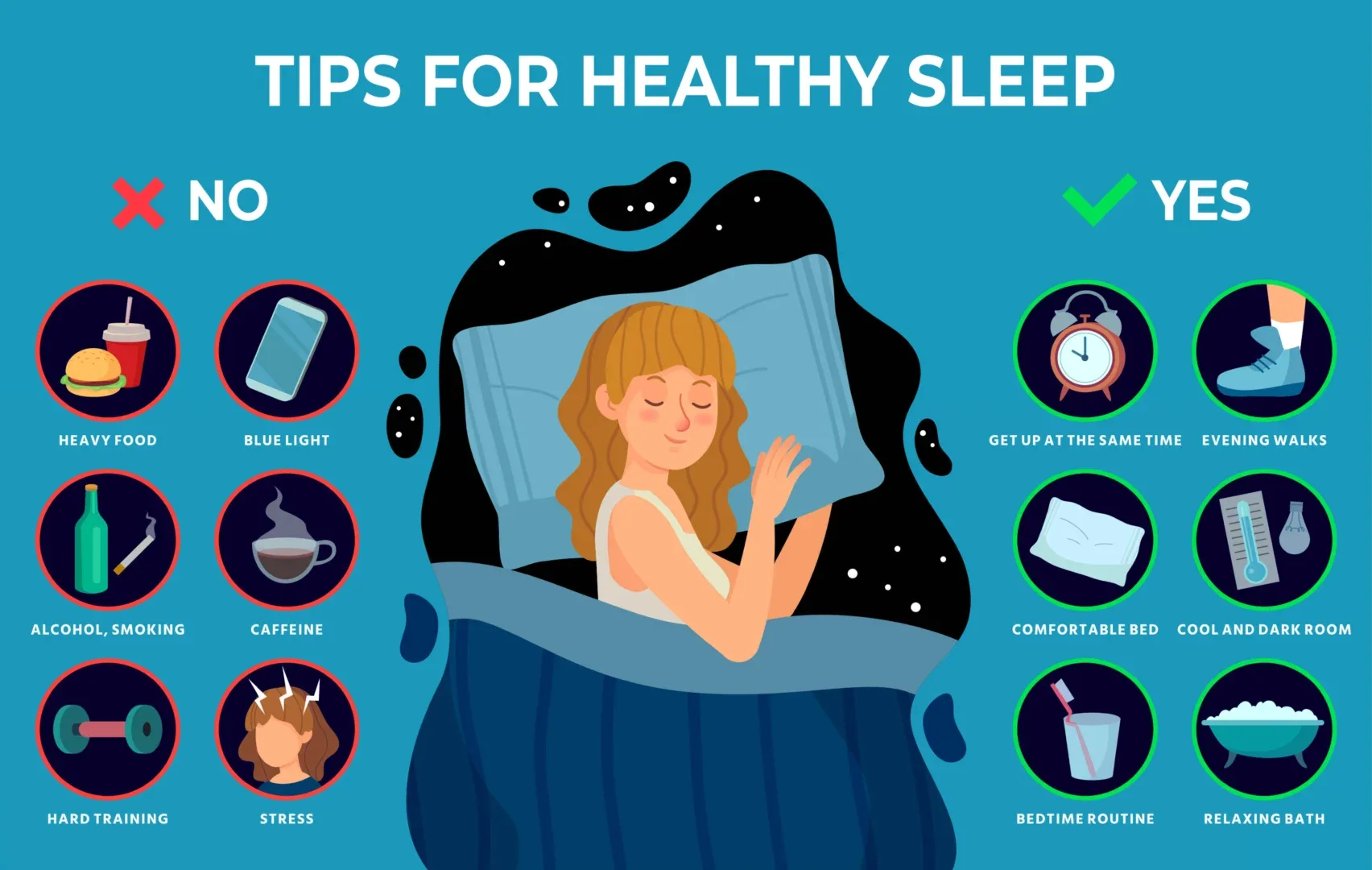
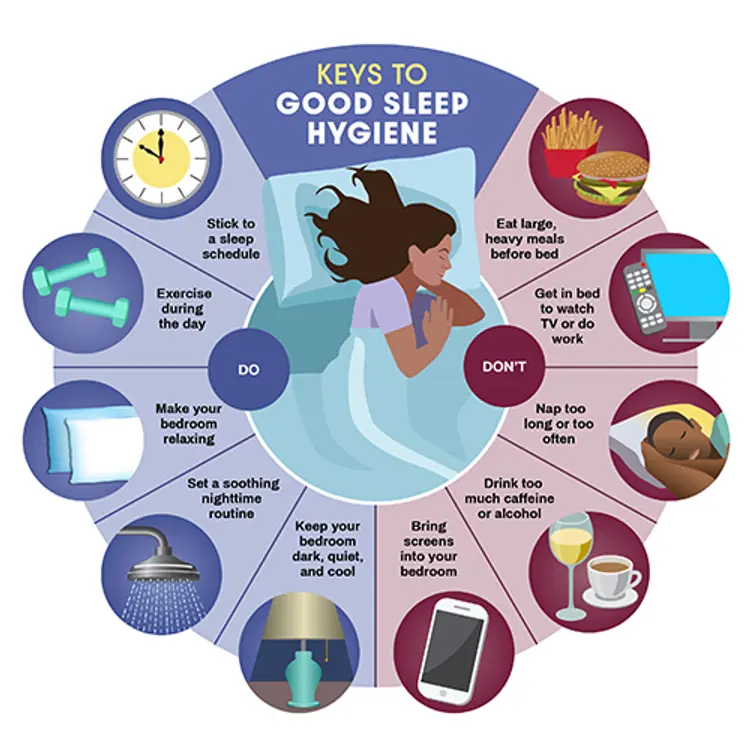
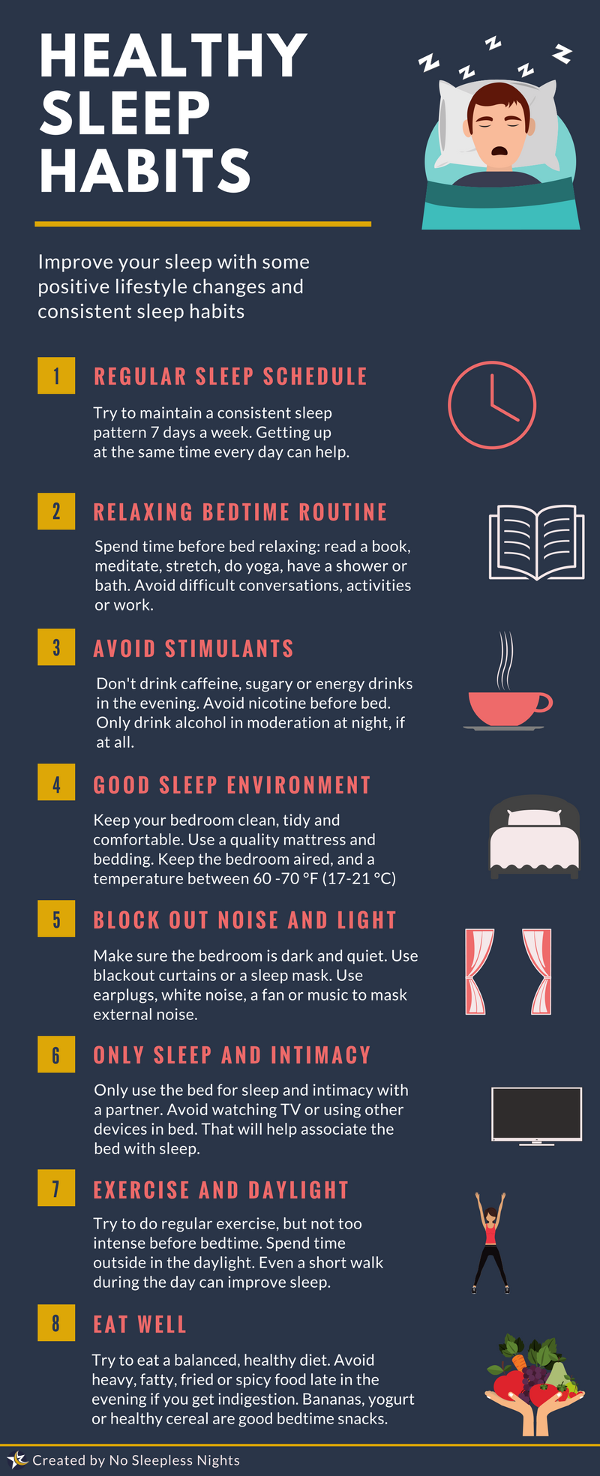
Go to bed and wake up at the same times every day, even on weekends. Regular timing strengthens your body’s internal clock (circadian rhythm) and makes falling asleep and waking easier.
2. Create a relaxing bedtime routine
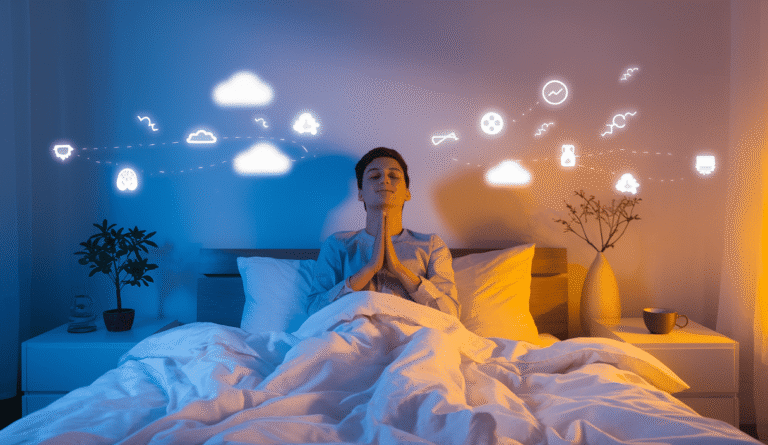
Do the same calming things before bed each night: light reading, gentle stretching, or breathing exercises. A predictable routine signals your brain it’s time to wind down.
3. Optimize your bedroom
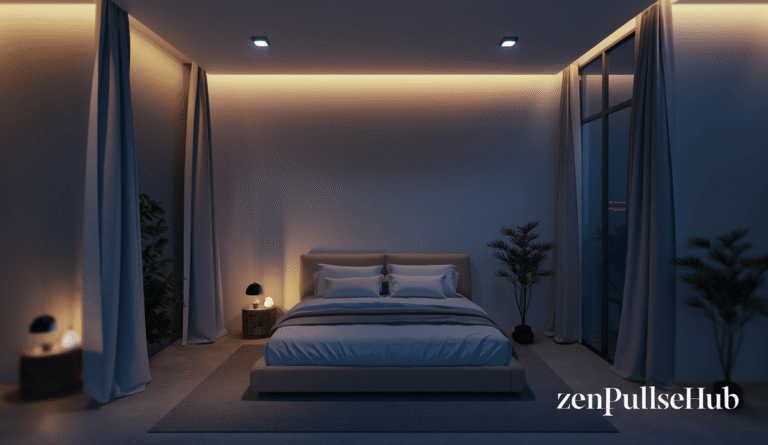
Make your bedroom a sleep-focused space. Keep it cool, dark, and quiet. Reserve the bed for sleep and intimacy to strengthen the mental connection between bed and rest.
:max_bytes(150000):strip_icc()/what-is-sleep-hygiene-5085887-FINAL-831b8421e75249f0952fbf4efb0adda7.png)
Daily habits that support sleep
Small daytime choices directly affect nighttime rest. Try these simple shifts:
- Get daylight in the morning. Natural light resets your circadian rhythm.
- Move your body. Regular exercise improves sleep quality — aim for earlier in the day when possible.
- Watch naps. Short naps (20–30 minutes) can restore energy, but long or late naps make night sleep harder.
Food, drink, and substances
What you consume matters. Avoid heavy meals late at night. Caffeine and nicotine are stimulants that can linger; try to stop caffeine at least 6–8 hours before bed. Alcohol might help you fall asleep but it fragments sleep later in the night.
For reliable guidance, read the practical tips from Harvard Health and the clear advice on how to structure meals and avoid substances before bed from the CDC.
Bedroom setup: make it sleep-friendly
Investing a little time into your bedroom setup pays big dividends:
- Use blackout curtains or a sleep mask to block light.
- Keep the room cool — about 60–67°F (15–19°C) is often ideal.
- Reduce noise with earplugs or white-noise machines.
- Choose a mattress and pillow that support your preferred sleep position.
Light, screens, and timing
Blue light from phones and laptops suppresses melatonin, the hormone that helps you fall asleep. Dim bright lights and put screens away 60–90 minutes before bed. If you must use devices, use night mode or blue-light filters and lower screen brightness.
When sleep problems persist
Everyone hits a rough patch. If poor sleep lasts more than a month, or you suspect a sleep disorder (like sleep apnea or insomnia), consult a healthcare professional. Ongoing use of sleeping pills can lead to dependence and may interfere with forming healthy habits — the CCI sleep information sheet discusses risks and alternatives.
Quick checklist: nightly routine
- Same bedtime and wake time.
- Wind down for 30–60 minutes before bed.
- Turn off bright screens; dim lights.
- Avoid heavy food, caffeine, and alcohol before bed.
- Keep your bedroom cool, dark, and quiet.
Practical 30-day plan to build good sleep hygiene
Start with small, consistent changes over a month:
- Week 1: Fix your wake time. Wake at the same time every day for 7 days.
- Week 2: Set a bedtime that gives you 7–9 hours and begin a 30–60 minute wind-down routine.
- Week 3: Optimize the bedroom — blackout curtains, lower temperature, reduce noise.
- Week 4: Tweak nutrition and screen habits — stop caffeine earlier, limit screens 60 minutes before bed.
Track progress in a simple sleep journal: bed time, wake time, sleep quality (1–5), and notes on caffeine, naps, or late-night stressors.
Tools and resources
There are excellent evidence-based resources to guide you further:
- Sleep Foundation — practical steps to build habits and optimize sleep environment.
- Harvard Health — expert-backed sleep hygiene tips and lifestyle advice.
- CDC on sleep — straightforward recommendations like consistent schedules and cool, quiet bedrooms.
- Healthline — handy list of 12 steps you can start today.
 Source: www.airforcemedicine.af.mil
Watch: practical tips in action
Common myths about sleep
Myth: I can catch up on sleep on weekends
Catching up helps a little, but large swings in schedule confuse your circadian rhythm. Consistency beats big weekend recovery naps.
Myth: Alcohol helps sleep
Alcohol can make you drowsy initially, but it fragments sleep in the second half of the night. Avoid it close to bedtime.
Final tips for long-term success
Be patient and consistent. Most habit changes need at least a few weeks to show real improvement. Track what you try and how it affects sleep. If you still struggle after consistent effort, speak with a clinician — they can check for underlying conditions like sleep apnea or insomnia and suggest targeted treatment.
Good sleep hygiene isn’t about perfection; it’s about reliable habits you can sustain. Use the resources linked above to dig deeper and tailor a plan that fits your life.
Frequently asked questions
How long does it take to see results from better sleep habits?
Most people notice improvements within 2–4 weeks of consistent changes. Some adjustments, like fixing your sleep schedule, can help within days; deeper issues may take longer and could need professional support.
Is it okay to nap during the day?
Short naps (20–30 minutes) can boost alertness without harming nighttime sleep. Avoid long or late-afternoon naps if you have trouble falling asleep at night.
Can exercise help if I have trouble sleeping?
Yes. Regular moderate exercise improves sleep quality. Aim to finish intense workouts at least a few hours before bedtime to avoid overstimulation.
When should I see a doctor about sleep problems?
See a healthcare provider if sleep problems last more than a month, if you feel extremely sleepy during the day, or if a partner notices snoring, gasping, or pauses in breathing (possible sleep apnea).
Ready to sleep better? Start with one habit today — pick a consistent wake time and build from there. For more guides and practical checklists, explore other posts on zenpulsehub.com. Sweet dreams!