how to fall asleep quickly when you’re not tired: Fast Tips
Struggling to sleep even when you want to? In this guide you’ll learn simple, research-backed ways on how to fall asleep quickly when you’re not tired. These methods are practical, easy to try tonight, and written for busy people aged 20–45 who need faster, calmer sleep without hours of tossing and turning.
Why you can’t fall asleep when you don’t feel tired
There are a few common reasons your body won’t switch off even when you want it to. Often it’s not about willpower. It’s about your sleep cues being muted or overridden by daytime habits. Light exposure, late screens, stress, and irregular schedules all push your brain out of sleep mode.
Before we dive into step-by-step tactics, know this: small, consistent changes help more than drastic, rare hacks. Use the tips below in a routine and combine techniques for best results.
How to fall asleep quickly when you’re not tired: 6 fast strategies
This section lists practical strategies you can use tonight. Apply one or two, then add more over a week.
1. Reset your environment for sleep
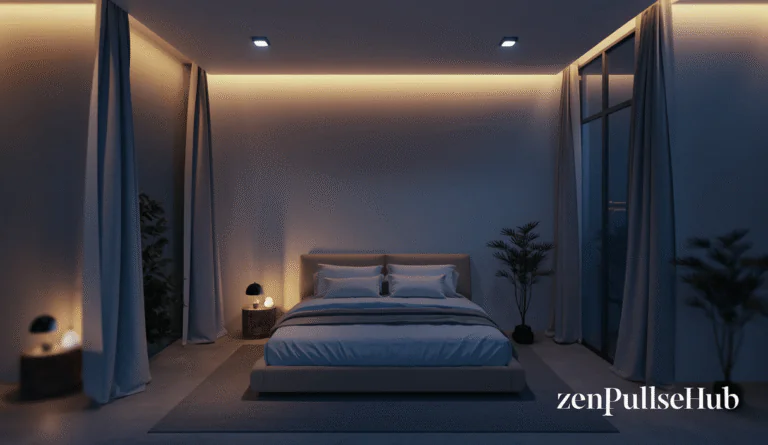
Your bedroom should send a clear signal: it’s time to rest. Make quick changes that tell your brain to slow down.
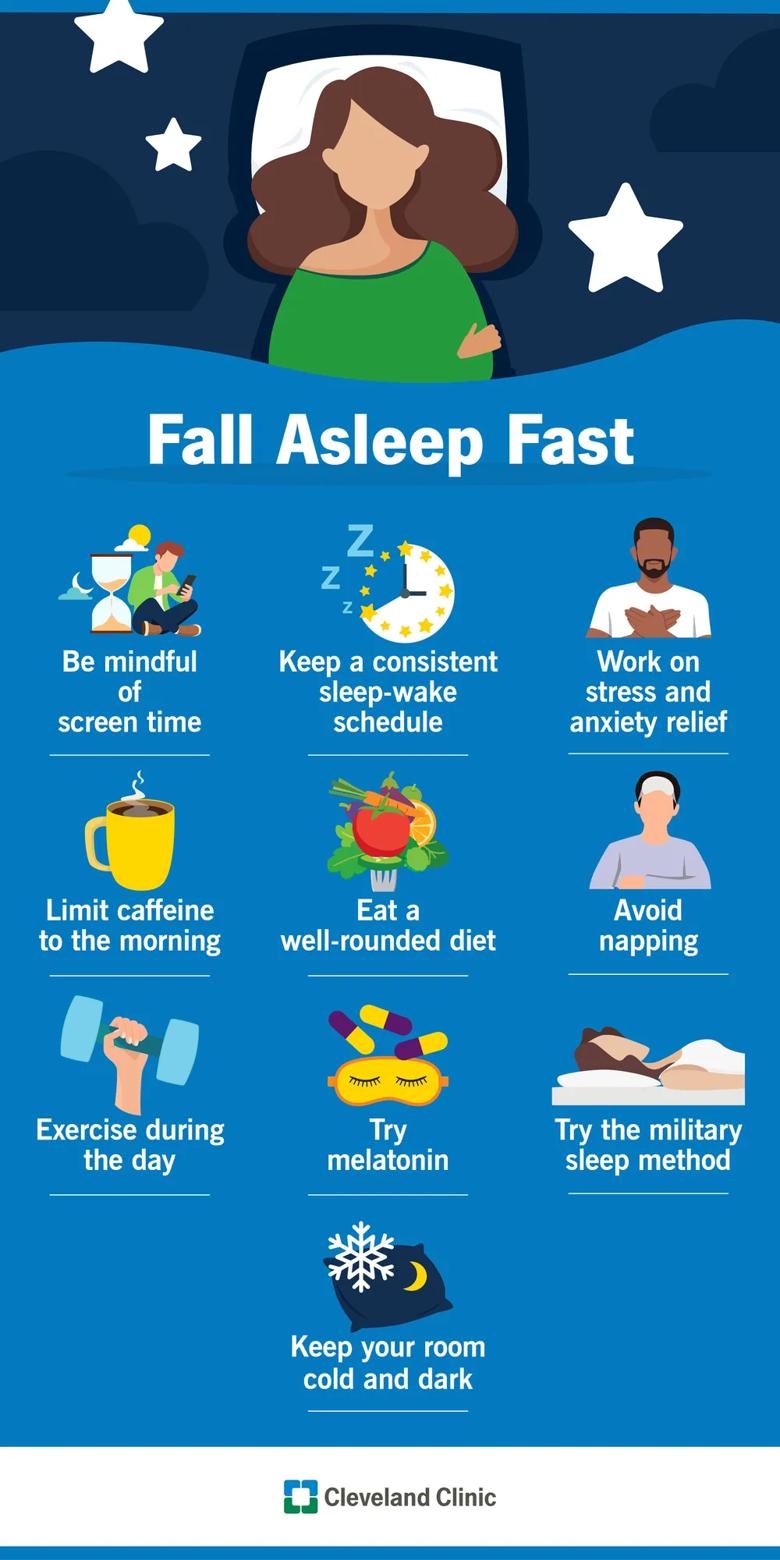
- Darken the room: Use blackout curtains or an eye mask. Darkness raises melatonin and helps you feel sleepier faster. A Reddit thread about real-life hacks recommends making your room as dark as possible to help the eyes and mind wind down (see their tip for pitch-black rooms here).
- Lower the temperature: Aim for about 60–67°F (15–19°C). A cool room helps you fall asleep faster.
- Quiet or gentle soundscape: White noise, fan hum, or a calm ambient track can mask jarring noises.

2. Use quick relaxation rituals that actually work
When you’re not sleepy, your nervous system is often too active. Try a short routine to flip the switch:
- Progressive muscle relaxation (5–10 minutes): Tense each muscle group for 5 seconds, then relax. Move from toes to head.
- 4-7-8 breathing: Exhale fully, inhale 4 seconds, hold 7 seconds, exhale 8 seconds. Repeat 4 cycles. The Sleep Foundation highlights breathing techniques like this to calm the body quickly.
- Guided imagery: Imagine a slow scene—walking on soft sand, feeling the breeze. Keep images simple and steady.
3. Try a deliberate ‘cognitive drift’ instead of counting sheep
Counting can increase tension. Use a non-demanding mental task that reduces pressure to sleep:
- Silently name safe, simple objects in a room in alphabetical order.
- Visualize a slow, repetitive motion—like a pendulum or a slow train passing—without analyzing it.
4. If you’re wired, get up and do something low-stimulus
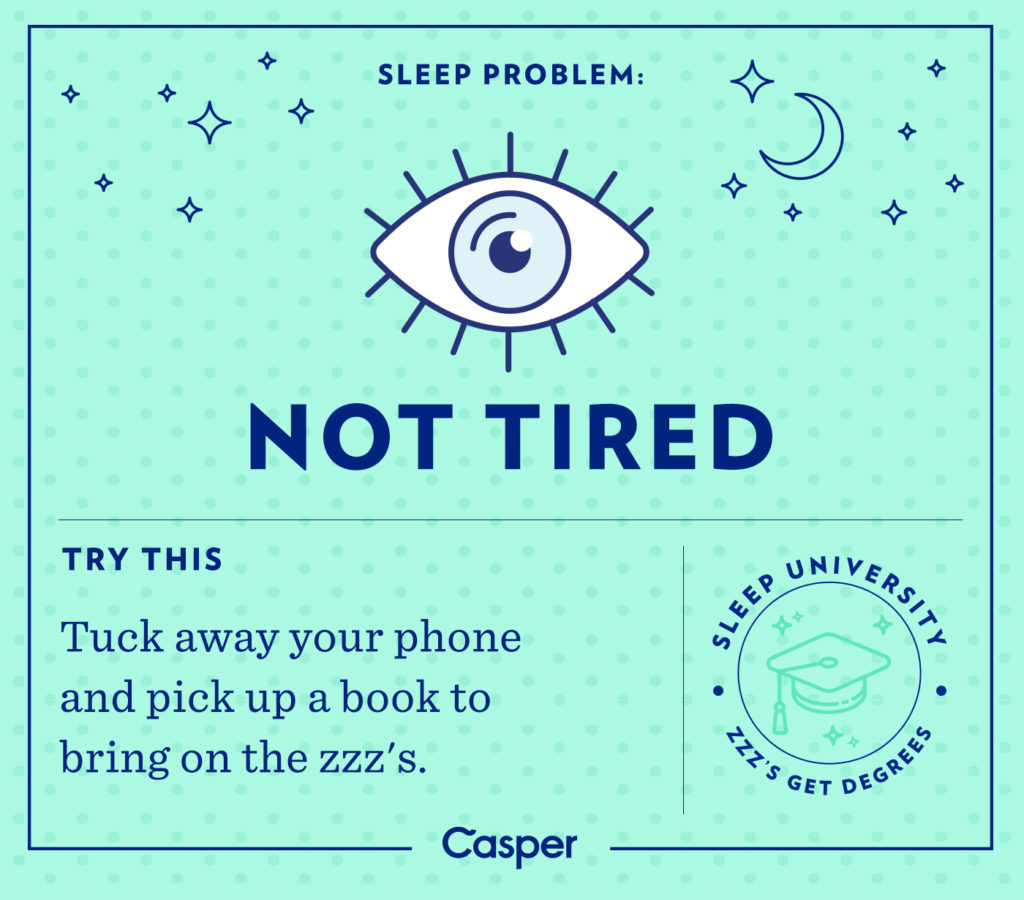
Trying harder to sleep often backfires. If you’ve been awake 20 minutes, get up for 10–15 minutes and do a calm activity under dim light — read a boring book, fold socks, or write a short to-do list for tomorrow. The NHS advises not to force sleep: if lying awake, do something relaxing until you feel sleepy again (NHS).
5. Use short-term sleep aids wisely
Some tools can help in the moment, but use them thoughtfully:
- Magnesium or herbal tea: A small magnesium supplement or caffeine-free chamomile can be calming for some people.
- Melatonin (low dose): Short-term use can help when your sleep schedule is off. Discuss with a clinician first.
- Avoid alcohol and heavy foods: They may make you feel drowsy but fragment sleep.

6. Build a simple sleep cue routine
A reliable pre-sleep routine trains your brain to expect sleep. Keep it short and consistent (20–30 minutes):
- Dim lights and turn off screens.
- Brush teeth, wash face, change into comfortable clothes.
- Do a 5-minute breathing or relaxation exercise.
- Get in bed only when you feel relaxed and mildly sleepy.
Over time, these cues make it easier to fall asleep fast, even on nights when you’re not obviously tired.

Short guided routine you can try right now
Follow this 15-minute plan tonight. It uses relaxation and low-stimulus behavior so you can test what helps the most.
- Minute 0–2: Turn lights to very dim, stop screen use, and set a gentle white-noise machine or fan.
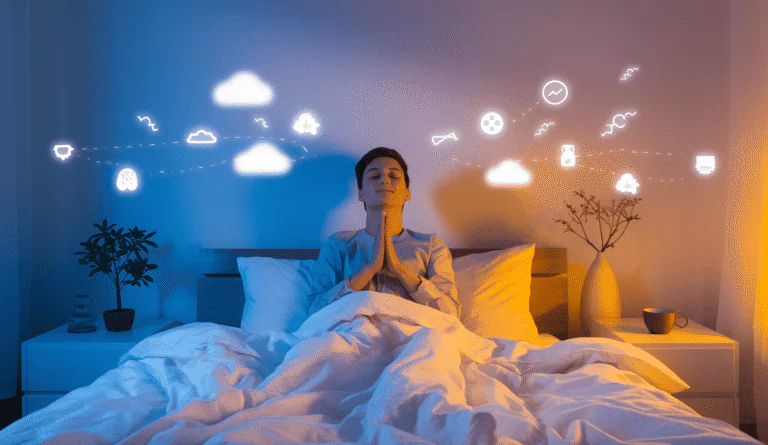
- Minute 2–7: Sit on the bed and do 4-7-8 breathing for 4 rounds.
- Minute 7–12: Progressively tense and relax muscle groups from toes to jaw.
- Minute 12–15: Visualize a calm scene; keep breath slow and even. If not sleepy, get up for 10 minutes and read under dim light.
Science-backed tips and extra reading
If you want more techniques and the research behind them, these resources are helpful:
- The Healthline guide summarizes relaxation and behavioral tips for falling asleep faster.
- The Sleep Foundation highlights breathing exercises like the 4-7-8 technique that many find effective.
- For advice on what to do when you can’t sleep, read Sleep Foundation’s practical strategies (what to do when you can’t sleep).
When to worry and when to get help
If sleepless nights become frequent or you feel daytime fatigue that affects work and mood, talk to a healthcare provider. Persistent insomnia may benefit from cognitive behavioral therapy or a medical review. The NHS suggests avoiding forcing sleep and seeking help if problems persist (NHS guidance).
Extra quick tips and troubleshooting
Here are small adjustments that help many people fall asleep faster when they’re not tired:
- Limit naps: Keep naps to 20–30 minutes earlier in the day.
- Consistent wake time: Get up at the same time daily to strengthen your circadian rhythm.
- Reduce evening blue light: Use night mode on devices or blue-light glasses.
- Keep a worry pad: If your mind races, jot two short notes: 1) a plan for tomorrow, 2) one sentence that reassures you it can wait.
Watch: A calming sleep routine
Here’s a short video that walks through breathing and relaxation steps you can follow in bed:
Try the routine in the video alongside the breathing and relaxation steps above for a compounded effect.
Practical evening checklist
Print or screenshot this short checklist to use each night:
- Lights dimmed 30 minutes before bed
- No screens 20 minutes before bed
- 5 minutes breathing + 5 minutes muscle relaxation
- Bed used for sleep only
How often should you use these strategies?
Use them nightly for best results. You can also keep a sleep log: note which tactics helped. Over two to four weeks you should notice faster sleep onset and fewer nights where you lie awake despite wanting to sleep.
How to fall asleep quickly when you’re not tired isn’t usually about one magic trick. It’s about stacking small, calming actions: environment, breathing, and low-stimulus behavior. Give the routine a few nights and refine what works for you.
Frequently asked questions
Can breathing techniques really help me fall asleep?
Yes. Controlled breathing slows heart rate and signals the nervous system to relax. Techniques like 4-7-8 are simple and often help people fall asleep faster. For more breathing options, the Sleep Foundation covers these methods in detail (Sleep Foundation).
What if I get anxious while trying to sleep?
Don’t force sleep. Get up and do a calm activity under dim light. Try writing a short worry list, then set it aside. If anxiety persists, consider talking to a clinician about cognitive behavioral approaches.
Are naps ruining my ability to fall asleep at night?
Long or late naps can reduce evening sleep drive. Keep naps to 20–30 minutes and earlier in the afternoon to preserve nighttime sleepiness.
Which quick hacks people share online are actually useful?
Simple things like making your room very dark, consistent wake times, and relaxation exercises are practical and commonly recommended. Many people on forums (like Reddit) recommend pitch-black rooms as an effective quick change (see user tips).
Ready to try these tonight? Start with environment and one relaxation technique. Track what helps. For more guides and practical routines, explore other articles on zenpulsehub.com.