
How to Read Supplement Labels: A Practical Guide
How to Read Supplement Labels is a skill everyone buying vitamins or herbal products should have. Reading labels helps you pick the right dose, avoid unwanted additives, and match supplements to your health goals. This guide breaks the label into small, clear steps so you can shop with confidence.

Why learning How to Read Supplement Labels matters
Supplements are easy to buy but not all are equal. A label is the product’s roadmap. If you know how to read it, you can avoid low-quality items, learn exact dosages, and spot red flags like hidden fillers or misleading claims. Use this guide to cut through the marketing and focus on the facts.
How to Read Supplement Labels: Key Parts
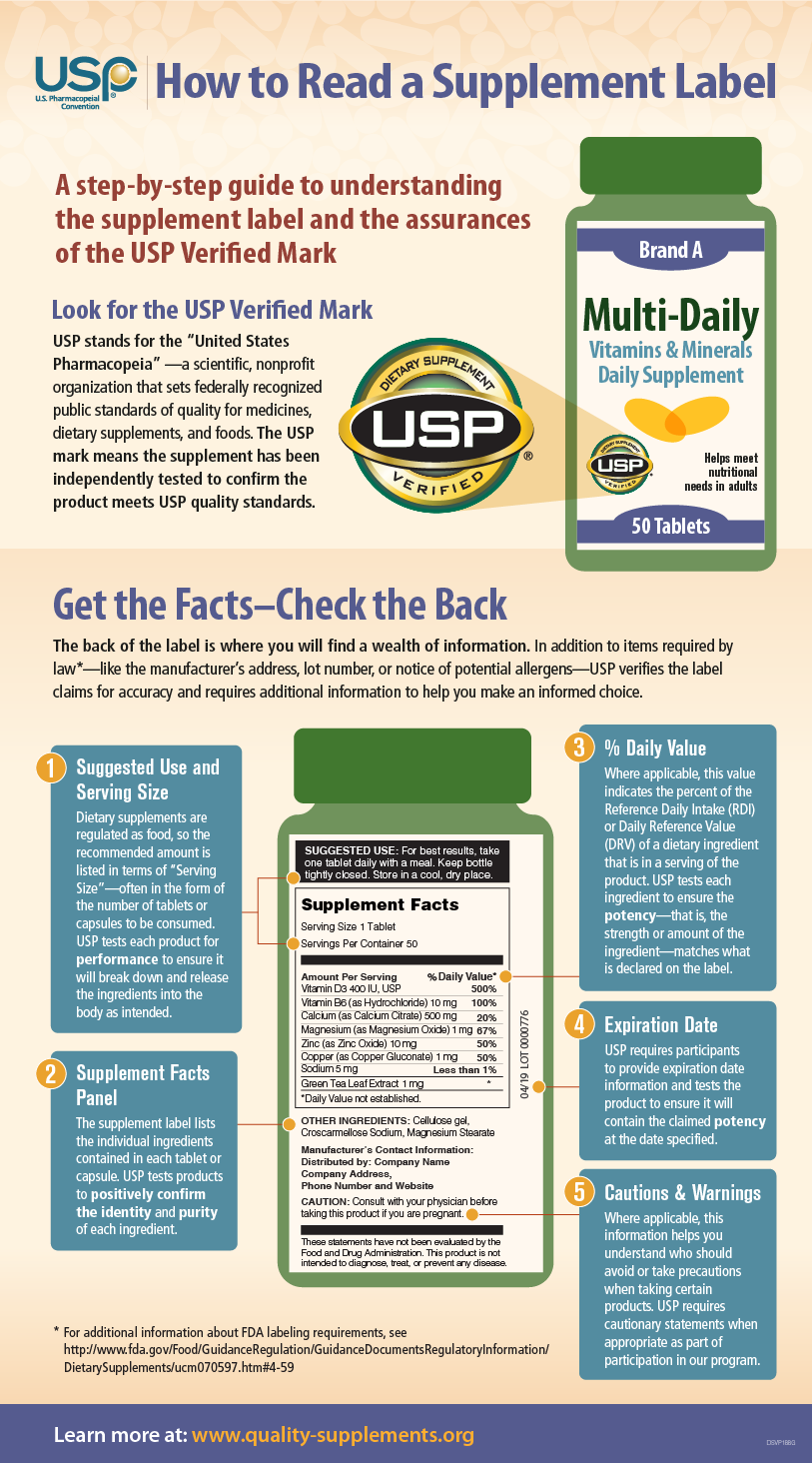
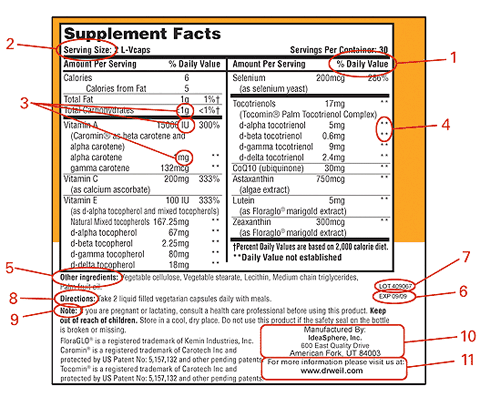
Most supplements sold in the U.S. must include a Supplement Facts panel. That panel gives you the critical details. Below are the parts you will see and what each one means.
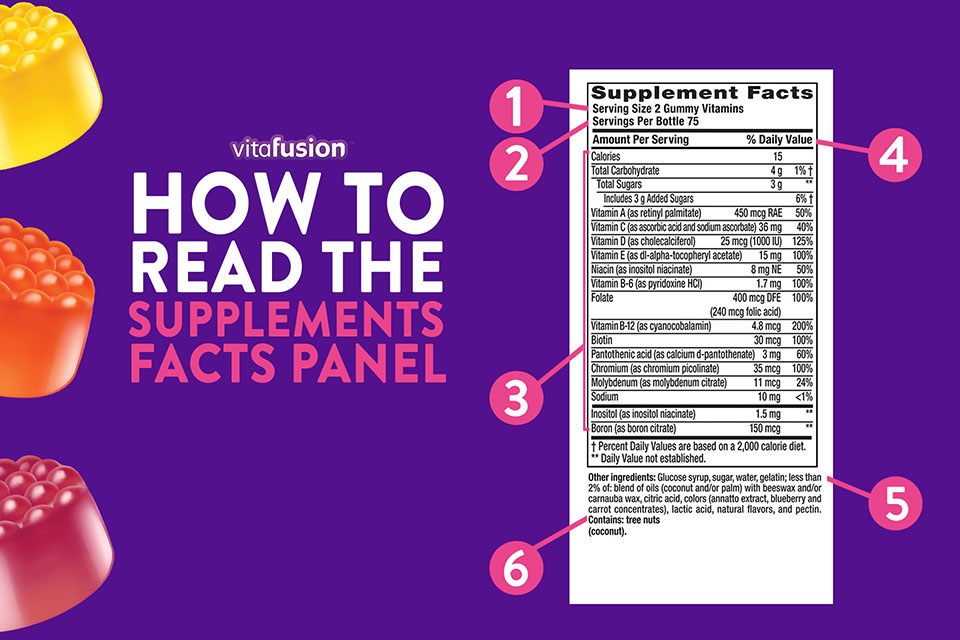
1. Serving size and servings per container
Start here. The serving size tells you how much to take at once. If you eat or take more than the serving size, you multiply everything on the label. For example, if the serving is one capsule and you take two, you double the dose and calories listed.
2. Amount per serving
This line lists how much of each nutrient or ingredient is contained in a single serving. Pay attention to units—milligrams (mg), micrograms (mcg), international units (IU), or grams (g). These units change what the number means.
3. % Daily Value (%DV)
Percent Daily Value helps you see how a supplement contributes to your daily needs. A high %DV (close to or above 100%) means that one serving provides a large portion of your daily requirement. For vitamins and minerals, the %DV is based on general population guidelines.
4. Active and inactive ingredients
The label separates active ingredients (those providing the benefit) from inactive ingredients (fillers, binders, coatings). If you’re sensitive to certain additives, check the inactive list carefully.
5. Proprietary blends
Some products show a ‘proprietary blend’ with a total weight but not the exact amounts of each ingredient. This can hide low amounts of key ingredients. If you need a specific dose—for example, 500 mg of turmeric extract—prefer labels that list exact amounts.
Step-by-step: Check a label before you buy
Follow these steps in order. They make label reading quick and practical.
- Step 1: Confirm the serving size and calculate how many servings you plan to take each day.
- Step 2: Check amounts per serving for the ingredients you care about.
- Step 3: Look at the %DV for vitamins and minerals to see if the product offers low, moderate, or high amounts.
- Step 4: Scan the ingredient list for fillers, allergens, or sugar alcohols you may want to avoid.
- Step 5: Avoid vague ‘proprietary blends’ when you need a specific dose.
Ingredient examples that matter
Some ingredients are effective only at certain doses. If a label lists a tiny amount, it might not work. For example:
- Vitamin D: 600–800 IU is common; some people need higher doses, especially in winter.
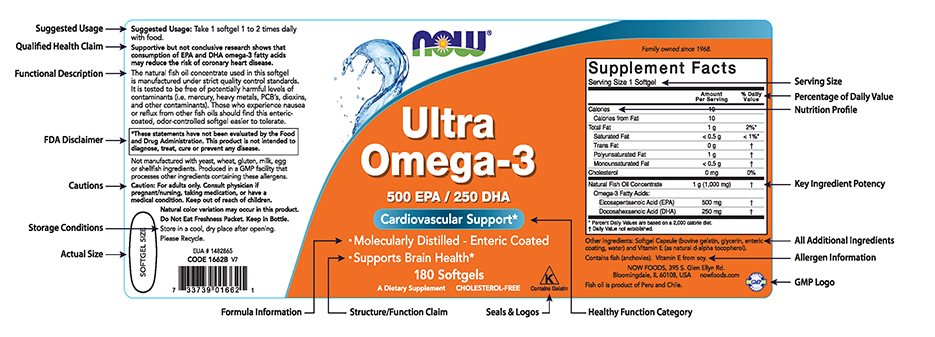
- Omega-3 (EPA+DHA): Look for at least 250–500 mg combined for general support, more for specific health goals.
- Turmeric/curcumin: Effective extracts often show standardized curcumin content; look for clinically studied doses.
Safety clues to look for
Labels can tell you a lot about safety. Watch for these items:
- Allergen statements: “Contains soy” or “manufactured in a facility that processes nuts” matter if you have allergies.
- Warnings and directions: Follow the label directions and heed warnings about pregnancy, children, or drug interactions.
- Expiration or lot number: A clear expiration date or lot code suggests quality control.
- Dosage alerts: If the product requires multiple pills per serving to reach the stated dose, flag that mentally when comparing cost and convenience.
Regulation and claims
Supplements are regulated differently than drugs. Labels cannot legally claim to diagnose, treat, cure, or prevent diseases. If a product makes medical claims, be cautious. For authoritative label rules, check the U.S. Food and Drug Administration guidance on reading nutrition and supplement labels (FDA: understand and use Nutrition Facts).
How to Read Supplement Labels when comparing brands
Comparing labels is a fast way to spot value and quality. Use these questions:
- Does one product provide the active ingredient dose you need in fewer pills?
- Are ingredients listed by specific forms (e.g., ‘methylcobalamin’ vs. ‘vitamin B12’)? More specific is better.
- Does the product list third-party testing or certifications? Independent testing (USP, NSF, ConsumerLab) adds credibility.
Quality resources like Quality Matters: How to read supplement label explain why exact doses and testing are important. The Council for Responsible Nutrition also offers practical label guidance (CRN: How to read supplement label).
Common label traps
Watch for marketing tricks:
- Colorful claims like “supports energy” without clear ingredient amounts.
- Celebrity endorsements instead of scientific backing.
- Unclear terms like “natural” that aren’t regulated strictly.
How to Read Supplement Labels: Practical checklist
Use this short checklist while shopping or before taking a product:
- Check serving size and calculate daily dose.
- Verify active ingredient amounts match clinical doses.
- Look for %DV for vitamins and minerals.
- Avoid unknown proprietary blends for key ingredients.
- Read the inactive ingredients for allergens or unwanted additives.
- Search for third-party testing seals or batch numbers.
Watch this quick video: How to Read Supplement Labels
Below is a short walkthrough that shows the label parts in real time. It’s a great visual companion to this guide.
Where to find trustworthy label help online
For more reading and official guidance, check these links:
- Quality Matters: How to read supplement label — explains the Supplement Facts panel and labeling rules.
- FDA: How to understand and use Nutrition Facts — clear rules about nutrition labeling that also help you read supplement facts.
- Healthline: How to read supplement labels — a practical consumer-friendly guide with examples.
- CRN: Dietary supplement label tips — quick tips from the Council for Responsible Nutrition.
- CNET: Learn how to read supplement labels — easy shopping tips and red flags to avoid.
How to Read Supplement Labels: Quick examples
Two quick scenarios to make this real:
Example A — Multivitamin
If a multivitamin lists 100% DV of most vitamins per serving but the serving size is two tablets, you must take both to get those amounts. If you only take one, you’ll get half the listed dose.
Example B — Fish oil
Look for the combined EPA+DHA amount. A fish oil bottle may list ‘1,000 mg fish oil’ but only ‘180 mg EPA + 120 mg DHA’. If your goal needs 500 mg combined, one 1,000 mg softgel may not be enough.
When to consult a health professional
Speak with a clinician if you:
- Take prescription medications (risk of interactions)
- Are pregnant, breastfeeding, or planning pregnancy
- Have a chronic condition or are on blood thinners
- Need high-dose vitamins for a diagnosed deficiency
Final tips and next steps
Learning How to Read Supplement Labels makes you a smarter shopper and a safer consumer. Start by checking serving size, active amounts, and %DV. Skip vague proprietary blends for key ingredients and favor clear labeling or third-party testing. When in doubt, ask a health professional.
Ready to learn more? Explore other practical guides on zenpulsehub.com to build healthier habits and smarter shopping skills.
Frequently Asked Questions
How much does serving size affect dose?
Serving size changes everything. If the label lists nutrients per serving and you take more than one serving, you multiply the dose. Always calculate your daily intake based on how many servings you actually take.
Are proprietary blends safe?
Proprietary blends are not inherently unsafe, but they hide exact amounts of ingredients. If you need a proven clinical dose of a specific ingredient, choose a product that lists exact amounts instead.
Do third-party seals matter?
Yes. Seals from organizations like USP, NSF, or ConsumerLab indicate independent testing for purity and label accuracy. They add confidence in a product’s quality but do not guarantee effectiveness.
Can supplements interact with medicines?
Yes. Some supplements, like St. John’s wort or high-dose vitamin K, can affect prescription drugs. Always tell your healthcare provider about supplements you take.