


How to reduce cortisol level in woman
How to reduce cortisol level in woman is a common question for women juggling work, family, and health. Cortisol is a stress hormone that affects sleep, weight, mood, and energy. In this guide you’ll find clear, practical steps to lower cortisol through lifestyle, diet, exercise, and targeted habits that are easy to start today.
How to reduce cortisol level in woman: quick overview
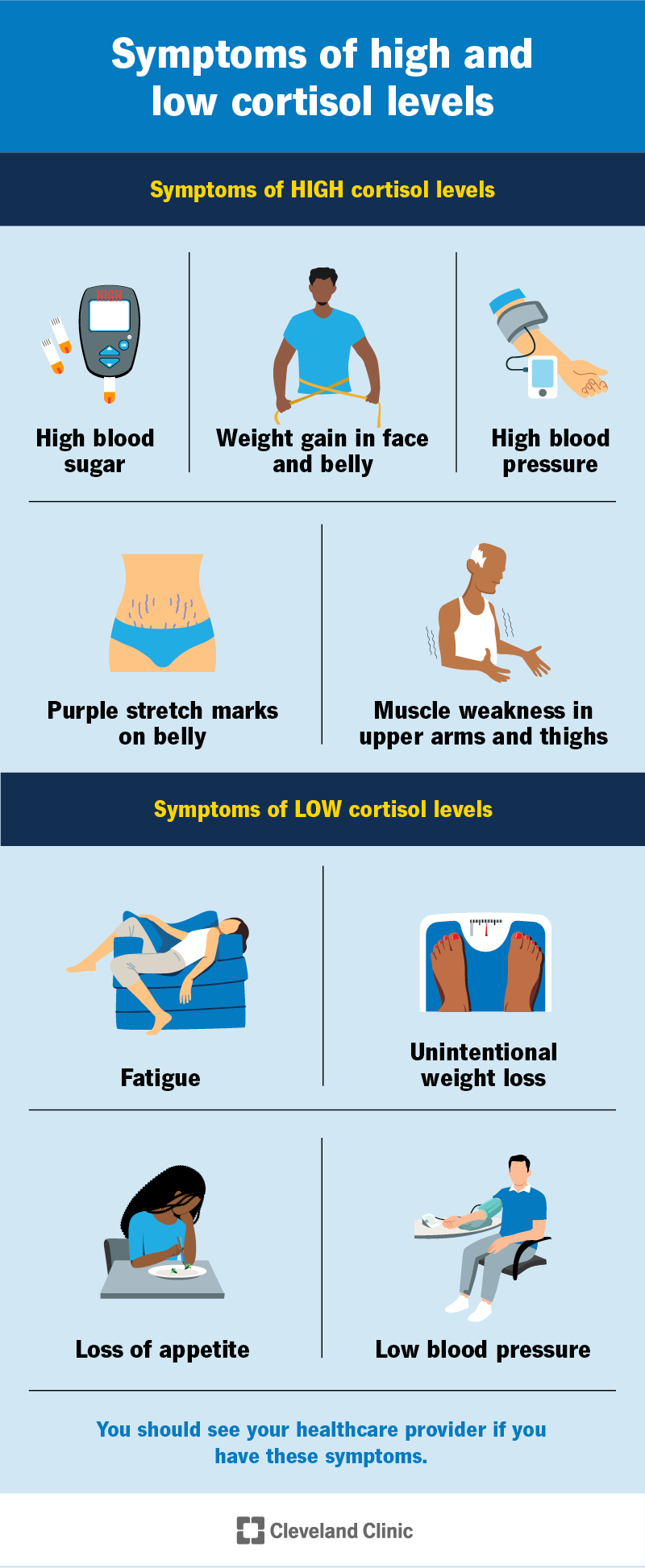
Cortisol spikes in response to stress and helps your body adapt to immediate challenges. But when levels stay high for long periods, it can cause weight gain, sleep problems, mood issues, and metabolic changes. This post lays out evidence-backed habits you can adopt: sleep hygiene, movement, nutrition, stress-reduction techniques, and when to seek medical help.
Lifestyle changes that lower cortisol
Small, consistent lifestyle shifts have the biggest long-term impact. Start with these easy-to-implement routines.
1. Prioritize quality sleep
Poor sleep raises cortisol. Aim for 7–9 hours nightly and keep a consistent bedtime. Try a wind-down routine: dim lights, avoid screens 60 minutes before bed, and limit late-night caffeine.
2. Move your body — but balance intensity
Regular exercise lowers stress hormones overall, but very high-intensity training can temporarily raise cortisol. Choose a mix: moderate cardio, strength training, and restorative activity like yoga or walking.
- Best picks: brisk 30-minute walks, resistance training 2–3 times a week, and gentle yoga to down-regulate the nervous system.
- Avoid long bouts of exhausting exercise if you’re already stressed or not sleeping well.
Diet and supplements to support healthy cortisol
What you eat matters. Food affects blood sugar and inflammation, both linked to cortisol regulation.
Key diet tips
- Eat balanced meals with lean protein, whole grains, healthy fats, and plenty of vegetables to stabilize blood sugar.
- Limit high-sugar, highly processed foods that spike insulin and stress hormones.
- Watch caffeine — for many women, too much coffee raises cortisol. Consider reducing intake or shifting to afternoon-free consumption.
- Stay hydrated — even mild dehydration can increase perceived stress.
For a deeper read on diet and cortisol, see reputable sources such as Healthline, which summarizes ways to lower cortisol through nutrition and lifestyle: Healthline: Ways to Lower Cortisol.
Supplements (use with a provider)
Some supplements can help lower cortisol when used sensibly:
- Fish oil (omega-3s): linked to reduced stress responses.
- Phosphatidylserine and ashwagandha: studied for cortisol reduction, though results vary.
- Magnesium and B vitamins: support nervous system resilience.
Always discuss supplements with your clinician — especially if you take medications or have health conditions.
Stress-management practices that work
Reducing daily stress is central to lowering cortisol. These techniques are practical and backed by research.
Deep breathing and short practices
Slow diaphragmatic breathing lowers heart rate and cortisol. Try a simple pattern: inhale for 4, hold 1, exhale for 6 — repeat for 3–5 minutes.
Mindfulness, meditation, and grounding
Short daily meditation, progressive muscle relaxation, or mindful walking reduce reactivity to stress. These practices retrain your nervous system to be calmer under pressure.
Social connection and boundaries
Strong relationships and clear boundaries at work and home reduce chronic stressors. Say no when needed and schedule regular social time that replenishes you.

Daily routine sample to lower cortisol
Here’s a simple daily structure you can adapt. Following a predictable routine helps regulate hormones.
- Morning: wake around the same time, sunlight exposure for 10–20 minutes, protein-rich breakfast, gentle movement (walk or stretching).
- Midday: balanced lunch, 10-minute breath or walking break, limit caffeine after noon.
- Afternoon: short restorative break (nap or meditation if needed), light snack with protein and fiber.
- Evening: wind-down routine, screen-free time, light dinner, calming activity (reading, warm bath).
Medical causes and when to see a doctor
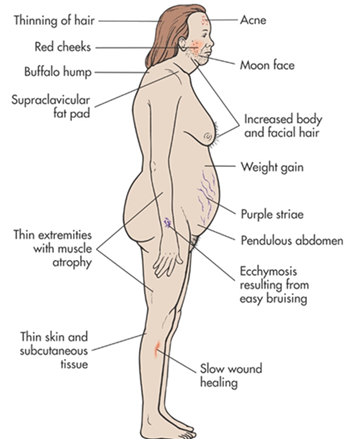
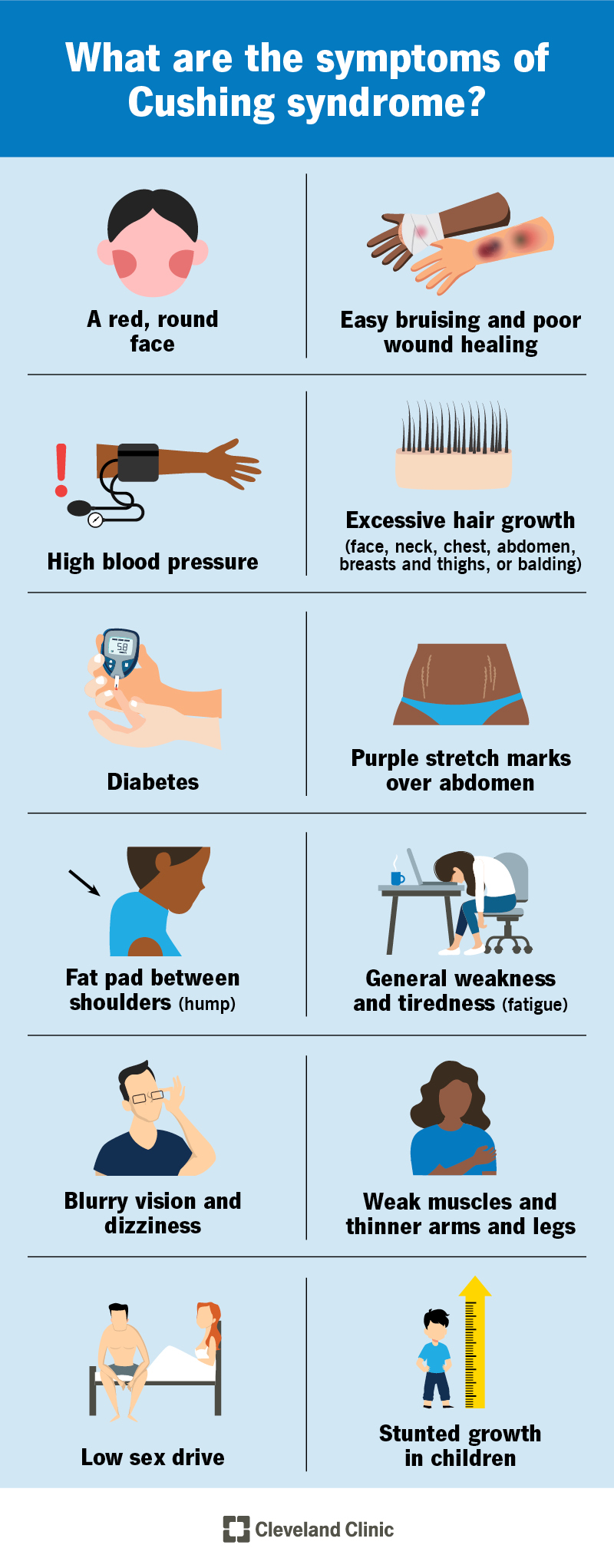
Chronic high cortisol can come from prolonged stress or medical conditions like Cushing syndrome. If you notice significant symptoms — rapid weight gain in the trunk and face, purple stretch marks, unexplained fatigue — seek medical evaluation.
Trusted medical sources explain symptoms and testing for cortisol imbalances. Read more from the Cleveland Clinic on what high cortisol may look like: What are the symptoms of high cortisol levels? and Cushing Syndrome: Causes, Symptoms & Treatment.
Other practical tips and evidence-backed tactics
- Reduce alcohol: alcohol can disrupt sleep and raise cortisol long term.
- Manage screen time: blue light at night affects melatonin and stress hormones.
- Try adaptogens carefully: herbs like ashwagandha may help reduce cortisol but discuss with your clinician.
- Use guided practices: apps and short podcasts for mindfulness can be very effective in short daily doses.
Health systems offer practical guides to lowering cortisol through balanced diet and lifestyle. For example, Henry Ford Health and HCA Houston Healthcare outline simple steps such as whole-food choices, breathing, and limited caffeine: How To Lower Your Cortisol Levels — Henry Ford and HCA Houston Healthcare: 5 Ways to Lower Cortisol Levels.
Tracking progress and realistic expectations
Reducing cortisol is a marathon, not a sprint. Track sleep, mood, and energy rather than chasing a single number. Small wins — better sleep, fewer cravings, calmer reactions — matter more than day-to-day lab values.
When labs matter
If your clinician orders cortisol testing, results can help diagnose conditions like Cushing syndrome or adrenal insufficiency. But for most women, lifestyle changes bring measurable improvements first.
How to reduce cortisol level in woman — practical checklists
Use these quick checklists to start today. Revisit them weekly and pick one new habit each week.
Daily checklist
- 7–9 hours sleep, consistent schedule
- Protein at breakfast and balanced meals
- 15–30 minutes of movement
- 2–5 minutes of breathwork twice daily
- Limit caffeine after noon
Weekly checklist
- Two strength sessions and two restorative sessions
- One social activity that feels nourishing
- Try one new stress-reduction habit (meditation, therapy, or journaling)
Across the post you’ll find multiple references to how to reduce cortisol level in woman. Repeating these strategies consistently is the most reliable path to change. If lifestyle adjustments aren’t enough, work with your healthcare provider to assess for medical causes and safe treatments.
When to seek help
Contact your clinician if you have severe or rapidly developing symptoms such as extreme weight gain, persistent fatigue, or new skin changes. Medical conditions like Cushing syndrome require testing and specialized care. For guidance on symptoms and next steps, see the Cleveland Clinic summary linked above and consult with your health provider.
Additional resources on supplements and herbs that may affect cortisol are available at GoodRx’s wellness section, which reviews how specific supplements may help: GoodRx: Reduce Cortisol.
Final practical reminders
- Be patient: hormonal balance takes time — expect weeks to months for big changes.
- Focus on habits: small, consistent actions beat occasional extremes.
- Get support: professionals, friends, and communities make change easier and more sustainable.
We covered why cortisol rises, practical daily routines, diet and supplement tips, stress-reduction techniques, and when to see a clinician. Remember: learning how to reduce cortisol level in woman is about gentle, steady improvements you can maintain long term.
FAQs
What are common signs of high cortisol in women?
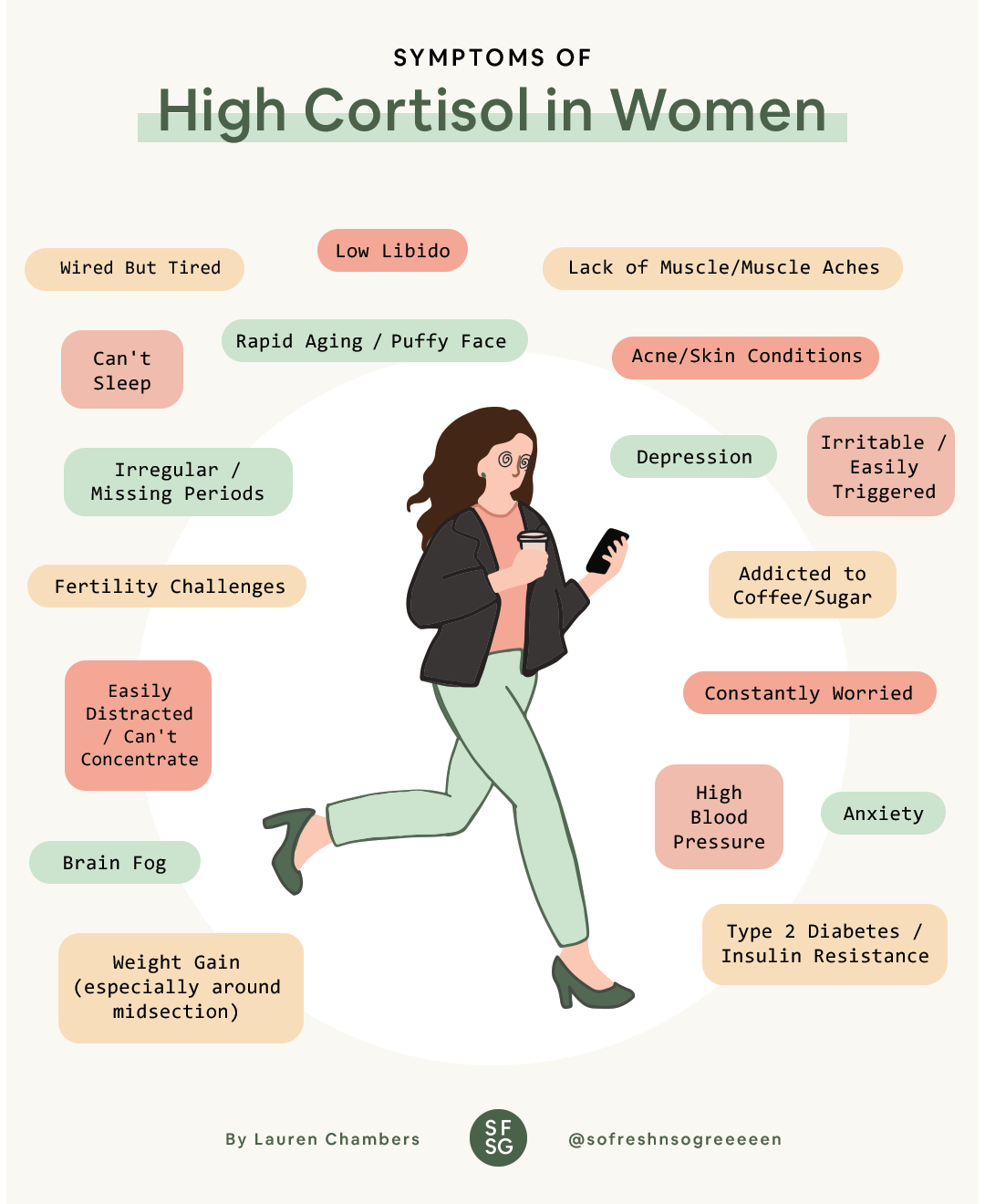
Common signs include weight gain around the belly and face, trouble sleeping, mood swings, high blood pressure, and increased sugar cravings. If you see several of these together, discuss testing with your clinician.
Can lifestyle changes really lower cortisol?
Yes. Consistent sleep, balanced nutrition, regular moderate exercise, and stress-management practices are proven to reduce cortisol responses over time.
Are there medical treatments for high cortisol?
In medical cases like Cushing syndrome, specific treatments and medications may be necessary. For most people with stress-related cortisol elevation, lifestyle and behavioral changes are the first-line approach.
How soon will I notice changes after making adjustments?
Some benefits — better sleep, calmer mood — can appear in days to weeks. Hormonal and metabolic improvements may take several weeks to months, depending on consistency and other health factors.
Ready to feel calmer and more balanced? Try one new habit today — a 5-minute breathing practice or a protein-rich breakfast — and build from there. For more step-by-step guides and wellness tips, explore more at zenpulsehub.com.