


Sleep Hygiene Advice: Better Sleep Tonight
Sleep hygiene advice matters more than many of us realize. Whether you’re juggling work, study, or social life, small, consistent changes to your daily habits and bedroom set-up can help you fall asleep faster and wake up more refreshed. This guide gives clear, practical steps you can use tonight — backed by trusted health sources and easy routines you can actually stick to.

Why follow sleep hygiene advice?
Good sleep hygiene helps your body build a reliable sleep-wake rhythm. That rhythm improves mood, focus, immunity, and long-term health. The benefits are simple: more energy during the day, quicker recovery from stress, and fewer late-night hours staring at the ceiling.
Core sleep hygiene advice you can start now
Below are clear habits and environmental tweaks proven to help many people sleep better. Adopt one or two changes at a time — consistency matters more than perfection.
1. Keep a consistent schedule
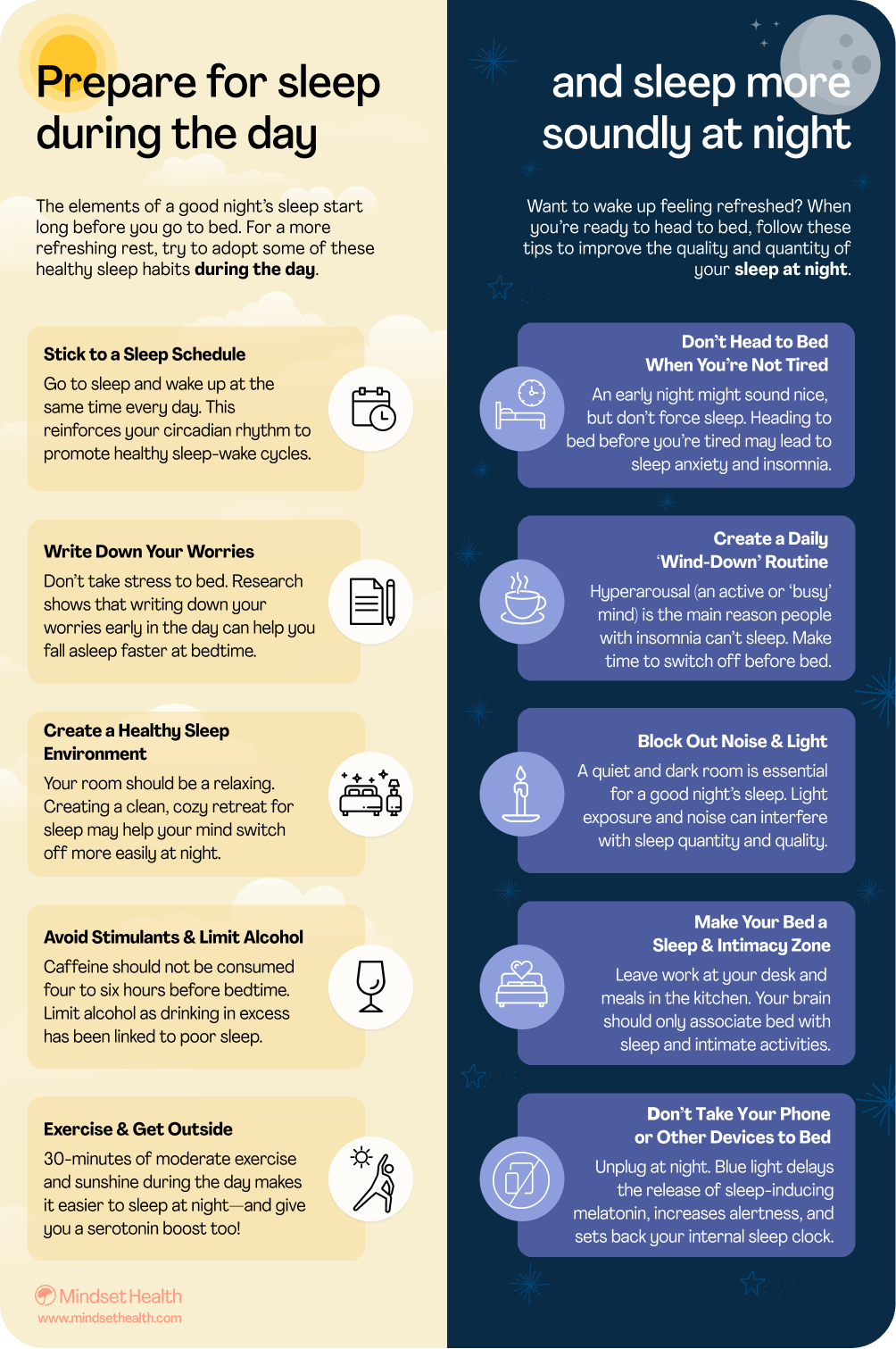
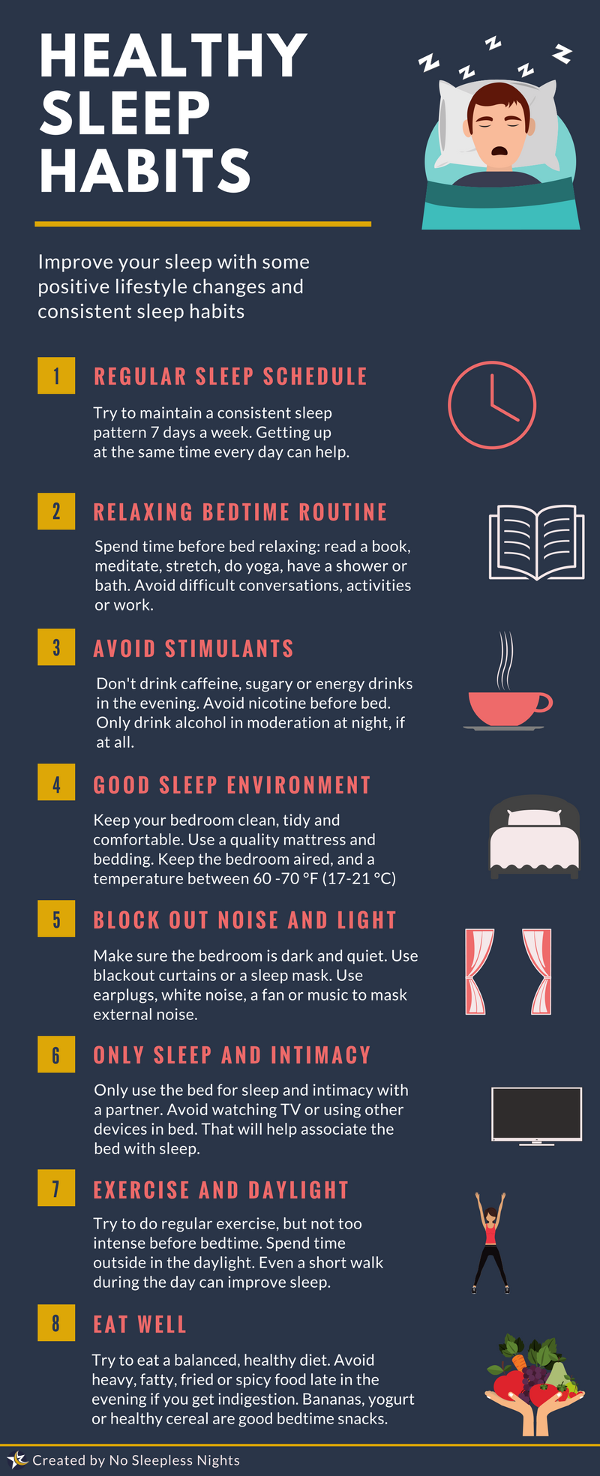
Go to bed and wake up at the same time every day, even on weekends. A consistent schedule trains your internal clock and makes falling asleep easier. For guidelines on establishing a routine, see the NHS advice on having a good sleep routine.
(See more on consistent schedules in this helpful overview from Harvard Health.)
2. Build a short, relaxing bedtime routine
Do the same relaxing activities every night: read, take a warm shower, do light stretching, or practice deep breathing. Keep it under 30 minutes so your brain learns this signals sleep. The Sleep Foundation recommends a nightly routine to help your body wind down.
3. Make your bedroom a sleep sanctuary
Your environment matters. Keep your bedroom cool, dark, and quiet. Reserve the bed for sleep and intimacy — avoid working, watching TV, or scrolling in bed. Simple changes — blackout curtains, earplugs, or a white noise app — can make a big difference.
Daily habits that support sleep hygiene advice
Daily choices shape how easily you fall asleep and how well you rest through the night. Use these practical habits:
- Limit caffeine after mid-afternoon. Caffeine can stay in your system for hours and make sleep harder.
- Limit alcohol before bed. Alcohol might make you drowsy but fragments sleep later in the night.
- Exercise regularly. Aim for daytime exercise — late-night intense workouts can delay sleep for some people.
- Watch naps. Short power naps (20–30 minutes) can help, but long or late naps reduce sleep pressure at night.
:max_bytes(150000):strip_icc()/what-is-sleep-hygiene-5085887-FINAL-831b8421e75249f0952fbf4efb0adda7.png)
4. Manage light exposure
Light strongly affects your circadian rhythm. Get bright daylight in the morning, and dim lighting in the evening. Limit screen use 60–90 minutes before bed or use a blue-light filter.
5. Use a sleep diary or tracker
Track what helps and what hurts your sleep: bedtime, wake time, naps, alcohol, caffeine, and how you felt in the morning. The CDC lists sleep-tracking ideas to help you see patterns and adjust habits.
Room-by-room: quick bedroom tweaks
These are simple, low-cost adjustments you can make right away:
- Cool the room to around 16–19°C (61–67°F) for better sleep.
- Use blackout curtains or an eye mask to block streetlight.
- Replace harsh lights with warm bulbs in the evening.
- Invest in a comfortable mattress and pillows — small improvements in comfort pay big dividends.
Practical tips for common sleep problems
Can’t fall asleep?
Try a short, calming ritual: dim the lights, do a 10-minute breathing exercise, and read something light. If you’re still awake after 20 minutes, get up and do a quiet activity until you feel sleepy again — staying in bed anxious can make insomnia worse.
Waking during the night?
Keep lighting low for middle-of-the-night awakenings. Avoid checking your phone or bright screens. If awakenings are frequent, keep a sleep diary and talk to a professional.
Shift work or irregular hours?
Shift workers face extra challenges. Try to keep a consistent sleep window, use blackout curtains, and use short naps to manage sleep debt. The NHS offers practical suggestions for building a routine even with varied hours.
Where the research and trusted advice point
Reliable sources support these steps. The NHS encourages a strong, consistent sleep routine and offers practical tips. The Sleep Foundation outlines ways to set a sleep schedule and optimize your environment. For an evidence-based primer on daily practices, see the overview from Harvard Health. If you want a concise patient leaflet with direct tips, the University Hospitals Southampton PDF is a practical take-away (UHS sleep hygiene PDF).
When to seek professional help
If poor sleep lasts more than a few weeks despite good sleep hygiene advice, or if you experience loud snoring, gasping, or daytime sleepiness affecting work or study, consult a doctor. Sleep disorders like sleep apnea, restless legs, or chronic insomnia often need professional diagnosis and treatment.

Quick-start checklist: 10 actions
- Set a fixed wake time and bedtime and stick to them.
- Create a 20–30 minute wind-down routine before bed.
- Limit caffeine after 2–3pm (or earlier if sensitive).
- Avoid screens 60–90 minutes before bed or use blue-light filters.
- Keep your bedroom cool, dark, and quiet.
- Use the bed only for sleep and intimacy.
- Exercise regularly, but avoid intense sessions right before bed.
- Limit alcohol close to bedtime.
- Take short naps (20–30 minutes) if needed; avoid late naps.
- Track your sleep for 1–2 weeks to spot patterns and triggers.
Watch and learn: short video guide
The following short video covers practical sleep hygiene tips to help you implement the daily habits above.
How many times should you apply this sleep hygiene advice?
Improving sleep is a process. Apply these habits nightly and review progress in 2–4 weeks. Many people notice improvements within days; deeper, lasting change can take a month or more of consistent practice.
Five quick myths debunked
- Myth: You can “catch up” on sleep over the weekend. Fact: Regular sleep patterns are healthier than irregular long sleeps.
- Myth: Alcohol helps you sleep. Fact: Alcohol reduces sleep quality later in the night.
- Myth: Screens don’t matter if you dim them. Fact: Blue light and mental stimulation both delay sleep.
- Myth: You must be in bed to fall asleep. Fact: Getting out of bed if you can’t sleep reduces anxiety about sleep.
- Myth: Sleeping pills fix everything. Fact: Medications may help short-term, but good sleep hygiene is the best long-term strategy.
Trusted resources
For more guidance and facts, check these reliable sources:
- NHS: How to fall asleep faster and sleep better — clear tips on building a routine and good sleep hygiene.
- Sleep Foundation: Sleep hygiene — practical steps to optimize schedule, routine, and environment.
- CDC: About sleep — ideas for sleep tracking, naps, and daily habits.
Final thoughts
Using consistent sleep hygiene advice is one of the simplest, most powerful ways to improve your nights. Start small, track what works, and build a nightly routine you enjoy. Over time, these changes compound into better energy, mood, and focus.
Ready to try one change tonight? Pick one item from the quick-start checklist and commit to it for two weeks — then add another. Your future rested self will thank you.
Explore more guides and practical health tips at zenpulsehub.com for step-by-step plans to sleep better and feel your best.
Frequently Asked Questions
How soon will sleep hygiene advice improve my sleep?
Many people notice small improvements in days, but meaningful, lasting change often takes 2–4 weeks of consistent habits. Track your progress with a sleep diary to see patterns.
Can I use sleep aids with sleep hygiene changes?
Short-term use of sleep aids may be appropriate in some cases, but long-term solutions rely on good sleep hygiene and medical evaluation if problems persist. Talk to your healthcare provider before combining treatments.
What if I work nights or shift patterns?
Keep a consistent sleep window where possible, use blackout curtains, and schedule naps to manage sleep debt. The NHS and Sleep Foundation offer specific tips for shift workers to help maintain a healthy rhythm.
How can I reduce screen impact before bed?
Try setting a digital curfew 60–90 minutes before bedtime, use blue-light filters in the evening, or switch to low-stimulation activities like reading or relaxation exercises.






