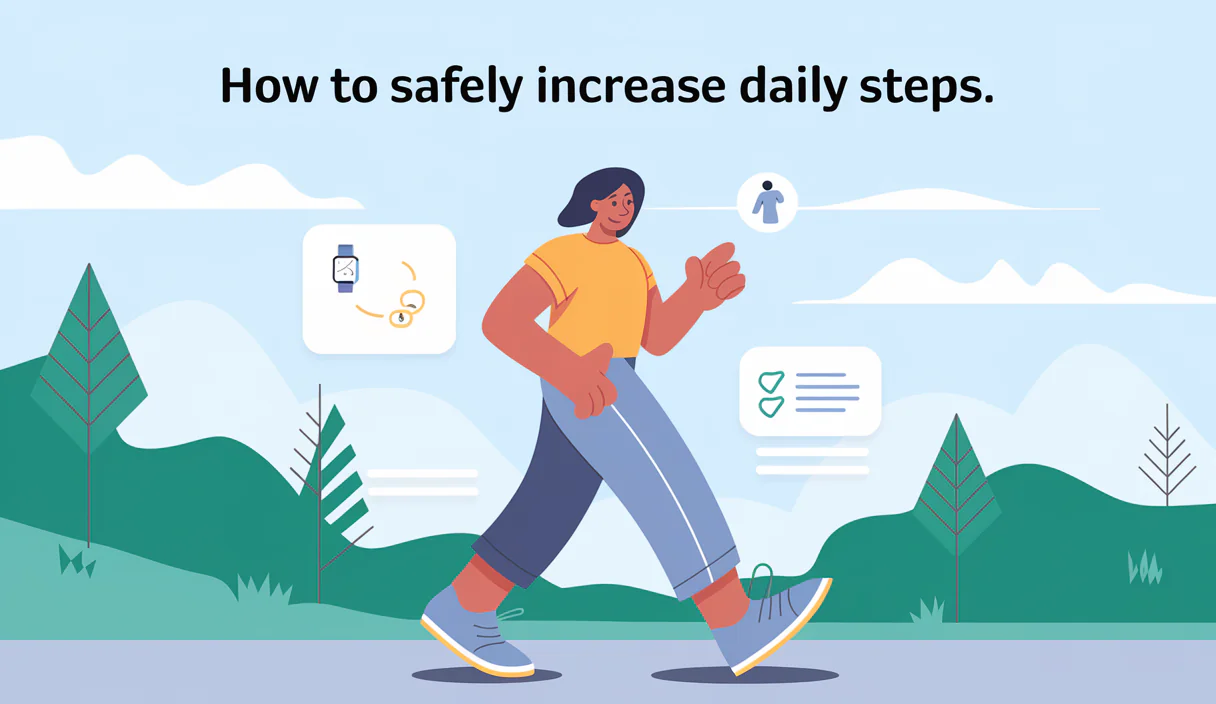

How to Safely Increase Daily Steps: Simple Tips
How to Safely Increase Daily Steps is a question many of us ask when we want to move more without risking injury or burnout. This friendly guide breaks down easy, evidence-based ways to add more steps, build consistency, and protect your joints and balance as you progress.

Why small changes matter
You don’t need to jump from 2,000 to 10,000 steps overnight. Gradual increases are safer, more sustainable, and more enjoyable. Research shows even modest step increases can improve heart health, mood, and longevity — and they’re easier to keep up.
How to Safely Increase Daily Steps: Smart Strategies
Here are practical approaches to add steps without pain, injury, or major schedule shifts. Use them together to make movement a normal part of your day.
1. Set a realistic weekly target
Begin by tracking your current steps for a week. If you average 4,000 steps, aim for a 10–15% increase per week. Small, repeatable gains are more effective than sudden surges.
2. Break steps into mini-walks
Short, frequent walks are kinder to joints and easier to fit into busy days. Try 5–10 minute walks every few hours — they add up fast and help maintain energy and focus.
3. Choose supportive footwear and posture
Good shoes and neutral posture reduce impact and soreness. Replace worn-out sneakers and consider insoles if you have arch or heel pain. Walk with a relaxed but upright posture — chin slightly tucked, shoulders down.

Simple daily swaps that add steps
Small habit tweaks produce big gains. Here are easy swaps to try this week:
- Park farther away when you shop or visit work.
- Take stairs instead of elevators when it’s safe.
- Walk while on calls or during breaks.
- Loop the house during TV ads or between tasks.
- Get off one stop earlier on public transit and walk the rest.
Use timers and prompts
Set phone or smartwatch reminders to stand and walk 3–5 minutes every hour. These small bursts protect your back and help slowly increase your step total for the day.
Plan longer walks safely
When you aim for longer sessions, prepare to avoid pain or injury. Start with an easy warm-up and end with gentle stretching. Pick even terrain and increase distance by no more than 10–15% per week.
Warm-up and cool-down
Warm up with 5 minutes of brisk walking, ankle circles, and hip rolls. Cool down with slower walking and calf, quad, and hamstring stretches to reduce soreness.

Tools to support progress
Devices and apps help you stay consistent. Use them to track progress, set reminders, and celebrate wins.
- Simple pedometer or phone tracker for daily counts.
- Smartwatch with hourly move reminders and step goals.
- Walking apps or community groups for accountability.
Track more than steps
Tracking sleep, energy, and mood alongside steps paints a clearer picture of how walking affects your health. If you find dips in energy or new pain, reduce intensity and consult a professional.
How to Safely Increase Daily Steps: Preventing injury
Increasing steps should feel challenging but not painful. Follow these precautions to stay safe:
- Progress slowly: Add only 10–15% per week in duration or distance.
- Listen to your body: Sharp pain is a stop sign. Rest and seek guidance if pain persists.
- Cross-train: Add low-impact strength work and balance exercises to reduce injury risk.
- Hydrate and fuel appropriately for longer walks.
Fall prevention tips
If you worry about balance, practice standing on one leg, use a walking buddy, or choose flat, well-lit routes. For more tips on fall prevention and safe step increases, watch this short video below.
Motivation and accountability
Sticking with a walking plan is easier when you enjoy it and have support. Try mixing music playlists, podcasts, or walking with friends. Use friendly challenges and progress charts to celebrate small wins.
Community and ideas
Looking for fresh ideas? Articles like 30 easy ways to get more steps each day offer dozens of quick swaps. The British Heart Foundation also lists practical tips to build walking into your life in a sustainable way: 7 ways to walk more.
For creative ideas and behavior tips, see this roundup from Restless: Creative ways to increase your daily step count. Community threads (like on Reddit) can also offer real-life motivation and small hacks that worked for others: walking tips from peers.
How to Safely Increase Daily Steps: What the evidence says
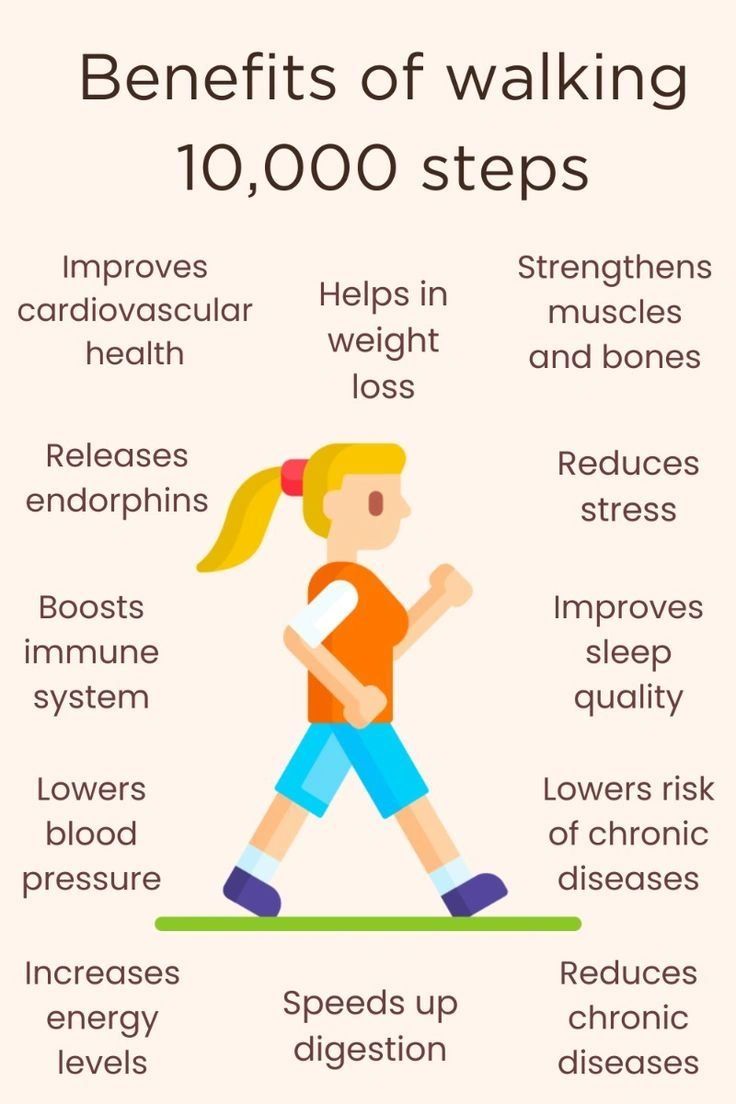
Growing research indicates that health benefits begin well below the classic 10,000-step mark. For example, studies report fewer deaths and better cardiovascular outcomes for people who reach 7,000–8,000 steps daily. More steps often bring more benefit, but the key is consistent, injury-free progress. For context on steps and health outcomes, see insights from UCLA Health: how many steps you need.
Practical takeaways: add steps gradually, mix short bursts with longer walks, use supportive shoes, and track progress. If you’re building back from injury or have chronic conditions, work with your healthcare provider to personalize targets.
Simple weekly plan to start (4-week example)
Use this template to increase steps safely. Adjust numbers to your baseline.
- Week 1: Track baseline. Add two 10-minute walks on most days.
- Week 2: Increase total weekly walk time by 10–15%.
- Week 3: Add one longer walk (20–30 minutes) and keep mini-walks.
- Week 4: Reassess step average and set new modest goal for the next month.
When to slow down
If you notice persistent soreness, swelling, or sharp pain, cut back and rest. Gradual progress keeps your momentum long-term; setbacks are temporary and often avoidable with sensible pacing.
Final tips to make walking a habit
- Make it enjoyable: choose scenic routes, podcasts, or a walking buddy.
- Schedule it: add walks to your calendar like any appointment.
- Reward progress: celebrate milestones, not perfection.
- Be patient: healthy habit change takes weeks, not days.
Remember: How to Safely Increase Daily Steps isn’t a single tactic — it’s a set of habits you build gradually. Use tools, plan smartly, and listen to your body.
If you want more step-friendly ideas, check these practical resources: 30 easy ways to get more steps each day, creative step ideas, and the British Heart Foundation’s walking tips: 7 ways to walk more. Community tips are available on forums like Reddit walking threads.
Start small, stay consistent, and celebrate progress. Your body will thank you.
Want more simple, practical health guides? Explore more at zenpulsehub.com.
FAQs
How quickly can I increase my steps without hurting myself?
Increase by about 10–15% per week. Small, steady increases reduce injury risk and help you adapt safely.
Do I need special shoes to walk more?
Good, supportive shoes reduce impact and discomfort. Replace worn-out shoes and pick footwear that fits your arch and walking style.
Is 10,000 steps necessary for health benefits?
No. Benefits start at lower step counts — studies show gains around 7,000–8,000 steps. More steps can add benefits, but consistency matters most.
What if I have joint pain or balance issues?
Choose flat, even routes, walk with a partner, and add strength and balance exercises. If pain persists, consult a healthcare professional before increasing steps.