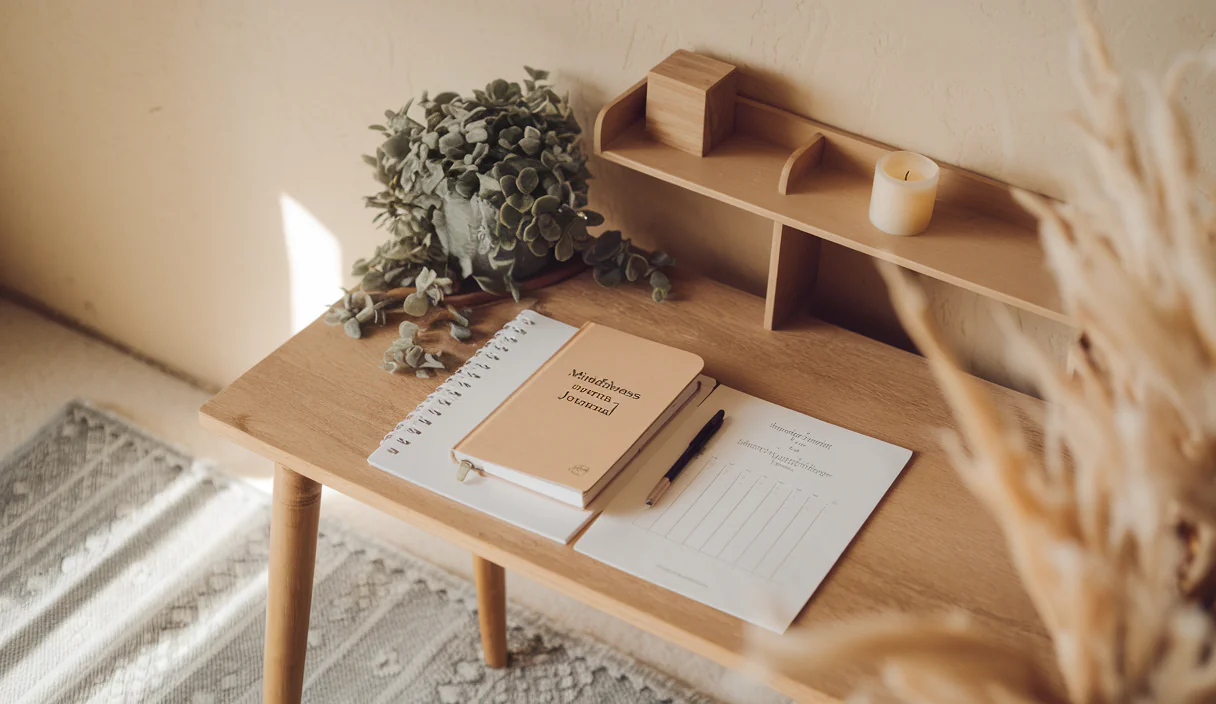

Track Your Progress Mindfully: Simple Steps
Track Your Progress Mindfully so you stay present while measuring growth. In this guide you will learn practical, gentle ways to notice progress without pressure. The goal is simple: create systems that help you see real change, stay motivated, and keep mindfulness at the center of your journey.

How to Track Your Progress Mindfully: Tools & Mindset
Tracking progress is more useful when it supports awareness instead of judgment. Use simple tools and keep a curious, kind attitude. Below are practical methods that help you track your progress mindfully without turning growth into a tally of faults.
Why mindful tracking matters
When you track progress with awareness, you get three big benefits:
- Clarity: You can see small wins that often go unnoticed.
- Motivation: Clear feedback fuels gentle consistency.
- Presence: You stay rooted in the present moment while reviewing the past.
What to track (without overwhelm)
Pick a few meaningful metrics and keep them simple. Here are examples to choose from:
- Mood after a practice (scale 1–5)
- Minutes spent in meditation or breathwork
- A short note about what you noticed (thoughts, body, emotions)
- One micro-win per day
Simple Systems to Track Progress Mindfully
Use systems that integrate with your life and invite reflection. Below are accessible ideas you can try this week.
1. The One-Line Journal
Every day, write one line: what you practiced and one observation. This is low-effort and builds a thread you can review weekly.
2. A Weekly Reflection Slot
Once a week, spend 10 minutes reviewing your entries. Ask: What changed? What felt different? What do I want to try next?
3. Use a Simple Tracker App
Apps can help you see trends. Consider meditation or habit apps that show streaks and minutes. The Calm app is a popular choice with guided sessions and progress charts. If you prefer a tool focused on mindfulness, try the Mindfulness Coach app mentioned by the VA, which offers guided breathing, body scans, and a ‘Track Progress’ section to see how you’re doing over time — a feature highlighted in the VA’s post about using the app to pause and reset here.
4. Themed Logs
Create short logs for specific areas — like sleep, mood, or yoga poses — to compare weeks. Yoga practitioners often use log books to record poses, notes, and feelings; there are ready-made journals and log books like those found on major stores that can help you focus and measure your practice.

Measure What Matters — And Keep It Kind
Mindful tracking means choosing measures that support awareness. Avoid metrics that encourage harsh comparisons. Ask yourself: does this measure help me be more present? If yes, keep it. If not, let it go.
Questions to guide mindful tracking
- Does this tracking help me notice progress, not punish me?
- Can I reflect on these notes with compassion?
- Is this habit sustainable week after week?
Practical Routines to Track Progress Mindfully
Below are routines you can try. Adjust to fit your rhythm.
Daily (2–5 minutes)
- One-line entry about your practice.
- Record minutes of meditation or a short note about a yoga pose.
- Mark one micro-win.
Weekly (10–20 minutes)
- Review daily notes and spot patterns.
- Write a 3-sentence reflection on what changed.
- Plan one small experiment for the next week.
Monthly (20–40 minutes)
- Look at monthly trends — mood, minutes, or wins.
- Note how habits affected stress, energy, or focus.
- Reset goals with curiosity, not pressure.

Tools & Resources
Use a mix of analog and digital tools. The right combo depends on your life and attention style.
Apps and digital trackers
Apps are great for reminders and charts. Try:
- Calm — guided meditations and progress tracking.
- Mindfulness Coach — recommended by VA guidance that also suggests using its ‘Track Progress’ feature to support practice and reset routines (VA post).
- Simple habit-trackers that let you log minutes and notes.
Analog tools
Journals and log books encourage reflection. A yoga log or a short mindfulness journal can make tracking tactile and pleasant. If you like community sharing, see how others track practices on forums like Reddit for inspiration (community thread).
How to Read Your Data Mindfully
Data is useful only when read with kindness. Here are tips to interpret your logs without anxiety.
- Look for trends, not daily spikes: focus on weekly and monthly shifts.
- Ask gentle questions: What might explain this dip? What helped that week?
- Separate facts from stories: a missed day is a fact. The story that you ‘failed’ is optional — choose a kinder narrative.
Integrating Mindful Tracking with Movement Practices
If you practice yoga or movement, tracking poses or feelings after sessions can be powerful. Yoga-focused resources explain how a log helps map physical progress and emotional change — for example, many studios and blogs outline progress-tracking ideas for yoga practitioners and show how a journal can be a mindful companion (YogaSpace guide).
What to note after a session
- One posture you improved or felt differently in
- Breath quality
- Energy or mood shifts
- One intention for next session
Common Pitfalls and How to Avoid Them
Tracking can backfire if it becomes a scoreboard. Watch for these traps and use small shifts to stay mindful:
- Perfectionism: If you track just to avoid shame, stop. Reframe tracking as curious study.
- Overtracking: Too many metrics dilute focus. Keep 2–4 measures max.
- Forgetting reflection: Data without reflection is noise. Build a weekly review into your plan.
Quick Start Plan — First 30 Days
Follow this gentle plan to begin. It is designed to create a habit of mindful tracking, not to produce dramatic results overnight.
Week 1: Start Small
- Commit to one small daily practice (5–10 minutes).
- Record one line each day: minutes + one observation.
Week 2: Add Reflection
- Keep daily notes; add a weekly 10-minute review on Sunday.
- Notice patterns and one small experiment for the next week.
Weeks 3–4: Adjust and Stick
- Keep tracking the same measures. If something feels unhelpful, remove it.
- Celebrate a micro-win each week.
Real Examples: What Others Do
People track mindfulness in many ways. Some add a tiny gamification layer to stay engaged; others prefer quiet journaling. A Reddit thread on tracking mindfulness shows how users combine streaks, simple apps, and journals to gamify and record practice history (community examples). Use others’ ideas to inspire, not to compare.
Where to Learn More
For guided practices and recordings to pair with your log, explore the Calm app and mindfulness guides. The Mindfulness Coach app and VA resources explain how to pause, reset, and track progress in ways that support health (VA guidance). If you want yoga-specific tracking, read yoga progress guides for pose journals and log templates (YogaSpace).
Final Tips for Gentle Momentum
- Be consistent, not rigid: show up with kindness.
- Use visual cues: a journal on your pillow or a reminder on your phone.
- Review kindly: celebrate trends, not just targets.
By choosing simple measures, short routines, and a compassionate lens, you can reliably track your progress mindfully and let data support presence rather than pressure. Keep your system small, check in often, and tweak as you learn.
Want a printable starter template? Try a one-line journal and weekly review pages to begin. If you like books and guided journals, there are helpful titles that combine reflection prompts and structure to support mindful tracking.
Ready to start? Pick one metric, a tiny daily practice, and a weekly reflection time. Track with curiosity. Celebrate small shifts.
Explore more guides and tools to support your mindful growth at zenpulsehub.com. Keep going — one kind step at a time.
How often should I review my tracking notes?
Weekly reviews are ideal for most people. They give you enough data to spot trends without turning review into a daily chore. Spend 10–20 minutes on a weekly reflection to stay grounded and curious.
What should I do if tracking feels stressful?
Pause and simplify. Drop any metric that causes stress and return to one tiny measure — like a one-line journal. The aim is awareness, not performance. Reframe tracking as a compassionate experiment.
Can I use apps to track mindfulness?
Yes. Apps like Calm offer guided sessions and charts. The Mindfulness Coach app is also useful for guided exercises and a ‘Track Progress’ feature that helps you see your practice over time, as noted in VA resources and social posts.
What is a good minimum tracking habit?
One short daily entry (1–3 sentences) plus a weekly 10-minute review. That small habit gives structure without overwhelm and builds reliable momentum.