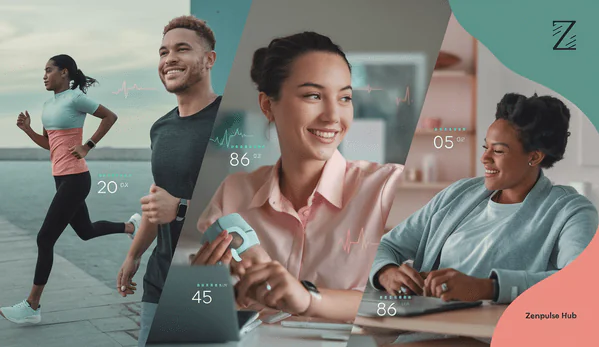

How Wearables Are Changing Wellness: A Guide
How Wearables Are Changing Wellness is more than a trend — it’s reshaping how we track, manage, and improve everyday health. Wearable devices now put continuous data, personalized nudges, and simple self-care tools on your wrist, clothing, or even your skin. In this post you’ll learn practical ways wearables support better sleep, fitness, chronic care, mental well-being, and prevention, along with tips to choose the right device for your goals.
How Wearables Are Changing Wellness: The big picture
Wearables collect continuous data — steps, heart rate, sleep stages, skin temperature, and more. That real-time stream creates a detailed picture of daily habits and physiology. The result: people and providers can spot trends, measure progress, and react earlier than before.
Why this matters
Simple, constant feedback helps people form healthy habits. Small adjustments supported by data turn into big wins over weeks and months. Studies show wearables can drive behavior change when combined with goals and incentives — for example, workplace wellness programs or insurance initiatives that reward healthy actions. For review-level evidence, see this open-access overview of wearables and behavior change on PubMed Central: PMC: wearables and behavior change.
Core wellness areas wearables are changing
Wearables impact several wellness areas. Below are the main ones and concrete examples of how devices help.
1. Sleep and recovery
Sleep trackers measure duration and sleep stages. They also give sleep hygiene tips like consistent bedtimes or light exposure changes. Many devices now pair with wearable light devices or apps to help shift circadian rhythms. If you want to read about targeted light-based wearable therapies, you can find devices and community discussions on platforms like Facebook where people share real-world results (see source above).
2. Fitness and activity
From basic step counts to detailed run metrics, wearables make movement measurable. They replace guesswork with clear goals, reminders, and progress visuals. Fitness platforms increasingly combine wearables with automation to deliver personalized workouts and recovery plans — see this coverage of how automation is changing the fitness industry at Wellness Terminal: How Automation is Changing the Fitness Industry.
3. Heart health and chronic condition support
Smartwatches and chest sensors can detect arrhythmias, monitor resting heart rate, and flag unusual trends. This empowers people with heart conditions to catch warning signs quicker and supports clinicians with continuous data between visits. For a practical look at heart care on the wrist, read this patient-focused piece from Baylor Scott & White Health: Your heart on your wrist: How wearables are changing heart care.
4. Mental wellness
Wearables track stress markers like heart-rate variability and breathing rate. Many combine this data with guided breathing, meditation reminders, or mood check-ins. These nudges can help users interrupt stress cycles and build resilience.
5. Pharmacy, medication adherence, and remote care
Pharmacies and care teams are using wearable data to improve medication timing and adherence. For an overview of how wearable data can be woven into pharmacy care, see this practical article from Express Scripts: How wearables are changing pharmacy care for the better.
How wearables actually change behavior
Data alone isn’t enough. The devices that work best combine measurement with motivation. Here are proven mechanics that convert data into action:
- Clear goals: Step targets, sleep targets, or active minutes give concrete aims.
- Immediate feedback: Real-time metrics make progress visible.
- Social nudges: Groups, challenges, and shared goals create accountability.
- Incentives: Economic or gamified rewards boost sustained engagement — many wellness programs link wearable data to incentives, as reviewed on PubMed Central: wearable devices with behavioral incentives.
- Actionable insights: Suggestions like “take a 10-minute walk” or “wind down now” turn numbers into next steps.

Data, privacy, and clinical reliability
As wearables become medical-grade, questions about accuracy and privacy grow. Here are the key points to know:
- Accuracy varies: Consumer devices are improving but may not match clinical monitors for all measurements.
- Regulation: Some wearables now carry medical clearances for specific features. Always check the device details for FDA or regional approvals.
- Privacy matters: Read data policies and know whether your device shares data with third parties. Many users prefer options that give control over what is shared with employers or insurers.
- Clinical integration: When paired with clinician workflows, wearables can reduce visits and speed diagnosis. Northwestern’s overview explains how wearable tech links to healthcare services: Wearing Wellness on Your Sleeve.
Research and evidence
Large-scale studies and systematic reviews show potential but also highlight limitations. Recent open-access research in Sensors explores how wearables and IoT devices promote behavior change and improve well-being. Read the full article here: MDPI Sensors: wearables for behavior change. That review emphasizes the power of continuous monitoring when paired with personalized coaching or incentives.
Real-world examples and industry change
Companies and health systems are creating programs that use wearable data to improve outcomes and reduce costs. For example:
- Health systems use wearables to monitor surgical recovery and post-discharge activity.
- Insurers and employers offer wellness challenges that reward step goals or improved sleep.
- Pharmacy programs leverage wearable-fed adherence reminders to reduce medication errors — see this Express Scripts article for how wearables fit into pharmacy care: How wearables are changing pharmacy care.

Choosing the right wearable
Pick a device that matches your real goals. Ask these simple questions:
- What health data do I want (sleep, heart, activity, glucose, stress)?
- Do I need clinical-grade accuracy or general trend tracking?
- How long is the battery life? (Longer battery = more consistent data.)
- Does the device protect my data and let me control sharing?
- Does it connect to apps or clinicians I trust?
Technology trends shaping the near future
Expect deeper sensor integration, improved long-term reliability, and smarter, personalized coaching driven by pattern recognition. Clinical partnerships will expand as evidence grows. For an academic look at how these technologies promote behavior change, see the MDPI review above: Sensors article.
Examples of practical routines with wearables
Here are simple, everyday routines to get more value from a wearable:
- Set a weekly active minutes goal and a consistent bedtime. Review progress every Sunday.
- Use guided breathing when your device flags high stress.
- Share progress with a friend or join a 30-day challenge for social accountability.
- Turn on physician or pharmacist sharing only when you need clinical follow-up.
How organizations make wearables work at scale
Wellness programs and clinics often combine wearable data with incentives, coaching, and care pathways. Research summarized on PubMed Central shows that wearables coupled with behavioral and economic incentives can improve outcomes and engagement: wearables and incentives review.
Challenges and what to watch
Some common issues people face:
- Engagement drop-off: Initial enthusiasm fades without clear goals or rewards.
- Data overload: Too many metrics can be confusing. Focus on one or two measures at a time.
- False positives: Occasional sensor errors can cause worry. Use trends, not single readings.
- Privacy risks: Make sure you understand where your data goes before sharing with employers or insurers.
Video: Quick primer on wearables and wellness
Watch this short explainer to see real devices and stories about daily use:
Case study: Heart care on the wrist
Real-world programs use smartwatches to support patients with arrhythmias and other heart conditions. These devices empower patients to report symptoms and share continuous data with clinicians between visits. Baylor Scott & White Health describes how wrist-worn tech can empower people already diagnosed with heart problems and improve ongoing care: Your heart on your wrist.
Practical tips to start today
If you want to use wearables to boost your wellness, start simple:
- Choose one goal: sleep better, move more, or reduce stress.
- Pick a device that measures that goal well.
- Set a small, measurable target for 30 days.
- Use reminders and a weekly check-in to track progress.
How Wearables Are Changing Wellness: what’s next
As sensors improve and care teams adopt continuous data, wearables will move from novelty to normal practice. Expect better clinical workflows, more validated tools, and deeper personalization. The field is rapidly maturing — from lifestyle nudges to clinical-grade monitoring — and this will expand the meaningful impact of wearables on population health.
Resources & further reading
- PMC review on wearables, behavior change, and incentives
- Northwestern: Wearing Wellness on Your Sleeve
- Baylor Scott & White: Heart care and wearables
- MDPI Sensors: wearables & IoT for behavior change
- Express Scripts: wearables in pharmacy care
Final thought: Wearables are tools — powerful ones — that make health visible and actionable. Use them to support simple, consistent habits. Start small, stay curious, and let your data guide meaningful change.
Ready to learn more? Explore other practical guides on zenpulsehub.com to build a smarter, healthier routine.
Frequently asked questions
How accurate are wearable health devices?
Accuracy varies by device and metric. Steps and heart rate trends are usually reliable. Clinical-grade measures (like precise blood pressure or glucose) still require validated devices. Use trends over time rather than single readings, and check device approvals if you need clinical accuracy.
Can wearables really improve long-term health?
Yes, when combined with clear goals, coaching, or incentives. Research shows wearables can drive behavior change if users receive feedback and motivation. Programs that pair devices with personal support tend to achieve better outcomes than devices alone.
Are my wearable data and privacy safe?
Privacy depends on the device and platform. Read the privacy policy and sharing settings. Choose devices that let you control data sharing and avoid auto-sharing with employers or insurers unless you want them to see it.
Which wearable should I buy to start?
Pick based on your primary goal: basic fitness trackers for movement, smartwatches for heart and notifications, or specific sensors for sleep or glucose. Prioritize battery life, comfort, and whether the device connects to apps or clinicians you trust.