

HRV: Understanding Stress & Recovery
HRV (heart rate variability) is a simple but powerful metric for tracking stress and recovery. In this guide you’ll learn what HRV measures, why it matters for daily stress and performance, and practical ways to use HRV data to improve sleep, training, and resilience.

Why HRV matters for stress and recovery
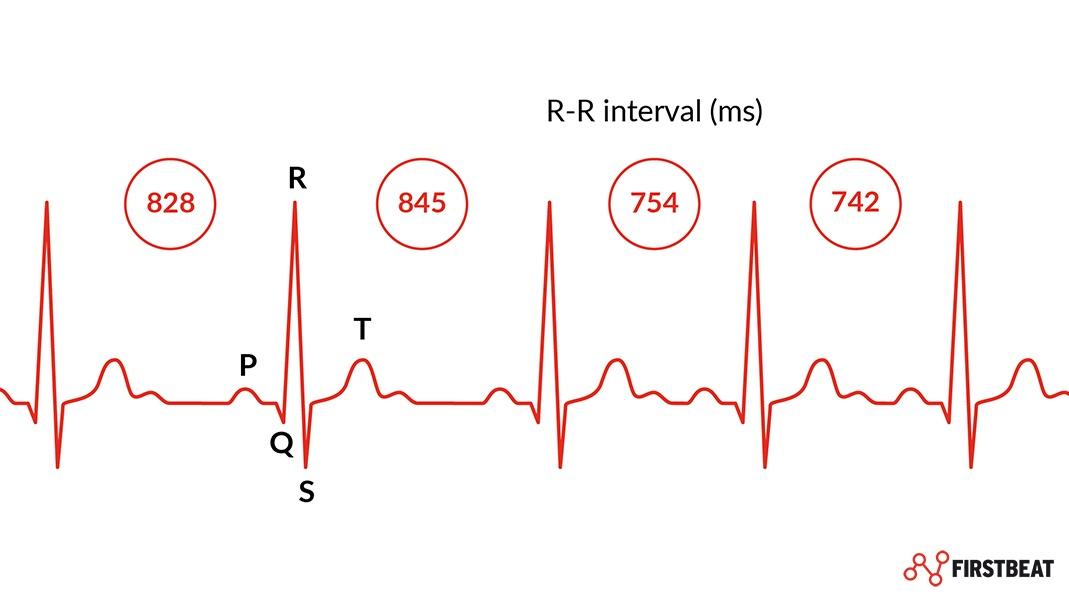
HRV is the variation in time between heartbeats. It may sound technical, but higher HRV generally means your nervous system is flexible and your body is well recovered. Lower HRV often shows up when you are stressed, tired, or under heavy training load. By tracking HRV, you get a window into how your body is handling daily life and whether you need more rest or a change in routine.
How HRV reflects stress & recovery
HRV tracks the balance between the sympathetic (fight-or-flight) and parasympathetic (rest-and-digest) systems. When parasympathetic influence is stronger, HRV tends to be higher — a sign of good recovery. When sympathetic activity dominates, HRV drops, indicating stress or strain on the body.
Longitudinal HRV patterns (trends over days and weeks) are more useful than single readings. Continuous monitoring studies show links between persistent low HRV and burnout or chronic stress symptoms. For example, recent research highlights how continuous HRV monitoring helps recognize patterns of stress and recovery and relates to self-reported burnout (see PubMed source below).
Quick science notes
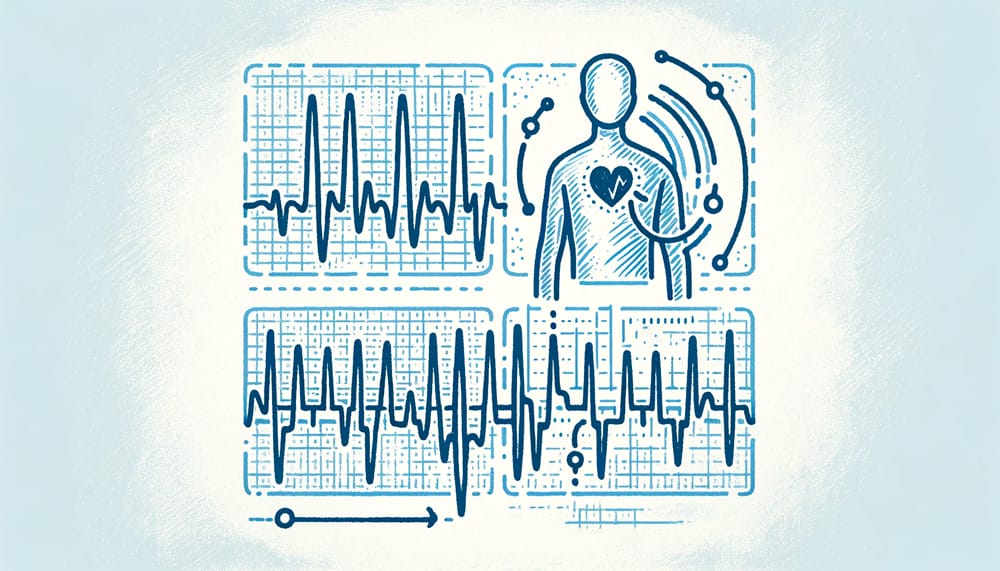
- Short-term HRV (beat-to-beat changes) reflects autonomic flexibility.
- Lower HRV can indicate stress, fatigue, illness, or poor sleep.
- Higher HRV generally signals good recovery and resilience.
How to measure HRV
There are many ways to measure HRV, from chest straps to wearable watches and phone apps. Accuracy varies by device and method; for best results use the same method consistently and measure under similar conditions (e.g., first thing in the morning).
Common measurement options
- Chest straps — high accuracy for R-R (beat) detection.
- ECG devices — clinical-grade accuracy but less convenient.
- Wrist wearables — convenient, improving in accuracy; best for trends.
- Phone sensors — useful for guided short measurements.
If you want practical tips from experts, Firstbeat has a helpful breakdown on measuring HRV and why it matters (link below). Suunto also offers user-focused advice on how to use HRV to optimize recovery for athletes and active people.
Helpful reads:
- Continuous heart rate variability monitoring — PubMed — study linking HRV patterns with stress and burnout.
- BMJ Open — research highlighting HRV as a biomarker for stress and recovery.
- Firstbeat blog — measuring HRV and insights into well-being.
- Suunto guide — using HRV to optimize recovery in training.
- Hospital for Special Surgery: Heart Rate Variability — overview for everyday health and training uses.

How to use HRV data day-to-day
HRV is most useful when you look at trends and combine it with subjective data: sleep quality, mood, training load, and life stress. Here are practical ways to act on HRV readings.
Daily routine suggestions
- Morning check: Take a short morning HRV reading and note how you feel. Over time, this builds a trend.
- Adjust training: If HRV is consistently below your baseline, reduce intensity or add active recovery.
- Prioritize sleep: Poor sleep often lowers HRV. Aim for consistent bedtime and a wind-down routine.
- Manage stress: Use breathing, brief walks, or mindfulness to support recovery when HRV dips.
- Hydration and nutrition: Alcohol, dehydration, and large late meals can reduce HRV — try moderating these around key periods.
Tip: Don’t chase one perfect HRV number. Look for patterns: are your readings improving with better sleep and lower stress? That’s the real signal.
Interpreting HRV: what to watch for
Interpreting HRV is personal. Absolute values vary between people. Focus on deviations from your baseline:
- Significant drop from baseline for multiple days: consider added rest, stress reduction, or a medical check if symptoms persist.
- Sudden spike — sometimes linked to measurement noise or unusual recovery (e.g., after a long restful weekend).
- Stable, higher baseline — usually a sign of good overall recovery and resilience.
When to seek help
If HRV is consistently low and you also experience fatigue, mood changes, sleep problems, or physical symptoms, consult a healthcare professional. Persistent deviations can point to overtraining, chronic stress, hormonal issues, or cardiovascular concerns. Research overviews (like the BMJ Open review) explain the value of HRV as a biomarker — but it’s best combined with clinical insight.
Practical HRV tools and strategies
Whether you’re new to HRV or already tracking, these strategies help you use data without getting overwhelmed.
Simple plan to start
- Pick one reliable device or app and measure consistently each morning.
- Record subjective notes (sleep quality, stress, training) for context.
- Use a rolling baseline (7–14 days) to identify meaningful changes.
- Act on sustained changes: rest, modify training, or adjust lifestyle factors.
If you want practical user guidance, the Hospital for Special Surgery provides a clear overview of how HRV links to recovery and overtraining. Firstbeat and Suunto offer athlete-focused implementations that can translate well for everyday users too.
Common HRV myths
There’s a lot of noise around HRV. Here are the facts:
- Myth: One low reading means you’re out of shape. Fact: Single readings can be noisy; trends matter.
- Myth: HRV predicts exact performance. Fact: HRV is one signal among many — useful for adjusting load, not guaranteeing results.
- Myth: Higher is always better. Fact: Extremely high values may reflect measurement error or unusual physiology; context is key.
Video: Quick HRV overview
Watch this short explainer to see HRV in practice and learn quick measurement tips.
Final checklist: Using HRV wisely
- Measure consistently (same time and device).
- Track subjective context (sleep, stress, training).
- Focus on trends, not single values.
- Adjust lifestyle or training based on sustained changes.
- Seek medical advice for persistent low HRV with symptoms.
HRV is a practical, evidence-backed tool that helps you make smarter decisions about stress, rest, and performance. Use it alongside how you feel to build a resilient, balanced routine.
What is a normal HRV?
There is no universal “normal” HRV. Values depend on age, sex, fitness, and measurement method. Compare readings to your own baseline rather than someone else’s numbers.
How often should I measure HRV?
Daily morning measurements are common because they reduce variability from daytime activity. Measure once per day under consistent conditions for useful trends.
Can HRV predict illness or overtraining?
HRV can be an early indicator of stress, illness, or overtraining when combined with symptoms and other data. Persistent low HRV alongside fatigue or poor sleep warrants professional advice.
Which factors lower HRV?
Common factors include poor sleep, high stress, dehydration, heavy alcohol use, intense training without recovery, and illness. Addressing these factors often improves HRV over time.
Want to dig deeper? Explore more guides and practical HRV tools on zenpulsehub.com. Start tracking today and tune your routine for better stress management and recovery.






